
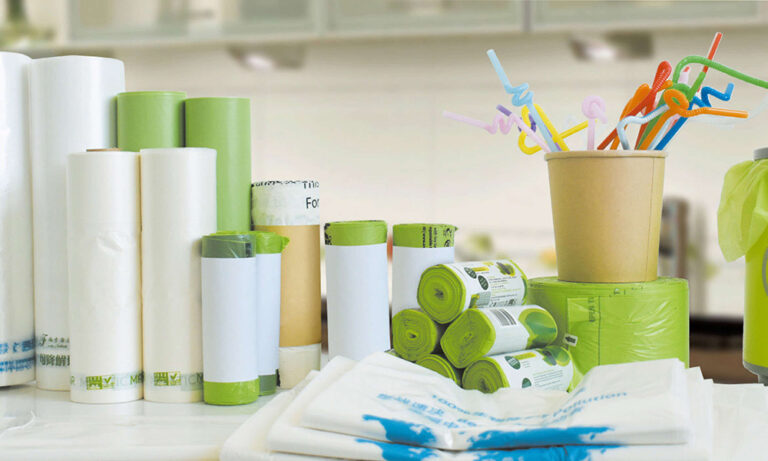
In the face of growing environmental challenges, the world is undergoing a profound transformation in how products are made, consumed, and disposed of. Among the many technological strides being taken to reduce our dependence on fossil fuels and non-degradable plastics, sustainable biopolymer innovations have emerged as a powerful solution. These breakthroughs are helping shape not only the future of packaging but also broader applications across various industries, from agriculture to healthcare.
At the heart of this transformation is the commitment to reducing carbon emissions, curbing plastic pollution, and promoting circular economies. Biopolymers—polymers derived from renewable biological sources—are now being developed to meet industrial demands while aligning with global sustainability goals. They represent a fusion of science, environmental stewardship, and innovation.
What Are Sustainable Biopolymers?
Sustainable biopolymers are materials derived from renewable resources such as corn starch, sugarcane, potato starch, cellulose, and even algae. Unlike traditional petroleum-based plastics, biopolymers can decompose under composting conditions, making them environmentally friendly at both the production and disposal stages.
What makes them “sustainable” is not just their biodegradability, but also their renewable origin and reduced impact on ecosystems throughout their lifecycle. Many biopolymers also require less energy to produce, generate fewer greenhouse gases, and avoid releasing harmful microplastics into the environment.
The Growing Need for Eco-Friendly Packaging
Packaging is one of the largest contributors to global plastic waste. Billions of single-use plastic bags, wrappers, and containers end up in landfills and oceans each year, causing long-term environmental harm. In response, governments, brands, and consumers are demanding packaging solutions that are recyclable, compostable, or reusable.
This is where biopolymers stand out. With comparable strength, flexibility, and shelf-life to conventional plastic, they are becoming the preferred material for packaging that not only performs well but also leaves a smaller ecological footprint.
Key Innovations in Biopolymer Development
Recent innovations are expanding the potential of biopolymers beyond traditional use cases. Here are some notable developments:
1. High-Performance Compostable Films
Modern biopolymer films are being engineered to match the durability and clarity of plastic films while being 100% compostable. These are widely used in food packaging, agriculture, and retail sectors.
2. Biopolymer Coatings for Paper Products
New solutions are being developed to coat paper cups, plates, and containers with compostable layers, replacing traditional plastic linings that make these items non-recyclable.
3. Injection Molding Biopolymers
Biopolymer granules are now used in injection molding processes to create rigid, heat-resistant products like cutlery, trays, and containers.
4. Water-Soluble Biopolymers
Innovators are working on water-soluble biopolymers for applications like detergent pods, single-use hygiene products, and agricultural seed coatings.
5. Biopolymer Blends for Industrial Strength
Custom blends are being created for use in electronics, medical devices, and automotive interiors—showing that the applications of sustainable biopolymers extend far beyond packaging.
Benefits Driving Adoption
The widespread adoption of sustainable biopolymer innovations is being driven by numerous factors:
- Environmental Protection: Biopolymers reduce reliance on fossil fuels and help prevent plastic pollution.
- Regulatory Support: Many countries are enacting bans on single-use plastics, encouraging manufacturers to switch to compostable materials.
- Consumer Awareness: Eco-conscious buyers are willing to pay more for products with sustainable packaging.
- Corporate Responsibility: Brands are increasingly focused on their environmental footprint and are choosing green alternatives to align with ESG (Environmental, Social, and Governance) goals.
Deltora Biopolymers Private Limited – Innovating for Impact
One of the companies leading this sustainability shift is Deltora Biopolymers Private Limited, a forward-thinking enterprise committed to developing and supplying high-performance biopolymer materials. Through consistent research, innovation, and collaboration with manufacturers, Deltora is helping reshape the packaging landscape in India and beyond.
Their products include a wide range of compostable raw materials that meet global certification standards for biodegradability and compostability. By focusing on both material quality and environmental impact, Deltora Biopolymers Private Limited supports businesses that want to innovate without compromising on sustainability.
Beyond Packaging – Expanding Horizons for Biopolymers
While packaging remains the most visible application, sustainable biopolymers are making inroads into other sectors:
- Agriculture: Compostable mulch films and seedling trays help improve soil health and eliminate farm waste.
- Healthcare: Biopolymer-based medical devices and packaging offer sterile, disposable options that are safe for patients and the planet.
- Textiles: Biopolymers are being used to create biodegradable fibers for eco-conscious clothing and accessories.
- Electronics: Flexible biopolymer films are being explored in circuit boards and other components.
The versatility of biopolymers means they will play a significant role in multiple industries striving to reduce their environmental footprint.
Challenges and the Way Forward
Despite their many benefits, biopolymers are not without challenges:
- Higher Costs: Sustainable materials often come at a higher price point than traditional plastics, especially in small-scale production.
- Limited Composting Infrastructure: In many countries, industrial composting facilities are still underdeveloped.
- Consumer Education: Many users still don’t understand how to properly dispose of compostable materials, which can undermine their benefits.
However, as demand rises and technology advances, costs are expected to fall and infrastructure is likely to expand. Educational campaigns and clear labeling will also play a vital role in bridging the knowledge gap.
Final Thoughts
The path to a sustainable future is paved with innovation, and sustainable biopolymer innovations are leading the way. These materials offer a practical and planet-friendly solution to the world’s plastic crisis. From reducing carbon emissions to enabling responsible product design, biopolymers are reshaping what’s possible in packaging and beyond.
With committed companies like Deltora Biopolymers Private Limited at the forefront, the future of materials science is not just promising—it’s green. By embracing biopolymers, industries can meet today’s sustainability challenges while laying the foundation for a cleaner, healthier tomorrow.