How to Get CPCB Certificate for Compostable Products in India A Complete Guide

With the growing demand for sustainable packaging and eco-friendly alternatives, obtaining a CPCB Certificate for Compostable Products has become essential for manufacturers and sellers in India. As per the Plastic Waste Management Rules, compostable plastic products must be approved by the Central Pollution Control Board before they can be legally manufactured, marketed, or sold.

For businesses entering the biodegradable and compostable products sector, the CPCB Certificate for Compostable items not only ensures legal compliance but also builds trust among buyers, distributors, and regulatory authorities.

Table of Contents

1. What is CPCB Certification?

The Central Pollution Control Board (CPCB) is India’s apex authority for environmental regulation. The CPCB Certificate for Compostable Products confirms that a material meets compostability standards such as IS/ISO 17088 and can decompose without leaving harmful residues.

  • Compostable carry bags
  • Packaging films
  • Disposable cutlery
  • Compostable pouches
  • Food packaging items
  • Agricultural mulch films

2. Why CPCB Certificate is Mandatory

  • Legal Compliance: Required under Plastic Waste Management Rules
  • Prevention of False Claims: Avoid misleading sustainability claims
  • Quality Validation: Ensures compostability standards
  • Market Trust: Improves customer confidence
  • Sales Approval: Required for manufacturing and selling

3. Step-by-Step Process to Get Certification

Step 1: Product Testing

  • Biodegradability
  • Compostability
  • Heavy metal limits
  • Disintegration time
  • Toxic residue check

Step 2: Obtain SPCB / PCC Consent

  • Consent to Establish (CTE)
  • Consent to Operate (CTO)

Step 3: Prepare Documentation

Compile all business and technical documents.

Step 4: Apply on CPCB Portal

Submit application online with all required documents and reports.

Step 5: Certificate Approval

After approval, CPCB issues a certificate number which must be printed on packaging along with QR code and “COMPOSTABLE” label.

4. Documents Required

  • Company registration certificate
  • GST certificate
  • PAN card
  • Factory license
  • SPCB consent certificates
  • Product test report
  • Manufacturing flow chart
  • Raw material details
  • Plant photographs
  • Packaging label design
  • Authorization letter

5. Important Compliance Guidelines

  • Print certificate number on products
  • Add QR code for traceability
  • Use “COMPOSTABLE” label
  • Submit six-monthly reports
  • Maintain production records

6. Common Mistakes to Avoid

  • Incomplete test reports
  • Missing SPCB approvals
  • Incorrect labeling
  • False compostable claims
  • Delayed compliance reporting

7. Conclusion

Obtaining a CPCB Certificate for Compostable Products is essential for businesses producing sustainable plastic alternatives in India. It ensures compliance, enhances brand credibility, and opens new market opportunities.

8. FAQs

  1. Is CPCB certification mandatory?
    Yes, it is required before selling compostable products.
  2. Which standard is used?
    IS/ISO 17088 is commonly used.
  3. How long does approval take?
    Usually a few weeks to months.
  4. Do sellers need certification?
    Yes, depending on their role.
  5. What if products are sold without certification?
    Legal action and penalties may apply.

How to Get Biodegradability Certificate in India A Complete Guide

As environmental regulations in India continue to evolve, manufacturers and sellers are increasingly focusing on sustainable and eco-friendly materials. Obtaining a Biodegradability Certificate has become an important step for businesses involved in biodegradable plastic products, packaging films, carry bags, and related materials. This certification helps verify that the product can break down naturally under specified conditions and complies with applicable Indian standards.

For businesses planning to Get Biodegradability Certificate in India, understanding the certification process, testing requirements, and documentation is essential. A proper certificate not only ensures regulatory compliance but also strengthens customer trust and improves market credibility for eco-conscious products.

Table of Contents

1. Introduction to Biodegradability Certification

A Biodegradability Certificate is an official document that confirms a product or material can decompose naturally through microorganisms such as bacteria and fungi.

In India, certification is governed under Plastic Waste Management Rules and CPCB guidelines, following standards like IS 17899 for biodegradable plastics.

  • Biodegradable plastic carry bags
  • Flexible packaging films
  • Disposable products
  • Eco-friendly industrial packaging

2. Why Certification is Important

  • Legal Compliance: Required by CPCB and state boards
  • Market Trust: Builds confidence among customers
  • Product Validation: Confirms degradation standards
  • Business Credibility: Improves brand image

3. Step-by-Step Process to Get the Certificate

Step 1: Product Testing

  • Biodegradation rate
  • Residue analysis
  • Heavy metal content
  • Disintegration behavior
  • Eco-toxicity

Step 2: Obtain SPCB / PCC Consent

  • Consent to Establish (CTE)
  • Consent to Operate (CTO)

Step 3: Prepare Documentation

Compile all necessary business and technical documents.

Step 4: Submit Application

Submit application to CPCB with required documents.

Step 5: Inspection and Approval

After verification, the certificate is issued.

4. Documents Required

  • Company incorporation certificate
  • GST certificate
  • PAN card
  • Factory license
  • CTE / CTO approvals
  • Test reports
  • Manufacturing process details
  • Raw material details
  • Invoices and plant images

5. Testing and Compliance Standards

Testing is conducted as per IS 17899 standards and includes:

  • Percentage degradation
  • Decomposition timeline
  • Environmental safety
  • Microbial compatibility

6. Common Mistakes to Avoid

  • Incomplete documentation
  • Using unapproved labs
  • Incorrect product claims
  • Delayed follow-ups

7. Conclusion

Obtaining a Biodegradability Certificate in India is essential for businesses dealing in eco-friendly plastic alternatives. Following proper procedures helps ensure faster approval and stronger market trust.

8. FAQs

  1. What is a Biodegradability Certificate?
    It confirms that a material can naturally degrade.
  2. Who issues the certificate?
    CPCB issues it in India.
  3. Which lab is used?
    CIPET or NABL-approved labs.
  4. Is it mandatory?
    Yes, for compliance.
  5. How long does it take?
    Few weeks to months depending on process.

Top 10 Best PBAT (Polybutylene Adipate Terephthalate ) Manufacturer in India 2026

As industries across India continue to shift toward environmentally responsible materials, PBAT has emerged as one of the most preferred biodegradable polymers for modern manufacturing. Known for its flexibility, strength, and compostable properties, PBAT is widely used in packaging films, carry bags, agricultural mulch films, and industrial applications. Businesses searching for the Top 10 Best PBAT Manufacturers in India are increasingly focused on quality, scalability, and sustainable production standards.

With growing awareness around eco-friendly plastics and stricter environmental regulations, the demand for a reliable PBAT Manufacturer in India is rising significantly. Choosing the right manufacturing partner helps ensure consistent product quality, timely supply, and compliance with industry standards.

Table of Contents

1. Introduction to PBAT

PBAT (Polybutylene Adipate Terephthalate) is a biodegradable and compostable thermoplastic polymer known for its flexibility and durability. It is widely used as a sustainable alternative to traditional plastics, especially where softness and stretchability are required.

A reliable Polybutylene Adipate Terephthalate Manufacturer focuses on high-performance polymer grades suitable for various industries. PBAT is often blended with other biodegradable materials to enhance strength and processing performance.

2. Why PBAT Demand is Growing in India

  • Restrictions on single-use plastics
  • Rising demand for eco-friendly packaging
  • Growth in agriculture mulch films
  • Increased use in compostable carry bags
  • Demand from food and retail packaging

3. Top 10 Best PBAT Manufacturer in India 2026

1. Deltora Biopolymers Private Limited

Leader in biodegradable and compostable packaging solutions.

2. Biopolymers

Focused on innovation and awareness in bioplastics.

3. Ecolife Recycling Private Limited

Provides sustainable and recyclable alternatives.

4. NaturTrust

Certified compostable product manufacturer.

5. Biogreen Biotech Pvt. Ltd.

Produces eco-friendly compostable products.

6. EnviGreen Biotech India Pvt. Ltd.

Uses natural materials for biodegradable products.

7. Truegreen – Lucro Plastecycle Pvt. Ltd.

Focused on reducing plastic pollution.

8. EcoPure India

Advanced biodegradable packaging solutions.

9. Bioplast Industries

Manufactures biodegradable consumer products.

10. GreenPlast India

Specializes in sustainable packaging technologies.

4. Key Features of PBAT Material

  • High Flexibility: Excellent stretchability
  • Compostable Nature: Industrially compostable
  • Good Processability: Works with standard machinery
  • High Toughness: Strong impact resistance

5. Industrial Applications of PBAT

  • Compostable carry bags and garbage bags
  • Food packaging films
  • Courier and e-commerce packaging
  • Agricultural mulch films
  • Flexible consumer packaging

6. How to Choose the Right Manufacturer

  • Production capacity
  • Product quality and certifications
  • Technical expertise
  • Delivery and logistics
  • Sustainability compliance

7. Future Scope of PBAT in India

The future of PBAT in India is highly promising due to increasing environmental regulations and demand for compostable materials. Industries like FMCG, agriculture, and packaging are expected to drive strong growth.

8. Conclusion

PBAT is a key material in India’s shift toward sustainable manufacturing. Businesses looking for a PBAT Manufacturer in India should evaluate quality, scalability, and certifications before choosing a partner.

9. FAQs

  1. What is PBAT?
    PBAT is a biodegradable thermoplastic polymer.
  2. Where is PBAT used?
    Used in packaging, bags, films, and agriculture.
  3. Is PBAT biodegradable?
    Yes, it is compostable under industrial conditions.
  4. Why is PBAT important?
    It supports eco-friendly packaging solutions.
  5. How to choose a PBAT manufacturer?
    Check quality, certifications, and capacity.

Top 10 Best PLA (Polylactic Acid) Manufacturer in India 2026

As sustainability becomes a major priority across industries, the demand for eco-friendly materials is growing rapidly. Among the most preferred alternatives to traditional plastics is PLA, a biodegradable and plant-based polymer widely used in packaging, medical products, textiles, and consumer goods. Businesses looking for environmentally responsible manufacturing solutions are increasingly turning to PLA Manufacturer in India options for reliable and scalable production.

The Indian market has witnessed remarkable growth in green material innovation, with several PLA Manufacturers in India focusing on advanced production processes, quality control, and customized industrial applications. Whether you are a business owner, distributor, or industrial buyer, understanding the market landscape can help you choose the right production partner for long-term requirements.

Table of Contents

1. Introduction to PLA and Its Importance

Polylactic Acid, commonly known as PLA, is a biodegradable thermoplastic derived from renewable resources such as corn starch, sugarcane, and cassava. Due to its sustainable nature, it has become a preferred alternative to petroleum-based plastics across multiple industries.

The increasing focus on sustainability has led businesses to search for the best PLA Manufacturer in India that can deliver high-quality biodegradable polymer solutions. PLA offers an excellent combination of durability, transparency, processability, and environmental responsibility.

From food packaging trays to 3D printing filaments, PLA is being adopted in both commercial and industrial sectors. The rise of sustainable manufacturing has positioned the PLA Manufacturer Company sector as one of the fastest-growing segments in India’s polymer industry.

2. Why PLA is in High Demand in India

  • Eco-friendly packaging requirements
  • Ban on single-use plastic products
  • Growth in e-commerce packaging
  • Increased demand in food-grade containers
  • Use in disposable medical products
  • Expansion of 3D printing applications

Companies looking for the top PLA Manufacturer in India often prioritize production quality, raw material consistency, and supply chain efficiency.

3. Top 10 Best PLA (Polylactic Acid) Manufacturer in India 2026

1. Deltora Biopolymers Private Limited

Description: Leader in biodegradable and eco-friendly packaging solutions.

  • PLA (Polylactic Acid)
  • Biodegradable water bottles
  • Compostable garbage bags
  • Agricultural films

2. Biopolymers

Description: Focused on spreading awareness and innovation in bioplastics.

3. Ecolife Recycling Private Limited

Description: Manufactures biodegradable and recyclable alternatives.

4. NaturTrust

Description: Certified compostable product manufacturer.

5. Biogreen Biotech Pvt. Ltd.

Description: Produces 100% compostable products.

6. EnviGreen Biotech India Pvt. Ltd.

Description: Uses natural starch for biodegradable solutions.

7. Truegreen – Lucro Plastecycle Pvt. Ltd.

Description: Focuses on eliminating plastic pollution.

8. EcoPure India

Description: Offers advanced biodegradable packaging solutions.

9. Bioplast Industries

Description: Manufacturer of eco-friendly biodegradable products.

10. GreenPlast India

Description: Specializes in sustainable packaging solutions.

4. Features of a Reliable PLA Manufacturing Unit

  • Advanced production infrastructure
  • Compliance with quality standards
  • Renewable raw material sourcing
  • Strong R&D capabilities

5. Industrial Applications of PLA

  • Packaging industry
  • Medical sector
  • Textile industry
  • Agriculture
  • 3D printing

6. What to Look for Before Choosing a Manufacturer

  • Production capacity
  • Product customization
  • Delivery network
  • Technical support
  • Sustainability certifications

7. Future Scope of PLA in India

The future of PLA manufacturing in India looks extremely promising. With government support and increasing demand, industries such as FMCG, healthcare, and agriculture are expected to adopt PLA at a larger scale.

8. Conclusion

PLA has emerged as a key sustainable material across industries. Businesses searching for the top best PLA Manufacturer in India should evaluate quality, certifications, and scalability before making a decision.

9. FAQs

  1. What is PLA material?
    PLA is a biodegradable polymer made from renewable resources.
  2. Where is PLA used?
    Used in packaging, medical products, textiles, and 3D printing.
  3. Why is PLA better than plastic?
    It is eco-friendly and biodegradable.
  4. How to choose a PLA manufacturer?
    Check quality, certifications, and capacity.
  5. Is PLA growing in India?
    Yes, due to rising sustainability demand.

From Waste to Worth Building a Greener Future with Eco-Conscious Material Innovations

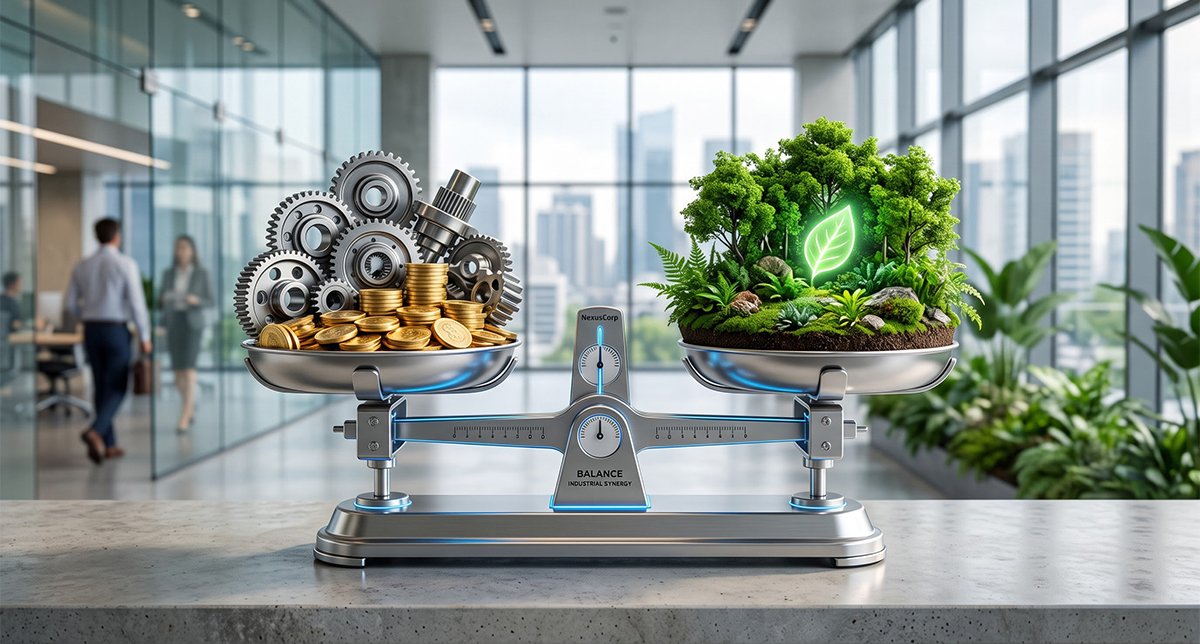
In an era where environmental challenges are becoming increasingly urgent, the way industries manage waste is undergoing a significant transformation. What was once considered useless or disposable is now being reimagined as a valuable resource. The concept of turning waste into worth is gaining traction across sectors, driven by the need for sustainable development and responsible production practices. Eco-conscious material innovations are at the heart of this shift, enabling businesses to reduce waste while creating high-quality, sustainable products.

Traditionally, industrial growth has relied heavily on materials that generate significant waste and environmental harm. From excessive packaging to single-use plastics, the impact has been long-lasting and widespread. However, with rising awareness and stricter environmental regulations, companies are now seeking smarter solutions. Eco-conscious materials are designed to minimize environmental impact, promote resource efficiency, and support sustainable manufacturing processes. These materials are redefining how products are designed, produced, and disposed of.

One of the most important aspects of eco-conscious material innovation is the ability to repurpose waste into usable raw materials. Instead of discarding by-products, industries are now investing in technologies that convert waste into valuable inputs for production. This approach not only reduces landfill waste but also decreases the demand for virgin resources. By closing the loop in material usage, businesses can significantly lower their environmental footprint while maintaining productivity.

The packaging industry is one of the biggest beneficiaries of this transformation. With increasing pressure to reduce plastic waste, companies are adopting eco-friendly alternatives that deliver both performance and sustainability. Eco-conscious materials provide strength, flexibility, and durability, making them ideal for packaging applications. They also help brands meet consumer expectations for environmentally responsible products. As a result, businesses can align their operations with both regulatory standards and market demands.

In addition to packaging, eco-conscious materials are making a strong impact in manufacturing, construction, agriculture, and consumer goods. These materials are versatile and can be tailored to meet specific industry requirements. Whether it’s creating lightweight components for automotive use or developing sustainable solutions for everyday products, eco-conscious innovations are driving efficiency and environmental responsibility at the same time.

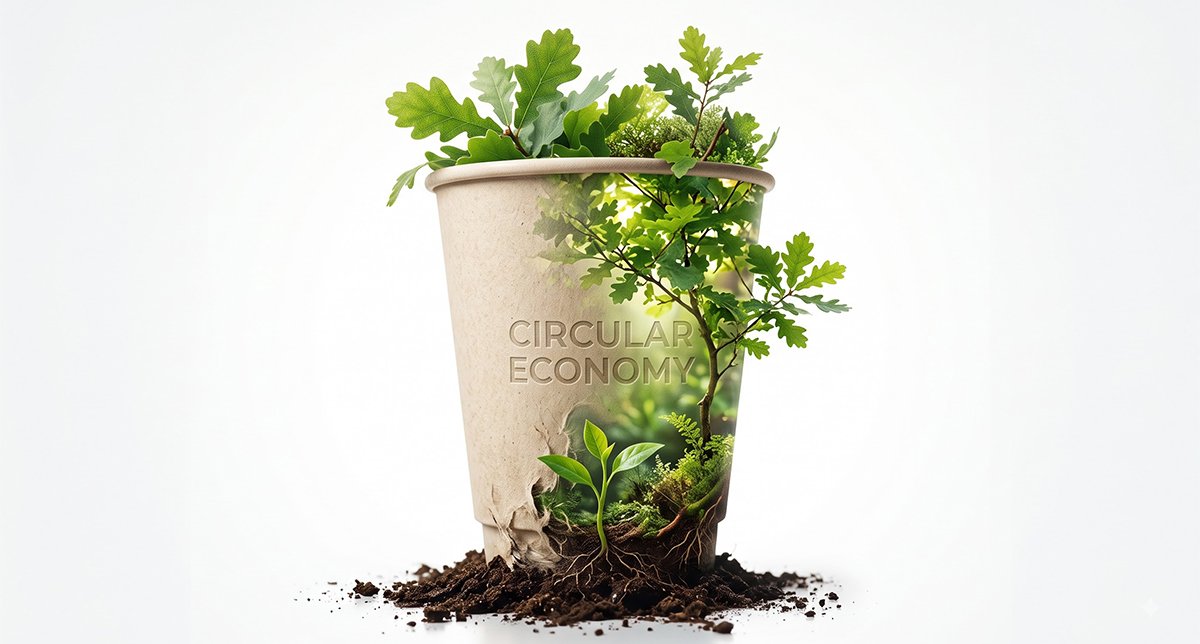
Another key advantage of these materials is their role in promoting a circular economy. Unlike the traditional linear model of “take, make, dispose,” a circular approach focuses on reusing, recycling, and regenerating resources. Eco-conscious material innovations make it easier for businesses to adopt this model by providing sustainable alternatives that can be reintegrated into the production cycle. This reduces waste generation and ensures that resources are utilized more effectively.

Cost efficiency is also an important factor driving the adoption of eco-conscious materials. While some businesses may initially perceive sustainable materials as expensive, the long-term benefits often outweigh the costs. Reduced waste management expenses, improved energy efficiency, and compliance with environmental regulations contribute to overall savings. Moreover, companies that embrace sustainability are better positioned to attract environmentally conscious customers and investors.

Innovation and technology play a crucial role in advancing eco-conscious material solutions. Continuous research is leading to the development of new materials that combine performance with sustainability. Companies like Deltora Biopolymers Private Limited are contributing significantly to this progress by offering innovative solutions that help industries transition toward greener practices. Their commitment to quality and sustainability ensures that businesses can adopt eco-friendly materials without compromising on performance or reliability.

Consumer awareness is another driving force behind the shift toward eco-conscious materials. Today’s consumers are more informed and concerned about the environmental impact of their choices. They prefer brands that demonstrate a commitment to sustainability and responsible sourcing. By incorporating eco-conscious materials into their products, companies can build trust, enhance brand reputation, and gain a competitive edge in the market.

Furthermore, eco-conscious material innovations play a vital role in reducing carbon emissions. Traditional manufacturing processes often involve high energy consumption and significant greenhouse gas emissions. By using sustainable materials and optimizing production techniques, businesses can reduce their carbon footprint and contribute to global climate goals. This not only benefits the environment but also helps organizations align with international sustainability standards.

Deltora Biopolymers Private Limited stands out as a key player in promoting eco-conscious innovation. By focusing on advanced material solutions, the company supports industries in transforming waste into valuable resources. Their approach reflects a strong commitment to sustainability, helping businesses move toward greener and more responsible operations.

In conclusion, the journey from waste to worth is reshaping the future of industries worldwide. Eco-conscious material innovations are enabling businesses to reduce waste, conserve resources, and create sustainable products that meet modern demands. By embracing these solutions, companies can play a crucial role in building a greener future while achieving long-term growth and success. The shift toward sustainability is not just a trend—it is a necessary step toward preserving our planet for future generations.

Eco-Friendly Polymers A Smarter Approach to Sustainable Packaging and Production

In today’s rapidly evolving industrial landscape, sustainability is no longer just an option—it has become a necessity. Businesses across the globe are actively seeking alternatives to traditional plastic materials that harm the environment and contribute to long-term ecological damage. This shift has led to the growing popularity of eco-friendly polymers, which are transforming the way packaging and production processes operate. By adopting these innovative materials, industries can reduce their environmental footprint while maintaining efficiency and product quality.

Eco-friendly polymers are advanced materials designed to offer similar performance to conventional plastics while minimizing negative environmental impact. Unlike traditional plastics derived from fossil fuels, these polymers are developed using greener processes and renewable resources. They are engineered to support sustainability goals, reduce carbon emissions, and promote responsible consumption patterns. As environmental awareness continues to grow, companies are recognizing the importance of integrating such materials into their operations.

One of the key advantages of eco-friendly polymers is their versatility. They can be used across a wide range of industries, including packaging, agriculture, healthcare, automotive, and consumer goods. In the packaging sector, these polymers are particularly valuable as they provide durability, flexibility, and protection for products without relying on harmful materials. Businesses can create high-quality packaging solutions that meet both functional and environmental requirements, making them a smart choice for forward-thinking brands.

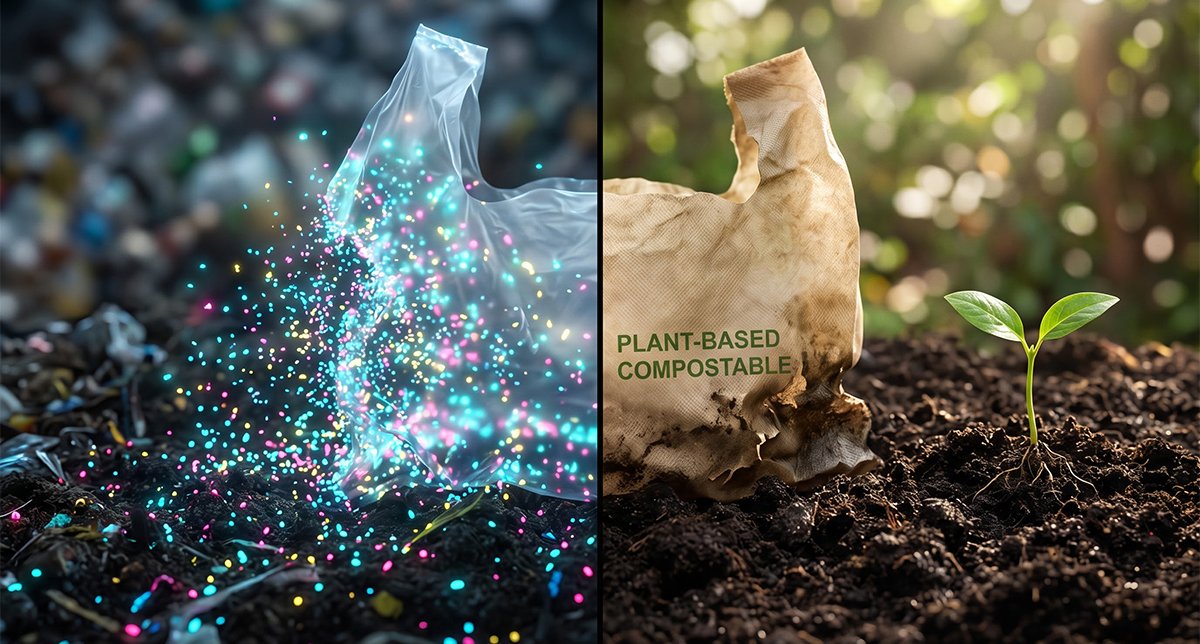
Another major benefit is the reduction of waste and pollution. Traditional plastic waste takes hundreds of years to decompose, leading to severe environmental consequences such as ocean pollution and landfill overflow. Eco-friendly polymers, on the other hand, are designed with sustainability in mind. They help reduce dependency on single-use plastics and encourage the use of recyclable and reusable materials. This not only benefits the environment but also enhances a company’s reputation among environmentally conscious consumers.

In addition to environmental benefits, eco-friendly polymers also support cost efficiency in the long run. While the initial investment may seem higher compared to conventional plastics, businesses often experience savings through reduced waste management costs, improved energy efficiency, and compliance with environmental regulations. Governments and regulatory bodies are increasingly promoting sustainable practices, making it essential for companies to adapt and stay ahead of evolving policies.

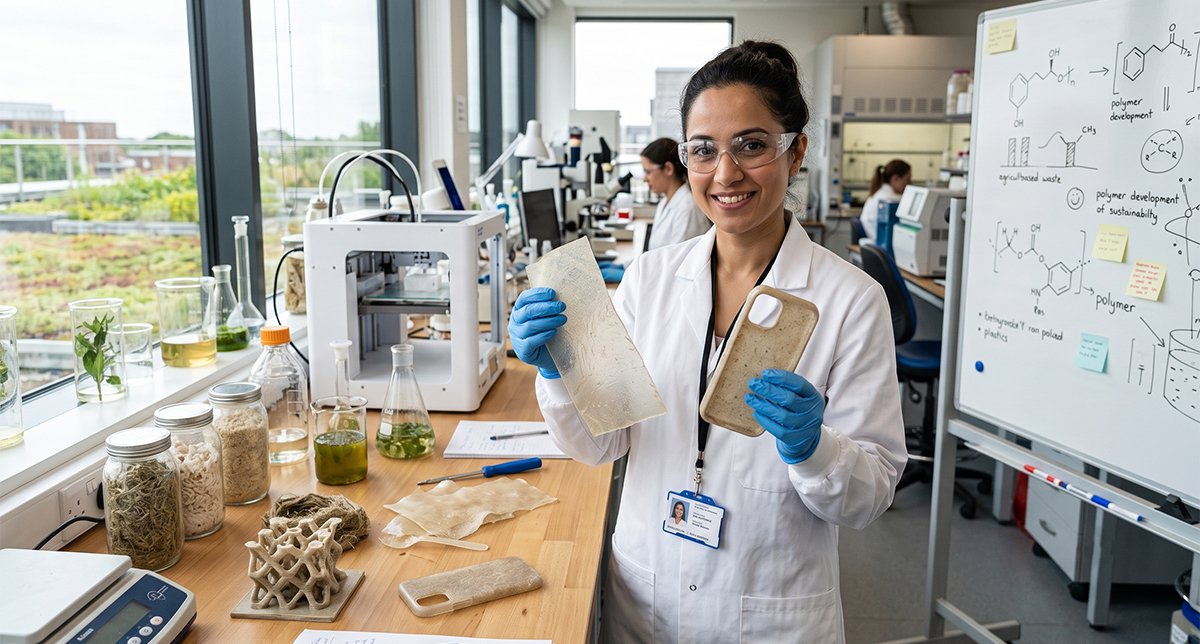
Innovation plays a crucial role in the development of eco-friendly polymers. Continuous research and technological advancements are enabling manufacturers to create materials that meet high-performance standards while remaining environmentally responsible. Companies like Deltora Biopolymers Private Limited are at the forefront of this transformation, offering cutting-edge solutions that align with global sustainability goals. Their commitment to innovation and quality ensures that businesses have access to reliable and eco-conscious materials for various applications.

The shift toward sustainable packaging is also being driven by consumer demand. Modern consumers are more informed and environmentally aware than ever before. They prefer brands that prioritize sustainability and demonstrate a genuine commitment to reducing environmental impact. By using eco-friendly polymers, companies can strengthen their brand image and build trust with their target audience. This not only leads to increased customer loyalty but also opens new market opportunities.

Furthermore, eco-friendly polymers contribute to the concept of a circular economy. This approach focuses on reducing waste, reusing materials, and recycling resources to create a closed-loop system. By integrating eco-friendly polymers into production processes, businesses can move closer to achieving this goal. It allows for more efficient resource utilization and minimizes the environmental impact of industrial activities.

Another important aspect is the role of eco-friendly polymers in reducing carbon footprints. Traditional plastic production involves significant greenhouse gas emissions, contributing to climate change. In contrast, greener polymer alternatives are designed to lower emissions throughout their lifecycle. From raw material sourcing to manufacturing and disposal, these materials support a more sustainable and environmentally responsible approach.

Deltora Biopolymers Private Limited is playing a significant role in promoting sustainable solutions within the industry. By focusing on eco-friendly innovations, the company is helping businesses transition away from harmful materials and adopt greener alternatives. Their expertise and dedication make them a trusted partner for organizations looking to embrace sustainable packaging and production practices.

In conclusion, eco-friendly polymers represent a smarter and more sustainable approach to modern packaging and production. They offer numerous benefits, including reduced environmental impact, improved efficiency, and enhanced brand value. As industries continue to evolve, the adoption of these materials will play a crucial role in shaping a greener future. Companies that invest in eco-friendly solutions today are not only contributing to environmental protection but also positioning themselves for long-term success in a competitive market.

Plastic-Free Future Innovative Green Solutions Transforming Modern Manufacturing

The global manufacturing sector is undergoing a powerful transformation as industries move toward a plastic-free future. With increasing environmental concerns and stricter regulations, traditional plastic materials are no longer seen as sustainable for long-term use. Manufacturers are now embracing innovative green solutions that reduce dependency on plastics while maintaining efficiency, quality, and performance. This shift is not just a trend but a necessary evolution toward more responsible and eco-conscious production practices.

For decades, plastics have played a vital role in manufacturing due to their affordability, durability, and versatility. However, their negative environmental impact—ranging from pollution to excessive waste—has forced industries to rethink their material choices. The accumulation of plastic waste in landfills and oceans has highlighted the urgent need for alternatives that support environmental sustainability without compromising industrial output.

Innovative green solutions are emerging as a viable replacement for traditional plastics. These solutions are designed to align with sustainable practices by reducing waste, lowering emissions, and promoting resource efficiency. Manufacturers are now exploring advanced materials that are eco-friendly, high-performing, and adaptable to various applications. These alternatives are enabling industries to meet production demands while contributing to environmental conservation.

One of the key drivers of this transformation is the growing demand for sustainable manufacturing. Consumers, investors, and regulatory bodies are increasingly prioritizing environmental responsibility. Businesses that fail to adapt risk losing market relevance and facing compliance challenges. By adopting green solutions, manufacturers can align with global sustainability goals and strengthen their position in the competitive market.

The role of innovation in achieving a plastic-free future cannot be overstated. Continuous research and technological advancements are leading to the development of materials that replicate the properties of traditional plastics while offering environmental benefits. These materials provide durability, flexibility, and strength, making them suitable for diverse industrial applications. From packaging and automotive components to electronics and consumer goods, green materials are transforming every aspect of manufacturing.

Another significant advantage of these solutions is their ability to reduce waste generation. Traditional plastic production often results in excess material that is difficult to manage and dispose of. Green alternatives, on the other hand, are designed to support efficient material usage and minimize waste. This not only helps protect the environment but also improves operational efficiency for manufacturers.

Cost efficiency is also a crucial factor driving the adoption of innovative green solutions. While the initial transition may require investment, the long-term benefits are substantial. Reduced waste management costs, improved energy efficiency, and compliance with environmental regulations contribute to overall savings. Additionally, businesses that adopt sustainable practices often gain a competitive edge by attracting environmentally conscious customers and partners.

The concept of a circular economy is closely linked to the idea of a plastic-free future. Instead of following the traditional “use and dispose” model, a circular approach focuses on reusing, recycling, and optimizing resources. Green solutions play a vital role in enabling this transition by providing materials that can be reintegrated into the production cycle. This reduces resource consumption and supports long-term sustainability.

Companies like Deltora Biopolymers Private Limited are leading the way in transforming modern manufacturing through innovative green solutions. By offering advanced materials and sustainable alternatives, they help industries reduce their reliance on traditional plastics. Their commitment to quality and environmental responsibility ensures that businesses can adopt eco-friendly practices without compromising on performance. Deltora Biopolymers Private Limited continues to play a significant role in driving the shift toward a plastic-free future.

Consumer awareness is another important factor influencing this transformation. Today’s consumers are more informed about the environmental impact of their choices and prefer products that align with sustainable values. Manufacturers that adopt green solutions can build stronger connections with their audience, enhance brand reputation, and increase customer loyalty. This growing demand for sustainable products is accelerating the shift away from plastics.

In addition to environmental and economic benefits, green solutions also contribute to reducing carbon emissions. Traditional plastic production involves significant energy consumption and greenhouse gas emissions. By adopting eco-friendly materials and processes, manufacturers can lower their carbon footprint and support global efforts to combat climate change. This not only benefits the planet but also helps businesses meet international sustainability standards.

Deltora Biopolymers Private Limited stands out as a trusted partner for industries looking to embrace sustainable manufacturing. Their innovative approach and focus on eco-conscious materials enable businesses to transition smoothly toward greener practices. By providing reliable and high-quality solutions, they are helping shape a future where manufacturing is both efficient and environmentally responsible.

In conclusion, the journey toward a plastic-free future is reshaping the manufacturing landscape. Innovative green solutions are empowering industries to reduce environmental impact, improve efficiency, and meet evolving market demands. As sustainability becomes a core priority, businesses that invest in eco-friendly alternatives will lead the way in building a cleaner, greener, and more sustainable world.

Green Materials Revolution How Eco-Friendly Alternatives Are Replacing Traditional Plastics

The global conversation around sustainability has intensified in recent years, pushing industries to rethink their dependence on conventional plastics. Once considered indispensable, traditional plastics are now widely recognized for their long-term environmental impact, including pollution, resource depletion, and harm to ecosystems. This growing awareness has sparked a green materials revolution, where eco-friendly alternatives are steadily replacing traditional plastics across various sectors. Businesses that embrace this transformation are not only contributing to environmental protection but also positioning themselves for long-term success.

Traditional plastics have been a cornerstone of industrial development due to their durability, flexibility, and low cost. However, their non-sustainable nature has led to serious environmental challenges. From overflowing landfills to marine pollution, the consequences of excessive plastic use are evident worldwide. As a result, governments, organizations, and consumers are demanding more responsible solutions. This has accelerated the adoption of green materials that offer similar functionality while reducing environmental harm.

Eco-friendly materials are designed to minimize the negative impact associated with conventional plastics. These alternatives are developed using sustainable processes and often incorporate renewable or recycled resources. They are engineered to deliver performance, durability, and adaptability, making them suitable for a wide range of applications. From packaging and manufacturing to healthcare and agriculture, green materials are transforming how industries operate.

One of the most significant areas of change is the packaging industry. Packaging plays a critical role in protecting products, but it has also been a major contributor to plastic waste. Eco-friendly alternatives are helping businesses create packaging solutions that are both effective and environmentally responsible. These materials provide strength and flexibility while reducing reliance on traditional plastics. Companies can now offer sustainable packaging options without compromising product safety or quality.

Another important advantage of green materials is their ability to support waste reduction initiatives. Traditional plastics often end up in landfills or natural environments, where they persist for decades. In contrast, eco-friendly alternatives are designed to align with sustainable waste management practices. They encourage recycling, reuse, and efficient disposal, helping industries reduce their environmental footprint. This shift is essential for creating cleaner and healthier ecosystems.

Cost considerations are also influencing the transition toward eco-friendly materials. While the initial cost of adopting green alternatives may be higher, the long-term benefits are substantial. Businesses can reduce expenses related to waste management, regulatory compliance, and energy consumption. Additionally, sustainable practices often attract environmentally conscious customers, leading to increased brand loyalty and market growth. Investing in green materials is not just an environmental decision—it is a strategic business move.

Innovation is a driving force behind the green materials revolution. Advances in technology and research are enabling the development of materials that meet high-performance standards while remaining environmentally responsible. Companies like Deltora Biopolymers Private Limited are playing a key role in this transformation by providing innovative solutions that help industries transition away from traditional plastics. Their expertise and commitment to sustainability ensure that businesses have access to reliable and efficient eco-friendly materials.

Consumer behavior is also shaping the future of materials. Modern consumers are more aware of environmental issues and prefer products that reflect their values. Brands that adopt eco-friendly alternatives can strengthen their reputation and build trust with their audience. This shift in consumer preference is encouraging companies to rethink their material choices and invest in sustainable solutions.

Furthermore, green materials contribute to the development of a circular economy. This approach focuses on reducing waste, reusing resources, and maintaining materials within the production cycle for as long as possible. By replacing traditional plastics with eco-friendly alternatives, businesses can support this model and create more sustainable production systems. This not only benefits the environment but also enhances operational efficiency.

Reducing carbon emissions is another critical benefit of eco-friendly materials. Traditional plastic production involves significant energy consumption and greenhouse gas emissions. In contrast, green alternatives are designed to lower emissions throughout their lifecycle. By adopting these materials, companies can contribute to climate change mitigation and align with global sustainability goals.

Deltora Biopolymers Private Limited is at the forefront of the green materials revolution, helping businesses adopt sustainable practices through advanced material solutions. Their focus on innovation and environmental responsibility makes them a trusted partner for companies seeking to replace traditional plastics with eco-friendly alternatives. By offering high-quality materials, they enable industries to achieve both performance and sustainability.

In conclusion, the shift from traditional plastics to eco-friendly alternatives marks a significant step toward a more sustainable future. The green materials revolution is transforming industries by reducing environmental impact, improving efficiency, and meeting evolving consumer expectations. Businesses that embrace this change are not only protecting the planet but also gaining a competitive advantage in a rapidly changing market. As innovation continues to drive progress, eco-friendly materials will play a crucial role in shaping a cleaner, greener, and more responsible world.

Emerging Opportunities in India’s Eco-Friendly Products Market

India is witnessing a significant shift toward sustainability as consumers, businesses, and policymakers increasingly prioritize environmentally responsible choices. The eco-friendly products market is expanding rapidly due to rising environmental awareness, government regulations on single-use plastics, and growing demand for sustainable alternatives across industries. From biodegradable packaging to plant-based raw materials and compostable consumer goods, the opportunities in this sector are both diverse and promising.

One of the primary drivers of growth in India’s eco-friendly market is changing consumer behavior. Modern consumers are becoming more conscious about the environmental impact of their purchasing decisions. They prefer products that are recyclable, biodegradable, or made from renewable resources. This shift is particularly visible among urban populations, where sustainability has become a lifestyle choice rather than just a trend. Businesses that adopt eco-friendly practices not only contribute to environmental protection but also gain a competitive advantage by building stronger brand trust and customer loyalty.

Government initiatives have also played a crucial role in accelerating market growth. Policies aimed at reducing plastic waste and promoting sustainable manufacturing are encouraging industries to explore green alternatives. Regulations banning certain types of plastic products have created new opportunities for manufacturers of compostable and biodegradable materials. As compliance becomes mandatory, industries such as retail, food packaging, agriculture, and e-commerce are actively seeking eco-friendly solutions to meet regulatory standards.

Another major opportunity lies in the packaging sector. With the boom in online shopping and food delivery services, packaging waste has increased dramatically. This has created demand for sustainable packaging materials such as compostable carry bags, biodegradable films, and plant-based containers. Companies that innovate in this space are likely to experience strong growth, as businesses aim to reduce their carbon footprint while maintaining product quality and safety. Sustainable packaging not only benefits the environment but also enhances brand reputation in the eyes of environmentally conscious consumers.

Agriculture is another sector where eco-friendly products are gaining momentum. Biodegradable mulch films, compostable plant protection materials, and sustainable agricultural inputs are helping farmers improve productivity while minimizing environmental harm. These solutions reduce soil contamination and support long-term agricultural sustainability. As awareness grows among farmers about the benefits of environmentally friendly agricultural products, demand in this segment is expected to increase significantly.

The raw materials industry is also evolving rapidly with the introduction of biopolymers and plant-based alternatives. These materials are designed to replace conventional plastics while maintaining performance and durability. Research and development in this area are opening new possibilities for applications across multiple industries, including automotive, healthcare, textiles, and consumer goods. Companies like Deltora Biopolymers Private Limited are contributing to this transformation by focusing on innovative sustainable materials that align with global environmental goals.

Small and medium enterprises (SMEs) also have significant opportunities in this market. With relatively lower entry barriers in certain eco-friendly product categories, startups and regional manufacturers can develop niche solutions tailored to local needs. For example, eco-friendly tableware, reusable bags, compostable packaging, and sustainable household products have strong potential in both domestic and export markets. Entrepreneurs who invest in quality and certification standards can establish successful businesses in this growing sector.

Export potential is another important aspect of India’s eco-friendly products market. Many countries are implementing strict environmental regulations, creating demand for sustainable products globally. India, with its strong manufacturing capabilities and cost advantages, is well positioned to become a major exporter of eco-friendly goods. Manufacturers that meet international quality standards and certifications can tap into lucrative global markets, further boosting industry growth.

Technological innovation is expected to shape the future of the eco-friendly products industry. Advanced material science, improved production techniques, and scalable manufacturing processes will help reduce costs and increase accessibility. As sustainable products become more affordable, adoption rates will increase across industries and consumer segments. Organizations such as

Deltora Biopolymers Private Limited are playing an important role by investing in research and development to create next-generation eco-friendly solutions.

Despite the strong growth potential, challenges such as higher initial costs, limited awareness in rural markets, and lack of infrastructure for composting and recycling still exist. However, these challenges also present opportunities for innovation, education, and collaboration between government bodies, businesses, and environmental organizations. With the right strategies, these barriers can be overcome to accelerate adoption.

In conclusion, India’s eco-friendly products market is entering a dynamic growth phase driven by consumer awareness, regulatory support, technological advancements, and global sustainability trends. Businesses that embrace innovation, quality, and environmental responsibility will be well positioned to succeed in this evolving landscape. As sustainability continues to shape the future of industries worldwide, the opportunities in India’s eco-friendly market are not only emerging but expanding at an unprecedented pace.

Why Businesses Are Switching to Sustainable Raw Materials for Manufacturing

Plastic pollution has emerged as one of the most serious environmental threats facing the planet today. Every year, enormous quantities of plastic waste accumulate in landfills, rivers, oceans, and natural habitats, creating long-lasting damage to ecosystems and biodiversity. Conventional plastics, derived primarily from fossil fuels, are highly durable and resistant to natural decomposition, which means they can remain in the environment for centuries. This growing concern has encouraged industries and researchers to seek alternative materials that are both functional and environmentally responsible. Among the most promising solutions are biopolymers, which are rapidly gaining attention for their potential to reduce plastic pollution while supporting sustainable economic growth.

Biopolymers are produced from renewable biological resources such as corn starch, sugarcane, cellulose, and other plant-based materials. Unlike petroleum-based plastics, many biopolymers are designed to biodegrade or compost under appropriate environmental conditions. This characteristic allows them to break down into natural elements without leaving harmful residues behind. As a result, they offer a more sustainable lifecycle compared to traditional plastics, helping to minimize waste accumulation and environmental contamination. With growing awareness about sustainability, industries across the world are adopting biopolymers in applications ranging from packaging and agriculture to healthcare and consumer products.

The packaging sector represents one of the most important areas where biopolymers are making a meaningful difference. Single-use packaging materials contribute significantly to global plastic waste, especially in food delivery, retail, and e-commerce industries. By transitioning to biopolymer-based packaging solutions, companies can reduce their dependence on conventional plastics while meeting environmental regulations and consumer expectations. Compostable carry bags, biodegradable films, and plant-based containers are becoming increasingly popular as businesses aim to adopt greener practices. Organizations such as Deltora Biopolymers Private Limited are actively supporting this shift by developing advanced eco-friendly materials that serve as effective alternatives to traditional plastic products.

Biopolymers also contribute to the development of a circular economy, which focuses on reducing waste through reuse, recycling, and resource recovery. Instead of following the traditional linear model of production and disposal, biopolymer-based products can be integrated into composting systems, where they break down alongside organic waste. The resulting compost can then be used to enrich soil and support agricultural productivity, creating a sustainable loop of resource utilization. This approach not only reduces landfill pressure but also supports environmentally responsible waste management practices.

Another important benefit of biopolymers is their ability to lower greenhouse gas emissions. Since they are derived from renewable plant sources, the raw materials used in biopolymer production absorb carbon dioxide during growth. This natural carbon absorption partially offsets emissions generated during manufacturing, resulting in a lower overall carbon footprint compared to fossil-based plastics. By adopting biopolymers, industries can contribute to climate change mitigation efforts while addressing plastic pollution challenges simultaneously.

Agriculture is another sector where biopolymers are proving highly beneficial. Traditional plastic mulch films and agricultural coverings often remain in soil long after use, causing contamination and disposal difficulties. Biodegradable alternatives made from biopolymers eliminate these concerns because they naturally decompose over time. Farmers can improve crop productivity while reducing environmental impact, making sustainable agriculture more achievable. Companies like Deltora Biopolymers Private Limited are playing an important role in providing innovative solutions that support both agricultural efficiency and environmental conservation.

The healthcare sector is also exploring opportunities for biopolymer adoption. Hospitals and medical facilities generate significant plastic waste through disposable packaging, protective equipment, and single-use medical supplies. Biodegradable materials offer a practical way to reduce this environmental burden without compromising hygiene or safety standards. As research continues, more medical-grade biopolymer applications are expected to emerge, contributing to greener healthcare practices.

Despite their advantages, biopolymers still face certain challenges. Production costs can be higher than traditional plastics, and composting infrastructure is not yet widely available in all regions. Additionally, consumer awareness regarding proper disposal methods remains limited, which can reduce the effectiveness of biodegradable products. However, ongoing technological advancements, government policies supporting sustainability, and increased industry investment are gradually overcoming these barriers. As production volumes increase, costs are expected to decrease, making biopolymers more accessible for widespread use.

Innovation remains the driving force behind the growth of the biopolymer industry. Researchers are continuously developing materials with enhanced durability, flexibility, and performance characteristics to meet diverse industrial needs. These advancements are expanding the potential applications of biopolymers beyond packaging into sectors such as automotive, textiles, electronics, and construction. The future of sustainable materials is closely linked to continued research and collaboration between manufacturers, policymakers, and environmental organizations.

In conclusion, biopolymers are playing a transformative role in addressing the global plastic pollution crisis by offering renewable, biodegradable, and environmentally responsible alternatives to conventional plastics. Their ability to support circular economy practices, reduce carbon emissions, and minimize long-term waste makes them an essential component of sustainable development. As industries and consumers increasingly prioritize environmental responsibility, the adoption of biopolymers will continue to grow, paving the way for a cleaner and more sustainable future for generations to come.