
Why Eco-Friendly Packaging Is Becoming a Competitive Advantage for Modern Brands

In today’s business landscape, packaging is much more than a way to protect products during storage and transportation. It has become an important part of a brand’s identity, customer experience, and sustainability strategy. As environmental awareness continues to grow, consumers are paying closer attention to the materials companies use to package their products.

Eco-friendly packaging has evolved from being a niche concept into a valuable competitive advantage. Businesses that adopt sustainable packaging solutions not only reduce their environmental impact but also strengthen customer trust, improve brand reputation, and prepare for changing market demands. Companies across industries are recognizing that investing in sustainable packaging is both an environmental responsibility and a smart business decision.

Deltora Biopolymers Private Limited supports the growing shift toward environmentally responsible packaging by encouraging the adoption of sustainable material solutions that help businesses balance product performance with environmental protection.

What Is Eco-Friendly Packaging?

Eco-friendly packaging refers to packaging materials designed to reduce environmental impact throughout their lifecycle. These materials are often made from renewable, recyclable, biodegradable, or compostable resources and are intended to minimize waste after use.

Unlike conventional plastic packaging, sustainable alternatives are developed with environmental responsibility in mind while maintaining durability, product safety, and functionality.

Common examples include:

  • Compostable packaging
  • Biodegradable materials
  • Paper-based packaging
  • Plant-based biopolymers
  • Recyclable packaging materials
  • Reusable containers
  • Fiber-based packaging solutions

Selecting the right packaging depends on the product, industry requirements, transportation needs, and customer expectations.

Why Consumer Expectations Are Changing

Consumers today are more informed about environmental issues than ever before. Many actively seek brands that demonstrate genuine sustainability efforts rather than focusing solely on price.

Several factors are driving this shift:

  • Growing awareness of plastic pollution
  • Increased interest in sustainable living
  • Government initiatives promoting waste reduction
  • Demand for environmentally responsible brands
  • Greater access to information through digital platforms

As purchasing decisions increasingly reflect environmental values, packaging has become an important factor influencing consumer trust.

How Eco-Friendly Packaging Creates a Competitive Advantage

Builds Stronger Brand Reputation

A company’s packaging often creates the first physical interaction customers have with a product. Sustainable packaging sends a positive message that the business values environmental responsibility.

Brands that consistently demonstrate sustainability are more likely to earn customer confidence and strengthen their market reputation.

Attracts Environmentally Conscious Customers

Many customers actively compare brands based on their environmental practices.

Businesses using eco-friendly packaging often appeal to consumers who prioritize sustainability and are willing to support companies making responsible choices.

This growing customer segment represents a significant opportunity for long-term business growth.

Differentiates Products in Competitive Markets

Many industries offer similar products, making brand differentiation increasingly important.

Eco-friendly packaging provides an additional reason for customers to choose one brand over another by demonstrating innovation and corporate responsibility.

Sustainable packaging can become an important part of a company’s overall brand identity.

Improves Customer Loyalty

Customers who appreciate a company’s environmental commitment are often more likely to make repeat purchases.

Positive experiences with sustainable packaging contribute to stronger emotional connections between brands and consumers, encouraging long-term loyalty.

Environmental Benefits

Reduces Plastic Waste

Replacing conventional plastic packaging with sustainable alternatives helps reduce waste entering landfills, oceans, and natural ecosystems.

Lower plastic consumption contributes to cleaner communities and healthier environments.

Conserves Natural Resources

Many eco-friendly packaging materials are produced using renewable resources or recycled content, reducing dependence on finite raw materials.

Responsible resource management supports long-term environmental sustainability.

Supports Lower Carbon Emissions

Sustainable manufacturing processes often require fewer resources and less energy compared to traditional plastic production.

Reducing energy consumption helps lower greenhouse gas emissions and supports climate change mitigation efforts.

Encourages Responsible Disposal

Many sustainable packaging materials are designed for recycling, composting, or reuse, making waste management more effective and environmentally friendly.

This helps reduce the overall environmental footprint of products throughout their lifecycle.

Business Benefits Beyond Sustainability

Better Compliance with Environmental Regulations

Governments around the world continue introducing regulations aimed at reducing plastic waste and encouraging sustainable manufacturing.

Businesses adopting eco-friendly packaging are better prepared to meet evolving legal requirements while minimizing compliance risks.

Increased Business Opportunities

Retailers, distributors, and corporate buyers increasingly prefer suppliers that demonstrate strong sustainability practices.

Using environmentally responsible packaging can improve eligibility for partnerships and supply agreements with organizations committed to sustainability.

Enhanced Corporate Image

Environmental responsibility has become an important component of corporate social responsibility initiatives.

Companies using sustainable packaging often strengthen relationships with investors, stakeholders, and business partners who value responsible business practices.

Long-Term Cost Efficiency

Although sustainable packaging may require an initial investment, businesses often benefit from reduced material waste, improved resource efficiency, optimized logistics, and enhanced operational performance over time.

Continuous innovation is also making sustainable materials more affordable and widely available.

Industries Leading the Adoption of Sustainable Packaging

Eco-friendly packaging is becoming increasingly common across numerous industries.

Food and Beverage

Restaurants, cafés, food manufacturers, and delivery services are replacing traditional plastic containers with compostable and biodegradable alternatives.

Retail and E-Commerce

Online retailers are reducing unnecessary packaging while introducing recyclable mailers, paper-based cushioning, and biodegradable packaging materials.

Healthcare

Medical product manufacturers are exploring environmentally responsible packaging solutions that maintain strict safety and quality standards.

Cosmetics and Personal Care

Beauty brands are introducing refillable packaging, recyclable containers, and plant-based materials to reduce environmental impact.

Consumer Goods

Manufacturers are redesigning product packaging using renewable materials while improving recyclability and reducing waste generation.

Key Considerations When Transitioning

Businesses planning to adopt eco-friendly packaging should evaluate:

  • Product protection requirements
  • Material durability
  • Customer expectations
  • Transportation conditions
  • Sustainability certifications
  • Cost-effectiveness
  • Disposal methods
  • Supplier reliability

Careful planning helps ensure that sustainable packaging supports both environmental and business objectives.

The Role of Innovation

Technological advancements continue to improve the quality and performance of sustainable packaging materials.

Modern biopolymers, advanced compostable materials, and innovative manufacturing processes provide businesses with environmentally responsible alternatives that meet demanding commercial requirements.

Automation, smart manufacturing, and material science are also helping companies improve production efficiency while reducing environmental impact.

Looking Toward the Future

The demand for sustainable packaging will continue to grow as consumers, governments, and businesses place greater emphasis on environmental responsibility.

Organizations that invest in eco-friendly packaging today will be better prepared to meet future market expectations while strengthening their competitive position.

Deltora Biopolymers Private Limited believes that sustainable packaging plays an essential role in creating a cleaner environment while helping businesses build stronger brands. By supporting environmentally responsible material innovation, companies can contribute to long-term sustainability without compromising product quality or operational performance.

Conclusion

Eco-friendly packaging is no longer simply an environmental initiative—it has become a strategic business advantage. Companies that adopt sustainable packaging solutions can improve brand reputation, attract environmentally conscious customers, strengthen regulatory compliance, and support long-term growth.

As sustainability continues to shape consumer preferences and business strategies, organizations that embrace innovative packaging solutions will be better positioned to succeed in an increasingly competitive marketplace. Investing in eco-friendly packaging is an investment in both business success and a healthier future for the planet.
The Role of Circular Economy in Reducing Plastic Waste and Building a Sustainable Future

The growing concern over plastic pollution has encouraged businesses, governments, and consumers to rethink the way products are designed, manufactured, used, and disposed of. Traditional production models often follow a linear approach—take resources, produce goods, use them, and then discard them. While this model has supported industrial growth for decades, it has also contributed significantly to resource depletion and environmental pollution.

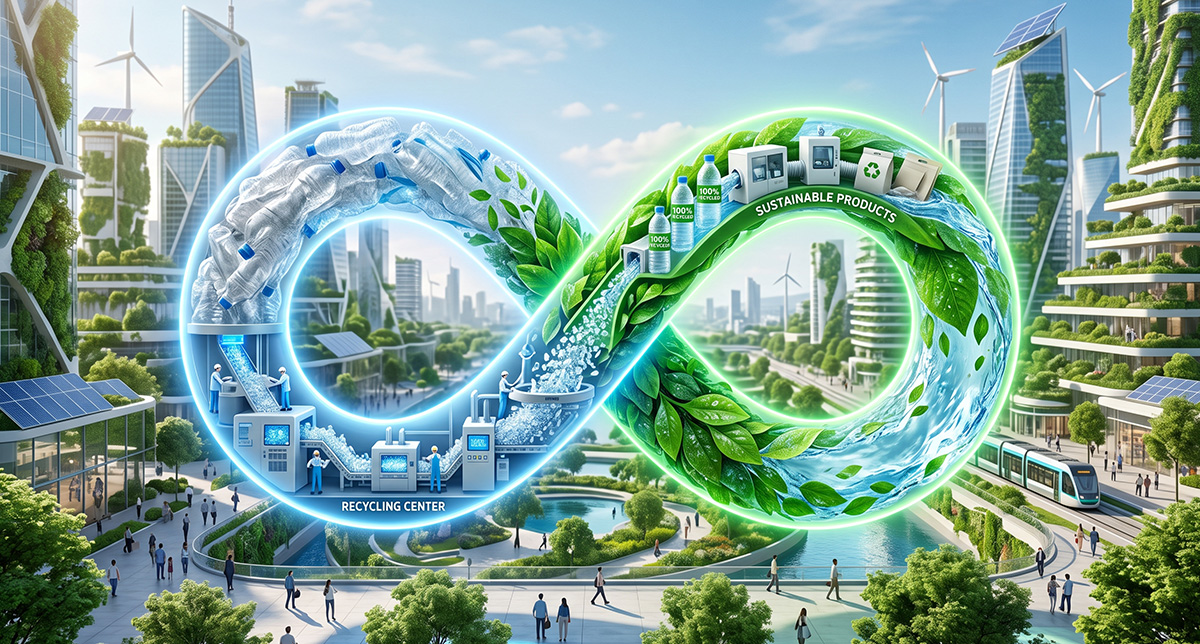
The circular economy offers a more sustainable alternative. Instead of treating products as disposable, it focuses on keeping materials in use for as long as possible through reuse, recycling, repair, and responsible material recovery. This approach not only helps reduce plastic waste but also creates long-term economic and environmental benefits.

Deltora Biopolymers Private Limited recognizes the importance of sustainable material innovation in supporting circular economy principles and helping industries move toward more environmentally responsible manufacturing practices.

What Is a Circular Economy?

A circular economy is an economic system designed to minimize waste while maximizing the value of resources. Unlike the traditional linear model, a circular economy encourages businesses to design products that can be reused, recycled, composted, or repurposed at the end of their lifecycle.

The goal is to extend the usefulness of materials, reduce dependence on virgin resources, and minimize environmental impact.

The key principles of a circular economy include:

  • Designing products for durability and reuse
  • Reducing unnecessary waste
  • Recycling valuable materials
  • Using renewable and sustainable resources
  • Encouraging responsible consumption
  • Recovering materials for future production

These principles help create a more efficient and sustainable production system.

Why Plastic Waste Is a Global Challenge

Plastic has become an essential material across many industries because it is lightweight, durable, and affordable. However, conventional plastics often remain in the environment for hundreds of years after disposal.

Plastic waste contributes to:

  • Landfill overcrowding
  • Ocean pollution
  • Harm to wildlife
  • Soil contamination
  • Increased greenhouse gas emissions
  • Resource depletion

As global plastic consumption continues to rise, finding sustainable solutions has become increasingly important.

How the Circular Economy Helps Reduce Plastic Waste

Promotes Better Product Design

One of the biggest advantages of the circular economy is encouraging manufacturers to design products that generate less waste.

Businesses focus on:

  • Using fewer raw materials
  • Improving product durability
  • Simplifying recycling processes
  • Selecting sustainable materials
  • Reducing unnecessary packaging

Better design leads to longer product lifecycles and lower environmental impact.

Encourages Material Recovery

Instead of sending products directly to landfills, circular economy systems recover valuable materials for future use.

Recovered materials may be:

  • Recycled into new products
  • Repurposed for different applications
  • Processed into industrial raw materials
  • Composted where appropriate

This reduces the demand for new natural resources while minimizing waste generation.

Supports Sustainable Materials

Replacing conventional plastics with environmentally responsible alternatives plays an important role in building a circular economy.

Biopolymers, biodegradable materials, recyclable products, and compostable packaging help reduce the long-term environmental burden associated with single-use plastics.

These materials offer businesses opportunities to improve sustainability without compromising product performance.

Benefits for Businesses

Improved Resource Efficiency

Using materials more efficiently reduces production waste and lowers operating costs.

Businesses can optimize manufacturing processes by minimizing unnecessary material consumption and improving production planning.

Enhanced Brand Value

Customers increasingly support companies committed to environmental responsibility.

Businesses embracing circular economy practices often strengthen their reputation by demonstrating sustainability leadership and corporate responsibility.

A positive environmental image also improves customer loyalty and long-term brand trust.

Regulatory Readiness

Many countries continue introducing policies aimed at reducing plastic waste and promoting sustainable manufacturing.

Companies adopting circular economy principles are better prepared to meet evolving environmental regulations while reducing compliance risks.

Greater Innovation

The circular economy encourages businesses to rethink product development, manufacturing techniques, and material selection.

Innovation often leads to improved products, more efficient operations, and new market opportunities.

Environmental Benefits

Less Plastic Pollution

Recovering, recycling, and replacing conventional plastics significantly reduces the amount of waste entering landfills, rivers, and oceans.

Lower plastic pollution helps protect ecosystems and wildlife.

Conservation of Natural Resources

Using recycled and renewable materials reduces dependence on finite natural resources.

Efficient resource management supports long-term environmental sustainability while preserving valuable materials for future generations.

Lower Carbon Emissions

Producing materials from recovered resources often requires less energy than manufacturing products from virgin raw materials.

Reduced energy consumption contributes to lower greenhouse gas emissions and supports climate change mitigation efforts.

Healthier Ecosystems

Reducing plastic waste improves soil quality, protects marine habitats, and supports biodiversity.

Cleaner environments also contribute to healthier communities and improved public well-being.

Industries Embracing Circular Economy Practices

Many sectors are successfully integrating circular economy principles into their operations.

Packaging Industry

Businesses are redesigning packaging using recyclable, reusable, and compostable materials to reduce waste throughout the supply chain.

Food and Beverage

Restaurants and food manufacturers are adopting sustainable packaging solutions and reducing single-use plastic consumption.

Agriculture

Agricultural businesses are introducing biodegradable films, compostable products, and sustainable farming materials.

Consumer Goods

Manufacturers are designing products that use recycled materials while making packaging easier to recycle or compost.

Manufacturing

Industrial companies are optimizing production processes to recover materials, reduce waste, and improve overall efficiency.

Practical Steps Businesses Can Take

Organizations looking to support the circular economy can begin by:

  • Reducing unnecessary plastic usage
  • Selecting sustainable raw materials
  • Improving product design
  • Investing in recyclable packaging
  • Supporting waste recovery initiatives
  • Working with environmentally responsible suppliers
  • Educating employees about sustainability
  • Measuring environmental performance regularly

Even small improvements can contribute to significant environmental benefits over time.

The Role of Innovation

Technology continues to strengthen circular economy initiatives.

Advanced manufacturing systems, artificial intelligence, automation, and data analytics help businesses:

  • Monitor material usage
  • Reduce production waste
  • Improve recycling efficiency
  • Optimize supply chains
  • Enhance product quality

Innovation also supports the development of advanced biopolymers and sustainable materials capable of replacing conventional plastics across multiple industries.

Looking Toward a Sustainable Future

As environmental awareness continues to grow, businesses that embrace circular economy principles will be better positioned for long-term success.

Consumers increasingly expect companies to reduce waste, improve sustainability, and operate responsibly. Governments are also encouraging environmentally friendly manufacturing through new regulations and sustainability initiatives.

Deltora Biopolymers Private Limited believes that sustainable materials and responsible manufacturing practices are essential components of a circular economy. By helping businesses transition toward environmentally friendly alternatives, the company supports a future where economic growth and environmental protection go hand in hand.

Conclusion

The circular economy represents a smarter and more sustainable way of producing and consuming goods. By keeping materials in use, reducing plastic waste, conserving natural resources, and encouraging innovation, businesses can create lasting environmental and economic value.

Organizations that adopt circular economy principles today are not only reducing their environmental impact but also preparing for a future where sustainability is a key driver of business success. Through responsible manufacturing, thoughtful product design, and the use of sustainable materials, industries can play a vital role in building a cleaner, greener, and more resilient world.

How Businesses Can Transition from Traditional Plastics to Sustainable Alternatives

As environmental concerns continue to influence consumer choices and government policies, businesses are increasingly looking for ways to reduce their dependence on traditional plastics. From retail and food packaging to agriculture and manufacturing, organizations across industries are exploring sustainable alternatives that help minimize environmental impact without compromising product quality or performance.

Transitioning away from conventional plastics may seem challenging at first, but with proper planning, the right materials, and a long-term sustainability strategy, businesses can successfully make the shift. Companies that embrace eco-friendly solutions today are better prepared to meet changing market expectations while building stronger, more responsible brands.

Deltora Biopolymers Private Limited supports the growing movement toward sustainable manufacturing by promoting innovative material solutions that help businesses reduce their environmental footprint while maintaining operational efficiency.

Why Traditional Plastics Are Becoming a Concern

Traditional plastics have been widely used for decades because they are lightweight, durable, and cost-effective. However, their environmental impact has become a global challenge. Many conventional plastic products take hundreds of years to decompose, contributing to landfill overflow, ocean pollution, and harm to wildlife.

Increasing awareness among consumers, governments, and industries has accelerated the demand for environmentally responsible alternatives that offer similar functionality while reducing long-term environmental damage.

Understanding Sustainable Alternatives

Sustainable alternatives are materials designed to reduce environmental impact throughout their lifecycle. These materials are often derived from renewable resources, designed for compostability, recyclability, or biodegradability, depending on their intended application.

Some commonly used sustainable materials include:

  • Biopolymers
  • Compostable packaging materials
  • Plant-based plastics
  • Paper-based packaging
  • Molded fiber products
  • Recyclable polymers
  • Natural fiber composites

Choosing the right material depends on product requirements, industry regulations, durability, and disposal methods.

Benefits of Transitioning to Sustainable Materials

Improved Brand Reputation

Consumers increasingly prefer businesses that demonstrate environmental responsibility. Companies adopting sustainable packaging and products often gain greater customer trust and strengthen their brand image.

A commitment to sustainability can also differentiate businesses from competitors in crowded markets.

Meeting Customer Expectations

Today’s customers are more informed about environmental issues than ever before. Many actively seek products with eco-friendly packaging and sustainable materials.

Businesses that respond to these expectations can improve customer satisfaction and build long-term loyalty.

Better Regulatory Preparedness

Many countries and regions continue introducing policies aimed at reducing plastic waste. Businesses that begin transitioning now are better positioned to comply with future regulations and industry standards.

Early adoption helps organizations avoid last-minute operational changes.

Long-Term Cost Efficiency

Although the initial investment may be higher in some cases, sustainable manufacturing often leads to long-term savings through improved resource efficiency, reduced waste, optimized production processes, and lower disposal costs.

Steps for a Successful Transition

Evaluate Current Plastic Usage

The first step is identifying where traditional plastics are used throughout operations. Businesses should analyze packaging, manufacturing processes, transportation materials, and product components.

Understanding current usage helps prioritize areas where sustainable alternatives can be introduced effectively.

Set Clear Sustainability Goals

Establish measurable objectives that align with business priorities.

Examples include:

  • Reducing plastic usage by a specific percentage
  • Increasing recyclable packaging
  • Introducing biodegradable product lines
  • Improving waste management systems

Clear goals help track progress and guide future investments.

Select the Right Sustainable Materials

Different industries require different material properties. Businesses should evaluate alternatives based on:

  • Product durability
  • Moisture resistance
  • Food safety requirements
  • Manufacturing compatibility
  • Environmental performance
  • End-of-life disposal

Selecting materials that meet both functional and sustainability requirements is essential for long-term success.

Work with Reliable Material Suppliers

Partnering with experienced sustainable material manufacturers helps businesses access innovative products, technical expertise, and consistent material quality.

Reliable suppliers also assist with product testing, certifications, and implementation planning.

Train Employees

Employees play an important role in successful implementation. Training production teams, procurement departments, and quality control staff ensures everyone understands new materials, manufacturing processes, and sustainability objectives.

Well-informed teams help reduce operational challenges during the transition.

Monitor Performance

After implementing sustainable materials, businesses should continuously monitor product quality, customer feedback, production efficiency, and environmental performance.

Regular evaluation allows companies to identify improvement opportunities and refine their sustainability strategies over time.

Industries Leading the Transition

Many sectors are already adopting sustainable alternatives to traditional plastics.

Food and Beverage

Restaurants, food manufacturers, and delivery services increasingly use compostable containers, biodegradable cutlery, and eco-friendly packaging.

Retail and E-Commerce

Retailers are replacing plastic shopping bags, packaging films, and shipping materials with recyclable and compostable alternatives.

Agriculture

Agricultural businesses are adopting biodegradable mulch films, compostable nursery products, and environmentally friendly packaging.

Healthcare

Medical packaging manufacturers are exploring sustainable materials while maintaining strict safety and quality standards.

Consumer Goods

Many brands are redesigning packaging using renewable materials to meet growing consumer demand for environmentally responsible products.

Common Challenges During Transition

Businesses may encounter several obstacles when replacing conventional plastics.

These include:

  • Initial investment costs
  • Material compatibility with existing machinery
  • Supplier availability
  • Consumer education
  • Product performance testing
  • Certification requirements

However, careful planning and phased implementation can significantly reduce these challenges.

The Importance of Innovation

Technological advancements continue to improve the performance of sustainable materials. Modern biopolymers provide excellent strength, flexibility, and processing capabilities suitable for numerous industrial applications.

Automation, material science, and advanced manufacturing technologies are making eco-friendly solutions more practical and cost-effective than ever before.

Innovation also enables businesses to continuously improve sustainability while maintaining high-quality production standards.

Supporting a Circular Economy

Transitioning to sustainable alternatives supports the principles of a circular economy, where materials remain in use for as long as possible through reuse, recycling, composting, and responsible disposal.

This approach helps reduce waste generation, conserve natural resources, and create more sustainable production systems.

Businesses embracing circular economy practices contribute to long-term environmental protection while improving operational resilience.

Looking Ahead

The demand for sustainable materials will continue to grow as environmental awareness, consumer expectations, and regulatory requirements evolve. Businesses that begin transitioning today will be better prepared for future market changes and emerging opportunities.

Deltora Biopolymers Private Limitedbelieves that replacing traditional plastics with innovative sustainable alternatives is an important step toward building a cleaner, greener future. Through environmentally responsible material solutions, businesses can improve operational efficiency while making a meaningful contribution to global sustainability.

Conclusion

Transitioning from traditional plastics to sustainable alternatives is no longer simply an environmental initiative—it has become a strategic business decision. Companies that invest in eco-friendly materials can strengthen their brand reputation, meet customer expectations, improve regulatory compliance, and support long-term growth.

By adopting sustainable manufacturing practices, selecting the right materials, and continuously embracing innovation, businesses can successfully reduce their environmental impact while remaining competitive in an increasingly sustainability-focused world.

How Green Manufacturing Practices Benefit Businesses and the Environment

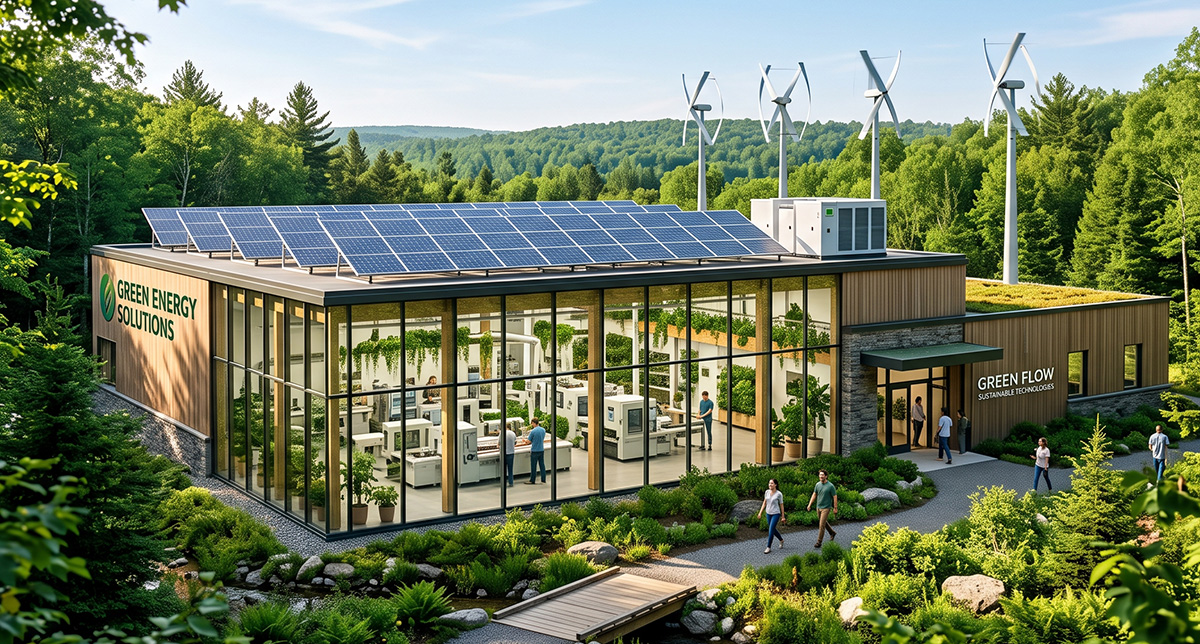
Sustainability is no longer just a trend—it has become a business necessity. As industries face growing environmental challenges, manufacturers are looking for smarter ways to reduce waste, conserve resources, and produce high-quality products with a lower environmental impact. Green manufacturing has emerged as a practical solution that benefits both businesses and the planet. By adopting eco-friendly production methods, companies can improve operational efficiency, strengthen their reputation, and contribute to a healthier future.

Deltora Biopolymers Private Limitedbelieves that sustainable manufacturing is an important step toward reducing environmental impact while supporting innovation in modern industries. Businesses that embrace green practices today are better positioned to meet evolving customer expectations and regulatory requirements in the years ahead.

What Is Green Manufacturing?

Green manufacturing refers to the process of designing, producing, and distributing products using methods that minimize environmental harm. The goal is to reduce pollution, conserve energy, use sustainable raw materials, and limit waste throughout the manufacturing lifecycle.

Unlike traditional manufacturing, green manufacturing focuses on balancing productivity with environmental responsibility. It encourages companies to think beyond production costs and consider the long-term impact of their operations.

Why Green Manufacturing Matters

Industrial production plays a significant role in global economic growth, but it also contributes to carbon emissions, resource depletion, and waste generation. Green manufacturing addresses these concerns by promoting responsible production practices.

Some key objectives include:

  • Reducing greenhouse gas emissions
  • Conserving natural resources
  • Improving energy efficiency
  • Minimizing industrial waste
  • Encouraging recyclable and biodegradable materials
  • Supporting long-term sustainability

These efforts create value not only for businesses but also for customers, communities, and future generations.

Benefits for Businesses

Improved Operational Efficiency

Green manufacturing often encourages businesses to optimize production processes. Efficient machinery, better resource planning, and waste reduction can lower operating costs while increasing productivity.

Small improvements in energy usage, water consumption, and raw material management can produce substantial long-term savings.

Stronger Brand Reputation

Consumers are increasingly choosing companies that demonstrate environmental responsibility. Businesses that invest in sustainable manufacturing often earn greater customer trust and loyalty.

A positive environmental image can also strengthen relationships with investors, partners, and stakeholders who value responsible business practices.

Better Regulatory Compliance

Environmental regulations continue to evolve across many industries. Companies adopting green manufacturing practices are generally better prepared to meet compliance requirements and adapt to future environmental standards.

This proactive approach helps reduce legal risks and avoids potential penalties.

Increased Market Opportunities

Many organizations now prefer suppliers that follow sustainable manufacturing practices. Green manufacturing can open doors to new partnerships, government projects, and environmentally conscious markets.

Companies that prioritize sustainability often gain a competitive advantage over businesses relying solely on conventional production methods.

Environmental Benefits

Reduced Waste Generation

Waste reduction is one of the primary goals of green manufacturing. Efficient production planning helps minimize scrap materials while encouraging recycling and reuse wherever possible.

Lower waste generation reduces landfill dependency and protects surrounding ecosystems.

Lower Carbon Footprint

Energy-efficient equipment and cleaner production technologies contribute to lower greenhouse gas emissions. Reducing carbon emissions helps combat climate change while improving overall environmental performance.

Many manufacturers are also exploring renewable energy sources to further decrease their environmental impact.

Conservation of Natural Resources

Green manufacturing emphasizes responsible resource management. Using renewable or sustainable raw materials helps preserve forests, minerals, water, and other valuable natural resources.

Efficient resource utilization also ensures that future generations can benefit from these essential materials.

Cleaner Air and Water

Reducing industrial emissions and improving waste management contribute to better air and water quality. Cleaner manufacturing processes protect both the environment and the health of nearby communities.

Key Green Manufacturing Practices

Businesses can adopt several practical strategies to improve sustainability:

Energy-Efficient Production

Modern machinery consumes less electricity while maintaining high production standards. Upgrading equipment and monitoring energy usage can significantly improve efficiency.

Sustainable Raw Materials

Selecting renewable, biodegradable, or responsibly sourced materials reduces dependence on traditional resources and supports environmentally friendly production.

Waste Recycling Programs

Manufacturing facilities can recycle production waste, packaging materials, and unused resources instead of sending them to landfills.

Water Conservation

Efficient water management systems reduce consumption during manufacturing while promoting recycling and reuse of industrial water wherever possible.

Eco-Friendly Packaging

Sustainable packaging solutions reduce plastic waste and improve environmental performance throughout the supply chain.

The Role of Innovation

Technology continues to transform sustainable manufacturing. Artificial intelligence, automation, smart sensors, and data analytics help manufacturers monitor resource consumption and identify opportunities for improvement.

Digital manufacturing systems can detect inefficiencies in real time, allowing businesses to reduce waste, optimize production schedules, and improve product quality simultaneously.

Innovation also supports the development of advanced biodegradable materials, recyclable products, and environmentally responsible production techniques.

Supporting a Circular Economy

Green manufacturing aligns closely with the principles of a circular economy. Instead of following the traditional “produce, use, and dispose” model, businesses focus on extending product life cycles through reuse, recycling, and responsible disposal.

This approach reduces waste while maximizing the value of raw materials throughout the production process.

Companies that support circular economy principles contribute to a more sustainable industrial ecosystem.

Looking Ahead

As environmental awareness continues to grow, green manufacturing will become an even more important business strategy. Organizations that invest in sustainable production today are preparing themselves for changing consumer expectations, stricter regulations, and future market opportunities.

Deltora Biopolymers Private Limited recognizes that innovation and sustainability go hand in hand. By encouraging environmentally responsible manufacturing practices, businesses can improve efficiency, reduce environmental impact, and create lasting value for customers and society.

Conclusion

Green manufacturing offers meaningful advantages for businesses and the environment alike. From reducing waste and conserving resources to strengthening brand reputation and improving operational efficiency, sustainable production practices provide long-term benefits that extend far beyond the factory floor.

As industries continue their transition toward more responsible manufacturing, organizations that embrace sustainability will be better equipped to achieve lasting success while protecting the planet. Green manufacturing is not simply an environmental initiative—it is a smart business strategy that supports innovation, resilience, and sustainable growth for generations to come.