
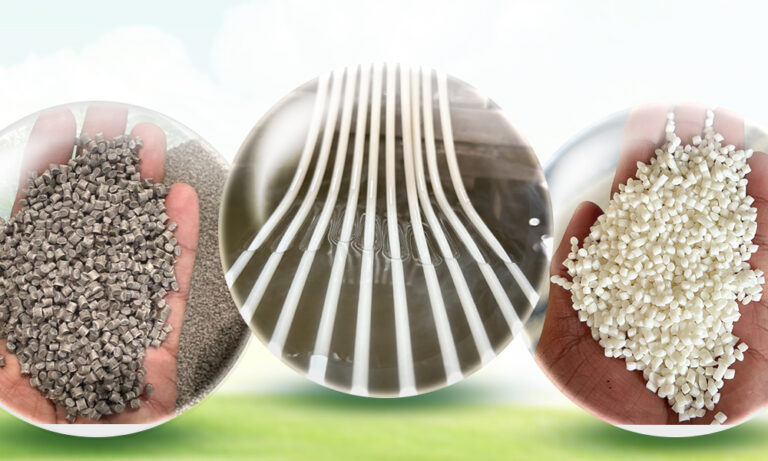
As the global economy increasingly shifts toward sustainability, businesses across industries are rethinking their material choices. From packaging to consumer goods, the push for eco-friendly alternatives has never been stronger. In this transformative era, certified compostable materials in India are emerging as a game-changer, enabling manufacturers to align environmental responsibility with product innovation.
These materials are designed to break down naturally in composting environments, leaving no toxic residue behind. More importantly, certification ensures that these products meet stringent environmental and safety standards. India, with its rapidly growing focus on sustainability and circular economy models, is witnessing an impressive rise in demand for such certified alternatives.
What Are Certified Compostable Materials?
Certified compostable materials are biodegradable substances that decompose completely into natural elements like carbon dioxide, water, and biomass within a specific period under composting conditions. The key difference between “biodegradable” and “certified compostable” is that certification validates performance under standardized conditions. These certifications—such as those provided by BIS, TUV Austria, or OK Compost—ensure the material meets global environmental standards.
In the Indian context, the Central Pollution Control Board (CPCB) and the Bureau of Indian Standards (BIS) regulate these certifications. A certified compostable product in India must meet the IS/ISO 17088 standards for compostability and biodegradability.
Why Manufacturers Are Switching to Compostable Materials
- Regulatory Compliance
With rising environmental concerns, India has implemented strict regulations against single-use plastic and non-recyclable materials. Manufacturers are now required to adopt alternatives that comply with environmental laws. Certified compostable materials provide a legally sound and forward-looking solution. - Brand Image and Market Demand
Modern consumers are increasingly conscious about what they purchase. Brands that align with sustainability trends attract more loyalty and visibility. Using compostable materials not only reduces environmental harm but also strengthens a company’s brand image. - Better End-of-Life Management
Unlike conventional plastics, certified compostable materials do not pollute soil or water. They offer better end-of-life value by contributing to compost systems and circular economies. - Versatility and Innovation
Compostable materials are now available in various forms—films, sheets, pellets, molded products, and more—making them suitable for industries such as food packaging, retail, agriculture, and personal care.
Key Sectors Benefiting from Certified Compostable Materials
- Food Packaging: Compostable trays, containers, and wraps offer safe and eco-friendly alternatives for takeaways and deliveries.
- Retail & E-commerce: Compostable courier bags, shopping bags, and garment packaging are becoming popular among fashion and lifestyle brands.
- Agriculture: Mulch films and seed trays made of compostable material reduce microplastic contamination in soil.
- Medical Supplies: Compostable gloves, syringes, and packaging for pharmaceuticals are making inroads in hospitals and healthcare units.
Deltora Biopolymers Private Limited – A Trusted Name in Compostable Innovation
One of the companies at the forefront of this green revolution is Deltora Biopolymers Private Limited. With a mission to replace harmful plastics with nature-based alternatives, Deltora specializes in high-quality certified compostable materials that meet international benchmarks.
The company offers a wide range of compostable solutions for food packaging, industrial use, agriculture, and retail. What sets Deltora apart is their commitment to product integrity, certified quality, and environmental sustainability. Their research-backed approach ensures that manufacturers get access to materials that perform reliably without compromising on eco-compliance.
Deltora Biopolymers Private Limited has also invested in educating manufacturers about sustainable practices, making it a valued partner for companies transitioning toward eco-friendly operations.
The Importance of Certification in Compostable Materials
Using compostable material is one step, but using certified compostable material is what truly matters. Certification ensures:
- The product breaks down within a defined timeline.
- No harmful substances are released during decomposition.
- It’s safe for composting environments and human health.
Manufacturers using certified materials not only avoid regulatory risks but also gain consumer trust. In many sectors, especially exports and government tenders, certification is a mandatory requirement.
Challenges and the Way Forward
While the transition to compostable materials is accelerating, it does come with certain challenges:
- Cost: Certified compostable materials may be slightly more expensive than conventional plastics.
- Composting Infrastructure: India still lacks large-scale composting facilities in many cities.
- Awareness: Both consumers and businesses need more awareness about composting benefits and correct disposal methods.
However, as government policies support sustainable development and the private sector embraces green technologies, these challenges are steadily being addressed.
How to Choose the Right Compostable Material Supplier
For manufacturers planning to go green, selecting the right supplier is critical. Here’s what to consider:
- Look for suppliers with recognized certifications.
- Evaluate product range and customization options.
- Ensure the supplier offers support in documentation and regulatory compliance.
- Ask for product test reports and samples.
- Consider long-term supply capabilities and scalability.
Companies like Deltora Biopolymers have built their reputation on these very parameters, making them a preferred choice among forward-thinking manufacturers.
Final Thoughts
As the demand for sustainable manufacturing practices grows, certified compostable materials in India are paving the way for a cleaner, greener industrial ecosystem. Businesses that adopt these solutions today not only meet compliance standards but also secure long-term value through brand trust, customer preference, and environmental contribution.
With companies like Deltora Biopolymers Private Limited leading the charge, the path toward eco-friendly manufacturing in India is clearer than ever. By choosing certified compostable alternatives, manufacturers are not just reducing plastic pollution—they’re investing in a future that’s good for the planet and great for business.