
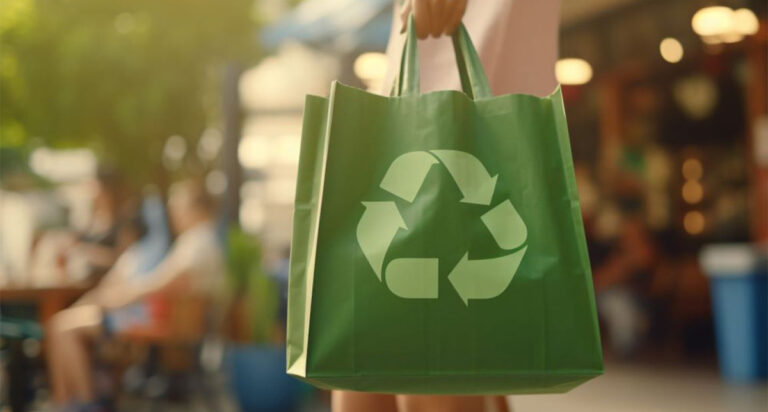
As the world battles the mounting crisis of plastic pollution, the demand for sustainable and eco-friendly alternatives has never been greater. Packaging, especially single-use plastic bags, has long been a major contributor to global waste. However, a powerful wave of innovation is now reshaping the industry, with compostable bag manufacturing emerging as a beacon of hope for a greener future.
In India, visionary companies like Deltora Biopolymers Private Limited are leading this transformation, setting new standards in green packaging through the development of compostable bags that combine environmental responsibility with industrial performance.
The Problem with Traditional Plastic Bags
Plastic bags, although convenient and cheap, are an environmental disaster. They take hundreds of years to decompose and often end up in oceans, rivers, and landfills, harming wildlife and polluting ecosystems. Their widespread use across retail, food, and logistics sectors makes them one of the most visible and harmful pollutants.
As public awareness increases and government regulations tighten, businesses and consumers are actively seeking sustainable packaging options. This shift has opened up immense potential for compostable bag manufacturers to make a meaningful impact.
What Are Compostable Bags?
Compostable bags are made from natural, renewable materials such as corn starch, cassava, potato starch, or sugarcane. Unlike traditional plastics, these bags break down into natural elements like water, carbon dioxide, and biomass when placed in composting conditions.
What makes compostable bags unique is their ability to decompose without leaving behind harmful residues or microplastics. They serve the same function as conventional plastic bags but do so with significantly less environmental impact.
India’s Growing Leadership in Compostable Packaging
India’s stance on sustainability has evolved rapidly, especially with the government’s nationwide ban on single-use plastics. This has pushed industries to explore innovative alternatives, with compostable packaging emerging as one of the most practical and scalable solutions.
Several Indian companies have risen to the challenge by establishing world-class compostable bag manufacturing facilities. These manufacturers are producing certified compostable bags that meet both national and international standards for eco-friendliness, durability, and performance.
One standout name among them is Deltora Biopolymers Private Limited, a company committed to developing compostable raw materials and products that contribute to a plastic-free future. Their focus on innovation, compliance, and industrial scalability has positioned them as a key player in redefining the packaging landscape.
Characteristics of High-Quality Compostable Bags
Leading manufacturers of compostable bags in India focus on delivering products that are:
- Certified compostable under recognized standards like IS/ISO 17088, EN 13432, or ASTM D6400
- Tear-resistant and leak-proof, suitable for wet and dry waste
- Odor-free and non-toxic, safe for use in food packaging
- Available in custom sizes and thicknesses, for retail, agriculture, or commercial use
- Home-compostable or industrial-compostable, depending on the use case
These features make compostable bags an ideal alternative for everyday applications, from grocery stores and hotels to e-commerce and hospitality.
Why Indian Manufacturers Stand Out
1. Cost-Effective Production
Indian compostable bag manufacturers leverage locally available agricultural resources like starch from corn or tapioca. This makes the production process more cost-effective and sustainable, enabling them to offer competitive pricing in global markets.
2. Technological Advancements
India’s green tech sector has witnessed significant R&D investments, resulting in the development of advanced biodegradable materials and faster production cycles. Many manufacturers use state-of-the-art extrusion and printing machinery to meet growing demand without compromising quality.
3. Regulatory Compliance
Top Indian manufacturers ensure their products comply with national guidelines like the Plastic Waste Management Rules, 2016, and international standards. This ensures credibility and opens doors for export opportunities.
4. Export-Ready Infrastructure
Many compostable bag manufacturers in India are also focused on serving international markets. With a strong logistics network and certifications in place, Indian products are being exported to Europe, the Middle East, North America, and Southeast Asia.
Applications of Compostable Bags
Compostable bags are no longer just a niche product. Their uses span across a wide range of industries:
- Retail and Grocery: Shopping bags, produce bags, and packaging sleeves
- Hospitality: Food delivery bags, garbage liners, and disposable cutlery wraps
- Healthcare: Bio-waste disposal bags
- Agriculture: Mulch films, seedling bags, and organic waste liners
- Corporate and Industrial: Custom packaging for eco-conscious brands
Challenges in the Transition to Compostable Bags
Despite the progress, the adoption of compostable bags still faces challenges such as:
- Lack of widespread consumer awareness about compostable products
- Limited access to composting infrastructure, especially in rural areas
- Higher initial costs compared to conventional plastic
- Mislabeling and greenwashing by unregulated products in the market
However, with sustained innovation, policy support, and education, these obstacles are gradually being addressed.
The Way Forward
The future of packaging lies in sustainable alternatives that are both functional and planet-friendly. Compostable bags represent a critical step in that direction. They help reduce reliance on fossil fuels, cut down plastic pollution, and support the principles of a circular economy.
Companies like Deltora Biopolymers Private Limited are not only producing these eco-friendly solutions at scale but are also advocating for responsible consumption and waste management. Their commitment to sustainability is helping businesses transition smoothly into a future where packaging leaves no footprint behind.
Final Thoughts
Green packaging is no longer a luxury—it’s a necessity. As the world continues to search for solutions to combat plastic waste, compostable bag manufacturers in India are leading by example. With innovation, integrity, and a strong environmental vision, these leaders are redefining what packaging means in the 21st century.
Through conscious choices, regulatory support, and collective effort, India is poised to become a global hub for compostable solutions. And with committed players like Deltora Biopolymers Private Limited driving the industry forward, the path to a cleaner, greener planet looks more achievable than ever.