
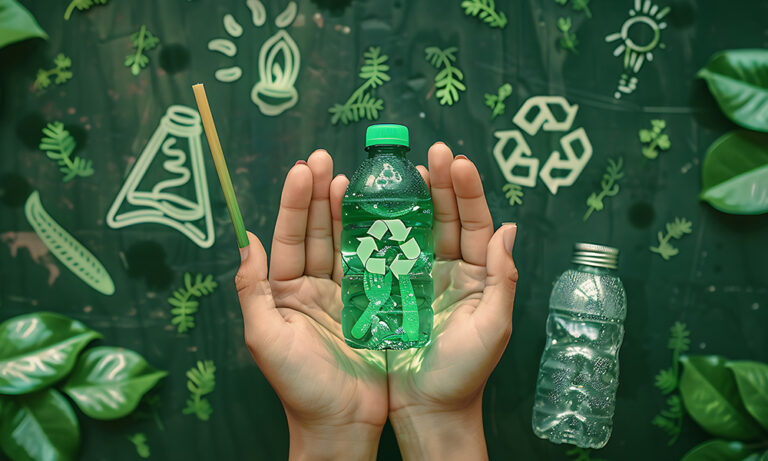
The packaging industry is undergoing a major transformation. With growing concerns about plastic pollution and environmental sustainability, businesses are seeking alternatives to conventional plastics. Biopolymers, derived from renewable natural sources, are emerging as a leading solution for sustainable packaging. Companies like Deltora Biopolymers Private Limited are pioneering the development of high-quality biopolymer products that are eco-friendly, durable, and versatile, offering businesses a sustainable path forward.
Understanding Biopolymers
Biopolymers are materials created from biological sources such as cornstarch, sugarcane bagasse, cellulose, and other plant-based compounds. Unlike traditional petroleum-based plastics, biopolymers are renewable and biodegradable. Some biopolymers are also compostable, meaning they can naturally break down into non-toxic substances under industrial composting conditions.
This unique property allows biopolymers to provide the functionality of conventional plastics while minimizing environmental harm. They can be used to create packaging films, bags, containers, cups, cutlery, and other single-use products.
Why the Packaging Industry Needs Sustainable Solutions
Plastic packaging has long been a staple of the food, retail, and e-commerce sectors. However, it has a severe environmental cost. Single-use plastics take hundreds of years to degrade, contaminating soil and water with microplastics that harm wildlife and human health.
Consumers are increasingly demanding sustainable packaging solutions, and governments worldwide are implementing strict regulations to limit the use of single-use plastics. This shift is pushing companies to explore alternatives that are both environmentally responsible and economically feasible.
Benefits of Using Biopolymers in Packaging
- Reduced Environmental Impact
Biopolymers break down naturally, reducing the accumulation of non-degradable waste in landfills and oceans. This contributes to cleaner ecosystems and lower pollution levels. - Renewable Resources
Unlike petroleum-based plastics, biopolymers are sourced from plants, reducing reliance on fossil fuels and supporting sustainable agriculture. - Versatility in Applications
Biopolymers are suitable for a wide range of packaging applications, including food containers, shopping bags, wrapping films, and disposable cutlery. Their flexibility allows businesses to replace plastics without sacrificing functionality. - Consumer Trust and Brand Value
Eco-conscious consumers are more likely to support brands that adopt sustainable practices. Using biopolymer packaging demonstrates environmental responsibility, enhancing brand reputation and customer loyalty. - Regulatory Compliance
Many countries have started enforcing bans and restrictions on single-use plastics. Biopolymers allow businesses to comply with regulations while continuing to meet packaging needs effectively.
Innovations Driving the Biopolymer Packaging Industry
The biopolymer packaging industry has witnessed significant innovation in recent years. Companies are developing materials that are stronger, more heat-resistant, and adaptable for different food and retail applications.
Deltora Biopolymers Private Limited offers an extensive range of certified biopolymer products, including compostable films, bags, containers, and cutlery. These products meet international standards for food safety and compostability, ensuring that businesses can adopt sustainable packaging solutions without compromising on quality.
Challenges in Transitioning to Biopolymer Packaging
While biopolymers offer numerous benefits, their adoption comes with certain challenges. Proper disposal and composting infrastructure are necessary to achieve effective biodegradation. Without industrial composting facilities, some biopolymer products may not decompose efficiently.
Businesses also need to select certified products with recognized standards such as ASTM D6400 or EN 13432 to ensure quality and compliance. Educating consumers and staff about proper disposal practices is essential to maximize the environmental impact of biopolymer packaging.
The Future Outlook
The future of packaging is undoubtedly moving toward sustainability, with biopolymers playing a central role. As technology improves, biopolymers are becoming more affordable, versatile, and widely available. Early adoption of biopolymer packaging not only helps reduce environmental impact but also positions businesses as leaders in sustainable innovation.
Deltora Biopolymers Private Limited continues to support companies in this transition by providing high-quality, eco-friendly packaging solutions that align with global sustainability goals. With growing awareness and advancements in biopolymer technology, the packaging industry is poised for a greener, more responsible future.
FAQs About Biopolymers in Sustainable Packaging
1. What are biopolymers?
Biopolymers are materials made from renewable natural sources like cornstarch, sugarcane, and cellulose. They are biodegradable and, in some cases, compostable, making them a sustainable alternative to conventional plastics.
2. Why are biopolymers important for the packaging industry?
Biopolymers reduce plastic waste, support sustainability, comply with regulations, and improve brand reputation by meeting the demand for eco-friendly packaging solutions.
3. Are biopolymers safe for food packaging?
Yes, certified biopolymer products are food-safe, non-toxic, and suitable for both hot and cold items. Companies like Deltora Biopolymers Private Limited ensure their products meet all safety and quality standards.
4. Can biopolymers replace all types of plastic packaging?
Biopolymers are versatile and can replace most single-use plastic packaging, including bags, containers, films, and cutlery. However, specialized applications may require specific biopolymer formulations.
5. How should businesses dispose of biopolymer packaging?
Biopolymer products should ideally be disposed of in industrial composting facilities. Educating staff and consumers on proper disposal ensures effective biodegradation and maximizes environmental benefits.