
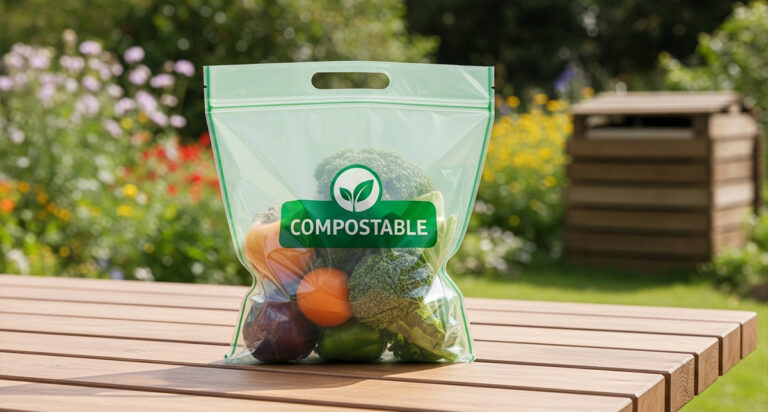
Plastic packaging is everywhere—food containers, shopping bags, delivery boxes, and product wraps. While packaging protects products and makes life convenient, most plastic packaging creates serious environmental problems. It stays in landfills for years, pollutes oceans, and harms animals. Compostable packaging offers a simple and eco-friendly solution to this growing issue.
In simple words, compostable packaging is packaging that can break down naturally and safely, returning to the earth without leaving harmful waste behind.
What Is Compostable Packaging?
Compostable packaging is made from natural, plant-based materials such as corn starch, sugarcane, cellulose, or other organic resources. Unlike regular plastic, it is designed to decompose under composting conditions into natural elements like water, carbon dioxide, and organic matter.
When composted properly, this type of packaging turns into nutrient-rich material that supports soil health instead of polluting the environment. That’s why compostable packaging is considered a cleaner and safer option for the planet.
How Is It Different from Regular Plastic?
Regular plastic is made from petroleum and does not break down easily. It can remain in the environment for hundreds of years, slowly breaking into microplastics that contaminate soil, water, and food.
Compostable packaging behaves very differently. It is created to decompose within a shorter time when exposed to heat, moisture, and microorganisms in composting environments. Instead of leaving toxic residues, it completes a natural cycle by becoming part of the earth again.
Compostable vs Biodegradable: Simple Difference
Many people confuse compostable and biodegradable packaging, but they are not the same.
Biodegradable materials can break down over time, but they may leave behind small plastic particles or take many years to decompose. Compostable packaging, however, breaks down fully and safely within a defined period under composting conditions, without leaving harmful residues.
This makes compostable packaging a more reliable and environmentally friendly choice.
Why Compostable Packaging Is Good for the Environment
One of the biggest advantages of compostable packaging is reduced pollution. Since it breaks down naturally, it does not contribute to long-term waste in landfills or oceans. This helps protect wildlife and prevents plastic from entering the food chain.
Compostable materials are often made from renewable resources, which means they reduce dependence on fossil fuels. Using plant-based materials also helps lower carbon emissions compared to traditional plastic production.
How Compostable Packaging Supports Waste Management
Compostable packaging supports better waste management systems. Instead of sending all waste to landfills, compostable items can be processed with organic waste like food scraps. This reduces landfill pressure and helps create useful compost.
Organic compost improves soil quality, supports plant growth, and reduces the need for chemical fertilizers. This turns waste into a valuable resource rather than an environmental burden.
Where Compostable Packaging Is Commonly Used
Compostable packaging is widely used in food and beverage packaging, including takeaway containers, cups, plates, cutlery, and grocery bags. It is also used in agricultural films, courier packaging, and protective product wrapping.
As awareness grows, more industries are adopting compostable packaging to meet sustainability goals and comply with environmental regulations.
Role of Innovation in Compostable Packaging
Advancements in material science have made compostable packaging stronger, safer, and more practical than ever before. Modern compostable materials offer good durability, heat resistance, and performance while remaining eco-friendly.
Companies such as Deltora Biopolymers Private Limited are working on innovative compostable material solutions that help businesses replace traditional plastic without compromising quality or functionality.
Benefits for Businesses and Consumers
For businesses, compostable packaging enhances brand image and demonstrates environmental responsibility. It also helps companies meet sustainability standards and respond to the growing demand for eco-friendly products.
Consumers benefit by making choices that reduce environmental harm. Using compostable packaging allows individuals to contribute to a cleaner planet through everyday actions.
Organizations like Deltora Biopolymers Private Limited help bridge the gap between sustainability and practicality by offering advanced compostable solutions for modern packaging needs.
Final Thoughts
Compostable packaging is a simple yet powerful step toward a cleaner environment. By breaking down naturally and supporting healthy soil, it offers a responsible alternative to traditional plastic packaging.
As more businesses and consumers choose compostable options, we move closer to reducing pollution, conserving resources, and protecting the planet for future generations. In simple words, compostable packaging helps nature clean up after us—and that makes a big difference.