
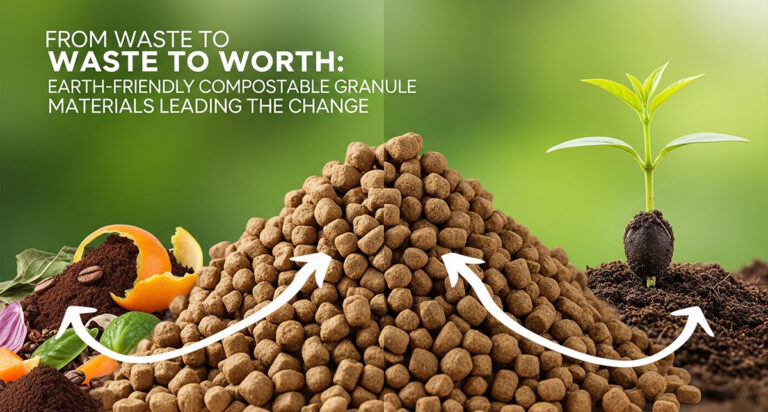
The world is facing a growing waste crisis. Landfills are overflowing, oceans are polluted with plastic, and natural resources are being depleted faster than they can recover. For decades, waste was seen as an unavoidable byproduct of progress. Today, that mindset is changing. Earth-friendly materials are transforming waste into valuable resources, proving that sustainability and innovation can go hand in hand.
This shift from waste to worth is redefining how industries manufacture products, how businesses design packaging, and how consumers think about everyday materials.
The Problem with Traditional Materials
Conventional materials, especially petroleum-based plastics, were designed for durability and low cost, not environmental responsibility. While they serve short-term needs, they create long-term damage. Most traditional plastics do not biodegrade and can persist in the environment for hundreds of years. This leads to soil degradation, water pollution, harm to wildlife, and the spread of microplastics in the food chain.
In addition, producing these materials relies heavily on non-renewable fossil fuels, contributing to carbon emissions and accelerating climate change. The result is a linear system: extract, produce, use, and discard—an approach that is no longer sustainable.
What Are Earth-Friendly Materials?
Earth-friendly materials are designed to minimize environmental impact throughout their lifecycle. They often originate from renewable or recycled sources and are engineered to be biodegradable, compostable, recyclable, or reusable. Examples include bio-based plastics, compostable polymers, recycled fibers, and plant-derived materials.
These materials turn agricultural waste, food byproducts, and other renewable inputs into functional alternatives for conventional plastics. Instead of becoming landfill waste, these resources are repurposed into valuable products that support sustainability goals.
Turning Waste into a Valuable Resource
One of the most powerful aspects of earth-friendly materials is their ability to convert waste into worth. Agricultural residues, food waste, and industrial byproducts can be processed into raw materials for eco-friendly manufacturing. This reduces the need for virgin resources while preventing waste from accumulating in landfills.
By using waste as a resource, industries reduce disposal costs, lower environmental impact, and create new economic opportunities. This approach supports a circular economy, where materials are continuously reused rather than discarded after a single use.
Reducing Environmental Pollution
Earth-friendly materials play a crucial role in reducing pollution. Biodegradable and compostable materials break down naturally under appropriate conditions, preventing long-term accumulation in soil and water bodies. This significantly lowers the risk of wildlife ingestion, marine pollution, and microplastic contamination.
Moreover, eco-friendly materials often require fewer toxic chemicals during production, reducing air and water pollution. Cleaner manufacturing processes mean healthier ecosystems and safer working environments.
Conserving Natural Resources
Resource conservation is at the heart of sustainable material innovation. By relying on renewable inputs such as plant-based feedstocks or recycled materials, earth-friendly alternatives reduce pressure on finite natural resources like oil, gas, and minerals.
These materials also tend to consume less energy and water during production compared to traditional plastics. Over time, this leads to significant savings in natural resources and supports long-term environmental balance.
Supporting Climate Action
Climate change is closely linked to material production. Conventional manufacturing processes generate high levels of greenhouse gas emissions. Earth-friendly materials help reduce this impact by lowering energy consumption and carbon output.
Some bio-based materials even capture carbon dioxide during the growth of their raw materials, helping offset emissions. As adoption increases, sustainable materials can contribute meaningfully to global climate action efforts.
Driving Innovation Across Industries
The demand for sustainable solutions has sparked innovation across packaging, automotive, construction, agriculture, and consumer goods industries. Businesses are now investing in research to develop materials that match or exceed the performance of traditional plastics while being environmentally responsible.
Companies such as Deltora Biopolymers Private Limited are actively contributing to this transformation by developing advanced biopolymer solutions that combine strength, usability, and sustainability. Such innovations help industries transition smoothly toward greener practices.
Empowering Businesses and Consumers
Earth-friendly materials empower businesses to meet sustainability goals while building trust with environmentally conscious consumers. Eco-friendly packaging and products enhance brand reputation and demonstrate social responsibility.
For consumers, choosing products made from sustainable materials allows them to participate directly in environmental protection. This shared responsibility strengthens the movement toward a cleaner and more resilient planet.
Organizations like Deltora Biopolymers Private Limitedsupport this shift by providing practical material alternatives that help businesses reduce their environmental footprint without sacrificing quality.
Final Note
The journey from waste to worth represents a fundamental change in how society views materials and resources. Earth-friendly materials are proving that waste can be transformed into value, pollution can be reduced, and economic growth can coexist with environmental responsibility.
By embracing sustainable materials, industries and consumers alike can protect natural resources, reduce environmental damage, and build a future where innovation supports both progress and the planet.