
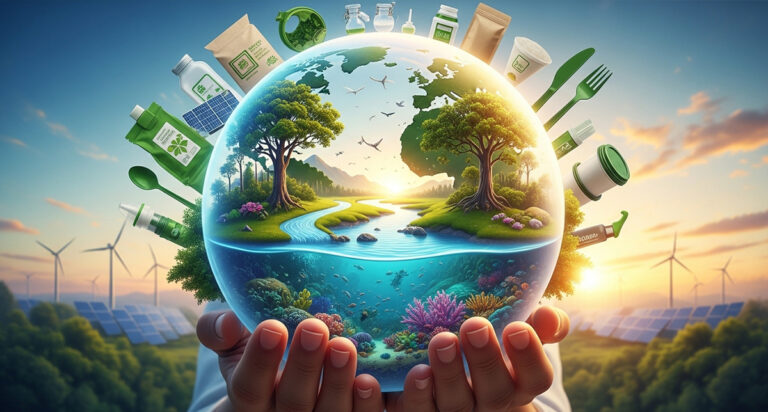
Plastic has become a part of our daily lives—from packaging and household items to industrial use. While traditional plastic is convenient and affordable, its long-term impact on the planet is severe. Made from fossil fuels, conventional plastics consume non-renewable resources and take hundreds of years to decompose. As environmental concerns grow worldwide, green plastic alternatives are emerging as a powerful solution to protect Earth’s natural resources and create a more sustainable future.
Understanding Green Plastic Alternatives
Green plastic alternatives are materials designed to replace traditional petroleum-based plastics while reducing environmental harm. These alternatives are often made from renewable resources such as plant starch, sugarcane, corn, cellulose, or other bio-based materials. Some are biodegradable, some are compostable, and others are recyclable with a much lower environmental footprint.
Unlike conventional plastic, green plastics focus on reducing dependency on fossil fuels, minimizing waste, and lowering greenhouse gas emissions throughout their lifecycle—from raw material extraction to disposal.
Reducing Dependence on Fossil Fuels
One of the biggest benefits of green plastic alternatives is their ability to reduce reliance on fossil fuels. Traditional plastic production consumes massive amounts of oil and natural gas, which are finite resources. Over-extraction of these resources leads to environmental degradation, habitat loss, and increased carbon emissions.
Green plastics, on the other hand, are often derived from renewable sources that can be replenished over time. By shifting toward bio-based materials, industries can conserve limited fossil fuel reserves and reduce the environmental cost of plastic manufacturing. This transition plays a crucial role in protecting Earth’s resources for future generations.
Lowering Carbon Footprint
The production of conventional plastics releases significant amounts of carbon dioxide and other greenhouse gases into the atmosphere. These emissions contribute directly to climate change and global warming. Green plastic alternatives generally require less energy to produce and generate fewer emissions during manufacturing.
Many bio-based plastics absorb carbon dioxide during the growth phase of their raw materials, such as plants. This natural carbon absorption helps balance emissions, making green plastics a more climate-friendly option. Over time, widespread adoption of these materials can significantly reduce the overall carbon footprint of plastic usage.
Preventing Long-Term Environmental Pollution
Plastic pollution is one of the most visible environmental problems today. Oceans, rivers, soil, and wildlife are heavily affected by plastic waste that does not break down naturally. Microplastics have even entered the food chain, posing risks to both ecosystems and human health.
Green plastic alternatives, especially biodegradable and compostable options, are designed to break down more quickly under the right conditions. This reduces long-term pollution and prevents plastic waste from accumulating in landfills and natural habitats. While proper waste management is still essential, green plastics provide a far safer end-of-life option compared to conventional plastic.
Supporting Circular Economy Practices
A circular economy focuses on reducing waste, reusing materials, and recycling resources as much as possible. Green plastic alternatives align perfectly with this concept. Many eco-friendly plastics are designed for recyclability or compostability, allowing materials to return safely to nature or re-enter the production cycle.
By encouraging circular practices, businesses can reduce raw material consumption and lower waste generation. This approach not only conserves resources but also creates a more responsible and sustainable production system across industries.
Conserving Water and Energy Resources
Traditional plastic manufacturing requires large amounts of water and energy, adding pressure to already strained natural resources. Green plastic production methods are often more efficient, using less water and lower processing temperatures.
As industries adopt greener materials, the overall demand for water and energy decreases. This conservation is particularly important in regions facing water scarcity and rising energy costs, making green plastic alternatives both environmentally and economically beneficial.
Encouraging Sustainable Innovation
The rise of green plastic alternatives has driven innovation across materials science, manufacturing, and packaging industries. Companies are investing in research to develop stronger, safer, and more versatile eco-friendly materials that meet modern performance standards.
Organizations such as Deltora Biopolymers Private Limited are contributing to this innovation by focusing on advanced biopolymer solutions that balance functionality with sustainability. These efforts are helping industries transition away from harmful plastics without compromising quality or usability.
Empowering Responsible Consumer Choices
As awareness grows, consumers are becoming more conscious of the environmental impact of their purchases. Green plastic alternatives empower people to make responsible choices that align with sustainability goals. When businesses offer eco-friendly packaging and products, it creates a positive feedback loop—demand increases, production scales, and costs gradually decrease.
Companies like Deltora Biopolymers Private Limited play an important role by providing sustainable material options that support businesses and consumers in reducing their environmental footprint.
Final Note
Green plastic alternatives are more than just a trend—they are a necessary step toward protecting Earth’s valuable resources. By reducing fossil fuel dependency, lowering carbon emissions, preventing pollution, and supporting circular economies, these materials offer a practical and impactful solution to the global plastic crisis.
As industries, governments, and consumers continue to embrace sustainable materials, green plastics will help preserve natural resources, protect ecosystems, and build a cleaner, healthier planet for generations to come.