
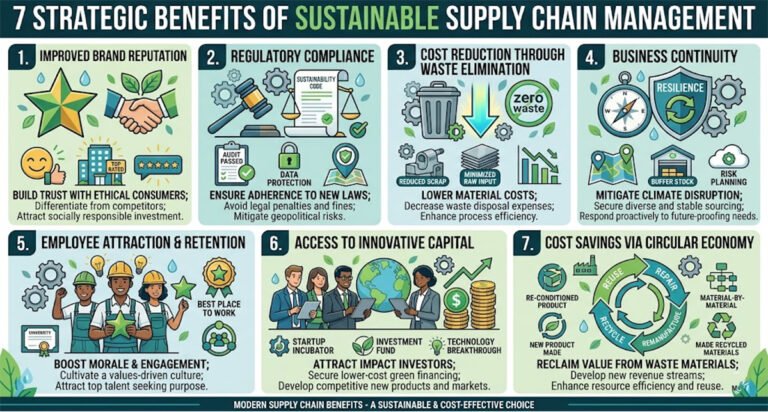
The manufacturing industry is undergoing a significant transformation as businesses increasingly recognize the importance of sustainability. Environmental responsibility is no longer viewed as an optional initiative but as a strategic approach that supports long-term growth, operational efficiency, and brand value. Companies that adopt eco-friendly practices are discovering that sustainable manufacturing can deliver both environmental and economic benefits.
Modern consumers, investors, and regulatory authorities are placing greater emphasis on responsible business operations. As a result, manufacturers that prioritize sustainability are better positioned to remain competitive in a rapidly evolving market. From reducing waste and conserving resources to improving efficiency and strengthening customer trust, eco-friendly manufacturing practices offer numerous advantages.
Here are the key benefits of adopting eco-friendly practices in modern manufacturing.
Improved Operational Efficiency
One of the most significant benefits of sustainable manufacturing is enhanced operational efficiency. Eco-friendly practices often encourage businesses to evaluate their processes and identify areas where resources are being used inefficiently.
By optimizing production methods, reducing unnecessary material usage, and improving energy management, manufacturers can streamline operations and eliminate wasteful activities. Efficient processes not only support sustainability goals but also improve productivity and overall business performance.
Companies that focus on efficiency frequently discover opportunities to achieve better results with fewer resources, creating a more sustainable and profitable operation.
Reduced Waste Generation
Waste management remains a major challenge for manufacturers across various industries. Eco-friendly practices help businesses minimize waste at every stage of production.
This can include reducing raw material losses, improving inventory management, implementing recycling programs, and redesigning manufacturing processes to generate less waste. Lower waste levels contribute to cleaner production environments while reducing the costs associated with disposal and resource replacement.
A commitment to waste reduction also demonstrates environmental responsibility, which can positively influence customer and stakeholder perceptions.
Better Resource Utilization
Natural resources are becoming increasingly valuable, making efficient resource management a critical aspect of sustainable manufacturing. Eco-friendly practices encourage manufacturers to use materials, water, and energy more responsibly.
Businesses can improve resource utilization by monitoring consumption, upgrading inefficient systems, and implementing conservation measures throughout their facilities. These improvements help ensure that resources are used effectively without compromising production quality or output.
Responsible resource management supports long-term sustainability while helping manufacturers remain resilient in the face of changing market conditions.
Enhanced Brand Reputation
Today’s consumers are more environmentally conscious than ever before. Many customers actively seek products from companies that demonstrate a commitment to sustainability and ethical business practices.
Manufacturers that adopt eco-friendly initiatives can strengthen their brand image and build greater trust among customers, suppliers, and business partners. Sustainability efforts often become a powerful differentiator in competitive markets, helping businesses attract environmentally aware consumers.
A strong reputation for sustainability can also increase customer loyalty and encourage long-term business relationships.
Greater Compliance with Environmental Regulations
Environmental regulations continue to evolve worldwide as governments work to address climate change, pollution, and resource conservation challenges. Manufacturers that proactively adopt eco-friendly practices are often better prepared to comply with current and future regulations.
By integrating sustainability into daily operations, businesses can reduce environmental risks and avoid potential compliance issues. Staying ahead of regulatory requirements can help organizations maintain smooth operations and minimize disruptions related to environmental policies.
Proactive compliance also demonstrates corporate responsibility and a commitment to ethical manufacturing standards.
Increased Employee Engagement
Employees increasingly prefer to work for organizations that prioritize sustainability and social responsibility. Eco-friendly manufacturing initiatives can create a stronger sense of purpose within the workplace and encourage employee participation in environmental programs.
When employees see their company making positive contributions to environmental protection, they are often more engaged, motivated, and committed to organizational goals. Sustainability initiatives can also foster teamwork and innovation as employees collaborate to identify new ways to improve efficiency and reduce waste.
A positive workplace culture can contribute to higher employee satisfaction and improved retention rates.
Encouragement of Innovation
Sustainability often drives innovation within manufacturing organizations. Businesses seeking environmentally responsible solutions frequently explore new technologies, materials, and production methods that improve performance while reducing environmental impact.
Innovation can lead to the development of more efficient products, smarter manufacturing systems, and sustainable alternatives to traditional materials. Companies that embrace innovation are often better equipped to adapt to market changes and evolving customer expectations.
Organizations such as Deltora Biopolymers Private Limited are contributing to the advancement of sustainable manufacturing by supporting innovative approaches that help businesses align environmental responsibility with operational success.
Reduced Environmental Impact
One of the primary objectives of eco-friendly manufacturing is reducing the overall environmental footprint of production activities. Sustainable practices can help lower greenhouse gas emissions, decrease resource consumption, reduce pollution, and minimize waste generation.
By adopting environmentally responsible processes, manufacturers contribute to the protection of ecosystems and natural resources while supporting broader sustainability goals. These efforts not only benefit the environment but also strengthen the company’s role as a responsible corporate citizen.
Businesses that actively work to reduce their environmental impact often gain greater recognition from customers, industry partners, and stakeholders.
Long-Term Business Sustainability
Eco-friendly manufacturing supports long-term business growth by helping organizations prepare for future environmental, economic, and market challenges. Sustainable operations are often more resilient because they rely on efficient resource management and proactive planning.
As sustainability becomes increasingly important across industries, manufacturers that adopt responsible practices today are likely to gain a competitive advantage in the future. They are better positioned to meet evolving customer expectations, regulatory requirements, and industry standards.
Companies like Deltora Biopolymers Private Limited recognize that sustainability is not simply a trend but a long-term strategy that supports innovation, efficiency, and responsible growth.
Conclusion
Adopting eco-friendly practices in modern manufacturing offers far-reaching benefits that extend beyond environmental protection. Improved operational efficiency, reduced waste, better resource utilization, stronger brand reputation, regulatory compliance, employee engagement, innovation, and long-term sustainability all contribute to business success.
As industries continue to evolve, sustainability will remain a critical factor in maintaining competitiveness and building resilient operations. Manufacturers that embrace eco-friendly practices today are making a strategic investment in a more efficient, responsible, and sustainable future. By integrating sustainability into everyday operations, businesses can create lasting value for customers, employees, stakeholders, and the environment alike.