
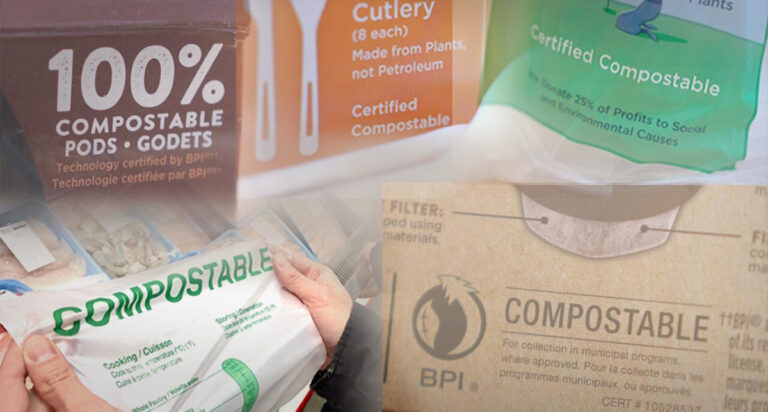
India is witnessing a significant shift toward sustainability as consumers, businesses, and policymakers increasingly prioritize environmentally responsible choices. The eco-friendly products market is expanding rapidly due to rising environmental awareness, government regulations on single-use plastics, and growing demand for sustainable alternatives across industries. From biodegradable packaging to plant-based raw materials and compostable consumer goods, the opportunities in this sector are both diverse and promising.
One of the primary drivers of growth in India’s eco-friendly market is changing consumer behavior. Modern consumers are becoming more conscious about the environmental impact of their purchasing decisions. They prefer products that are recyclable, biodegradable, or made from renewable resources. This shift is particularly visible among urban populations, where sustainability has become a lifestyle choice rather than just a trend. Businesses that adopt eco-friendly practices not only contribute to environmental protection but also gain a competitive advantage by building stronger brand trust and customer loyalty.
Government initiatives have also played a crucial role in accelerating market growth. Policies aimed at reducing plastic waste and promoting sustainable manufacturing are encouraging industries to explore green alternatives. Regulations banning certain types of plastic products have created new opportunities for manufacturers of compostable and biodegradable materials. As compliance becomes mandatory, industries such as retail, food packaging, agriculture, and e-commerce are actively seeking eco-friendly solutions to meet regulatory standards.
Another major opportunity lies in the packaging sector. With the boom in online shopping and food delivery services, packaging waste has increased dramatically. This has created demand for sustainable packaging materials such as compostable carry bags, biodegradable films, and plant-based containers. Companies that innovate in this space are likely to experience strong growth, as businesses aim to reduce their carbon footprint while maintaining product quality and safety. Sustainable packaging not only benefits the environment but also enhances brand reputation in the eyes of environmentally conscious consumers.
Agriculture is another sector where eco-friendly products are gaining momentum. Biodegradable mulch films, compostable plant protection materials, and sustainable agricultural inputs are helping farmers improve productivity while minimizing environmental harm. These solutions reduce soil contamination and support long-term agricultural sustainability. As awareness grows among farmers about the benefits of environmentally friendly agricultural products, demand in this segment is expected to increase significantly.
The raw materials industry is also evolving rapidly with the introduction of biopolymers and plant-based alternatives. These materials are designed to replace conventional plastics while maintaining performance and durability. Research and development in this area are opening new possibilities for applications across multiple industries, including automotive, healthcare, textiles, and consumer goods. Companies like Deltora Biopolymers Private Limited are contributing to this transformation by focusing on innovative sustainable materials that align with global environmental goals.
Small and medium enterprises (SMEs) also have significant opportunities in this market. With relatively lower entry barriers in certain eco-friendly product categories, startups and regional manufacturers can develop niche solutions tailored to local needs. For example, eco-friendly tableware, reusable bags, compostable packaging, and sustainable household products have strong potential in both domestic and export markets. Entrepreneurs who invest in quality and certification standards can establish successful businesses in this growing sector.
Export potential is another important aspect of India’s eco-friendly products market. Many countries are implementing strict environmental regulations, creating demand for sustainable products globally. India, with its strong manufacturing capabilities and cost advantages, is well positioned to become a major exporter of eco-friendly goods. Manufacturers that meet international quality standards and certifications can tap into lucrative global markets, further boosting industry growth.
Technological innovation is expected to shape the future of the eco-friendly products industry. Advanced material science, improved production techniques, and scalable manufacturing processes will help reduce costs and increase accessibility. As sustainable products become more affordable, adoption rates will increase across industries and consumer segments. Organizations such as
Deltora Biopolymers Private Limited are playing an important role by investing in research and development to create next-generation eco-friendly solutions.
Despite the strong growth potential, challenges such as higher initial costs, limited awareness in rural markets, and lack of infrastructure for composting and recycling still exist. However, these challenges also present opportunities for innovation, education, and collaboration between government bodies, businesses, and environmental organizations. With the right strategies, these barriers can be overcome to accelerate adoption.
In conclusion, India’s eco-friendly products market is entering a dynamic growth phase driven by consumer awareness, regulatory support, technological advancements, and global sustainability trends. Businesses that embrace innovation, quality, and environmental responsibility will be well positioned to succeed in this evolving landscape. As sustainability continues to shape the future of industries worldwide, the opportunities in India’s eco-friendly market are not only emerging but expanding at an unprecedented pace.