
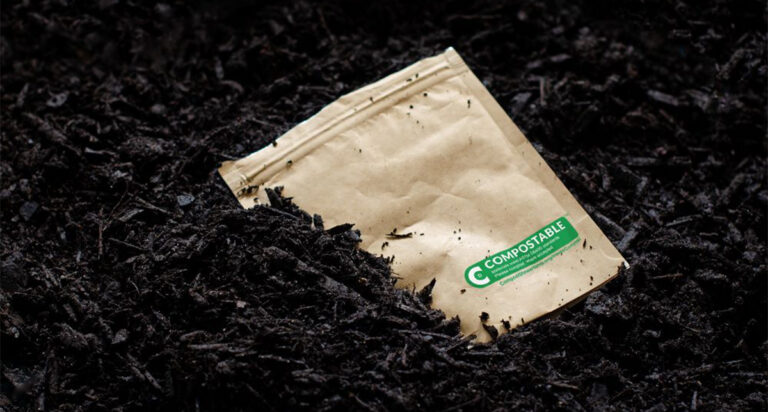
The world is undergoing a major transformation in how it views packaging, sustainability, and material science. Increasing environmental awareness and the urgent need to reduce pollution have fueled a global shift toward nature-inspired, eco-friendly packaging solutions. Today, innovation is no longer limited to manufacturing efficiency or cost reduction—industries are now rethinking the very materials they use. This movement has unlocked a new era often called the material revolution, where nature and technology come together to create groundbreaking alternatives with real-world impact.
A New Era of Nature-Inspired Material Solutions
Modern packaging is evolving beyond traditional plastic and paper. Scientists, engineers, and sustainability-driven companies are exploring natural resources, plant fibers, agricultural waste, and bio-compounds to build high-performance materials that are both durable and environmentally responsible. These next-generation packaging solutions combine the strength of engineering with the wisdom of nature.
Brands and researchers worldwide are proving that innovation doesn’t always come from synthetic chemicals—it can rise directly from organic sources that have been overlooked for decades. As industries embrace these developments, the way products are designed, transported, and consumed is being redefined.
Why Nature-Based Packaging Is Gaining Momentum
Nature-based packaging offers advantages well beyond eco-friendly branding. It provides measurable benefits that make it appealing to industries across sectors.
1. Cleaner Production Processes
Traditional petroleum-based plastics contribute significantly to greenhouse gas emissions. In contrast, plant-derived packaging solutions often require less energy during production. Many of these materials use upcycled agricultural waste, reducing environmental load and promoting circular economy models.
2. Strong Consumer Demand for Sustainable Products
Today’s consumers are more aware of environmental issues, and many actively seek products that align with their values. Packaging plays a major role in shaping brand perception. When companies use natural or eco-focused materials, they stand out in a crowded marketplace looking for conscious choices.
3. Regulatory Push Toward Green Alternatives
Governments across the world are implementing stricter rules on the usage of conventional plastics. This has increased demand for nature-based materials that comply with emerging regulations and help industries stay ahead of upcoming restrictions.
4. Impressive Functional Properties
The biggest surprise of this revolution is the performance of nature-inspired materials. Natural fibers, starch-based polymers, and bio-composites show excellent strength, flexibility, printability, and durability—often competing with or surpassing synthetic alternatives. This new generation of packaging proves that sustainability does not require sacrifice.
Breakthrough Innovations Changing the Packaging Landscape
The shift toward nature-driven materials is backed by multiple scientific and technological advancements. Some innovations leading the change include:
1. Plant Fiber–Based Packaging
Agricultural fibers like sugarcane bagasse, wheat straw, bamboo, and rice husk are being repurposed to create sturdy packaging solutions. These fibers are lightweight, strong, and heat-resistant, making them ideal for food trays, cups, containers, and protective packing materials.
2. Starch and Protein-Based Polymers
Materials made from corn starch, potato starch, and various plant proteins are paving the way for flexible films, bags, and packaging inserts. These materials provide visual quality and functional performance similar to conventional products while being derived from renewable sources.
3. Advanced Bio-Composites
Bio-composites integrate natural fibers with eco-friendly binders to create strong structural materials. These composites are finding applications in electronics packaging, industrial goods, and high-end retail products where durability and sustainability must coexist.
4. Mushroom and Mycelium Technology
One of the most unexpected breakthroughs is the use of mycelium—the root structure of mushrooms—to grow packaging. This material can be molded into protective forms, making it ideal for electronics, cosmetics, and fragile goods. It is lightweight, shock-absorbent, and produced with minimal energy.
5. Seaweed and Algae-Based Innovations
Seaweed-based films and coatings are entering the market as edible packaging wrappers, water-soluble sachets, and biodegradable film alternatives. Algae polymers have the potential to revolutionize everything from labels to flexible bags.
How Industries Are Embracing the Material Revolution
Multiple sectors are integrating natural packaging solutions to strengthen sustainability and reduce their ecological footprint.
Food & Beverage
Restaurants, food delivery services, and FMCG brands are adopting plant-fiber containers, eco-films, and compostable wraps. These materials help maintain food freshness while reducing waste.
E-Commerce
Online brands use cushioning, mailers, and boxes made from natural fiber composites to ensure safe shipping without relying on plastic fillers.
Beauty & Personal Care
Cosmetic brands are exploring mushroom packaging, bamboo containers, and seaweed-based films to create eco-friendly product experiences.
Retail & Fashion
Clothing brands are transitioning toward natural packaging options that match their sustainability messaging and reduce landfill waste.
Looking Ahead: The Future of Packaging Innovation
The material revolution is just beginning. Rapid innovation, investment in research, and rising global demand for eco-conscious solutions will continue to push nature-inspired packaging to the forefront. These materials are becoming mainstream, providing scalable and commercially viable choices for businesses worldwide.
This transformation is supported by organizations dedicated to developing advanced, sustainable solutions—companies such as Deltora Biopolymers Private Limited, which contribute to shaping the next era of packaging technology. Their efforts demonstrate how science, engineering, and environmental responsibility can work together to create packaging that supports both people and the planet.
Conclusion
From farm waste to seaweed, from fibers to fungi—the future of packaging is being shaped by unexpected innovations rooted in nature. As industries shift away from traditional plastics, nature-based materials are emerging as the leading force of sustainable change. This revolution is reshaping how products are delivered, how brands are perceived, and how businesses interact with the environment.
The next material revolution has already begun—and its foundation lies in the remarkable ability of nature to inspire solutions that are both practical and planet-friendly.