
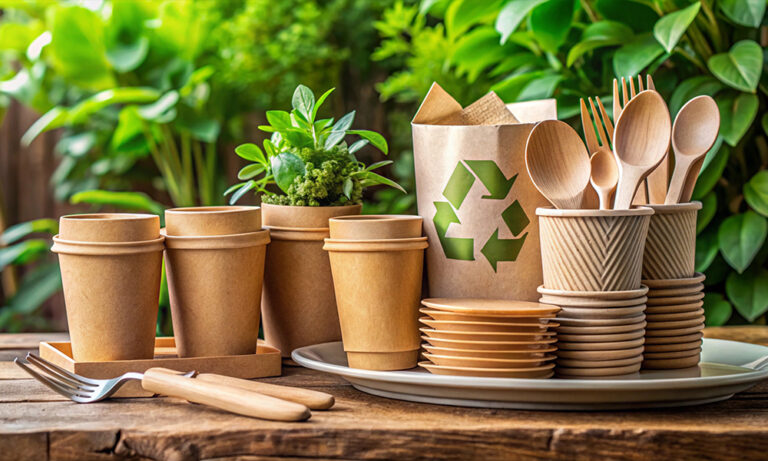
In recent years, the food industry has faced immense pressure to adopt sustainable practices. One of the most significant shifts has been the adoption of compostable products, which are gradually replacing traditional plastic packaging. Compostable materials are designed to break down naturally in controlled environments, leaving behind nutrient-rich organic matter instead of harmful microplastics. Companies like Deltora Biopolymers Private Limited are leading the charge in providing innovative compostable solutions tailored for the food sector.
The Growing Need for Compostable Products in Food Packaging
The food industry is one of the largest contributors to plastic waste, with single-use packaging dominating the market. From takeaway containers and cutlery to cups and wrapping films, most of these items end up in landfills or oceans, causing environmental damage. Consumers are increasingly aware of this impact and are demanding eco-friendly alternatives.
Compostable products offer a viable solution, as they are made from natural materials like cornstarch, sugarcane bagasse, and PLA (polylactic acid). These materials can decompose fully under industrial composting conditions, returning valuable nutrients to the soil. By adopting compostable packaging, food businesses not only reduce their ecological footprint but also demonstrate a commitment to sustainability, which resonates well with modern consumers.
How Compostable Packaging Benefits the Food Industry
- Environmental Impact Reduction
Compostable products significantly reduce plastic waste. Unlike conventional plastics, they do not contribute to long-term pollution, and their biodegradability ensures minimal environmental disruption. - Consumer Appeal
Eco-conscious consumers are more likely to choose brands that prioritize sustainability. Compostable packaging conveys a message of responsibility, improving brand loyalty and customer perception. - Regulatory Compliance
Governments worldwide are implementing stricter regulations on single-use plastics. By switching to compostable products, food businesses can stay ahead of compliance requirements and avoid potential fines. - Versatility and Safety
Modern compostable materials are designed to withstand various temperatures, making them suitable for hot and cold foods. Additionally, they are food-safe, non-toxic, and free from harmful chemicals often found in conventional plastics. - Cost Efficiency in the Long Run
While initial costs may be slightly higher, investing in compostable products can lead to savings in waste management and potential incentives for environmentally responsible practices.
Real-World Applications in the Food Industry
Compostable packaging is making its way into multiple sectors of the food industry. Restaurants, cafes, and fast-food chains are replacing traditional plastics with compostable plates, cups, straws, and cutlery. Retailers are using compostable bags and wrapping materials for groceries and ready-to-eat meals.
Companies like Deltora Biopolymers Private Limited are at the forefront, supplying high-quality compostable films, bags, and containers that meet both industrial standards and consumer expectations. These products not only maintain the quality and safety of food items but also ensure that packaging waste contributes positively to environmental sustainability.
Challenges and Considerations
Despite the many benefits, adopting compostable products comes with challenges. Proper composting infrastructure is essential for these materials to break down effectively. Without access to industrial composting facilities, some compostable products may not decompose as intended. Educating consumers and staff on correct disposal practices is equally important to maximize environmental benefits.
Additionally, companies need to carefully select certified compostable products. Certifications such as ASTM D6400 or EN 13432 ensure that the product meets international standards for compostability, providing assurance to both businesses and consumers.
The Future of Compostable Products in Food
The shift towards compostable products is not just a trend but a long-term transformation in the food industry. With continuous innovations in biopolymers, packaging can now be stronger, more durable, and versatile without harming the environment. Businesses that embrace these solutions early will benefit from enhanced brand value, regulatory compliance, and customer trust.
Deltora Biopolymers Private Limited continues to innovate in this space, offering a wide range of certified compostable products designed to meet the evolving needs of the food sector. Their commitment to sustainability helps food businesses integrate eco-friendly solutions without compromising quality or performance.
FAQs About Compostable Products in the Food Industry
1. What are compostable products?
Compostable products are materials that can break down naturally in industrial or home composting conditions, leaving no toxic residues behind. They are typically made from renewable resources like cornstarch, sugarcane bagasse, or PLA.
2. How do compostable products benefit restaurants and cafes?
These products reduce plastic waste, appeal to eco-conscious customers, and help businesses comply with regulations on single-use plastics. They are also safe for food contact and versatile for both hot and cold items.
3. Are compostable products more expensive than regular plastics?
The initial cost may be slightly higher, but they offer long-term savings through reduced waste management costs and enhanced brand reputation. Many businesses also gain incentives for adopting eco-friendly practices.
4. How should compostable products be disposed of?
Compostable products should ideally be disposed of in industrial composting facilities. If unavailable, educating staff and consumers on home composting options can help ensure effective decomposition.
5. Can all food packaging be made compostable?
While most single-use packaging can be replaced with compostable alternatives, certain applications requiring extreme durability or long shelf life may still need specialized solutions. Companies like Deltora Biopolymers Private Limitedprovide tailored options to meet different food industry requirements.