
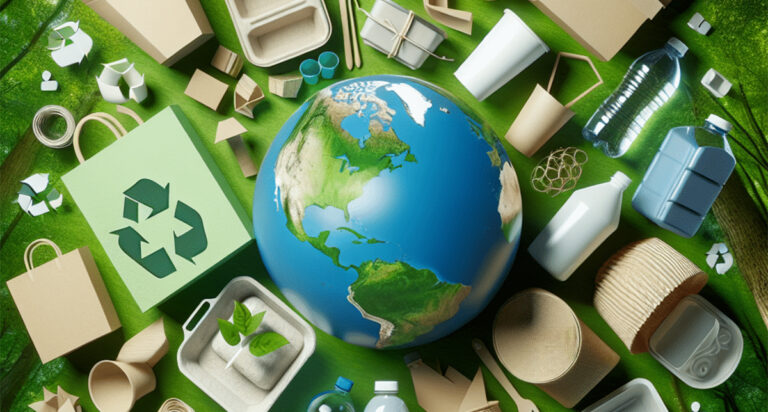
India, a country known for its innovation, resourcefulness, and adaptability, is emerging as a major player in the global shift toward sustainable alternatives. As environmental concerns over plastic pollution mount, Indian innovators and companies are increasingly turning to bioplastics to create eco-friendly solutions. These bio-based alternatives are reshaping the packaging, manufacturing, and consumer goods industries while reducing the nation’s environmental footprint.
Among the pioneers leading this green revolution is Deltora Biopolymers Private Limited, a company committed to building a plastic-free future with sustainable, compostable materials.
The Rising Demand for Bioplastics
The worldwide demand for bioplastics is being driven by two primary forces—environmental necessity and consumer awareness. Traditional plastic production, which relies heavily on fossil fuels, contributes significantly to greenhouse gas emissions and waste that persists in the environment for centuries. In contrast, bioplastics are derived from renewable resources such as corn starch, sugarcane, or cassava, and many are compostable or biodegradable.
In India, this transition has gained momentum due to government regulations aimed at banning single-use plastics, increasing waste management challenges, and a growing population that is more conscious of environmental impacts. As a result, industries are now seeking biodegradable and compostable alternatives to meet both legal requirements and consumer expectations.
What Are Bioplastics?
Bioplastics are a diverse family of materials that include both bio-based and biodegradable plastics. Some bioplastics, like PLA (Polylactic Acid), are derived entirely from renewable biomass, while others are only partially bio-based but designed to degrade more safely than petroleum-based plastics.
The major types of bioplastics used in India include:
- PLA (Polylactic Acid) – Made from fermented plant starch.
- PHA (Polyhydroxyalkanoates) – Produced by microbial fermentation.
- Starch-based Plastics – Blends of corn or potato starch with biodegradable polyesters.
These materials are used in applications such as food packaging, shopping bags, disposable cutlery, agricultural films, and even medical devices.
India’s Role in the Global Bioplastic Movement
India’s contribution to the bioplastics movement is significant due to its abundance of agricultural resources, skilled workforce, and innovation-driven startups. Several Indian firms have recognized the need for sustainable change and are actively developing bioplastics that cater to local and international markets.
One such innovator is Deltora Biopolymers Private Limited, which has been at the forefront of creating compostable and biodegradable alternatives to single-use plastic. The company’s vision aligns with both environmental goals and industrial scalability, offering bioplastic solutions that are affordable, reliable, and compliant with global sustainability standards.
How Indian Innovators Are Making a Difference
1. Affordable Innovation for the Masses
Indian innovators understand the importance of affordability, especially in a country with a price-sensitive market. By leveraging indigenous raw materials and optimizing manufacturing processes, they are able to produce bioplastics at competitive prices. This makes sustainable choices accessible to a broader audience and encourages adoption on a larger scale.
2. Focus on Industrial Scalability
Developing a product is only half the challenge; scaling it to meet industrial demands is where innovation truly shines. Indian companies are working with advanced research labs, universities, and global partners to ensure that their bioplastic solutions can be mass-produced without compromising on quality or performance.
3. Customized Solutions for Local Needs
Bioplastic innovators in India are creating solutions tailored to the country’s unique climate, waste management infrastructure, and consumer behavior. For instance, materials are engineered to break down in both industrial composting facilities and home compost bins. Packaging solutions are also designed to be compatible with existing logistics and distribution systems.
4. Collaboration with Agriculture and Waste Sectors
A large portion of bioplastic materials in India are derived from agricultural by-products. Innovators are collaborating with farmers and rural industries to source materials like corn starch, sugarcane waste, and tapioca. This not only supports local economies but also creates a circular supply chain that adds value at every stage.
Challenges Ahead
Despite the progress, the bioplastics industry in India faces a few hurdles. These include:
- Limited public awareness about the proper disposal of bioplastics.
- Lack of large-scale composting infrastructure.
- Regulatory ambiguity around certifications and labeling of biodegradable products.
However, with ongoing government support, rising environmental activism, and a robust startup ecosystem, these challenges are being addressed steadily.
The Future Looks Green
As the global demand for sustainable alternatives increases, India is poised to become a key supplier and innovator in the bioplastics domain. Startups and established firms alike are committed to reducing plastic pollution and offering scalable, eco-friendly alternatives.
With companies like Deltora Biopolymers Private Limited leading the charge, the vision of a sustainable India—free from the clutches of plastic pollution—is gradually becoming a reality. Their commitment to producing compostable bags, packaging, and raw materials is setting new standards in green manufacturing and inspiring a new generation of environmental entrepreneurs.
Final Thoughts
The transformation of sustainability through bioplastics in India is not just an industrial shift—it’s a cultural one. It reflects a growing consciousness among businesses and consumers to take responsibility for the planet’s future. Indian innovators are not just following global trends; they are setting them—by creating local solutions that can have a worldwide impact.
As the industry matures, bioplastics will play an increasingly vital role in redefining how India consumes, disposes, and lives in harmony with nature.