
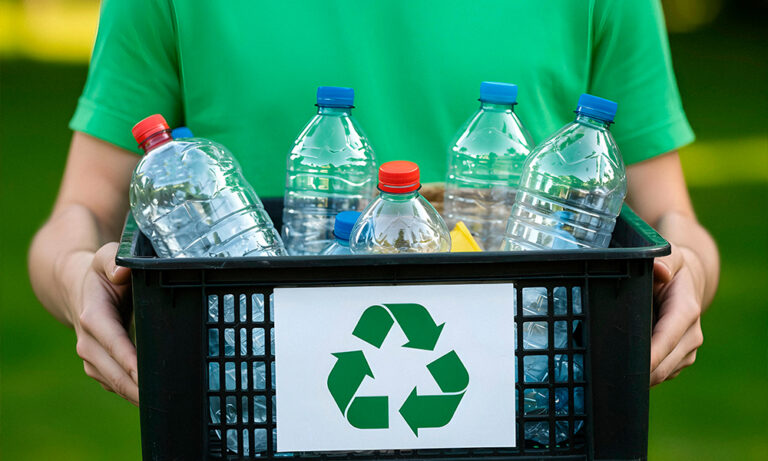
Plastic pollution has become one of the most pressing environmental challenges of the 21st century. With millions of tons of plastic waste ending up in landfills and oceans every year, there is an urgent need for sustainable alternatives. Biopolymers, a type of biodegradable and renewable material, are emerging as a powerful solution to reduce plastic waste. Companies like Deltora Biopolymers Private Limited are at the forefront of developing innovative biopolymer products that help businesses and consumers minimize their environmental footprint.
What Are Biopolymers?
Biopolymers are materials derived from natural sources such as corn starch, sugarcane, cellulose, and other plant-based resources. Unlike traditional plastics made from petroleum, biopolymers are renewable, biodegradable, and often compostable. They can be used to manufacture a variety of products, including packaging, bags, disposable cutlery, and even textiles.
By breaking down naturally under composting or controlled environmental conditions, biopolymers prevent the accumulation of non-degradable plastic waste in landfills and oceans. This characteristic makes them an ideal choice for companies looking to adopt sustainable practices.
The Environmental Impact of Traditional Plastics
Conventional plastics can take hundreds of years to decompose. During this time, they release harmful chemicals and break into microplastics that contaminate soil and water. This pollution not only affects ecosystems but also poses health risks to humans through the food chain.
The food and retail sectors, in particular, are major contributors to plastic waste. Single-use plastic packaging, shopping bags, and disposable utensils dominate these industries, making it crucial to adopt alternatives that can reduce environmental damage.
How Biopolymers Help Reduce Plastic Waste
- Biodegradability
Biopolymers decompose naturally over time, reducing the burden on landfills and oceans. This helps minimize the long-term environmental impact of plastic waste. - Renewable Resources
Unlike petroleum-based plastics, biopolymers are derived from plants and agricultural waste. This reduces dependency on fossil fuels and promotes sustainable resource management. - Versatile Applications
Biopolymers can replace conventional plastics in multiple applications, including packaging, disposable cutlery, containers, and films. Their adaptability ensures a smooth transition for businesses aiming to reduce plastic use. - Compliance with Regulations
Governments worldwide are implementing strict bans and restrictions on single-use plastics. Switching to biopolymer-based products helps companies comply with these regulations and avoid penalties. - Enhanced Brand Image
Consumers increasingly prefer brands that prioritize sustainability. By using biopolymer products, businesses can strengthen their reputation and build loyalty among eco-conscious customers.
Applications of Biopolymers Across Industries
Biopolymers are not limited to a single sector. They are widely used in food packaging, healthcare, agriculture, and retail industries. Restaurants and food delivery services use biopolymer-based containers, cutlery, and bags. Retailers adopt biopolymer shopping bags and wrapping films, while healthcare facilities utilize biodegradable medical packaging.
Deltora Biopolymers Private Limited provides a range of biopolymer solutions that are tailored for diverse industry requirements. Their products are certified for quality, food safety, and compostability, ensuring businesses can integrate eco-friendly alternatives without compromising performance.
Challenges and Considerations
While biopolymers are a promising alternative, certain challenges need to be addressed. Proper disposal and composting infrastructure are essential to achieve effective biodegradation. Without these facilities, some biopolymers may not decompose as intended.
Additionally, businesses must choose certified biopolymer products. Certifications such as ASTM D6400 and EN 13432 ensure the material meets international standards for biodegradability and compostability. Educating consumers and employees about proper disposal is also critical to maximize environmental benefits.
The Future of Biopolymers
The shift towards biopolymers is more than a trend—it is a global movement towards sustainable living. Continuous innovation in biopolymer technology is making these materials stronger, more versatile, and cost-effective. By adopting biopolymers, businesses can significantly reduce plastic waste, comply with regulations, and meet the growing demand for eco-friendly products.
Deltora Biopolymers Private Limited continues to innovate, offering solutions that help industries reduce their reliance on traditional plastics while maintaining high performance and quality standards. As awareness of plastic pollution grows, biopolymers will play an increasingly important role in shaping a sustainable future.
FAQs About Biopolymers and Plastic Waste Reduction
1. What are biopolymers?
Biopolymers are materials made from renewable natural sources such as cornstarch, sugarcane, and cellulose. They are biodegradable and, in many cases, compostable, making them an eco-friendly alternative to traditional plastics.
2. How do biopolymers reduce plastic waste?
Biopolymers decompose naturally over time, reducing landfill and ocean accumulation. They replace conventional plastics in packaging, cutlery, bags, and other single-use products.
3. Are biopolymers safe for food packaging?
Yes, certified biopolymer products are food-safe, non-toxic, and suitable for both hot and cold food items. Companies like Deltora Biopolymers Private Limited ensure their products meet industry standards.
4. Can biopolymers be recycled?
Some biopolymers can be composted, but they may not always be suitable for traditional recycling streams. Proper industrial or home composting is recommended for effective biodegradation.
5. What industries can benefit from biopolymers?
Biopolymers are versatile and widely used in food packaging, healthcare, agriculture, retail, and even textiles. Any industry seeking to reduce plastic waste can benefit from their adoption.