
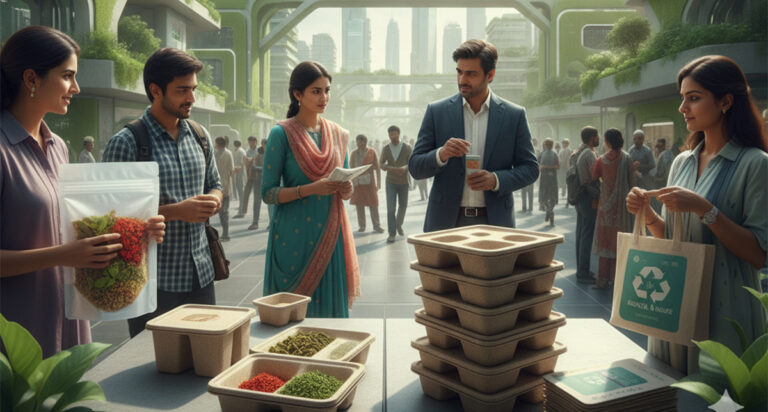
As India continues to embrace environmental sustainability, the packaging industry is undergoing a transformative shift. Companies and consumers alike are prioritizing eco-friendly solutions, giving rise to a growing demand for sustainable packaging trends. In 2025, innovative materials, design approaches, and manufacturing processes are reshaping how products are packaged, distributed, and perceived. These trends not only reduce environmental impact but also enhance brand value, improve consumer loyalty, and comply with stricter regulations on single-use plastics.
The Rise of Biodegradable and Compostable Packaging
One of the most significant trends in 2025 is the adoption of biodegradable and compostable packaging solutions. Traditional plastic packaging, while inexpensive and durable, poses severe environmental challenges due to its long decomposition period and pollution potential. Biodegradable materials, such as plant-based plastics, starch, and cellulose, decompose naturally, offering a safer alternative for both businesses and consumers.
For Indian companies, adopting biodegradable packaging provides multiple advantages. It aligns with the country’s environmental initiatives, reduces plastic waste in landfills and oceans, and meets the growing consumer demand for eco-conscious products. From food and beverage to personal care and e-commerce, biodegradable packaging is being integrated into everyday business operations, offering an effective, sustainable solution without compromising functionality.
Innovative Materials for Sustainable Packaging
In addition to biodegradable plastics, 2025 is witnessing the rise of novel sustainable materials. These include recycled paper, molded pulp, bamboo, seaweed-based films, and reusable packaging formats. Companies are experimenting with hybrid materials that combine durability with eco-friendliness. For example, water-resistant paper packaging and compostable multilayer films are gaining popularity, especially in the food and pharmaceutical sectors.
These innovations make sustainable packaging more accessible and versatile for Indian businesses. By incorporating advanced materials, companies can maintain product safety, improve shelf appeal, and reduce reliance on conventional plastics.
Eco-Friendly Design and Minimalist Packaging
Sustainable packaging is not only about materials; design plays a critical role in reducing environmental impact. In 2025, minimalist packaging is emerging as a key trend. By reducing excess packaging, optimizing shapes, and minimizing ink and adhesives, companies can significantly cut material usage.
Smart packaging design also emphasizes functionality. Modular, collapsible, and reusable containers reduce waste throughout the supply chain. Additionally, clear labeling and eco-certifications help consumers make informed choices, further promoting sustainability in purchasing decisions.
Digital Integration and Smart Packaging
Another trend shaping India’s sustainable packaging future is the integration of digital technologies. QR codes, NFC chips, and smart labels are being used to provide product information, recycling instructions, and traceability. These digital tools help consumers understand the environmental benefits of the packaging, encourage proper disposal, and facilitate circular economy initiatives.
For businesses, smart packaging also enhances supply chain efficiency, reduces product losses, and improves customer engagement. In combination with eco-friendly materials, digital integration creates a holistic approach to sustainability.
Government Initiatives and Regulatory Support
The Indian government’s policies are further driving sustainable packaging adoption. Regulations limiting single-use plastics, promoting compostable materials, and encouraging recycling are encouraging businesses to innovate. SMEs and large enterprises are increasingly leveraging these policies to implement eco-friendly packaging solutions that comply with local and international standards.
For example, initiatives promoting the use of compostable food packaging and incentives for sustainable startups are creating a favorable environment for innovation. Companies adopting these solutions gain both regulatory compliance and a competitive advantage in the marketplace.
Corporate Responsibility and Consumer Expectations
In 2025, sustainability is no longer optional; it has become a key component of corporate responsibility. Consumers are actively seeking brands that demonstrate environmental stewardship. Companies that adopt sustainable packaging trends not only reduce their ecological footprint but also enhance brand loyalty and market positioning.
Indian businesses are responding by investing in eco-friendly packaging for both retail and e-commerce sectors. From biodegradable containers to recyclable wraps and smart, reusable designs, companies are meeting consumer expectations while promoting long-term environmental responsibility.
The Role of Industry Leaders
Leading companies, such as Deltora Biopolymers Private Limited, are at the forefront of these trends, providing innovative solutions for SMEs and large businesses alike. By offering biodegradable containers, compostable packaging solutions, and custom eco-packaging, such companies are helping Indian enterprises transition toward sustainable practices. Their expertise demonstrates that sustainability and cost-effectiveness can coexist, making eco-friendly packaging accessible for all businesses.
Conclusion
Sustainable packaging trends in 2025 reflect a broader shift toward environmentally conscious business practices in India. From biodegradable and compostable materials to smart designs, digital integration, and regulatory compliance, these innovations are transforming the packaging landscape. By embracing eco-friendly solutions, businesses can reduce environmental impact, enhance brand reputation, and meet the expectations of a more responsible consumer base.
For Indian companies, adopting these trends is not just a moral imperative but a strategic move. Companies like Deltora Biopolymers Private Limited are paving the way by offering affordable, innovative, and sustainable packaging solutions that meet the demands of 2025 and beyond. As businesses continue to prioritize sustainability, eco-friendly packaging will become a standard rather than an exception, shaping India’s green future.
FAQs
Q1: What are the key sustainable packaging trends in India for 2025?
A1: Key trends include biodegradable and compostable materials, minimalist designs, smart and digital packaging, and the use of innovative eco-friendly materials such as bamboo, seaweed films, and recycled paper.
Q2: Why is sustainable packaging important for businesses?
A2: Sustainable packaging reduces environmental impact, meets consumer expectations, complies with government regulations, and enhances brand reputation.
Q3: Are eco-friendly packaging solutions expensive for SMEs?
A3: No, companies like Deltora Biopolymers Private Limited offer cost-effective solutions suitable for SMEs while maintaining durability and functionality.
Q4: How does digital technology integrate with sustainable packaging?
A4: Smart packaging with QR codes, NFC chips, and traceability features provides product information, recycling instructions, and promotes proper disposal while enhancing customer engagement.
Q5: Can sustainable packaging help companies gain a competitive advantage?
A5: Yes, eco-friendly packaging improves brand perception, attracts eco-conscious consumers, ensures regulatory compliance, and positions companies as responsible market leaders.