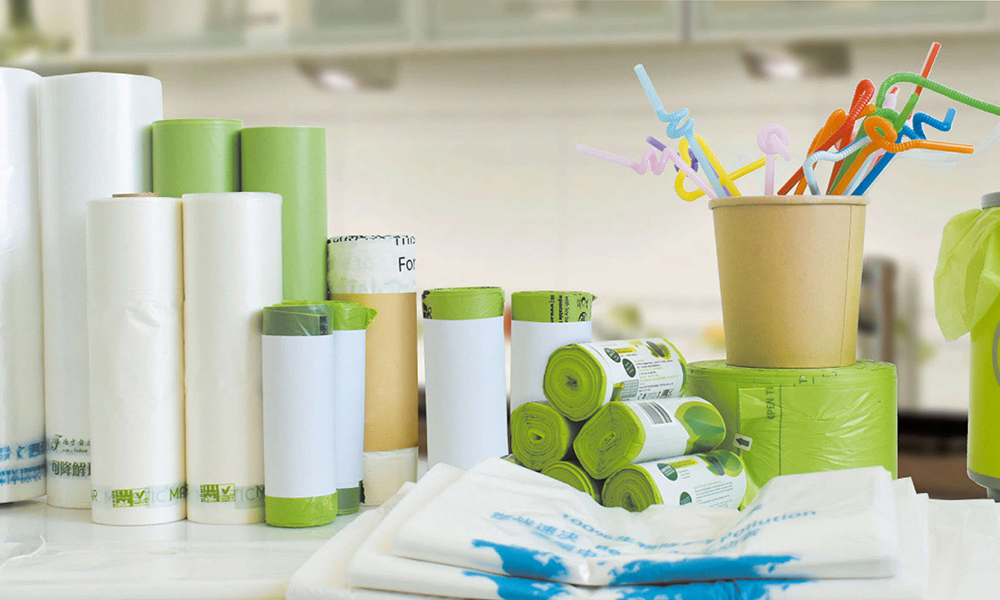
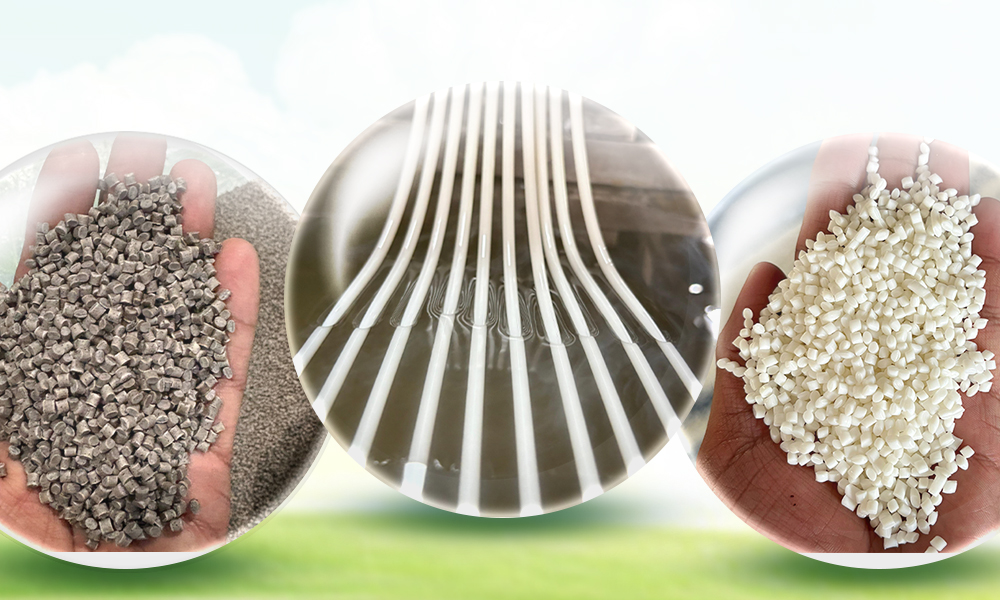
Certified Compostable Materials in India Trusted Solutions for Eco-Friendly Manufacturing

As the global economy increasingly shifts toward sustainability, businesses across industries are rethinking their material choices. From packaging to consumer goods, the push for eco-friendly alternatives has never been stronger. In this transformative era, certified compostable materials in India are emerging as a game-changer, enabling manufacturers to align environmental responsibility with product innovation.

These materials are designed to break down naturally in composting environments, leaving no toxic residue behind. More importantly, certification ensures that these products meet stringent environmental and safety standards. India, with its rapidly growing focus on sustainability and circular economy models, is witnessing an impressive rise in demand for such certified alternatives.

What Are Certified Compostable Materials?

Certified compostable materials are biodegradable substances that decompose completely into natural elements like carbon dioxide, water, and biomass within a specific period under composting conditions. The key difference between “biodegradable” and “certified compostable” is that certification validates performance under standardized conditions. These certifications—such as those provided by BIS, TUV Austria, or OK Compost—ensure the material meets global environmental standards.

In the Indian context, the Central Pollution Control Board (CPCB) and the Bureau of Indian Standards (BIS) regulate these certifications. A certified compostable product in India must meet the IS/ISO 17088 standards for compostability and biodegradability.

Why Manufacturers Are Switching to Compostable Materials

  1. Regulatory Compliance
    With rising environmental concerns, India has implemented strict regulations against single-use plastic and non-recyclable materials. Manufacturers are now required to adopt alternatives that comply with environmental laws. Certified compostable materials provide a legally sound and forward-looking solution.
  2. Brand Image and Market Demand
    Modern consumers are increasingly conscious about what they purchase. Brands that align with sustainability trends attract more loyalty and visibility. Using compostable materials not only reduces environmental harm but also strengthens a company’s brand image.
  3. Better End-of-Life Management
    Unlike conventional plastics, certified compostable materials do not pollute soil or water. They offer better end-of-life value by contributing to compost systems and circular economies.
  4. Versatility and Innovation
    Compostable materials are now available in various forms—films, sheets, pellets, molded products, and more—making them suitable for industries such as food packaging, retail, agriculture, and personal care.

Key Sectors Benefiting from Certified Compostable Materials

  • Food Packaging: Compostable trays, containers, and wraps offer safe and eco-friendly alternatives for takeaways and deliveries.
  • Retail & E-commerce: Compostable courier bags, shopping bags, and garment packaging are becoming popular among fashion and lifestyle brands.
  • Agriculture: Mulch films and seed trays made of compostable material reduce microplastic contamination in soil.
  • Medical Supplies: Compostable gloves, syringes, and packaging for pharmaceuticals are making inroads in hospitals and healthcare units.

Deltora Biopolymers Private Limited – A Trusted Name in Compostable Innovation

One of the companies at the forefront of this green revolution is Deltora Biopolymers Private Limited. With a mission to replace harmful plastics with nature-based alternatives, Deltora specializes in high-quality certified compostable materials that meet international benchmarks.

The company offers a wide range of compostable solutions for food packaging, industrial use, agriculture, and retail. What sets Deltora apart is their commitment to product integrity, certified quality, and environmental sustainability. Their research-backed approach ensures that manufacturers get access to materials that perform reliably without compromising on eco-compliance.

Deltora Biopolymers Private Limited has also invested in educating manufacturers about sustainable practices, making it a valued partner for companies transitioning toward eco-friendly operations.

The Importance of Certification in Compostable Materials

Using compostable material is one step, but using certified compostable material is what truly matters. Certification ensures:

  • The product breaks down within a defined timeline.
  • No harmful substances are released during decomposition.
  • It’s safe for composting environments and human health.

Manufacturers using certified materials not only avoid regulatory risks but also gain consumer trust. In many sectors, especially exports and government tenders, certification is a mandatory requirement.

Challenges and the Way Forward

While the transition to compostable materials is accelerating, it does come with certain challenges:

  • Cost: Certified compostable materials may be slightly more expensive than conventional plastics.
  • Composting Infrastructure: India still lacks large-scale composting facilities in many cities.
  • Awareness: Both consumers and businesses need more awareness about composting benefits and correct disposal methods.

However, as government policies support sustainable development and the private sector embraces green technologies, these challenges are steadily being addressed.

How to Choose the Right Compostable Material Supplier

For manufacturers planning to go green, selecting the right supplier is critical. Here’s what to consider:

  • Look for suppliers with recognized certifications.
  • Evaluate product range and customization options.
  • Ensure the supplier offers support in documentation and regulatory compliance.
  • Ask for product test reports and samples.
  • Consider long-term supply capabilities and scalability.

Companies like Deltora Biopolymers have built their reputation on these very parameters, making them a preferred choice among forward-thinking manufacturers.

Final Thoughts

As the demand for sustainable manufacturing practices grows, certified compostable materials in India are paving the way for a cleaner, greener industrial ecosystem. Businesses that adopt these solutions today not only meet compliance standards but also secure long-term value through brand trust, customer preference, and environmental contribution.

With companies like Deltora Biopolymers Private Limited leading the charge, the path toward eco-friendly manufacturing in India is clearer than ever. By choosing certified compostable alternatives, manufacturers are not just reducing plastic pollution—they’re investing in a future that’s good for the planet and great for business.

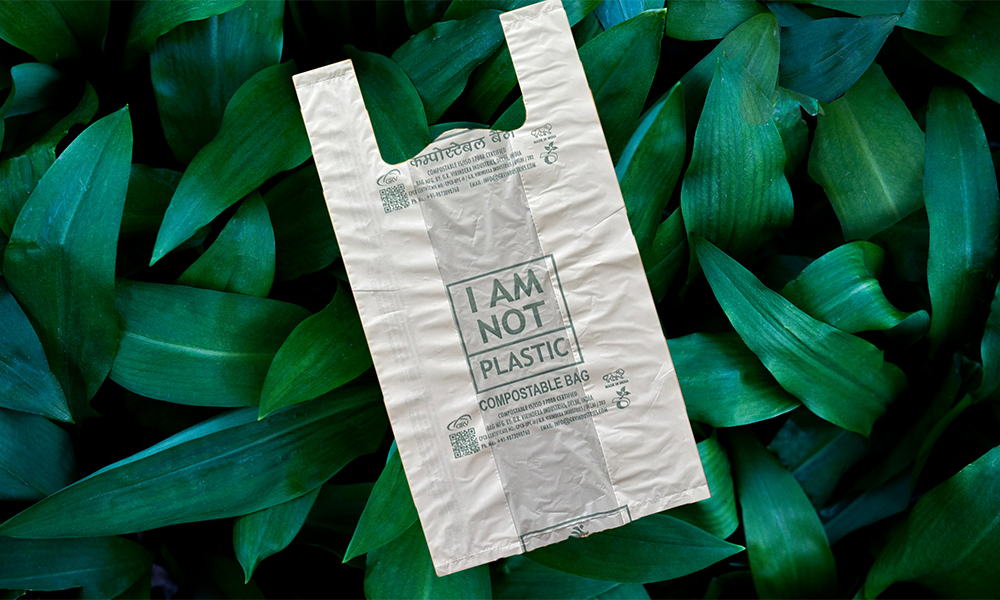
How Sustainable Compostable Raw Material Suppliers Are Powering the Future of Eco-Packaging

The global shift towards sustainability has sparked a remarkable transformation in the packaging industry. With environmental regulations tightening and consumer awareness at an all-time high, traditional plastic packaging is rapidly being replaced by greener, more responsible alternatives. At the core of this movement are sustainable compostable raw material suppliers, who are enabling a new generation of eco-packaging solutions that are not only biodegradable but also high-performing and scalable.

As packaging remains one of the largest contributors to plastic waste worldwide, the transition to compostable alternatives is no longer a choice—it’s a necessity. From food packaging to e-commerce deliveries, sustainable packaging materials are being adopted across multiple sectors. But for this transformation to be effective and truly sustainable, it must begin at the source: the raw materials.

Understanding Sustainable Compostable Raw Materials

Sustainable compostable raw materials are materials derived from renewable, natural sources like corn starch, sugarcane, cassava, or cellulose. These materials are designed to decompose under composting conditions, leaving behind no harmful residues. Unlike conventional plastic, which can take hundreds of years to degrade, compostable materials break down within weeks or months when exposed to the right microbial, moisture, and temperature conditions.

However, not all biodegradable materials are compostable, and not all compostable materials are sustainable. The best solutions lie at the intersection of these three pillars: compostability, renewability, and responsible sourcing.

This is where sustainable compostable raw material suppliers play a vital role. They ensure the base materials used in eco-packaging are environmentally safe, meet global certification standards, and are derived from sources that don’t cause ecological harm or food chain disruption.

The Role of Raw Material Suppliers in the Packaging Revolution

Packaging companies and product manufacturers heavily rely on material suppliers for consistency, compliance, and innovation. In the realm of compostable packaging, raw material suppliers must provide more than just base ingredients—they must offer assurance, traceability, and performance reliability.

Here’s how these suppliers are helping drive the future of sustainable packaging:

1. Material Innovation

Suppliers are constantly researching and developing new blends of plant-based polymers to meet industry-specific needs. Whether it’s flexible films for snack packaging or rigid trays for food storage, innovation in raw materials is helping expand the application of compostable solutions.

2. Certifications and Compliance

Top suppliers ensure their materials comply with global standards like EN 13432, ASTM D6400, and ISO 17088. These certifications assure downstream brands that the packaging will decompose safely and meet regulatory requirements in domestic and international markets.

3. Cost-Effective Scalability

Raw material suppliers are investing in scalable production techniques, making compostable solutions more accessible and price-competitive. This is crucial for industries looking to make an affordable yet impactful switch from plastic to compostable packaging.

4. Supply Chain Transparency

Eco-conscious brands today want to know where their materials come from. Suppliers who offer traceable, ethically sourced materials help build trust and strengthen brand reputation.

Deltora Biopolymers Private Limited: Leading with Responsibility

One standout name in this emerging space is Deltora Biopolymers Private Limited, a company committed to providing high-quality compostable materials sourced from renewable resources. Their mission is rooted in creating sustainable alternatives that not only perform well but also reduce the environmental footprint of packaging.

With a strong focus on research and certifications, Deltora Biopolymers offers a comprehensive range of raw materials suitable for flexible and rigid packaging formats. Their consistent quality, scalable supply, and industry-ready technical support make them a reliable partner for eco-conscious packaging manufacturers across India and beyond.

By aligning with such visionary suppliers, businesses are not just adopting green practices—they’re joining a growing movement that champions the planet without compromising on product performance.

Key Industries Benefiting from Compostable Raw Materials

The impact of sustainable compostable raw materials spans several industries:

  • Food & Beverage: Compostable films, trays, cups, and cutlery reduce landfill waste and align with hygiene and safety standards.
  • Retail & E-commerce: Compostable courier bags, clothing wraps, and labels allow online businesses to ship responsibly.
  • Healthcare: Sustainable blister packs, containers, and hygiene products minimize plastic usage in sensitive environments.
  • Agriculture: Compostable mulch films and seedling trays improve soil health and reduce farm waste.

As demand continues to grow, suppliers who can deliver on quality, innovation, and environmental integrity will define the future of eco-packaging.

The Future Outlook: Challenges and Opportunities

While the progress is encouraging, the journey towards full-scale adoption of compostable packaging faces challenges:

  • Composting Infrastructure: India still lacks widespread industrial composting units to process all compostable waste effectively.
  • Consumer Awareness: Many users still don’t know how to dispose of compostable packaging properly.
  • Initial Cost: Though dropping, compostable materials can still be more expensive than conventional plastic, especially for small businesses.

Despite these challenges, the opportunities are vast. Government policies supporting green materials, international trade incentives, and rising consumer preference for sustainable products are all setting the stage for rapid industry expansion.

Final Thoughts

The shift toward eco-friendly packaging isn’t just a trend—it’s a defining movement of our generation. At the heart of this movement are sustainable compostable raw material suppliers, whose commitment to responsible innovation is enabling a new era of packaging solutions. From reducing plastic dependency to supporting circular economies, these suppliers are making it possible for businesses to adopt sustainability without sacrificing performance or reliability.

Companies like Deltora Biopolymers Private Limited are demonstrating that when raw materials are chosen with care, the impact ripples across the entire value chain—from manufacturers to consumers to the environment.

In a world increasingly defined by climate responsibility, the future of packaging depends on sustainable beginnings. And it all starts with choosing the right raw materials.

Leading Compostable Bags and Packaging Manufacturers Revolutionizing Green Alternatives

The global packaging industry is undergoing a major shift. With increasing pressure to reduce plastic waste and embrace sustainability, businesses and consumers alike are turning toward biodegradable and eco-conscious alternatives. Among these, compostable bags and packaging manufacturers are playing a vital role in redefining the future of packaging. Their efforts are not only helping reduce the environmental footprint of everyday packaging but are also providing industries with efficient, high-performing, and planet-friendly options.

Compostable packaging offers a sustainable solution to a long-standing problem: plastic pollution. As governments introduce strict regulations against single-use plastics and as eco-conscious customers demand greener alternatives, businesses need to adapt. Compostable materials—especially in the form of bags, pouches, wraps, and containers—present an answer that is both practical and planet-positive.

What Are Compostable Bags and Packaging?

Compostable bags and packaging are made from plant-based materials such as corn starch, sugarcane, cellulose, or other renewable sources. These materials break down naturally in composting conditions and return to the earth without leaving harmful residues. Unlike conventional plastic, which can take centuries to degrade, compostable packaging typically decomposes within weeks or months in commercial composting environments.

It’s important to differentiate compostable from just biodegradable. While all compostable materials are biodegradable, not all biodegradable items are truly compostable. True compostability means the material meets specific standards, such as IS/ISO 17088 in India or EN 13432 in Europe, ensuring complete breakdown and non-toxic results.

Why Compostable Packaging Is the Future

  1. Environmental Impact
    Compostable bags significantly reduce plastic waste in landfills and oceans. When disposed of correctly, these bags decompose into natural elements, reducing long-term environmental damage.
  2. Government Regulations
    Many countries, including India, are implementing bans and restrictions on single-use plastics. These regulatory changes are accelerating the shift toward compostable packaging alternatives.
  3. Consumer Preferences
    Eco-conscious consumers now prefer products with minimal environmental impact. Brands using sustainable packaging often enjoy a stronger reputation and increased customer loyalty.
  4. Brand Responsibility
    Today’s businesses are expected to take active steps toward sustainability. By using compostable materials, companies demonstrate social and environmental responsibility, which is essential for long-term credibility.

Innovations by Compostable Bags and Packaging Manufacturers

The industry is evolving quickly, thanks to continuous innovation by compostable bags and packaging manufacturers. From packaging films and carry bags to customized retail and e-commerce solutions, compostable alternatives are being engineered to suit a wide variety of applications.

Key innovations include:

  • Multi-layer compostable films that offer durability, printability, and moisture resistance.
  • Compostable courier and mailing bags tailored for the booming e-commerce sector.
  • Customized compostable shopping bags for grocery, apparel, and daily retail needs.
  • Compostable pouches and wraps used in food and personal care packaging.

The success of these innovations lies not just in material science but in meeting real business demands—durability, performance, and compliance with global environmental standards.

Deltora Biopolymers Private Limited – A Trusted Innovator

Among the leading contributors in this space, Deltora Biopolymers Private Limited stands out as a trusted and forward-thinking manufacturer. With a firm commitment to environmental stewardship, the company offers a comprehensive range of compostable bags and packaging products that are fully certified and made from renewable resources.

Their solutions cater to industries such as food delivery, fashion retail, agriculture, and healthcare. What makes Deltora’s products reliable is their consistent quality, traceability, and adherence to international compostability standards. The company also supports clients with educational guidance on usage, disposal, and composting best practices, ensuring a complete sustainability loop from production to end-of-life.

By combining innovation, integrity, and impact, Deltora Biopolymers Private Limited is helping businesses transition away from harmful plastics and toward responsible alternatives.

Sectors Driving the Demand for Compostable Packaging

  1. Food & Beverage
    With increasing demand for takeaway and delivery, compostable containers, wraps, and cutlery are being adopted widely by restaurants and cafes.
  2. Retail & Fashion
    Brands are replacing plastic shopping bags with compostable carry bags that match their sustainability goals and aesthetics.
  3. E-commerce
    As online shopping grows, compostable courier bags are becoming essential to reduce plastic waste in packaging.
  4. Healthcare & Hygiene
    Compostable pouches, gloves, and sanitary wrappers are being explored as replacements for traditional non-biodegradable options.
  5. Agriculture
    Compostable mulch films, nursery bags, and seedling trays improve soil health and reduce farming waste.

Challenges and Opportunities in the Industry

While the growth in compostable packaging is promising, challenges still exist:

  • Limited Composting Infrastructure: Industrial composting facilities are not yet widespread in India.
  • Higher Initial Costs: Compostable materials may currently cost more than traditional plastic.
  • Awareness and Misuse: Improper disposal and confusion between biodegradable and compostable materials can hinder effectiveness.

However, these challenges are being addressed by policy improvements, technological advancements, and awareness campaigns. With greater demand and economies of scale, prices are gradually coming down, and infrastructure is catching up.

Final Thoughts

As the world shifts toward sustainable practices, the importance of responsible packaging cannot be overstated. Compostable bags and packaging manufacturers are not only reducing our reliance on plastics but are actively shaping a circular economy where waste becomes a resource.

Manufacturers like Deltora Biopolymers Private Limited are leading this green revolution, offering reliable, high-quality, and certified compostable alternatives to meet modern business needs. Their work is not only a contribution to environmental well-being but also a model for innovation and ethical responsibility in industrial practices.

For businesses aiming to align with sustainable values and meet the expectations of today’s eco-aware consumers, compostable packaging is not just an option—it’s the future.

Sustainable Biopolymer Innovations Building a Greener Future for Packaging and Beyond

In the face of growing environmental challenges, the world is undergoing a profound transformation in how products are made, consumed, and disposed of. Among the many technological strides being taken to reduce our dependence on fossil fuels and non-degradable plastics, sustainable biopolymer innovations have emerged as a powerful solution. These breakthroughs are helping shape not only the future of packaging but also broader applications across various industries, from agriculture to healthcare.

At the heart of this transformation is the commitment to reducing carbon emissions, curbing plastic pollution, and promoting circular economies. Biopolymers—polymers derived from renewable biological sources—are now being developed to meet industrial demands while aligning with global sustainability goals. They represent a fusion of science, environmental stewardship, and innovation.

What Are Sustainable Biopolymers?

Sustainable biopolymers are materials derived from renewable resources such as corn starch, sugarcane, potato starch, cellulose, and even algae. Unlike traditional petroleum-based plastics, biopolymers can decompose under composting conditions, making them environmentally friendly at both the production and disposal stages.

What makes them “sustainable” is not just their biodegradability, but also their renewable origin and reduced impact on ecosystems throughout their lifecycle. Many biopolymers also require less energy to produce, generate fewer greenhouse gases, and avoid releasing harmful microplastics into the environment.

The Growing Need for Eco-Friendly Packaging

Packaging is one of the largest contributors to global plastic waste. Billions of single-use plastic bags, wrappers, and containers end up in landfills and oceans each year, causing long-term environmental harm. In response, governments, brands, and consumers are demanding packaging solutions that are recyclable, compostable, or reusable.

This is where biopolymers stand out. With comparable strength, flexibility, and shelf-life to conventional plastic, they are becoming the preferred material for packaging that not only performs well but also leaves a smaller ecological footprint.

Key Innovations in Biopolymer Development

Recent innovations are expanding the potential of biopolymers beyond traditional use cases. Here are some notable developments:

1. High-Performance Compostable Films

Modern biopolymer films are being engineered to match the durability and clarity of plastic films while being 100% compostable. These are widely used in food packaging, agriculture, and retail sectors.

2. Biopolymer Coatings for Paper Products

New solutions are being developed to coat paper cups, plates, and containers with compostable layers, replacing traditional plastic linings that make these items non-recyclable.

3. Injection Molding Biopolymers

Biopolymer granules are now used in injection molding processes to create rigid, heat-resistant products like cutlery, trays, and containers.

4. Water-Soluble Biopolymers

Innovators are working on water-soluble biopolymers for applications like detergent pods, single-use hygiene products, and agricultural seed coatings.

5. Biopolymer Blends for Industrial Strength

Custom blends are being created for use in electronics, medical devices, and automotive interiors—showing that the applications of sustainable biopolymers extend far beyond packaging.

Benefits Driving Adoption

The widespread adoption of sustainable biopolymer innovations is being driven by numerous factors:

  • Environmental Protection: Biopolymers reduce reliance on fossil fuels and help prevent plastic pollution.
  • Regulatory Support: Many countries are enacting bans on single-use plastics, encouraging manufacturers to switch to compostable materials.
  • Consumer Awareness: Eco-conscious buyers are willing to pay more for products with sustainable packaging.
  • Corporate Responsibility: Brands are increasingly focused on their environmental footprint and are choosing green alternatives to align with ESG (Environmental, Social, and Governance) goals.

Deltora Biopolymers Private Limited – Innovating for Impact

One of the companies leading this sustainability shift is Deltora Biopolymers Private Limited, a forward-thinking enterprise committed to developing and supplying high-performance biopolymer materials. Through consistent research, innovation, and collaboration with manufacturers, Deltora is helping reshape the packaging landscape in India and beyond.

Their products include a wide range of compostable raw materials that meet global certification standards for biodegradability and compostability. By focusing on both material quality and environmental impact, Deltora Biopolymers Private Limited supports businesses that want to innovate without compromising on sustainability.

Beyond Packaging – Expanding Horizons for Biopolymers

While packaging remains the most visible application, sustainable biopolymers are making inroads into other sectors:

  • Agriculture: Compostable mulch films and seedling trays help improve soil health and eliminate farm waste.
  • Healthcare: Biopolymer-based medical devices and packaging offer sterile, disposable options that are safe for patients and the planet.
  • Textiles: Biopolymers are being used to create biodegradable fibers for eco-conscious clothing and accessories.
  • Electronics: Flexible biopolymer films are being explored in circuit boards and other components.

The versatility of biopolymers means they will play a significant role in multiple industries striving to reduce their environmental footprint.

Challenges and the Way Forward

Despite their many benefits, biopolymers are not without challenges:

  • Higher Costs: Sustainable materials often come at a higher price point than traditional plastics, especially in small-scale production.
  • Limited Composting Infrastructure: In many countries, industrial composting facilities are still underdeveloped.
  • Consumer Education: Many users still don’t understand how to properly dispose of compostable materials, which can undermine their benefits.

However, as demand rises and technology advances, costs are expected to fall and infrastructure is likely to expand. Educational campaigns and clear labeling will also play a vital role in bridging the knowledge gap.

Final Thoughts

The path to a sustainable future is paved with innovation, and sustainable biopolymer innovations are leading the way. These materials offer a practical and planet-friendly solution to the world’s plastic crisis. From reducing carbon emissions to enabling responsible product design, biopolymers are reshaping what’s possible in packaging and beyond.

With committed companies like Deltora Biopolymers Private Limited at the forefront, the future of materials science is not just promising—it’s green. By embracing biopolymers, industries can meet today’s sustainability challenges while laying the foundation for a cleaner, healthier tomorrow.