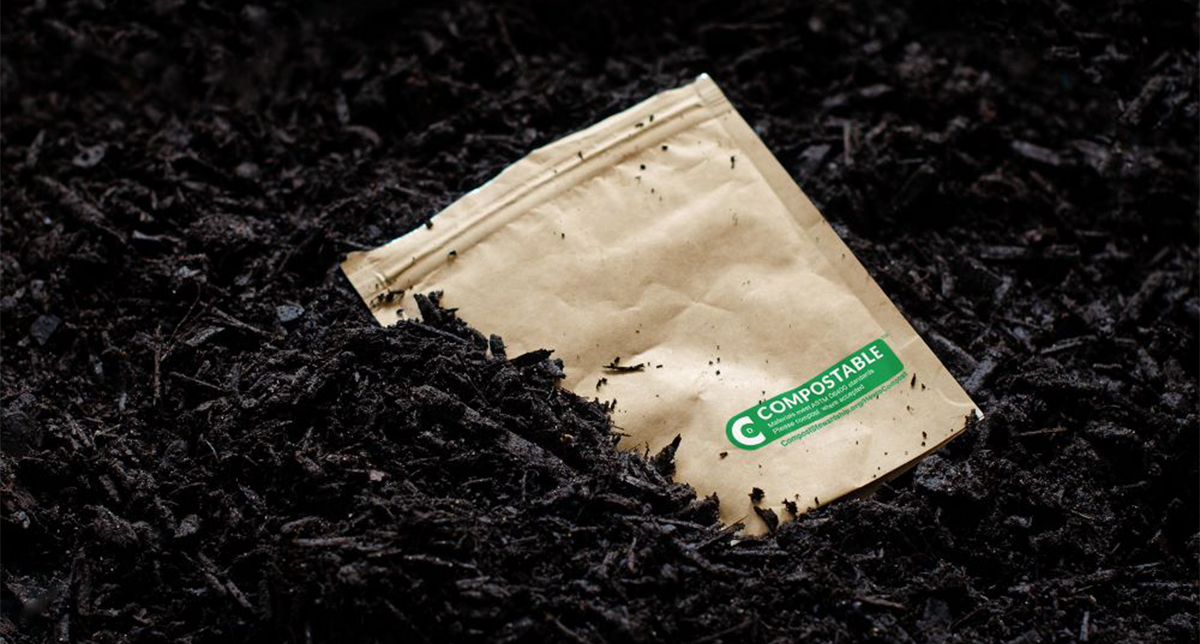
For decades, the world has relied heavily on petroleum-based plastic due to its durability, versatility, and affordability. But as environmental concerns rise and waste management systems struggle to keep up, it has become clear that traditional plastics are no longer sustainable. While many alternatives have been introduced, they often fall short in areas like durability, cost-efficiency, heat resistance, and large-scale manufacturability. This is where green material engineering is stepping in to create a real transformation.
Green material engineering blends scientific innovation with environmental responsibility. It focuses on developing materials derived from natural or low-impact sources while enhancing their functional performance to match or exceed conventional plastics. This approach is solving long-standing limitations and enabling industries to adopt truly viable plastic alternatives.
What Green Material Engineering Brings to the Table
The shortcomings of early plastic alternatives—poor strength, inconsistent performance, limited shelf life, and high costs—prevented widespread adoption. Green material engineering directly addresses these issues through:
1. Smarter Material Formulation
Modern researchers are able to modify and enhance plant-based polymers, natural fibers, and eco-friendly compounds at the molecular level. These improvements make them stronger, more flexible, and more temperature-resistant than their earlier versions.
2. Combining Natural Materials With Advanced Engineering
Green material engineering doesn’t rely solely on raw natural materials. Instead, it combines engineered binders, natural reinforcements, and innovative processing techniques to develop materials that behave like high-performance plastics—without environmental drawbacks.
3. Consistent Quality for Mass Production
A major challenge with early plastic alternatives was inconsistency. Today, advanced engineering techniques ensure uniformity across each batch, making large-scale manufacturing practical and reliable.
4. Lower Environmental Impact Throughout Lifecycle
Green-engineered materials emphasize sustainability from production to end-of-life. They are commonly made from renewable resources, require less energy to produce, and support circular economy systems.
The Key Innovations Driving Plastic Alternative Evolution
Green material engineering is shaping a new generation of sustainable materials with enhanced capabilities. Some of the most impactful innovations include:
1. Reinforced Plant-Based Polymers
By strengthening plant-derived polymers using natural fiber reinforcements, these materials now deliver remarkable durability and flexibility. They can be used for packaging films, containers, consumer goods, and agricultural applications.
2. High-Performance Bio-Composites
Bio-composites integrate natural fibers like hemp, rice husk, bamboo, or sugarcane bagasse with engineered natural resins. The resulting materials can be used in construction, automotive interiors, electronic casings, and industrial applications—where strength and stability are essential.
3. Heat and Moisture-Resistant Natural Materials
Green material engineering has enabled the creation of eco-friendly materials that can withstand heat, humidity, and moisture—areas where earlier natural materials often failed. This makes them suitable for food packaging, daily-use products, and storage applications.
4. Advanced Material Processing Techniques
Extrusion, molding, blending, and coating technologies have been upgraded to accommodate eco-friendly materials. These advancements allow industries to adopt sustainable materials without overhauling their entire manufacturing systems.
How Green Engineering Solves the Biggest Problems in Plastic Alternatives
1. Strength and Durability
Older alternatives often cracked, deformed, or degraded too quickly. With engineered reinforcement and advanced polymer blending, new green materials now offer strength comparable to traditional plastics.
2. Consistency Across Different Environments
Temperature changes, humidity, and handling conditions once caused plastic alternatives to behave unpredictably. Today’s green-engineered materials remain stable, reliable, and consistent across diverse environments.
3. Scalability and Commercial Viability
Sustainable materials used to be expensive and difficult to scale. Green material engineering has made production processes more efficient, reducing costs and enabling mass manufacturing for global industries.
4. Improved Aesthetic and Structural Qualities
Modern eco-materials can be molded, colored, printed, textured, and shaped just like traditional plastics. This allows brands to maintain aesthetics while delivering sustainable products.
Industries Benefiting From Green Material Engineering
Green-engineered materials are now becoming mainstream across multiple sectors, including:
- Food and Beverage Packaging – safer, stronger, and moisture-resistant alternatives
- Retail and E-Commerce – lightweight yet durable packaging solutions
- Automotive – bio-composite interiors that reduce vehicle weight and emissions
- Agriculture – natural-film solutions, mulch sheets, and protective coverings
- Consumer Goods – greener versions of daily-use items like cutlery, containers, and homeware
This cross-industry adoption reflects growing confidence in the performance and reliability of engineered sustainable materials.
Leading the Charge in Material Innovation
Organizations like Deltora Biopolymers Private Limited are contributing significantly to this evolution by developing advanced eco-friendly materials tailored to India’s diverse industrial needs. Their research-driven approach demonstrates how scientific engineering can unlock the full potential of sustainable polymers.
By bridging the gap between natural resources and high-performance applications, companies such as Deltora Biopolymers Private Limited are helping industries transition away from petroleum-based plastics without compromising on quality or efficiency.
Conclusion: The Future Belongs to Engineered Green Materials
Green material engineering is reshaping the entire landscape of plastic alternatives. It is overcoming limitations that once made sustainable materials impractical and transforming them into high-performance, commercially viable solutions. As industries move toward eco-conscious manufacturing and stronger environmental commitments, engineered sustainable materials are becoming essential—not optional.
The future of plastic alternatives lies in innovation, engineering excellence, and nature-inspired design. With continued research, rising awareness, and advanced material science, green materials will play a defining role in building a cleaner, smarter, and more sustainable world.