Understanding Compostable Certifications What You Need to Know

As sustainability becomes a core focus for businesses, especially in the food and packaging industry, compostable products are gaining widespread adoption. However, not all products labeled as “compostable” are created equal. To ensure environmental credibility, products must adhere to compostable certifications issued by recognized authorities. Companies like Deltora Biopolymers Private Limited offer certified compostable products, helping businesses maintain authenticity and compliance while promoting eco-friendly practices.

What Are Compostable Certifications?

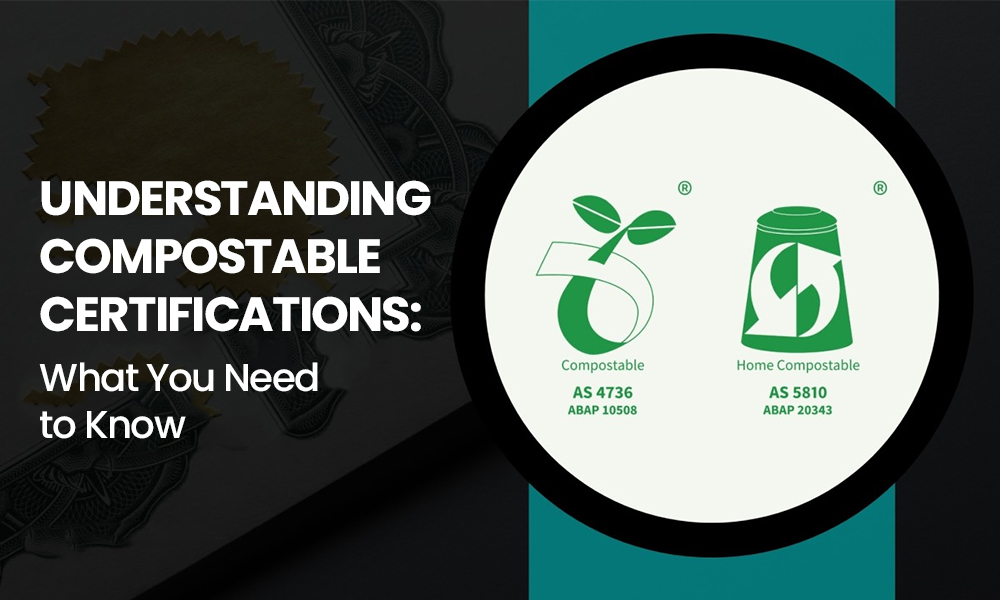
Compostable certifications are formal validations that a product can break down in a composting environment without leaving harmful residues. These certifications are issued by regulatory or independent organizations after rigorous testing of the product’s biodegradability, disintegration, and environmental safety.

Certified compostable products must meet strict standards to ensure that they decompose fully within a set timeframe, typically 90–180 days, under industrial composting conditions. This guarantees that businesses and consumers are using truly eco-friendly solutions rather than misleading alternatives.

Key Compostable Certification Standards

Several international and regional standards govern compostable certifications:

  1. ASTM D6400 (United States)
    This standard applies to plastics designed to be composted in municipal and industrial facilities. Products must break down into carbon dioxide, water, and biomass without leaving toxic residues.
  2. EN 13432 (Europe)
    One of the most widely recognized standards for compostable packaging. It evaluates biodegradability, disintegration, and ecotoxicity of packaging materials in industrial composting conditions.
  3. ISO 17088
    An international standard focusing on the compostability of plastics and other materials. It ensures consistency and reliability across different countries and industries.
  4. BPI Certification (Biodegradable Products Institute)
    BPI verifies that products meet ASTM D6400 or D6868 standards. Products with BPI logos assure consumers and businesses of verified compostability.
  5. CPCB Approval (India)
    In India, the Central Pollution Control Board (CPCB) certifies products as compostable based on national guidelines, ensuring they align with local environmental regulations.

Why Compostable Certifications Matter

  1. Consumer Trust
    Consumers are increasingly eco-conscious and prefer brands that adopt verifiable sustainable practices. Certified compostable products provide transparency and credibility.
  2. Regulatory Compliance
    Many countries enforce bans on non-compostable plastics. Certifications help businesses meet these regulations and avoid penalties.
  3. Environmental Responsibility
    Certified products ensure that packaging truly decomposes, contributing to reduced landfill waste and lower carbon footprint.
  4. Market Differentiation
    Companies that use certified compostable products can position themselves as environmentally responsible leaders, enhancing brand reputation and customer loyalty.

How Businesses Can Adopt Certified Compostable Products

Businesses need to carefully select products that have been tested and certified by recognized authorities. Companies like Deltora Biopolymers Private Limited provide a wide range of certified compostable packaging solutions, including bags, films, cups, and containers. These products not only meet international standards but also ensure consistent quality and performance for commercial applications.

It is also essential to educate employees and customers about proper disposal practices. Compostable materials require appropriate industrial composting facilities or, in some cases, home composting methods to achieve full decomposition. Mismanagement can result in the product not breaking down as intended, reducing the environmental benefits.

Challenges in the Adoption of Compostable Certifications

While certifications provide assurance, there are challenges to consider:

  • Infrastructure Limitations: Industrial composting facilities may not be widely available in all regions.
  • Consumer Awareness: Lack of understanding about proper disposal can hinder effective composting.
  • Cost Considerations: Certified compostable products may have higher upfront costs compared to conventional plastics.

Despite these challenges, adopting certified compostable products is a crucial step toward sustainable operations and environmental stewardship.

The Future of Compostable Certifications

As the demand for sustainable packaging grows, compostable certifications will play a pivotal role in guiding businesses and consumers toward reliable eco-friendly products. Companies like Deltora Biopolymers Private Limited are committed to supporting this transition by offering certified solutions that meet international standards, helping industries worldwide reduce their environmental impact and comply with evolving regulations.


FAQs About Compostable Certifications

1. What is a compostable certification?
A compostable certification is an official validation that a product can break down in a composting environment without leaving harmful residues, confirming its eco-friendly nature.

2. Why are compostable certifications important for businesses?
Certifications help businesses build consumer trust, comply with regulations, differentiate their brand, and ensure that their products are truly environmentally responsible.

3. What are the common international compostable standards?
Common standards include ASTM D6400 (USA), EN 13432 (Europe), ISO 17088 (International), and BPI certification, each ensuring biodegradability, disintegration, and safety.

4. Can all compostable products be disposed of at home?
Not all products are suitable for home composting. Some require industrial composting facilities to break down completely. Businesses should provide guidance on proper disposal methods.

5. How can companies source certified compostable products?
Businesses can partner with trusted suppliers like Deltora Biopolymers Private Limited, who provide certified, high-quality biopolymer solutions for food packaging, retail, and other applications.
Reducing Plastic Waste How Biopolymers Make a Difference

Plastic pollution has become one of the most pressing environmental challenges of the 21st century. With millions of tons of plastic waste ending up in landfills and oceans every year, there is an urgent need for sustainable alternatives. Biopolymers, a type of biodegradable and renewable material, are emerging as a powerful solution to reduce plastic waste. Companies like Deltora Biopolymers Private Limited are at the forefront of developing innovative biopolymer products that help businesses and consumers minimize their environmental footprint.

What Are Biopolymers?

Biopolymers are materials derived from natural sources such as corn starch, sugarcane, cellulose, and other plant-based resources. Unlike traditional plastics made from petroleum, biopolymers are renewable, biodegradable, and often compostable. They can be used to manufacture a variety of products, including packaging, bags, disposable cutlery, and even textiles.

By breaking down naturally under composting or controlled environmental conditions, biopolymers prevent the accumulation of non-degradable plastic waste in landfills and oceans. This characteristic makes them an ideal choice for companies looking to adopt sustainable practices.

The Environmental Impact of Traditional Plastics

Conventional plastics can take hundreds of years to decompose. During this time, they release harmful chemicals and break into microplastics that contaminate soil and water. This pollution not only affects ecosystems but also poses health risks to humans through the food chain.

The food and retail sectors, in particular, are major contributors to plastic waste. Single-use plastic packaging, shopping bags, and disposable utensils dominate these industries, making it crucial to adopt alternatives that can reduce environmental damage.

How Biopolymers Help Reduce Plastic Waste

  1. Biodegradability
    Biopolymers decompose naturally over time, reducing the burden on landfills and oceans. This helps minimize the long-term environmental impact of plastic waste.
  2. Renewable Resources
    Unlike petroleum-based plastics, biopolymers are derived from plants and agricultural waste. This reduces dependency on fossil fuels and promotes sustainable resource management.
  3. Versatile Applications
    Biopolymers can replace conventional plastics in multiple applications, including packaging, disposable cutlery, containers, and films. Their adaptability ensures a smooth transition for businesses aiming to reduce plastic use.
  4. Compliance with Regulations
    Governments worldwide are implementing strict bans and restrictions on single-use plastics. Switching to biopolymer-based products helps companies comply with these regulations and avoid penalties.
  5. Enhanced Brand Image
    Consumers increasingly prefer brands that prioritize sustainability. By using biopolymer products, businesses can strengthen their reputation and build loyalty among eco-conscious customers.

Applications of Biopolymers Across Industries

Biopolymers are not limited to a single sector. They are widely used in food packaging, healthcare, agriculture, and retail industries. Restaurants and food delivery services use biopolymer-based containers, cutlery, and bags. Retailers adopt biopolymer shopping bags and wrapping films, while healthcare facilities utilize biodegradable medical packaging.

Deltora Biopolymers Private Limited provides a range of biopolymer solutions that are tailored for diverse industry requirements. Their products are certified for quality, food safety, and compostability, ensuring businesses can integrate eco-friendly alternatives without compromising performance.

Challenges and Considerations

While biopolymers are a promising alternative, certain challenges need to be addressed. Proper disposal and composting infrastructure are essential to achieve effective biodegradation. Without these facilities, some biopolymers may not decompose as intended.

Additionally, businesses must choose certified biopolymer products. Certifications such as ASTM D6400 and EN 13432 ensure the material meets international standards for biodegradability and compostability. Educating consumers and employees about proper disposal is also critical to maximize environmental benefits.

The Future of Biopolymers

The shift towards biopolymers is more than a trend—it is a global movement towards sustainable living. Continuous innovation in biopolymer technology is making these materials stronger, more versatile, and cost-effective. By adopting biopolymers, businesses can significantly reduce plastic waste, comply with regulations, and meet the growing demand for eco-friendly products.

Deltora Biopolymers Private Limited continues to innovate, offering solutions that help industries reduce their reliance on traditional plastics while maintaining high performance and quality standards. As awareness of plastic pollution grows, biopolymers will play an increasingly important role in shaping a sustainable future.


FAQs About Biopolymers and Plastic Waste Reduction

1. What are biopolymers?
Biopolymers are materials made from renewable natural sources such as cornstarch, sugarcane, and cellulose. They are biodegradable and, in many cases, compostable, making them an eco-friendly alternative to traditional plastics.

2. How do biopolymers reduce plastic waste?
Biopolymers decompose naturally over time, reducing landfill and ocean accumulation. They replace conventional plastics in packaging, cutlery, bags, and other single-use products.

3. Are biopolymers safe for food packaging?
Yes, certified biopolymer products are food-safe, non-toxic, and suitable for both hot and cold food items. Companies like Deltora Biopolymers Private Limited ensure their products meet industry standards.

4. Can biopolymers be recycled?
Some biopolymers can be composted, but they may not always be suitable for traditional recycling streams. Proper industrial or home composting is recommended for effective biodegradation.

5. What industries can benefit from biopolymers?
Biopolymers are versatile and widely used in food packaging, healthcare, agriculture, retail, and even textiles. Any industry seeking to reduce plastic waste can benefit from their adoption.

How Compostable Products Are Revolutionizing the Food Industry

In recent years, the food industry has faced immense pressure to adopt sustainable practices. One of the most significant shifts has been the adoption of compostable products, which are gradually replacing traditional plastic packaging. Compostable materials are designed to break down naturally in controlled environments, leaving behind nutrient-rich organic matter instead of harmful microplastics. Companies like Deltora Biopolymers Private Limited are leading the charge in providing innovative compostable solutions tailored for the food sector.

The Growing Need for Compostable Products in Food Packaging

The food industry is one of the largest contributors to plastic waste, with single-use packaging dominating the market. From takeaway containers and cutlery to cups and wrapping films, most of these items end up in landfills or oceans, causing environmental damage. Consumers are increasingly aware of this impact and are demanding eco-friendly alternatives.

Compostable products offer a viable solution, as they are made from natural materials like cornstarch, sugarcane bagasse, and PLA (polylactic acid). These materials can decompose fully under industrial composting conditions, returning valuable nutrients to the soil. By adopting compostable packaging, food businesses not only reduce their ecological footprint but also demonstrate a commitment to sustainability, which resonates well with modern consumers.

How Compostable Packaging Benefits the Food Industry

  1. Environmental Impact Reduction
    Compostable products significantly reduce plastic waste. Unlike conventional plastics, they do not contribute to long-term pollution, and their biodegradability ensures minimal environmental disruption.
  2. Consumer Appeal
    Eco-conscious consumers are more likely to choose brands that prioritize sustainability. Compostable packaging conveys a message of responsibility, improving brand loyalty and customer perception.
  3. Regulatory Compliance
    Governments worldwide are implementing stricter regulations on single-use plastics. By switching to compostable products, food businesses can stay ahead of compliance requirements and avoid potential fines.
  4. Versatility and Safety
    Modern compostable materials are designed to withstand various temperatures, making them suitable for hot and cold foods. Additionally, they are food-safe, non-toxic, and free from harmful chemicals often found in conventional plastics.
  5. Cost Efficiency in the Long Run
    While initial costs may be slightly higher, investing in compostable products can lead to savings in waste management and potential incentives for environmentally responsible practices.

Real-World Applications in the Food Industry

Compostable packaging is making its way into multiple sectors of the food industry. Restaurants, cafes, and fast-food chains are replacing traditional plastics with compostable plates, cups, straws, and cutlery. Retailers are using compostable bags and wrapping materials for groceries and ready-to-eat meals.

Companies like Deltora Biopolymers Private Limited are at the forefront, supplying high-quality compostable films, bags, and containers that meet both industrial standards and consumer expectations. These products not only maintain the quality and safety of food items but also ensure that packaging waste contributes positively to environmental sustainability.

Challenges and Considerations

Despite the many benefits, adopting compostable products comes with challenges. Proper composting infrastructure is essential for these materials to break down effectively. Without access to industrial composting facilities, some compostable products may not decompose as intended. Educating consumers and staff on correct disposal practices is equally important to maximize environmental benefits.

Additionally, companies need to carefully select certified compostable products. Certifications such as ASTM D6400 or EN 13432 ensure that the product meets international standards for compostability, providing assurance to both businesses and consumers.

The Future of Compostable Products in Food

The shift towards compostable products is not just a trend but a long-term transformation in the food industry. With continuous innovations in biopolymers, packaging can now be stronger, more durable, and versatile without harming the environment. Businesses that embrace these solutions early will benefit from enhanced brand value, regulatory compliance, and customer trust.

Deltora Biopolymers Private Limited continues to innovate in this space, offering a wide range of certified compostable products designed to meet the evolving needs of the food sector. Their commitment to sustainability helps food businesses integrate eco-friendly solutions without compromising quality or performance.


FAQs About Compostable Products in the Food Industry

1. What are compostable products?
Compostable products are materials that can break down naturally in industrial or home composting conditions, leaving no toxic residues behind. They are typically made from renewable resources like cornstarch, sugarcane bagasse, or PLA.

2. How do compostable products benefit restaurants and cafes?
These products reduce plastic waste, appeal to eco-conscious customers, and help businesses comply with regulations on single-use plastics. They are also safe for food contact and versatile for both hot and cold items.

3. Are compostable products more expensive than regular plastics?
The initial cost may be slightly higher, but they offer long-term savings through reduced waste management costs and enhanced brand reputation. Many businesses also gain incentives for adopting eco-friendly practices.

4. How should compostable products be disposed of?
Compostable products should ideally be disposed of in industrial composting facilities. If unavailable, educating staff and consumers on home composting options can help ensure effective decomposition.

5. Can all food packaging be made compostable?
While most single-use packaging can be replaced with compostable alternatives, certain applications requiring extreme durability or long shelf life may still need specialized solutions. Companies like Deltora Biopolymers Private Limitedprovide tailored options to meet different food industry requirements.

The Future of Packaging Why Biopolymers Are the Sustainable Choice

The packaging industry is undergoing a major transformation. With growing concerns about plastic pollution and environmental sustainability, businesses are seeking alternatives to conventional plastics. Biopolymers, derived from renewable natural sources, are emerging as a leading solution for sustainable packaging. Companies like Deltora Biopolymers Private Limited are pioneering the development of high-quality biopolymer products that are eco-friendly, durable, and versatile, offering businesses a sustainable path forward.

Understanding Biopolymers

Biopolymers are materials created from biological sources such as cornstarch, sugarcane bagasse, cellulose, and other plant-based compounds. Unlike traditional petroleum-based plastics, biopolymers are renewable and biodegradable. Some biopolymers are also compostable, meaning they can naturally break down into non-toxic substances under industrial composting conditions.

This unique property allows biopolymers to provide the functionality of conventional plastics while minimizing environmental harm. They can be used to create packaging films, bags, containers, cups, cutlery, and other single-use products.

Why the Packaging Industry Needs Sustainable Solutions

Plastic packaging has long been a staple of the food, retail, and e-commerce sectors. However, it has a severe environmental cost. Single-use plastics take hundreds of years to degrade, contaminating soil and water with microplastics that harm wildlife and human health.

Consumers are increasingly demanding sustainable packaging solutions, and governments worldwide are implementing strict regulations to limit the use of single-use plastics. This shift is pushing companies to explore alternatives that are both environmentally responsible and economically feasible.

Benefits of Using Biopolymers in Packaging

  1. Reduced Environmental Impact
    Biopolymers break down naturally, reducing the accumulation of non-degradable waste in landfills and oceans. This contributes to cleaner ecosystems and lower pollution levels.
  2. Renewable Resources
    Unlike petroleum-based plastics, biopolymers are sourced from plants, reducing reliance on fossil fuels and supporting sustainable agriculture.
  3. Versatility in Applications
    Biopolymers are suitable for a wide range of packaging applications, including food containers, shopping bags, wrapping films, and disposable cutlery. Their flexibility allows businesses to replace plastics without sacrificing functionality.
  4. Consumer Trust and Brand Value
    Eco-conscious consumers are more likely to support brands that adopt sustainable practices. Using biopolymer packaging demonstrates environmental responsibility, enhancing brand reputation and customer loyalty.
  5. Regulatory Compliance
    Many countries have started enforcing bans and restrictions on single-use plastics. Biopolymers allow businesses to comply with regulations while continuing to meet packaging needs effectively.

Innovations Driving the Biopolymer Packaging Industry

The biopolymer packaging industry has witnessed significant innovation in recent years. Companies are developing materials that are stronger, more heat-resistant, and adaptable for different food and retail applications.

Deltora Biopolymers Private Limited offers an extensive range of certified biopolymer products, including compostable films, bags, containers, and cutlery. These products meet international standards for food safety and compostability, ensuring that businesses can adopt sustainable packaging solutions without compromising on quality.

Challenges in Transitioning to Biopolymer Packaging

While biopolymers offer numerous benefits, their adoption comes with certain challenges. Proper disposal and composting infrastructure are necessary to achieve effective biodegradation. Without industrial composting facilities, some biopolymer products may not decompose efficiently.

Businesses also need to select certified products with recognized standards such as ASTM D6400 or EN 13432 to ensure quality and compliance. Educating consumers and staff about proper disposal practices is essential to maximize the environmental impact of biopolymer packaging.

The Future Outlook

The future of packaging is undoubtedly moving toward sustainability, with biopolymers playing a central role. As technology improves, biopolymers are becoming more affordable, versatile, and widely available. Early adoption of biopolymer packaging not only helps reduce environmental impact but also positions businesses as leaders in sustainable innovation.

Deltora Biopolymers Private Limited continues to support companies in this transition by providing high-quality, eco-friendly packaging solutions that align with global sustainability goals. With growing awareness and advancements in biopolymer technology, the packaging industry is poised for a greener, more responsible future.


FAQs About Biopolymers in Sustainable Packaging

1. What are biopolymers?
Biopolymers are materials made from renewable natural sources like cornstarch, sugarcane, and cellulose. They are biodegradable and, in some cases, compostable, making them a sustainable alternative to conventional plastics.

2. Why are biopolymers important for the packaging industry?
Biopolymers reduce plastic waste, support sustainability, comply with regulations, and improve brand reputation by meeting the demand for eco-friendly packaging solutions.

3. Are biopolymers safe for food packaging?
Yes, certified biopolymer products are food-safe, non-toxic, and suitable for both hot and cold items. Companies like Deltora Biopolymers Private Limited ensure their products meet all safety and quality standards.

4. Can biopolymers replace all types of plastic packaging?
Biopolymers are versatile and can replace most single-use plastic packaging, including bags, containers, films, and cutlery. However, specialized applications may require specific biopolymer formulations.

5. How should businesses dispose of biopolymer packaging?
Biopolymer products should ideally be disposed of in industrial composting facilities. Educating staff and consumers on proper disposal ensures effective biodegradation and maximizes environmental benefits.