
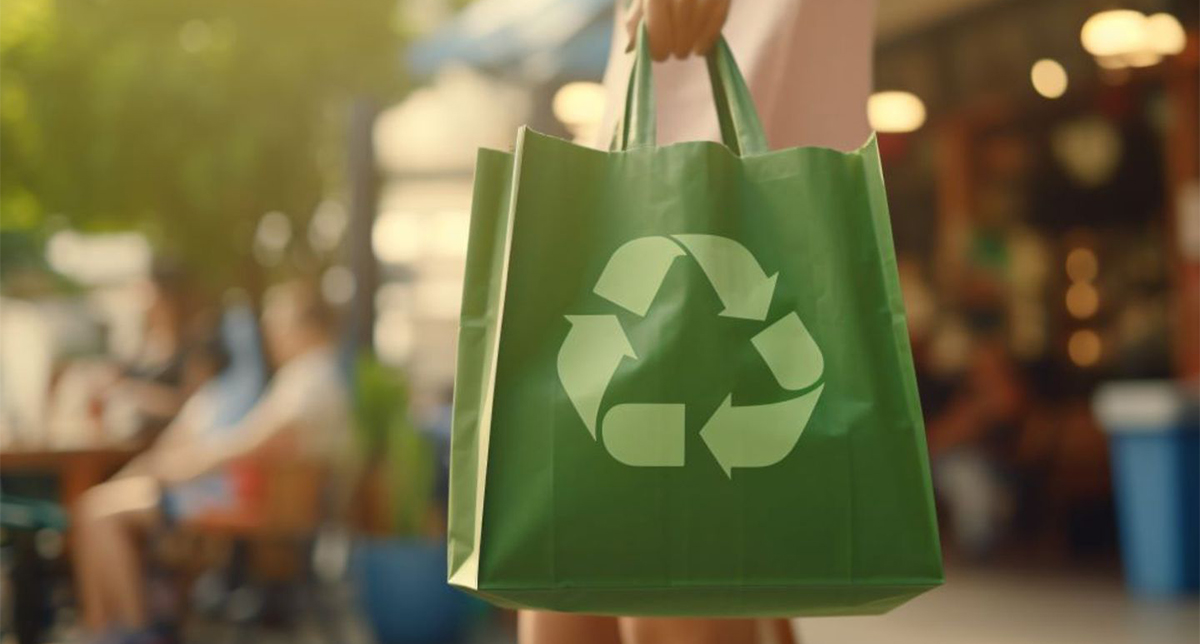
Green Packaging Redefined: Leaders in Compostable Bag Manufacturing

As the world battles the mounting crisis of plastic pollution, the demand for sustainable and eco-friendly alternatives has never been greater. Packaging, especially single-use plastic bags, has long been a major contributor to global waste. However, a powerful wave of innovation is now reshaping the industry, with compostable bag manufacturing emerging as a beacon of hope for a greener future.

In India, visionary companies like Deltora Biopolymers Private Limited are leading this transformation, setting new standards in green packaging through the development of compostable bags that combine environmental responsibility with industrial performance.

The Problem with Traditional Plastic Bags

Plastic bags, although convenient and cheap, are an environmental disaster. They take hundreds of years to decompose and often end up in oceans, rivers, and landfills, harming wildlife and polluting ecosystems. Their widespread use across retail, food, and logistics sectors makes them one of the most visible and harmful pollutants.

As public awareness increases and government regulations tighten, businesses and consumers are actively seeking sustainable packaging options. This shift has opened up immense potential for compostable bag manufacturers to make a meaningful impact.

What Are Compostable Bags?

Compostable bags are made from natural, renewable materials such as corn starch, cassava, potato starch, or sugarcane. Unlike traditional plastics, these bags break down into natural elements like water, carbon dioxide, and biomass when placed in composting conditions.

What makes compostable bags unique is their ability to decompose without leaving behind harmful residues or microplastics. They serve the same function as conventional plastic bags but do so with significantly less environmental impact.

India’s Growing Leadership in Compostable Packaging

India’s stance on sustainability has evolved rapidly, especially with the government’s nationwide ban on single-use plastics. This has pushed industries to explore innovative alternatives, with compostable packaging emerging as one of the most practical and scalable solutions.

Several Indian companies have risen to the challenge by establishing world-class compostable bag manufacturing facilities. These manufacturers are producing certified compostable bags that meet both national and international standards for eco-friendliness, durability, and performance.

One standout name among them is Deltora Biopolymers Private Limited, a company committed to developing compostable raw materials and products that contribute to a plastic-free future. Their focus on innovation, compliance, and industrial scalability has positioned them as a key player in redefining the packaging landscape.

Characteristics of High-Quality Compostable Bags

Leading manufacturers of compostable bags in India focus on delivering products that are:

  • Certified compostable under recognized standards like IS/ISO 17088, EN 13432, or ASTM D6400
  • Tear-resistant and leak-proof, suitable for wet and dry waste
  • Odor-free and non-toxic, safe for use in food packaging
  • Available in custom sizes and thicknesses, for retail, agriculture, or commercial use
  • Home-compostable or industrial-compostable, depending on the use case

These features make compostable bags an ideal alternative for everyday applications, from grocery stores and hotels to e-commerce and hospitality.

Why Indian Manufacturers Stand Out

1. Cost-Effective Production

Indian compostable bag manufacturers leverage locally available agricultural resources like starch from corn or tapioca. This makes the production process more cost-effective and sustainable, enabling them to offer competitive pricing in global markets.

2. Technological Advancements

India’s green tech sector has witnessed significant R&D investments, resulting in the development of advanced biodegradable materials and faster production cycles. Many manufacturers use state-of-the-art extrusion and printing machinery to meet growing demand without compromising quality.

3. Regulatory Compliance

Top Indian manufacturers ensure their products comply with national guidelines like the Plastic Waste Management Rules, 2016, and international standards. This ensures credibility and opens doors for export opportunities.

4. Export-Ready Infrastructure

Many compostable bag manufacturers in India are also focused on serving international markets. With a strong logistics network and certifications in place, Indian products are being exported to Europe, the Middle East, North America, and Southeast Asia.

Applications of Compostable Bags

Compostable bags are no longer just a niche product. Their uses span across a wide range of industries:

  • Retail and Grocery: Shopping bags, produce bags, and packaging sleeves
  • Hospitality: Food delivery bags, garbage liners, and disposable cutlery wraps
  • Healthcare: Bio-waste disposal bags
  • Agriculture: Mulch films, seedling bags, and organic waste liners
  • Corporate and Industrial: Custom packaging for eco-conscious brands

Challenges in the Transition to Compostable Bags

Despite the progress, the adoption of compostable bags still faces challenges such as:

  • Lack of widespread consumer awareness about compostable products
  • Limited access to composting infrastructure, especially in rural areas
  • Higher initial costs compared to conventional plastic
  • Mislabeling and greenwashing by unregulated products in the market

However, with sustained innovation, policy support, and education, these obstacles are gradually being addressed.

The Way Forward

The future of packaging lies in sustainable alternatives that are both functional and planet-friendly. Compostable bags represent a critical step in that direction. They help reduce reliance on fossil fuels, cut down plastic pollution, and support the principles of a circular economy.

Companies like Deltora Biopolymers Private Limited are not only producing these eco-friendly solutions at scale but are also advocating for responsible consumption and waste management. Their commitment to sustainability is helping businesses transition smoothly into a future where packaging leaves no footprint behind.

Final Thoughts

Green packaging is no longer a luxury—it’s a necessity. As the world continues to search for solutions to combat plastic waste, compostable bag manufacturers in India are leading by example. With innovation, integrity, and a strong environmental vision, these leaders are redefining what packaging means in the 21st century.

Through conscious choices, regulatory support, and collective effort, India is poised to become a global hub for compostable solutions. And with committed players like Deltora Biopolymers Private Limited driving the industry forward, the path to a cleaner, greener planet looks more achievable than ever.
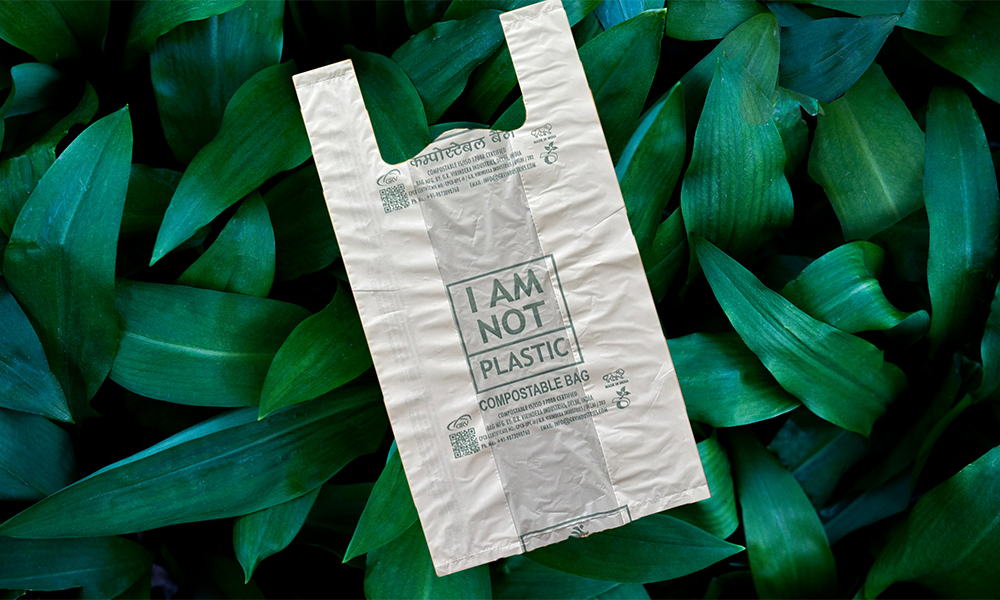
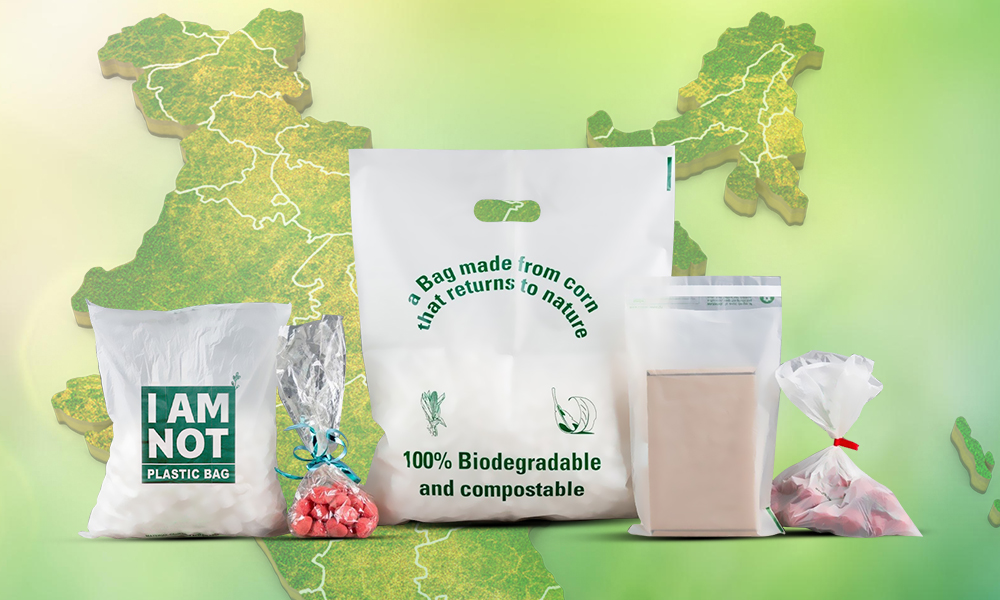
Leading Compostable Bags and Packaging Manufacturers Revolutionizing Green Alternatives

The global packaging industry is undergoing a major shift. With increasing pressure to reduce plastic waste and embrace sustainability, businesses and consumers alike are turning toward biodegradable and eco-conscious alternatives. Among these, compostable bags and packaging manufacturers are playing a vital role in redefining the future of packaging. Their efforts are not only helping reduce the environmental footprint of everyday packaging but are also providing industries with efficient, high-performing, and planet-friendly options.

Compostable packaging offers a sustainable solution to a long-standing problem: plastic pollution. As governments introduce strict regulations against single-use plastics and as eco-conscious customers demand greener alternatives, businesses need to adapt. Compostable materials—especially in the form of bags, pouches, wraps, and containers—present an answer that is both practical and planet-positive.

What Are Compostable Bags and Packaging?

Compostable bags and packaging are made from plant-based materials such as corn starch, sugarcane, cellulose, or other renewable sources. These materials break down naturally in composting conditions and return to the earth without leaving harmful residues. Unlike conventional plastic, which can take centuries to degrade, compostable packaging typically decomposes within weeks or months in commercial composting environments.

It’s important to differentiate compostable from just biodegradable. While all compostable materials are biodegradable, not all biodegradable items are truly compostable. True compostability means the material meets specific standards, such as IS/ISO 17088 in India or EN 13432 in Europe, ensuring complete breakdown and non-toxic results.

Why Compostable Packaging Is the Future

  1. Environmental Impact
    Compostable bags significantly reduce plastic waste in landfills and oceans. When disposed of correctly, these bags decompose into natural elements, reducing long-term environmental damage.
  2. Government Regulations
    Many countries, including India, are implementing bans and restrictions on single-use plastics. These regulatory changes are accelerating the shift toward compostable packaging alternatives.
  3. Consumer Preferences
    Eco-conscious consumers now prefer products with minimal environmental impact. Brands using sustainable packaging often enjoy a stronger reputation and increased customer loyalty.
  4. Brand Responsibility
    Today’s businesses are expected to take active steps toward sustainability. By using compostable materials, companies demonstrate social and environmental responsibility, which is essential for long-term credibility.

Innovations by Compostable Bags and Packaging Manufacturers

The industry is evolving quickly, thanks to continuous innovation by compostable bags and packaging manufacturers. From packaging films and carry bags to customized retail and e-commerce solutions, compostable alternatives are being engineered to suit a wide variety of applications.

Key innovations include:

  • Multi-layer compostable films that offer durability, printability, and moisture resistance.
  • Compostable courier and mailing bags tailored for the booming e-commerce sector.
  • Customized compostable shopping bags for grocery, apparel, and daily retail needs.
  • Compostable pouches and wraps used in food and personal care packaging.

The success of these innovations lies not just in material science but in meeting real business demands—durability, performance, and compliance with global environmental standards.

Deltora Biopolymers Private Limited – A Trusted Innovator

Among the leading contributors in this space, Deltora Biopolymers Private Limited stands out as a trusted and forward-thinking manufacturer. With a firm commitment to environmental stewardship, the company offers a comprehensive range of compostable bags and packaging products that are fully certified and made from renewable resources.

Their solutions cater to industries such as food delivery, fashion retail, agriculture, and healthcare. What makes Deltora’s products reliable is their consistent quality, traceability, and adherence to international compostability standards. The company also supports clients with educational guidance on usage, disposal, and composting best practices, ensuring a complete sustainability loop from production to end-of-life.

By combining innovation, integrity, and impact, Deltora Biopolymers Private Limited is helping businesses transition away from harmful plastics and toward responsible alternatives.

Sectors Driving the Demand for Compostable Packaging

  1. Food & Beverage
    With increasing demand for takeaway and delivery, compostable containers, wraps, and cutlery are being adopted widely by restaurants and cafes.
  2. Retail & Fashion
    Brands are replacing plastic shopping bags with compostable carry bags that match their sustainability goals and aesthetics.
  3. E-commerce
    As online shopping grows, compostable courier bags are becoming essential to reduce plastic waste in packaging.
  4. Healthcare & Hygiene
    Compostable pouches, gloves, and sanitary wrappers are being explored as replacements for traditional non-biodegradable options.
  5. Agriculture
    Compostable mulch films, nursery bags, and seedling trays improve soil health and reduce farming waste.

Challenges and Opportunities in the Industry

While the growth in compostable packaging is promising, challenges still exist:

  • Limited Composting Infrastructure: Industrial composting facilities are not yet widespread in India.
  • Higher Initial Costs: Compostable materials may currently cost more than traditional plastic.
  • Awareness and Misuse: Improper disposal and confusion between biodegradable and compostable materials can hinder effectiveness.

However, these challenges are being addressed by policy improvements, technological advancements, and awareness campaigns. With greater demand and economies of scale, prices are gradually coming down, and infrastructure is catching up.

Final Thoughts

As the world shifts toward sustainable practices, the importance of responsible packaging cannot be overstated. Compostable bags and packaging manufacturers are not only reducing our reliance on plastics but are actively shaping a circular economy where waste becomes a resource.

Manufacturers like Deltora Biopolymers Private Limited are leading this green revolution, offering reliable, high-quality, and certified compostable alternatives to meet modern business needs. Their work is not only a contribution to environmental well-being but also a model for innovation and ethical responsibility in industrial practices.

For businesses aiming to align with sustainable values and meet the expectations of today’s eco-aware consumers, compostable packaging is not just an option—it’s the future.

Top 10 Biodegradable Plastic Bags Manufacturers in India

What are Biodegradable Plastic Bags?

Biodegradable plastic bags are eco-friendly alternatives to traditional plastic bags that naturally decompose over time through the action of microorganisms. Unlike conventional plastics that take hundreds of years to break down, biodegradable plastics can degrade in months, reducing environmental pollution and conserving ecosystems.

Benefits of Choosing Biodegradable Plastic Bags


    • Eco-Friendly: They break down into natural elements, reducing landfill waste.

    • Non-Toxic: They don’t release harmful chemicals into the soil or water.

    • Saves Energy: Production often requires less energy than traditional plastics.

    • Versatile Use: Suitable for packaging, shopping, agriculture, and waste management.

    • Supports Sustainability Goals: Essential for businesses looking to enhance their green credentials.

Why are Biodegradable Plastic Bags Important for the Environment?

Traditional plastic pollution is a significant threat to wildlife, oceans, and human health. Biodegradable plastic bags offer a sustainable solution by minimizing waste, reducing dependency on fossil fuels, and cutting carbon emissions. Their usage is crucial for mitigating climate change, protecting biodiversity, and promoting a healthier planet.

Top 10 Biodegradable Plastic Bags Manufacturers in India

Here’s a list of the leading players helping India and the world transition toward a greener future:

1. Deltora Biopolymers Private Limited

Description:
Deltora Biopolymers is a pioneer in India’s biodegradable packaging industry, offering high-quality, certified compostable plastic alternatives. Their commitment to innovation and sustainability sets them apart.

Key Offerings:


    • Biodegradable carry bags

    • Compostable garbage bags

    • Agricultural films

    • Custom eco-friendly packaging

Website: https://www.deltorabiopolymers.com/
Address: Plot #7, Vraj Industrial Park, Inside Pirana Gate, Ode Village, SP Ring Road, Ahmedabad-382427

2. Earthware Products Pvt. Ltd.

Description:
Earthware offers 100% compostable, biodegradable products made from renewable materials. They cater to both domestic and international markets.

Key Offerings:


    • Compostable bags

    • Compostable plates and cutlery

    • Biodegradable garbage bags

Website: earthware.in
Address: Bengaluru, Karnataka, India

3. Ecolife Recycling Private Limited

Description:
Ecolife specializes in creating eco-safe solutions with a focus on biodegradable and recyclable materials for various industries.

Key Offerings:


    • Biodegradable shopping bags

    • Compostable courier bags

    • Custom green packaging

Website: ecoliferecycling.com
Address: Mumbai, Maharashtra, India

4. NaturTrust (Greenvale Eco Products Pvt Ltd)

Description:
NaturTrust is one of the largest compostable product manufacturers certified to international standards, offering a wide variety of products.

Key Offerings:


    • Compostable grocery bags

    • Compostable bin liners

    • Agricultural mulch films

Website: naturtrust.com
Address: Noida, Uttar Pradesh, India


5. Biogreen Biotech Pvt. Ltd.

Description:
Biogreen focuses on manufacturing biodegradable alternatives to regular plastic products with 100% compostable material.

Key Offerings:


    • Biodegradable carry bags

    • Compostable garbage bags

    • Eco-friendly agricultural sheets

Website: biogreenbags.com
Address: Chennai, Tamil Nadu, India

6. EnviGreen Biotech India Pvt. Ltd.

Description:
EnviGreen is famous for producing completely organic and biodegradable alternatives to plastic using natural starch and vegetable oils.

Key Offerings:


    • Grocery bags

    • Garbage bags

    • Food packaging films

Website: envigreen.in
Address: Bengaluru, Karnataka, India

7. Truegreen – Lucro Plastecycle Pvt. Ltd.

Description:
Truegreen’s mission is to create a sustainable and plastic-free future through their wide range of biodegradable products.

Key Offerings:


    • Compostable bags

    • Eco-packaging

    • Sustainable courier packaging

Website: truegreen.in
Address: Mumbai, Maharashtra, India

8. EcoPure India

Description:
EcoPure India offers an innovative range of biodegradable additives and finished products, ensuring complete eco-friendliness.

Key Offerings:


    • Biodegradable plastic bags

    • Biodegradable additives

    • Sustainable packaging solutions

Website: ecopure.in
Address: Ahmedabad, Gujarat, India

9. Bioplast Industries

Description:
Bioplast is an established name known for its variety of biodegradable, compostable products made from renewable resources.

Key Offerings:


    • Compostable garbage bags

    • Biodegradable shopping bags

    • Custom eco solutions

Website: bioplastindustries.in
Address: Pune, Maharashtra, India

10. GreenPlast India

Description:
GreenPlast manufactures eco-friendly packaging materials using advanced technology, catering to multiple industries.

Key Offerings:


    • Biodegradable courier bags

    • Agricultural mulch films

    • Compostable bin liners

Website: greenplast.in
Address: Hyderabad, Telangana, India

FAQs

1. What are biodegradable plastic bags made of?

Biodegradable plastic bags are made from renewable raw materials like cornstarch, vegetable oils, and sometimes biodegradable polymers.

2. How long do biodegradable plastic bags take to decompose?

Typically, biodegradable plastic bags decompose within 3 to 6 months under the right composting conditions.

3. Are biodegradable bags stronger than regular plastic bags?

Biodegradable bags are durable for everyday use and can handle reasonable weight, although they may not be as resistant to extreme conditions as traditional plastic.

4. Why should businesses switch to biodegradable packaging?

Switching to biodegradable packaging demonstrates environmental responsibility, improves brand image, and often complies with new government regulations.

5. Are biodegradable plastic bags costlier than regular plastic bags?

Initially, biodegradable bags may be slightly more expensive, but they offer long-term benefits like regulatory compliance, sustainability, and improved customer loyalty.

Final Note

Choosing biodegradable plastic bags is not just a trend — it’s a necessity for a sustainable future. Companies like Deltora Biopolymers Private Limited are leading the green revolution by providing innovative, eco-friendly alternatives that help reduce plastic pollution and protect the planet for generations to come.

Whether you’re a retailer, manufacturer, or consumer, partnering with one of these top manufacturers is a strong step toward environmental stewardship.