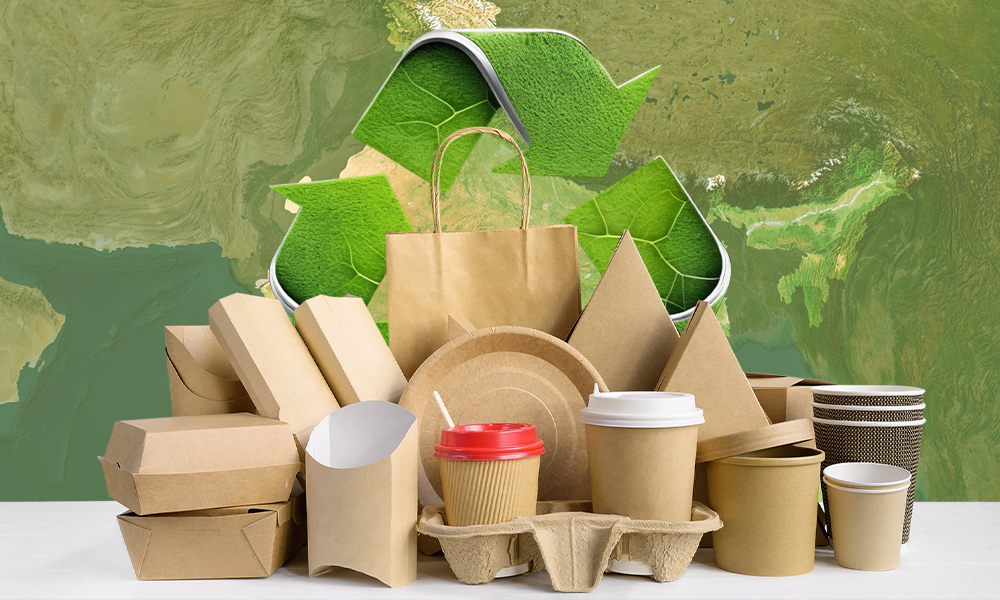
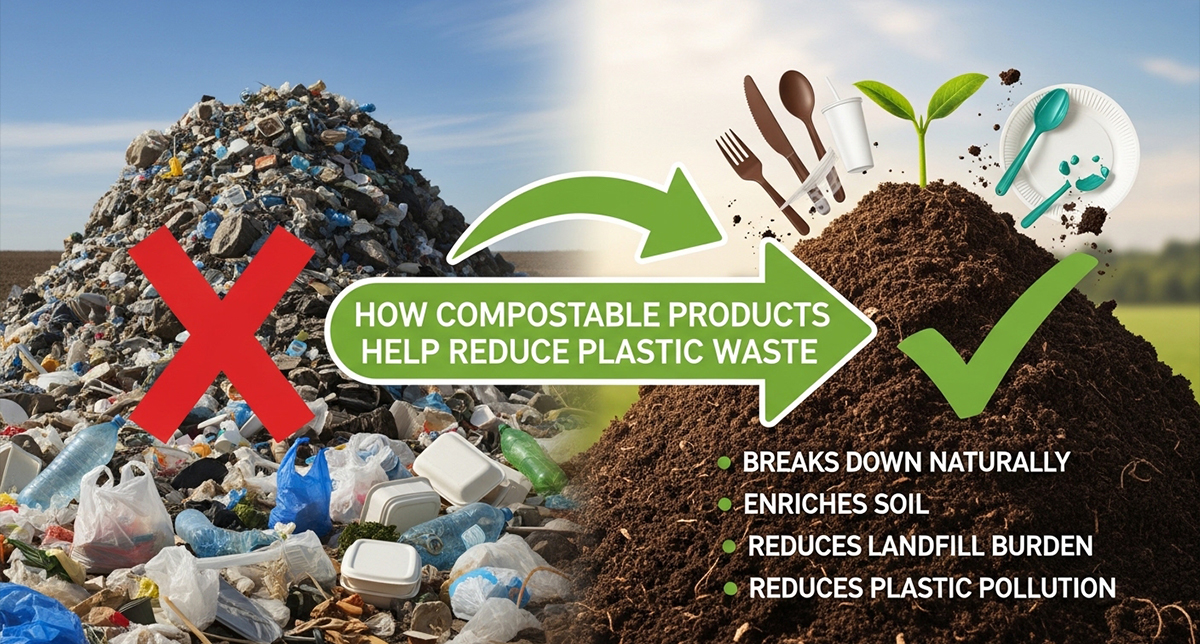
How Compostable Products Help Reduce Plastic Waste

Plastic waste has become one of the most serious environmental challenges of our time. From overflowing landfills to polluted oceans and harmed wildlife, the long-term impact of conventional plastic is visible everywhere. Single-use plastic items such as packaging, bags, cutlery, and containers are designed for convenience, yet they take hundreds of years to decompose. This growing crisis has pushed consumers, businesses, and governments to search for sustainable alternatives. One of the most promising solutions is the use of compostable products.

Understanding Compostable Products

Compostable products are materials designed to break down naturally into non-toxic components under composting conditions. Unlike traditional plastic, which fragments into harmful microplastics, compostable items decompose into organic matter, water, and carbon dioxide. This process typically occurs within a few months when placed in industrial or home composting environments, depending on the material and conditions.

Compostable materials are often derived from renewable resources such as corn starch, sugarcane, cellulose, or plant-based polymers. Because these materials come from natural sources, they can return safely to the earth without leaving behind harmful residues.

The Growing Problem of Plastic Waste

Plastic waste accumulates rapidly because of its durability and low recycling rates. Many plastic products are used only once and then discarded. Even when recycling options exist, contamination, lack of infrastructure, and consumer awareness limit recycling effectiveness. As a result, a large percentage of plastic waste ends up in landfills, rivers, and oceans.

Once plastic enters the environment, it does not truly disappear. Instead, it breaks down into smaller pieces known as microplastics, which contaminate soil, water, and even food chains. This creates long-term environmental and health risks that are difficult to reverse.

How Compostable Products Reduce Plastic Pollution

Compostable products play a crucial role in reducing plastic waste by offering a safer and more sustainable end-of-life option. When disposed of correctly, these products break down naturally and enrich the soil rather than polluting it. This significantly reduces the volume of waste that would otherwise remain in landfills for decades.

By replacing traditional plastic items with compostable alternatives, businesses and consumers can reduce their dependence on fossil fuel-based materials. This shift not only decreases plastic pollution but also supports a circular economy where resources are reused and returned to nature.

Lower Environmental Impact

One of the major advantages of compostable products is their lower environmental footprint. Since they are made from renewable materials, they reduce reliance on petroleum-based plastics. The manufacturing process for compostable materials often produces fewer greenhouse gas emissions compared to conventional plastics.

Additionally, compostable products do not release toxic chemicals as they break down. This makes them safer for soil quality, groundwater, and surrounding ecosystems. Over time, widespread adoption of compostable materials can contribute to cleaner cities, healthier oceans, and improved biodiversity.

Supporting Waste Management Systems

Compostable products help improve waste management by offering clear separation between organic waste and plastic waste. When compostable packaging and products are disposed of alongside food waste, they can be processed together in composting facilities. This reduces contamination in recycling streams and enhances overall waste efficiency.

In urban areas where landfill space is limited, composting provides an effective alternative. Organic compost generated from compostable products can be used in agriculture, landscaping, and soil restoration, creating value from what would otherwise be waste.

Role of Businesses in Adopting Compostable Solutions

Businesses play a vital role in reducing plastic waste by switching to compostable alternatives. Restaurants, food packaging companies, retailers, and manufacturers can significantly reduce their environmental impact by choosing compostable packaging, containers, and disposable items.

Companies like Deltora Biopolymers Private Limited are contributing to this transition by promoting innovative compostable materials that align with sustainability goals. By integrating eco-friendly materials into everyday operations, businesses can meet regulatory requirements, attract environmentally conscious customers, and build a responsible brand image.

Consumer Awareness and Responsible Usage

While compostable products offer clear environmental benefits, proper usage and disposal are essential. Compostable items should be disposed of in composting systems rather than regular trash whenever possible. Educating consumers about correct labeling and disposal methods ensures these products achieve their intended environmental impact.

As awareness grows, consumers are increasingly choosing brands that prioritize sustainability. This demand encourages more companies, including Deltora Biopolymers Private Limited, to invest in research, development, and production of compostable solutions.

The Future of Compostable Products

The future of waste reduction lies in sustainable innovation and collective responsibility. Compostable products are not a complete solution on their own, but they are a powerful step toward reducing plastic waste when combined with responsible consumption and effective waste management systems.

As technology advances and composting infrastructure expands, compostable materials will become more accessible and affordable. With continued support from businesses, governments, and consumers, compostable products can help create a cleaner, healthier, and more sustainable planet for future generations.
How Compostable Products Are Revolutionizing the Food Industry

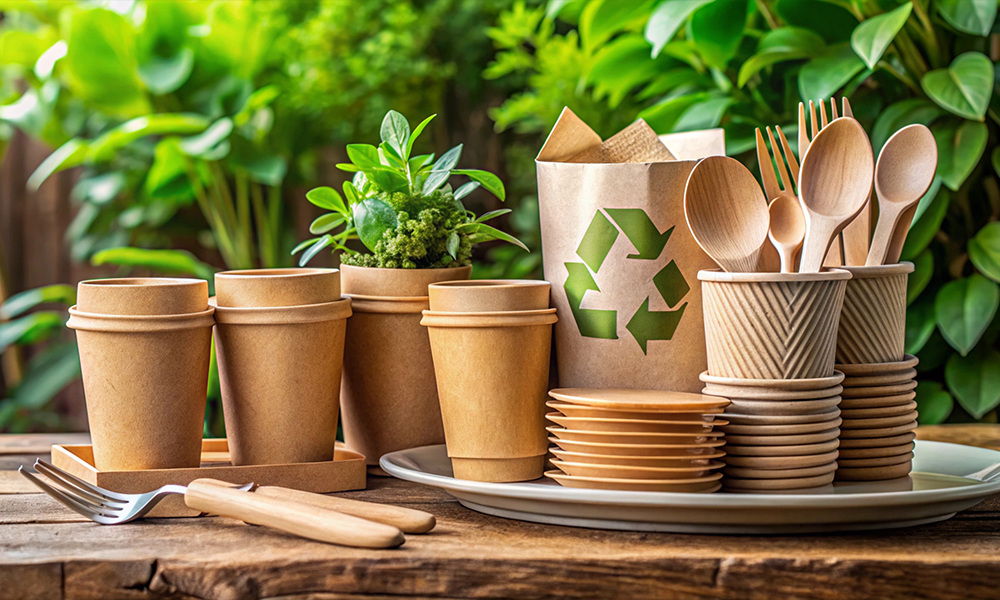
In recent years, the food industry has faced immense pressure to adopt sustainable practices. One of the most significant shifts has been the adoption of compostable products, which are gradually replacing traditional plastic packaging. Compostable materials are designed to break down naturally in controlled environments, leaving behind nutrient-rich organic matter instead of harmful microplastics. Companies like Deltora Biopolymers Private Limited are leading the charge in providing innovative compostable solutions tailored for the food sector.

The Growing Need for Compostable Products in Food Packaging

The food industry is one of the largest contributors to plastic waste, with single-use packaging dominating the market. From takeaway containers and cutlery to cups and wrapping films, most of these items end up in landfills or oceans, causing environmental damage. Consumers are increasingly aware of this impact and are demanding eco-friendly alternatives.

Compostable products offer a viable solution, as they are made from natural materials like cornstarch, sugarcane bagasse, and PLA (polylactic acid). These materials can decompose fully under industrial composting conditions, returning valuable nutrients to the soil. By adopting compostable packaging, food businesses not only reduce their ecological footprint but also demonstrate a commitment to sustainability, which resonates well with modern consumers.

How Compostable Packaging Benefits the Food Industry

  1. Environmental Impact Reduction
    Compostable products significantly reduce plastic waste. Unlike conventional plastics, they do not contribute to long-term pollution, and their biodegradability ensures minimal environmental disruption.
  2. Consumer Appeal
    Eco-conscious consumers are more likely to choose brands that prioritize sustainability. Compostable packaging conveys a message of responsibility, improving brand loyalty and customer perception.
  3. Regulatory Compliance
    Governments worldwide are implementing stricter regulations on single-use plastics. By switching to compostable products, food businesses can stay ahead of compliance requirements and avoid potential fines.
  4. Versatility and Safety
    Modern compostable materials are designed to withstand various temperatures, making them suitable for hot and cold foods. Additionally, they are food-safe, non-toxic, and free from harmful chemicals often found in conventional plastics.
  5. Cost Efficiency in the Long Run
    While initial costs may be slightly higher, investing in compostable products can lead to savings in waste management and potential incentives for environmentally responsible practices.

Real-World Applications in the Food Industry

Compostable packaging is making its way into multiple sectors of the food industry. Restaurants, cafes, and fast-food chains are replacing traditional plastics with compostable plates, cups, straws, and cutlery. Retailers are using compostable bags and wrapping materials for groceries and ready-to-eat meals.

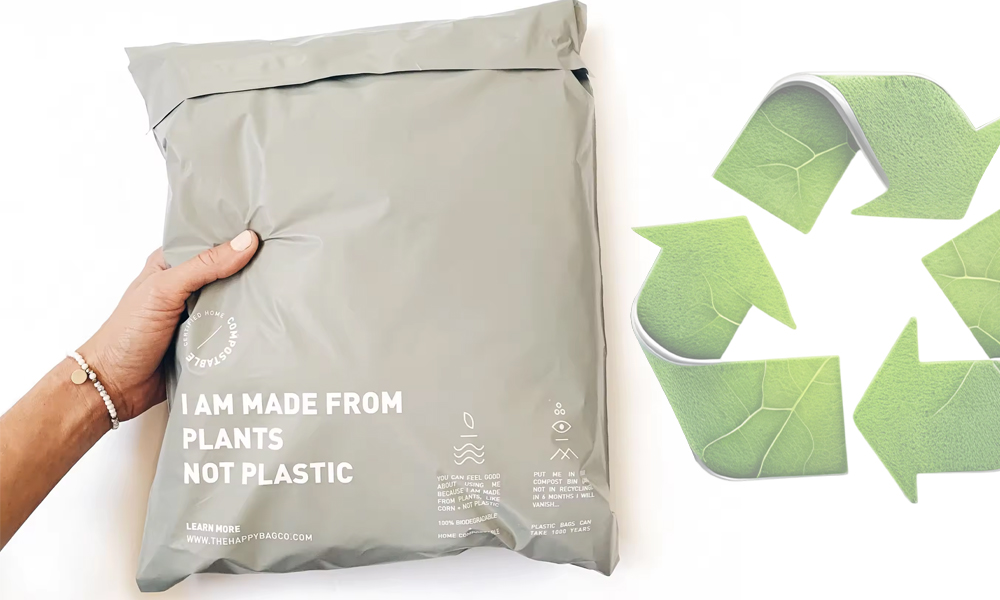
Companies like Deltora Biopolymers Private Limited are at the forefront, supplying high-quality compostable films, bags, and containers that meet both industrial standards and consumer expectations. These products not only maintain the quality and safety of food items but also ensure that packaging waste contributes positively to environmental sustainability.

Challenges and Considerations

Despite the many benefits, adopting compostable products comes with challenges. Proper composting infrastructure is essential for these materials to break down effectively. Without access to industrial composting facilities, some compostable products may not decompose as intended. Educating consumers and staff on correct disposal practices is equally important to maximize environmental benefits.

Additionally, companies need to carefully select certified compostable products. Certifications such as ASTM D6400 or EN 13432 ensure that the product meets international standards for compostability, providing assurance to both businesses and consumers.

The Future of Compostable Products in Food

The shift towards compostable products is not just a trend but a long-term transformation in the food industry. With continuous innovations in biopolymers, packaging can now be stronger, more durable, and versatile without harming the environment. Businesses that embrace these solutions early will benefit from enhanced brand value, regulatory compliance, and customer trust.

Deltora Biopolymers Private Limited continues to innovate in this space, offering a wide range of certified compostable products designed to meet the evolving needs of the food sector. Their commitment to sustainability helps food businesses integrate eco-friendly solutions without compromising quality or performance.


FAQs About Compostable Products in the Food Industry

1. What are compostable products?
Compostable products are materials that can break down naturally in industrial or home composting conditions, leaving no toxic residues behind. They are typically made from renewable resources like cornstarch, sugarcane bagasse, or PLA.

2. How do compostable products benefit restaurants and cafes?
These products reduce plastic waste, appeal to eco-conscious customers, and help businesses comply with regulations on single-use plastics. They are also safe for food contact and versatile for both hot and cold items.

3. Are compostable products more expensive than regular plastics?
The initial cost may be slightly higher, but they offer long-term savings through reduced waste management costs and enhanced brand reputation. Many businesses also gain incentives for adopting eco-friendly practices.

4. How should compostable products be disposed of?
Compostable products should ideally be disposed of in industrial composting facilities. If unavailable, educating staff and consumers on home composting options can help ensure effective decomposition.

5. Can all food packaging be made compostable?
While most single-use packaging can be replaced with compostable alternatives, certain applications requiring extreme durability or long shelf life may still need specialized solutions. Companies like Deltora Biopolymers Private Limitedprovide tailored options to meet different food industry requirements.

How Tailor-Made Compostable Products Are Reshaping Eco-Conscious Industries

In an era marked by environmental urgency and heightened consumer awareness, sustainability is no longer a buzzword—it’s a business imperative. From packaging and food service to fashion and eCommerce, industries around the world are rethinking their use of materials, seeking alternatives that minimize ecological damage. At the forefront of this transformation are tailor-made compostable products—customized, biodegradable solutions designed to serve both functional and environmental needs.

As industries adapt to eco-conscious trends, the demand for personalized, environmentally friendly solutions is growing rapidly. Businesses are no longer settling for one-size-fits-all options. Instead, they are turning to custom compostable product manufacturers in India, who offer innovation, quality, and customization in one sustainable package.

The Need for Custom Compostable Products

Generic compostable products often fall short in meeting specific business needs—be it durability, design, size, or branding. This has led to an increasing need for customized compostable alternatives that align perfectly with the operational requirements and sustainability goals of companies.

Tailor-made compostable products are manufactured to meet precise specifications—whether it’s a certain thickness for compostable bags, custom-molded trays for packaging, or biodegradable cutlery designed to withstand high temperatures. These innovations help businesses maintain performance standards while reducing their environmental footprint.

A Shift in Industry Mindset

Industries across sectors are now recognizing that sustainability and customization can coexist. Previously, eco-friendly solutions were viewed as limited or less effective than their conventional counterparts. However, advancements in material science and manufacturing technology have changed that perception.

The shift is also being driven by legislation. Many governments are imposing stricter regulations on plastic use, pushing companies to find alternatives that are not only green but also adaptable. This has sparked a surge in demand for tailor-made compostable solutions that cater to industry-specific requirements.

For example:

  • Food and Beverage: Restaurants and cafes need compostable containers that retain heat and resist leakage. Custom compostable packaging addresses these concerns without compromising sustainability.
  • Retail and E-commerce: Businesses now demand branded, custom-sized compostable bags that support their environmental mission while enhancing customer experience.
  • Healthcare: Even in medical settings, where hygiene is paramount, tailor-made biodegradable products are finding applications in packaging and disposable supplies.

India’s Pioneering Role in Compostable Innovation

India is quickly becoming a hub for sustainable product manufacturing, particularly in the compostable segment. The country boasts a wealth of agricultural by-products like cornstarch, sugarcane bagasse, and wheat bran—raw materials that are ideal for creating biodegradable solutions. Combined with skilled labor, advanced technologies, and supportive government policies, this has laid a strong foundation for growth.

Custom compostable product manufacturers in India are leading the way in delivering innovative, tailored solutions to meet global demand. These companies are going beyond standard product lines and offering personalized designs, colors, branding options, and performance specifications. From compostable shopping bags and pouches to trays, wraps, and utensils, these manufacturers are helping industries transition smoothly to sustainable practices.

Moreover, many Indian manufacturers comply with international certifications such as ASTM D6400, EN 13432, and ISO standards, ensuring that their products meet global compostability benchmarks.

Innovation in Material Design and Manufacturing

What makes tailor-made compostable products unique is the combination of eco-friendly materials with design innovation. By working closely with clients, manufacturers can identify key pain points and develop solutions that don’t just “fit,” but also perform.

For instance:

  • Compostable food containers can be engineered to resist grease and moisture, providing the same reliability as plastic, but with zero environmental guilt.
  • Customized mailing envelopes can include printed branding using soy-based inks and water-resistant coatings that are still fully compostable.
  • Compostable tableware can be molded into intricate shapes, offering aesthetic value without sacrificing sustainability.

The result is a win-win situation: businesses get high-performing, branded, and tailored solutions, while consumers receive eco-friendly products that support a cleaner planet.

Overcoming Challenges in Adoption

Despite the numerous benefits, the adoption of custom compostable products is not without challenges. Higher initial costs, limited public awareness, and logistical complexities often deter businesses, especially small and medium enterprises. However, as demand increases and production scales up, costs are gradually coming down.

Government incentives, subsidies, and eco-certification programs are also playing a vital role in accelerating the shift. Education campaigns are helping businesses and consumers understand the long-term benefits of compostable solutions—from reducing landfill waste to lowering carbon emissions.

Forward-thinking companies now view sustainability not as a cost, but as an investment. They recognize that eco-conscious consumers are more likely to support brands that align with their values.

The Future of Tailor-Made Compostable Solutions

Looking ahead, the role of custom compostable products in shaping eco-conscious industries will only grow stronger. As innovation continues and consumer expectations evolve, businesses will need solutions that are flexible, functional, and sustainable.

India will remain a key player in this global movement. With its expanding ecosystem of compostable material suppliers, R&D capabilities, and sustainable business models, the country is well-positioned to become a global leader in tailor-made green solutions.

In this evolution, custom compostable product manufacturers in India will continue to act as crucial enablers—offering customized, high-quality, and scalable solutions for industries seeking a greener path.

Final Thoughts

Tailor-made compostable products represent a powerful intersection of innovation, customization, and environmental responsibility. They are helping industries meet unique needs without compromising the planet’s future. From food packaging to retail solutions, these products are reshaping how businesses think about sustainability.

As more companies look for ways to align with eco-conscious practices, custom compostable solutions will become the gold standard. And with India’s growing expertise and commitment to green manufacturing, it will remain at the heart of this global transformation.

Top 10 Compostable Products Manufacturing Companies in india

What are Compostable Products?

Compostable products are materials that break down completely into non-toxic natural elements like water, carbon dioxide, and biomass when composted properly. Unlike traditional plastics, they decompose without leaving harmful residues, supporting soil health and sustainability.

Why Are Compostable Products Important?

  • Help reduce plastic pollution
  • Improve soil health through compost
  • Lower carbon footprint
  • Comply with green regulations
  • Meet consumer demand for eco-friendly alternatives

Benefits of Choosing Compostable Products

  • Naturally biodegradable
  • Renewable resource usage
  • Environmentally safe
  • Enhance brand sustainability image
  • Reduce landfill burden

Top 10 Compostable Products Manufacturing Companies in India

  1. Deltora Biopolymers Private Limited
    Description: Deltora Biopolymers leads the compostable innovation space with a range of eco-friendly products made from renewable resources.
    Key Offerings: Compostable shopping bags, garbage bags, mulch films, custom biodegradable packaging
    Website: https://www.deltorabiopolymers.com/
    Address: Plot #7, Vraj Industrial Park, Inside Pirana Gate, Ode Village, SP Ring Road, Ahmedabad-382427
  2. Earthware Products Pvt. Ltd.
    Description: Earthware specializes in producing sustainable compostable tableware and bags for various industries.
    Key Offerings: Compostable plates, bowls, carry bags, packaging solutions
    Website: earthware.in
    Address: Bengaluru, Karnataka, India
  3. NaturTrust (Greenvale Eco Products Pvt Ltd)
    Description: NaturTrust provides certified compostable products aligning with both Indian and international environmental standards.
    Key Offerings: Compostable grocery bags, garbage bags, mulch films
    Website: naturtrust.com
    Address: Noida, Uttar Pradesh, India
  4. Truegreen (Lucro Plastecycle Pvt. Ltd.)
    Description: Truegreen offers high-quality sustainable packaging products crafted from advanced biopolymers.
    Key Offerings: Compostable courier bags, trash bags, sustainable packaging
    Website: truegreen.in
    Address: Mumbai, Maharashtra, India
  5. Ecolife Recycling Pvt. Ltd.
    Description: Ecolife Recycling specializes in providing compostable packaging for retail, hospitality, and logistics industries.
    Key Offerings: Compostable carry bags, pouches, biodegradable packaging films
    Website: ecoliferecycling.com
    Address: Mumbai, Maharashtra, India
  6. Biogreen Biotech Pvt. Ltd.
    Description: Biogreen Biotech produces compostable alternatives in compliance with global environmental regulations.
    Key Offerings: Compostable grocery bags, trash bags, eco-friendly packaging
    Website: biogreenbags.com
    Address: Chennai, Tamil Nadu, India
  7. EnviGreen Biotech India Pvt. Ltd.
    Description: EnviGreen manufactures fully compostable products made from vegetable starch and other organic materials.
    Key Offerings: Compostable shopping bags, garbage liners, wrapping films
    Website: envigreen.in
    Address: Bengaluru, Karnataka, India
  8. EcoPure India
    Description: EcoPure develops biodegradable additives and finished compostable products, promoting a plastic-free world.
    Key Offerings: Compostable bags, biodegradable additives, custom compostable solutions
    Website: ecopure.in
    Address: Ahmedabad, Gujarat, India
  9. Bioplast Industries
    Description: Bioplast Industries offers a variety of compostable products for agriculture, retail, and commercial use.
    Key Offerings: Compostable garbage bags, courier bags, agricultural sheets
    Website: bioplastindustries.in
    Address: Pune, Maharashtra, India
  10. GreenPlast India
    Description: GreenPlast India creates custom compostable packaging solutions designed for modern eco-conscious businesses.
    Key Offerings: Compostable courier bags, garbage bags, wraps and films
    Website: greenplast.in
    Address: Hyderabad, Telangana, India

FAQs

  1. What are compostable products made from?
    Compostable products are typically made from renewable resources like cornstarch, sugarcane bagasse, and biodegradable polymers like PLA.
  2. How long does it take for compostable products to decompose?
    In commercial composting facilities, they can fully decompose within 90 to 180 days.
  3. Are compostable products better than biodegradable products?
    Yes, because compostable products leave no toxic residue and enrich the soil, whereas biodegradable products may not completely break down.
  4. Can compostable bags hold heavy loads?
    Yes, high-quality compostable bags are designed for typical usage, but excessive moisture or long-term heavy loads can affect strength.
  5. How do businesses benefit from compostable packaging?
    Businesses can meet eco-conscious consumer demands, improve brand image, comply with environmental laws, and reduce their environmental footprint.

Final Notes

Switching to compostable products is essential for sustainable living and business practices. Companies like Deltora Biopolymers Private Limited are driving innovation with a range of eco-friendly alternatives that support the health of our planet. Making the switch not only benefits the environment but also boosts a company’s market appeal to eco-conscious consumers.


Compostable Products in India Manufacturers Leading the Green Revolution

As the global focus shifts toward sustainability, Compostable Products in India are emerging as a crucial solution to combat plastic pollution and environmental degradation. With increasing awareness about eco-friendly alternatives, manufacturers across India are pioneering innovative biodegradable and compostable products that contribute to a cleaner, greener future.

The Growing Need for Compostable Products

Traditional plastic waste has become a severe environmental issue, taking hundreds of years to decompose and polluting land and water resources. In contrast, compostable products decompose naturally, returning nutrients to the soil without leaving harmful residues. This makes them an excellent alternative to single-use plastics, which have long been a major contributor to pollution.

Advantages of Compostable Products

  • Eco-friendly: Fully biodegradable and do not leave microplastic waste.
  • Sustainable: Made from renewable sources like cornstarch, sugarcane, bamboo, and other plant-based materials.
  • Safe & Non-toxic: Free from harmful chemicals, making them safe for both humans and wildlife.
  • Reduces Carbon Footprint: Requires less energy for production and decomposes faster than conventional plastic.

Leading Compostable Products in India

Several categories of Compostable Products in India are making a significant impact in reducing plastic waste:

1. Compostable Bags

Biodegradable bags made from plant-based polymers are an eco-friendly alternative to traditional plastic bags. Many Indian manufacturers are producing compostable carry bags, garbage bags, and food packaging bags.

2. Compostable Tableware

Single-use plastic plates, cups, and cutlery have long been a significant waste problem. Indian manufacturers now offer compostable tableware made from materials like sugarcane bagasse, bamboo, and cornstarch.

3. Compostable Food Packaging

Food packaging generates a massive amount of waste. Compostable food containers, trays, and wraps provide a sustainable alternative to plastic packaging while keeping food fresh and safe.

4. Compostable Straws

With bans on plastic straws in several regions, compostable alternatives made from paper, rice, and bamboo are gaining popularity. These straws decompose naturally without harming marine life.

5. Compostable Cutlery

Spoons, forks, and knives made from biodegradable materials such as wood, cornstarch, and bagasse are widely used by food chains and event organizers to minimize plastic waste.

Leading Manufacturers of Compostable Products in India

India has seen the rise of several manufacturers dedicated to producing high-quality compostable products. These companies adhere to international quality standards and ensure their products are fully biodegradable under natural composting conditions.

1. Ecoware

Ecoware is a pioneer in India’s compostable products industry, producing 100% biodegradable and eco-friendly tableware made from agricultural waste.

2. Chuk

Chuk specializes in biodegradable food packaging and tableware made from sugarcane bagasse. Their products are durable, microwavable, and completely compostable.

3. TrueGreen

TrueGreen offers a wide range of compostable bags, cutlery, and food packaging solutions that comply with global compostability standards.

4. Earthsoul

Earthsoul manufactures sustainable packaging solutions using plant-based materials that are biodegradable and toxin-free.

5. Biogreen

Biogreen is a leading Indian manufacturer of compostable plastic alternatives, including garbage bags, straws, and food containers.

The Future of Compostable Products in India

With increasing government regulations and consumer demand for sustainable solutions, the future of compostable products in India looks promising. Policies like the Plastic Waste Management Rules and the ban on single-use plastics are driving the adoption of eco-friendly alternatives. Businesses and individuals are gradually shifting toward compostable solutions to reduce their environmental impact.

Challenges & Solutions

Despite the growing popularity, the compostable products industry faces challenges such as higher production costs, lack of awareness, and limited composting facilities. However, with continuous innovation, government incentives, and increased consumer education, these challenges can be overcome to make compostable products more accessible and affordable.

Final Thoughts

The rise of Compostable Products in India signifies a significant step toward sustainable living. With numerous manufacturers investing in eco-friendly alternatives, India is leading the green revolution by reducing plastic waste and promoting biodegradable solutions. By supporting these products, businesses and individuals can contribute to a cleaner and healthier planet for future generations.