

How Green Material Engineering Is Solving Long-Standing Challenges in Plastic Alternatives

For decades, the world has relied heavily on petroleum-based plastic due to its durability, versatility, and affordability. But as environmental concerns rise and waste management systems struggle to keep up, it has become clear that traditional plastics are no longer sustainable. While many alternatives have been introduced, they often fall short in areas like durability, cost-efficiency, heat resistance, and large-scale manufacturability. This is where green material engineering is stepping in to create a real transformation.

Green material engineering blends scientific innovation with environmental responsibility. It focuses on developing materials derived from natural or low-impact sources while enhancing their functional performance to match or exceed conventional plastics. This approach is solving long-standing limitations and enabling industries to adopt truly viable plastic alternatives.

What Green Material Engineering Brings to the Table

The shortcomings of early plastic alternatives—poor strength, inconsistent performance, limited shelf life, and high costs—prevented widespread adoption. Green material engineering directly addresses these issues through:

1. Smarter Material Formulation

Modern researchers are able to modify and enhance plant-based polymers, natural fibers, and eco-friendly compounds at the molecular level. These improvements make them stronger, more flexible, and more temperature-resistant than their earlier versions.

2. Combining Natural Materials With Advanced Engineering

Green material engineering doesn’t rely solely on raw natural materials. Instead, it combines engineered binders, natural reinforcements, and innovative processing techniques to develop materials that behave like high-performance plastics—without environmental drawbacks.

3. Consistent Quality for Mass Production

A major challenge with early plastic alternatives was inconsistency. Today, advanced engineering techniques ensure uniformity across each batch, making large-scale manufacturing practical and reliable.

4. Lower Environmental Impact Throughout Lifecycle

Green-engineered materials emphasize sustainability from production to end-of-life. They are commonly made from renewable resources, require less energy to produce, and support circular economy systems.

The Key Innovations Driving Plastic Alternative Evolution

Green material engineering is shaping a new generation of sustainable materials with enhanced capabilities. Some of the most impactful innovations include:

1. Reinforced Plant-Based Polymers

By strengthening plant-derived polymers using natural fiber reinforcements, these materials now deliver remarkable durability and flexibility. They can be used for packaging films, containers, consumer goods, and agricultural applications.

2. High-Performance Bio-Composites

Bio-composites integrate natural fibers like hemp, rice husk, bamboo, or sugarcane bagasse with engineered natural resins. The resulting materials can be used in construction, automotive interiors, electronic casings, and industrial applications—where strength and stability are essential.

3. Heat and Moisture-Resistant Natural Materials

Green material engineering has enabled the creation of eco-friendly materials that can withstand heat, humidity, and moisture—areas where earlier natural materials often failed. This makes them suitable for food packaging, daily-use products, and storage applications.

4. Advanced Material Processing Techniques

Extrusion, molding, blending, and coating technologies have been upgraded to accommodate eco-friendly materials. These advancements allow industries to adopt sustainable materials without overhauling their entire manufacturing systems.

How Green Engineering Solves the Biggest Problems in Plastic Alternatives

1. Strength and Durability

Older alternatives often cracked, deformed, or degraded too quickly. With engineered reinforcement and advanced polymer blending, new green materials now offer strength comparable to traditional plastics.

2. Consistency Across Different Environments

Temperature changes, humidity, and handling conditions once caused plastic alternatives to behave unpredictably. Today’s green-engineered materials remain stable, reliable, and consistent across diverse environments.

3. Scalability and Commercial Viability

Sustainable materials used to be expensive and difficult to scale. Green material engineering has made production processes more efficient, reducing costs and enabling mass manufacturing for global industries.

4. Improved Aesthetic and Structural Qualities

Modern eco-materials can be molded, colored, printed, textured, and shaped just like traditional plastics. This allows brands to maintain aesthetics while delivering sustainable products.

Industries Benefiting From Green Material Engineering

Green-engineered materials are now becoming mainstream across multiple sectors, including:

  • Food and Beverage Packaging – safer, stronger, and moisture-resistant alternatives
  • Retail and E-Commerce – lightweight yet durable packaging solutions
  • Automotive – bio-composite interiors that reduce vehicle weight and emissions
  • Agriculture – natural-film solutions, mulch sheets, and protective coverings
  • Consumer Goods – greener versions of daily-use items like cutlery, containers, and homeware

This cross-industry adoption reflects growing confidence in the performance and reliability of engineered sustainable materials.

Leading the Charge in Material Innovation

Organizations like Deltora Biopolymers Private Limited are contributing significantly to this evolution by developing advanced eco-friendly materials tailored to India’s diverse industrial needs. Their research-driven approach demonstrates how scientific engineering can unlock the full potential of sustainable polymers.

By bridging the gap between natural resources and high-performance applications, companies such as Deltora Biopolymers Private Limited are helping industries transition away from petroleum-based plastics without compromising on quality or efficiency.

Conclusion: The Future Belongs to Engineered Green Materials

Green material engineering is reshaping the entire landscape of plastic alternatives. It is overcoming limitations that once made sustainable materials impractical and transforming them into high-performance, commercially viable solutions. As industries move toward eco-conscious manufacturing and stronger environmental commitments, engineered sustainable materials are becoming essential—not optional.

The future of plastic alternatives lies in innovation, engineering excellence, and nature-inspired design. With continued research, rising awareness, and advanced material science, green materials will play a defining role in building a cleaner, smarter, and more sustainable world.
From Nature to Packaging The Unexpected Innovations Driving the Next Material Revolution

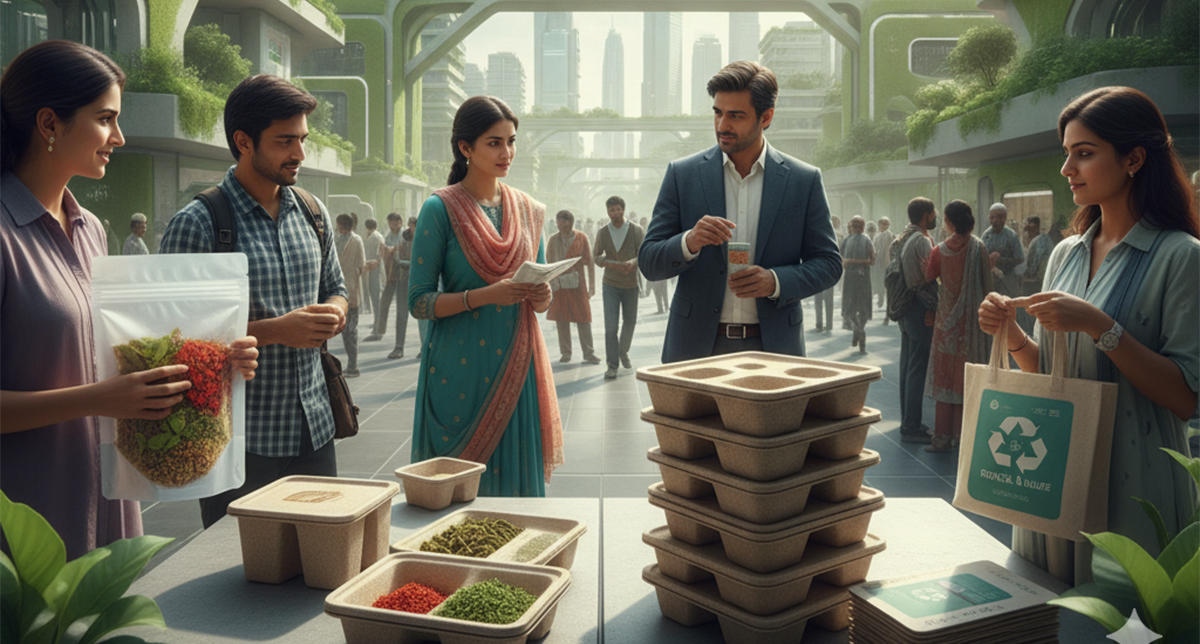
The world is undergoing a major transformation in how it views packaging, sustainability, and material science. Increasing environmental awareness and the urgent need to reduce pollution have fueled a global shift toward nature-inspired, eco-friendly packaging solutions. Today, innovation is no longer limited to manufacturing efficiency or cost reduction—industries are now rethinking the very materials they use. This movement has unlocked a new era often called the material revolution, where nature and technology come together to create groundbreaking alternatives with real-world impact.

A New Era of Nature-Inspired Material Solutions

Modern packaging is evolving beyond traditional plastic and paper. Scientists, engineers, and sustainability-driven companies are exploring natural resources, plant fibers, agricultural waste, and bio-compounds to build high-performance materials that are both durable and environmentally responsible. These next-generation packaging solutions combine the strength of engineering with the wisdom of nature.

Brands and researchers worldwide are proving that innovation doesn’t always come from synthetic chemicals—it can rise directly from organic sources that have been overlooked for decades. As industries embrace these developments, the way products are designed, transported, and consumed is being redefined.

Why Nature-Based Packaging Is Gaining Momentum

Nature-based packaging offers advantages well beyond eco-friendly branding. It provides measurable benefits that make it appealing to industries across sectors.

1. Cleaner Production Processes

Traditional petroleum-based plastics contribute significantly to greenhouse gas emissions. In contrast, plant-derived packaging solutions often require less energy during production. Many of these materials use upcycled agricultural waste, reducing environmental load and promoting circular economy models.

2. Strong Consumer Demand for Sustainable Products

Today’s consumers are more aware of environmental issues, and many actively seek products that align with their values. Packaging plays a major role in shaping brand perception. When companies use natural or eco-focused materials, they stand out in a crowded marketplace looking for conscious choices.

3. Regulatory Push Toward Green Alternatives

Governments across the world are implementing stricter rules on the usage of conventional plastics. This has increased demand for nature-based materials that comply with emerging regulations and help industries stay ahead of upcoming restrictions.

4. Impressive Functional Properties

The biggest surprise of this revolution is the performance of nature-inspired materials. Natural fibers, starch-based polymers, and bio-composites show excellent strength, flexibility, printability, and durability—often competing with or surpassing synthetic alternatives. This new generation of packaging proves that sustainability does not require sacrifice.

Breakthrough Innovations Changing the Packaging Landscape

The shift toward nature-driven materials is backed by multiple scientific and technological advancements. Some innovations leading the change include:

1. Plant Fiber–Based Packaging

Agricultural fibers like sugarcane bagasse, wheat straw, bamboo, and rice husk are being repurposed to create sturdy packaging solutions. These fibers are lightweight, strong, and heat-resistant, making them ideal for food trays, cups, containers, and protective packing materials.

2. Starch and Protein-Based Polymers

Materials made from corn starch, potato starch, and various plant proteins are paving the way for flexible films, bags, and packaging inserts. These materials provide visual quality and functional performance similar to conventional products while being derived from renewable sources.

3. Advanced Bio-Composites

Bio-composites integrate natural fibers with eco-friendly binders to create strong structural materials. These composites are finding applications in electronics packaging, industrial goods, and high-end retail products where durability and sustainability must coexist.

4. Mushroom and Mycelium Technology

One of the most unexpected breakthroughs is the use of mycelium—the root structure of mushrooms—to grow packaging. This material can be molded into protective forms, making it ideal for electronics, cosmetics, and fragile goods. It is lightweight, shock-absorbent, and produced with minimal energy.

5. Seaweed and Algae-Based Innovations

Seaweed-based films and coatings are entering the market as edible packaging wrappers, water-soluble sachets, and biodegradable film alternatives. Algae polymers have the potential to revolutionize everything from labels to flexible bags.

How Industries Are Embracing the Material Revolution

Multiple sectors are integrating natural packaging solutions to strengthen sustainability and reduce their ecological footprint.

Food & Beverage

Restaurants, food delivery services, and FMCG brands are adopting plant-fiber containers, eco-films, and compostable wraps. These materials help maintain food freshness while reducing waste.

E-Commerce

Online brands use cushioning, mailers, and boxes made from natural fiber composites to ensure safe shipping without relying on plastic fillers.

Beauty & Personal Care

Cosmetic brands are exploring mushroom packaging, bamboo containers, and seaweed-based films to create eco-friendly product experiences.

Retail & Fashion

Clothing brands are transitioning toward natural packaging options that match their sustainability messaging and reduce landfill waste.

Looking Ahead: The Future of Packaging Innovation

The material revolution is just beginning. Rapid innovation, investment in research, and rising global demand for eco-conscious solutions will continue to push nature-inspired packaging to the forefront. These materials are becoming mainstream, providing scalable and commercially viable choices for businesses worldwide.

This transformation is supported by organizations dedicated to developing advanced, sustainable solutions—companies such as Deltora Biopolymers Private Limited, which contribute to shaping the next era of packaging technology. Their efforts demonstrate how science, engineering, and environmental responsibility can work together to create packaging that supports both people and the planet.

Conclusion

From farm waste to seaweed, from fibers to fungi—the future of packaging is being shaped by unexpected innovations rooted in nature. As industries shift away from traditional plastics, nature-based materials are emerging as the leading force of sustainable change. This revolution is reshaping how products are delivered, how brands are perceived, and how businesses interact with the environment.

The next material revolution has already begun—and its foundation lies in the remarkable ability of nature to inspire solutions that are both practical and planet-friendly.

Sustainable Packaging Trends 2025 Innovations Shaping India’s Eco-Friendly Future

As India continues to embrace environmental sustainability, the packaging industry is undergoing a transformative shift. Companies and consumers alike are prioritizing eco-friendly solutions, giving rise to a growing demand for sustainable packaging trends. In 2025, innovative materials, design approaches, and manufacturing processes are reshaping how products are packaged, distributed, and perceived. These trends not only reduce environmental impact but also enhance brand value, improve consumer loyalty, and comply with stricter regulations on single-use plastics.

The Rise of Biodegradable and Compostable Packaging

One of the most significant trends in 2025 is the adoption of biodegradable and compostable packaging solutions. Traditional plastic packaging, while inexpensive and durable, poses severe environmental challenges due to its long decomposition period and pollution potential. Biodegradable materials, such as plant-based plastics, starch, and cellulose, decompose naturally, offering a safer alternative for both businesses and consumers.

For Indian companies, adopting biodegradable packaging provides multiple advantages. It aligns with the country’s environmental initiatives, reduces plastic waste in landfills and oceans, and meets the growing consumer demand for eco-conscious products. From food and beverage to personal care and e-commerce, biodegradable packaging is being integrated into everyday business operations, offering an effective, sustainable solution without compromising functionality.

Innovative Materials for Sustainable Packaging

In addition to biodegradable plastics, 2025 is witnessing the rise of novel sustainable materials. These include recycled paper, molded pulp, bamboo, seaweed-based films, and reusable packaging formats. Companies are experimenting with hybrid materials that combine durability with eco-friendliness. For example, water-resistant paper packaging and compostable multilayer films are gaining popularity, especially in the food and pharmaceutical sectors.

These innovations make sustainable packaging more accessible and versatile for Indian businesses. By incorporating advanced materials, companies can maintain product safety, improve shelf appeal, and reduce reliance on conventional plastics.

Eco-Friendly Design and Minimalist Packaging

Sustainable packaging is not only about materials; design plays a critical role in reducing environmental impact. In 2025, minimalist packaging is emerging as a key trend. By reducing excess packaging, optimizing shapes, and minimizing ink and adhesives, companies can significantly cut material usage.

Smart packaging design also emphasizes functionality. Modular, collapsible, and reusable containers reduce waste throughout the supply chain. Additionally, clear labeling and eco-certifications help consumers make informed choices, further promoting sustainability in purchasing decisions.

Digital Integration and Smart Packaging

Another trend shaping India’s sustainable packaging future is the integration of digital technologies. QR codes, NFC chips, and smart labels are being used to provide product information, recycling instructions, and traceability. These digital tools help consumers understand the environmental benefits of the packaging, encourage proper disposal, and facilitate circular economy initiatives.

For businesses, smart packaging also enhances supply chain efficiency, reduces product losses, and improves customer engagement. In combination with eco-friendly materials, digital integration creates a holistic approach to sustainability.

Government Initiatives and Regulatory Support

The Indian government’s policies are further driving sustainable packaging adoption. Regulations limiting single-use plastics, promoting compostable materials, and encouraging recycling are encouraging businesses to innovate. SMEs and large enterprises are increasingly leveraging these policies to implement eco-friendly packaging solutions that comply with local and international standards.

For example, initiatives promoting the use of compostable food packaging and incentives for sustainable startups are creating a favorable environment for innovation. Companies adopting these solutions gain both regulatory compliance and a competitive advantage in the marketplace.

Corporate Responsibility and Consumer Expectations

In 2025, sustainability is no longer optional; it has become a key component of corporate responsibility. Consumers are actively seeking brands that demonstrate environmental stewardship. Companies that adopt sustainable packaging trends not only reduce their ecological footprint but also enhance brand loyalty and market positioning.

Indian businesses are responding by investing in eco-friendly packaging for both retail and e-commerce sectors. From biodegradable containers to recyclable wraps and smart, reusable designs, companies are meeting consumer expectations while promoting long-term environmental responsibility.

The Role of Industry Leaders

Leading companies, such as Deltora Biopolymers Private Limited, are at the forefront of these trends, providing innovative solutions for SMEs and large businesses alike. By offering biodegradable containers, compostable packaging solutions, and custom eco-packaging, such companies are helping Indian enterprises transition toward sustainable practices. Their expertise demonstrates that sustainability and cost-effectiveness can coexist, making eco-friendly packaging accessible for all businesses.

Conclusion

Sustainable packaging trends in 2025 reflect a broader shift toward environmentally conscious business practices in India. From biodegradable and compostable materials to smart designs, digital integration, and regulatory compliance, these innovations are transforming the packaging landscape. By embracing eco-friendly solutions, businesses can reduce environmental impact, enhance brand reputation, and meet the expectations of a more responsible consumer base.

For Indian companies, adopting these trends is not just a moral imperative but a strategic move. Companies like Deltora Biopolymers Private Limited are paving the way by offering affordable, innovative, and sustainable packaging solutions that meet the demands of 2025 and beyond. As businesses continue to prioritize sustainability, eco-friendly packaging will become a standard rather than an exception, shaping India’s green future.


FAQs

Q1: What are the key sustainable packaging trends in India for 2025?
A1: Key trends include biodegradable and compostable materials, minimalist designs, smart and digital packaging, and the use of innovative eco-friendly materials such as bamboo, seaweed films, and recycled paper.

Q2: Why is sustainable packaging important for businesses?
A2: Sustainable packaging reduces environmental impact, meets consumer expectations, complies with government regulations, and enhances brand reputation.

Q3: Are eco-friendly packaging solutions expensive for SMEs?
A3: No, companies like Deltora Biopolymers Private Limited offer cost-effective solutions suitable for SMEs while maintaining durability and functionality.

Q4: How does digital technology integrate with sustainable packaging?
A4: Smart packaging with QR codes, NFC chips, and traceability features provides product information, recycling instructions, and promotes proper disposal while enhancing customer engagement.

Q5: Can sustainable packaging help companies gain a competitive advantage?
A5: Yes, eco-friendly packaging improves brand perception, attracts eco-conscious consumers, ensures regulatory compliance, and positions companies as responsible market leaders.

How Sustainable Compostable Raw Material Suppliers Are Powering the Future of Eco-Packaging

The global shift towards sustainability has sparked a remarkable transformation in the packaging industry. With environmental regulations tightening and consumer awareness at an all-time high, traditional plastic packaging is rapidly being replaced by greener, more responsible alternatives. At the core of this movement are sustainable compostable raw material suppliers, who are enabling a new generation of eco-packaging solutions that are not only biodegradable but also high-performing and scalable.

As packaging remains one of the largest contributors to plastic waste worldwide, the transition to compostable alternatives is no longer a choice—it’s a necessity. From food packaging to e-commerce deliveries, sustainable packaging materials are being adopted across multiple sectors. But for this transformation to be effective and truly sustainable, it must begin at the source: the raw materials.

Understanding Sustainable Compostable Raw Materials

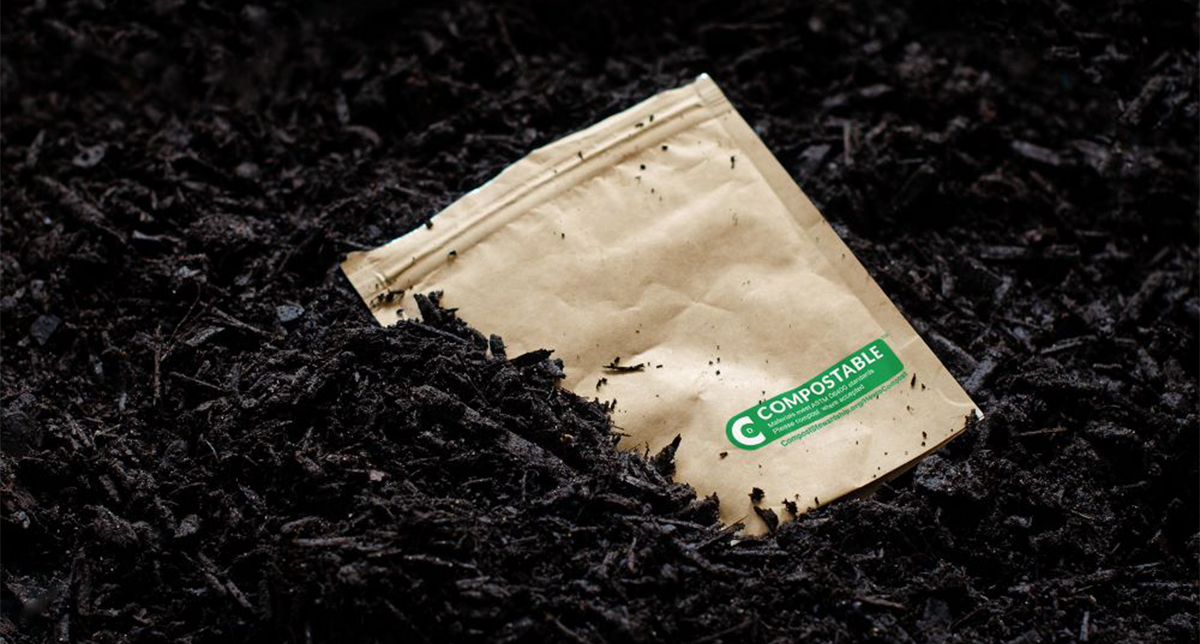
Sustainable compostable raw materials are materials derived from renewable, natural sources like corn starch, sugarcane, cassava, or cellulose. These materials are designed to decompose under composting conditions, leaving behind no harmful residues. Unlike conventional plastic, which can take hundreds of years to degrade, compostable materials break down within weeks or months when exposed to the right microbial, moisture, and temperature conditions.

However, not all biodegradable materials are compostable, and not all compostable materials are sustainable. The best solutions lie at the intersection of these three pillars: compostability, renewability, and responsible sourcing.

This is where sustainable compostable raw material suppliers play a vital role. They ensure the base materials used in eco-packaging are environmentally safe, meet global certification standards, and are derived from sources that don’t cause ecological harm or food chain disruption.

The Role of Raw Material Suppliers in the Packaging Revolution

Packaging companies and product manufacturers heavily rely on material suppliers for consistency, compliance, and innovation. In the realm of compostable packaging, raw material suppliers must provide more than just base ingredients—they must offer assurance, traceability, and performance reliability.

Here’s how these suppliers are helping drive the future of sustainable packaging:

1. Material Innovation

Suppliers are constantly researching and developing new blends of plant-based polymers to meet industry-specific needs. Whether it’s flexible films for snack packaging or rigid trays for food storage, innovation in raw materials is helping expand the application of compostable solutions.

2. Certifications and Compliance

Top suppliers ensure their materials comply with global standards like EN 13432, ASTM D6400, and ISO 17088. These certifications assure downstream brands that the packaging will decompose safely and meet regulatory requirements in domestic and international markets.

3. Cost-Effective Scalability

Raw material suppliers are investing in scalable production techniques, making compostable solutions more accessible and price-competitive. This is crucial for industries looking to make an affordable yet impactful switch from plastic to compostable packaging.

4. Supply Chain Transparency

Eco-conscious brands today want to know where their materials come from. Suppliers who offer traceable, ethically sourced materials help build trust and strengthen brand reputation.

Deltora Biopolymers Private Limited: Leading with Responsibility

One standout name in this emerging space is Deltora Biopolymers Private Limited, a company committed to providing high-quality compostable materials sourced from renewable resources. Their mission is rooted in creating sustainable alternatives that not only perform well but also reduce the environmental footprint of packaging.

With a strong focus on research and certifications, Deltora Biopolymers offers a comprehensive range of raw materials suitable for flexible and rigid packaging formats. Their consistent quality, scalable supply, and industry-ready technical support make them a reliable partner for eco-conscious packaging manufacturers across India and beyond.

By aligning with such visionary suppliers, businesses are not just adopting green practices—they’re joining a growing movement that champions the planet without compromising on product performance.

Key Industries Benefiting from Compostable Raw Materials

The impact of sustainable compostable raw materials spans several industries:

  • Food & Beverage: Compostable films, trays, cups, and cutlery reduce landfill waste and align with hygiene and safety standards.
  • Retail & E-commerce: Compostable courier bags, clothing wraps, and labels allow online businesses to ship responsibly.
  • Healthcare: Sustainable blister packs, containers, and hygiene products minimize plastic usage in sensitive environments.
  • Agriculture: Compostable mulch films and seedling trays improve soil health and reduce farm waste.

As demand continues to grow, suppliers who can deliver on quality, innovation, and environmental integrity will define the future of eco-packaging.

The Future Outlook: Challenges and Opportunities

While the progress is encouraging, the journey towards full-scale adoption of compostable packaging faces challenges:

  • Composting Infrastructure: India still lacks widespread industrial composting units to process all compostable waste effectively.
  • Consumer Awareness: Many users still don’t know how to dispose of compostable packaging properly.
  • Initial Cost: Though dropping, compostable materials can still be more expensive than conventional plastic, especially for small businesses.

Despite these challenges, the opportunities are vast. Government policies supporting green materials, international trade incentives, and rising consumer preference for sustainable products are all setting the stage for rapid industry expansion.

Final Thoughts

The shift toward eco-friendly packaging isn’t just a trend—it’s a defining movement of our generation. At the heart of this movement are sustainable compostable raw material suppliers, whose commitment to responsible innovation is enabling a new era of packaging solutions. From reducing plastic dependency to supporting circular economies, these suppliers are making it possible for businesses to adopt sustainability without sacrificing performance or reliability.

Companies like Deltora Biopolymers Private Limited are demonstrating that when raw materials are chosen with care, the impact ripples across the entire value chain—from manufacturers to consumers to the environment.

In a world increasingly defined by climate responsibility, the future of packaging depends on sustainable beginnings. And it all starts with choosing the right raw materials.