How Indian Innovators Are Transforming Sustainability with Bioplastics

India, a country known for its innovation, resourcefulness, and adaptability, is emerging as a major player in the global shift toward sustainable alternatives. As environmental concerns over plastic pollution mount, Indian innovators and companies are increasingly turning to bioplastics to create eco-friendly solutions. These bio-based alternatives are reshaping the packaging, manufacturing, and consumer goods industries while reducing the nation’s environmental footprint.

Among the pioneers leading this green revolution is Deltora Biopolymers Private Limited, a company committed to building a plastic-free future with sustainable, compostable materials.

The Rising Demand for Bioplastics

The worldwide demand for bioplastics is being driven by two primary forces—environmental necessity and consumer awareness. Traditional plastic production, which relies heavily on fossil fuels, contributes significantly to greenhouse gas emissions and waste that persists in the environment for centuries. In contrast, bioplastics are derived from renewable resources such as corn starch, sugarcane, or cassava, and many are compostable or biodegradable.

In India, this transition has gained momentum due to government regulations aimed at banning single-use plastics, increasing waste management challenges, and a growing population that is more conscious of environmental impacts. As a result, industries are now seeking biodegradable and compostable alternatives to meet both legal requirements and consumer expectations.

What Are Bioplastics?

Bioplastics are a diverse family of materials that include both bio-based and biodegradable plastics. Some bioplastics, like PLA (Polylactic Acid), are derived entirely from renewable biomass, while others are only partially bio-based but designed to degrade more safely than petroleum-based plastics.

The major types of bioplastics used in India include:

  • PLA (Polylactic Acid) – Made from fermented plant starch.
  • PHA (Polyhydroxyalkanoates) – Produced by microbial fermentation.
  • Starch-based Plastics – Blends of corn or potato starch with biodegradable polyesters.

These materials are used in applications such as food packaging, shopping bags, disposable cutlery, agricultural films, and even medical devices.

India’s Role in the Global Bioplastic Movement

India’s contribution to the bioplastics movement is significant due to its abundance of agricultural resources, skilled workforce, and innovation-driven startups. Several Indian firms have recognized the need for sustainable change and are actively developing bioplastics that cater to local and international markets.

One such innovator is Deltora Biopolymers Private Limited, which has been at the forefront of creating compostable and biodegradable alternatives to single-use plastic. The company’s vision aligns with both environmental goals and industrial scalability, offering bioplastic solutions that are affordable, reliable, and compliant with global sustainability standards.

How Indian Innovators Are Making a Difference

1. Affordable Innovation for the Masses

Indian innovators understand the importance of affordability, especially in a country with a price-sensitive market. By leveraging indigenous raw materials and optimizing manufacturing processes, they are able to produce bioplastics at competitive prices. This makes sustainable choices accessible to a broader audience and encourages adoption on a larger scale.

2. Focus on Industrial Scalability

Developing a product is only half the challenge; scaling it to meet industrial demands is where innovation truly shines. Indian companies are working with advanced research labs, universities, and global partners to ensure that their bioplastic solutions can be mass-produced without compromising on quality or performance.

3. Customized Solutions for Local Needs

Bioplastic innovators in India are creating solutions tailored to the country’s unique climate, waste management infrastructure, and consumer behavior. For instance, materials are engineered to break down in both industrial composting facilities and home compost bins. Packaging solutions are also designed to be compatible with existing logistics and distribution systems.

4. Collaboration with Agriculture and Waste Sectors

A large portion of bioplastic materials in India are derived from agricultural by-products. Innovators are collaborating with farmers and rural industries to source materials like corn starch, sugarcane waste, and tapioca. This not only supports local economies but also creates a circular supply chain that adds value at every stage.

Challenges Ahead

Despite the progress, the bioplastics industry in India faces a few hurdles. These include:

  • Limited public awareness about the proper disposal of bioplastics.
  • Lack of large-scale composting infrastructure.
  • Regulatory ambiguity around certifications and labeling of biodegradable products.

However, with ongoing government support, rising environmental activism, and a robust startup ecosystem, these challenges are being addressed steadily.

The Future Looks Green

As the global demand for sustainable alternatives increases, India is poised to become a key supplier and innovator in the bioplastics domain. Startups and established firms alike are committed to reducing plastic pollution and offering scalable, eco-friendly alternatives.

With companies like Deltora Biopolymers Private Limited leading the charge, the vision of a sustainable India—free from the clutches of plastic pollution—is gradually becoming a reality. Their commitment to producing compostable bags, packaging, and raw materials is setting new standards in green manufacturing and inspiring a new generation of environmental entrepreneurs.

Final Thoughts

The transformation of sustainability through bioplastics in India is not just an industrial shift—it’s a cultural one. It reflects a growing consciousness among businesses and consumers to take responsibility for the planet’s future. Indian innovators are not just following global trends; they are setting them—by creating local solutions that can have a worldwide impact.

As the industry matures, bioplastics will play an increasingly vital role in redefining how India consumes, disposes, and lives in harmony with nature.

Green Packaging Redefined: Leaders in Compostable Bag Manufacturing

As the world battles the mounting crisis of plastic pollution, the demand for sustainable and eco-friendly alternatives has never been greater. Packaging, especially single-use plastic bags, has long been a major contributor to global waste. However, a powerful wave of innovation is now reshaping the industry, with compostable bag manufacturing emerging as a beacon of hope for a greener future.

In India, visionary companies like Deltora Biopolymers Private Limited are leading this transformation, setting new standards in green packaging through the development of compostable bags that combine environmental responsibility with industrial performance.

The Problem with Traditional Plastic Bags

Plastic bags, although convenient and cheap, are an environmental disaster. They take hundreds of years to decompose and often end up in oceans, rivers, and landfills, harming wildlife and polluting ecosystems. Their widespread use across retail, food, and logistics sectors makes them one of the most visible and harmful pollutants.

As public awareness increases and government regulations tighten, businesses and consumers are actively seeking sustainable packaging options. This shift has opened up immense potential for compostable bag manufacturers to make a meaningful impact.

What Are Compostable Bags?

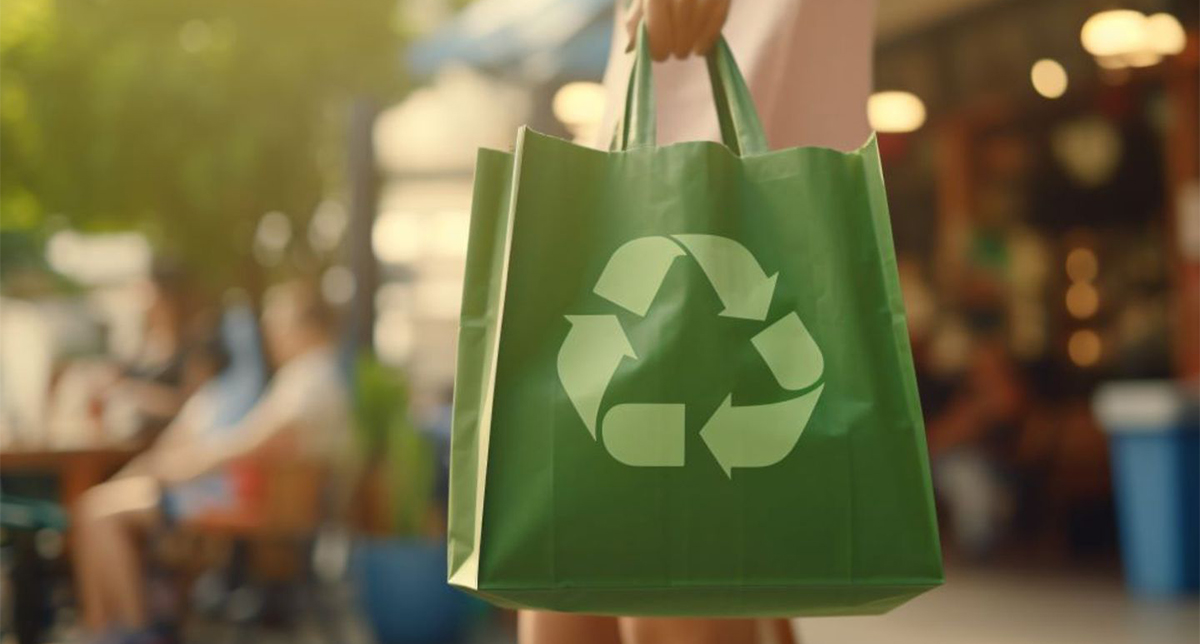
Compostable bags are made from natural, renewable materials such as corn starch, cassava, potato starch, or sugarcane. Unlike traditional plastics, these bags break down into natural elements like water, carbon dioxide, and biomass when placed in composting conditions.

What makes compostable bags unique is their ability to decompose without leaving behind harmful residues or microplastics. They serve the same function as conventional plastic bags but do so with significantly less environmental impact.

India’s Growing Leadership in Compostable Packaging

India’s stance on sustainability has evolved rapidly, especially with the government’s nationwide ban on single-use plastics. This has pushed industries to explore innovative alternatives, with compostable packaging emerging as one of the most practical and scalable solutions.

Several Indian companies have risen to the challenge by establishing world-class compostable bag manufacturing facilities. These manufacturers are producing certified compostable bags that meet both national and international standards for eco-friendliness, durability, and performance.

One standout name among them is Deltora Biopolymers Private Limited, a company committed to developing compostable raw materials and products that contribute to a plastic-free future. Their focus on innovation, compliance, and industrial scalability has positioned them as a key player in redefining the packaging landscape.

Characteristics of High-Quality Compostable Bags

Leading manufacturers of compostable bags in India focus on delivering products that are:

  • Certified compostable under recognized standards like IS/ISO 17088, EN 13432, or ASTM D6400
  • Tear-resistant and leak-proof, suitable for wet and dry waste
  • Odor-free and non-toxic, safe for use in food packaging
  • Available in custom sizes and thicknesses, for retail, agriculture, or commercial use
  • Home-compostable or industrial-compostable, depending on the use case

These features make compostable bags an ideal alternative for everyday applications, from grocery stores and hotels to e-commerce and hospitality.

Why Indian Manufacturers Stand Out

1. Cost-Effective Production

Indian compostable bag manufacturers leverage locally available agricultural resources like starch from corn or tapioca. This makes the production process more cost-effective and sustainable, enabling them to offer competitive pricing in global markets.

2. Technological Advancements

India’s green tech sector has witnessed significant R&D investments, resulting in the development of advanced biodegradable materials and faster production cycles. Many manufacturers use state-of-the-art extrusion and printing machinery to meet growing demand without compromising quality.

3. Regulatory Compliance

Top Indian manufacturers ensure their products comply with national guidelines like the Plastic Waste Management Rules, 2016, and international standards. This ensures credibility and opens doors for export opportunities.

4. Export-Ready Infrastructure

Many compostable bag manufacturers in India are also focused on serving international markets. With a strong logistics network and certifications in place, Indian products are being exported to Europe, the Middle East, North America, and Southeast Asia.

Applications of Compostable Bags

Compostable bags are no longer just a niche product. Their uses span across a wide range of industries:

  • Retail and Grocery: Shopping bags, produce bags, and packaging sleeves
  • Hospitality: Food delivery bags, garbage liners, and disposable cutlery wraps
  • Healthcare: Bio-waste disposal bags
  • Agriculture: Mulch films, seedling bags, and organic waste liners
  • Corporate and Industrial: Custom packaging for eco-conscious brands

Challenges in the Transition to Compostable Bags

Despite the progress, the adoption of compostable bags still faces challenges such as:

  • Lack of widespread consumer awareness about compostable products
  • Limited access to composting infrastructure, especially in rural areas
  • Higher initial costs compared to conventional plastic
  • Mislabeling and greenwashing by unregulated products in the market

However, with sustained innovation, policy support, and education, these obstacles are gradually being addressed.

The Way Forward

The future of packaging lies in sustainable alternatives that are both functional and planet-friendly. Compostable bags represent a critical step in that direction. They help reduce reliance on fossil fuels, cut down plastic pollution, and support the principles of a circular economy.

Companies like Deltora Biopolymers Private Limited are not only producing these eco-friendly solutions at scale but are also advocating for responsible consumption and waste management. Their commitment to sustainability is helping businesses transition smoothly into a future where packaging leaves no footprint behind.

Final Thoughts

Green packaging is no longer a luxury—it’s a necessity. As the world continues to search for solutions to combat plastic waste, compostable bag manufacturers in India are leading by example. With innovation, integrity, and a strong environmental vision, these leaders are redefining what packaging means in the 21st century.

Through conscious choices, regulatory support, and collective effort, India is poised to become a global hub for compostable solutions. And with committed players like Deltora Biopolymers Private Limited driving the industry forward, the path to a cleaner, greener planet looks more achievable than ever.

Eco-Packaging’s Backbone: Indian Suppliers of Sustainable Raw Materials

In the race to combat environmental degradation and plastic pollution, one critical sector often overlooked is the supply chain of sustainable raw materials. While compostable products like bags, containers, and packaging films are gaining visibility, their very foundation—eco-friendly raw materials—is where the true transformation begins. Indian suppliers of sustainable raw materials are playing a vital role in making eco-packaging a viable reality, both domestically and globally.

Among the prominent players in this green revolution is Deltora Biopolymers Private Limited, a company known for its innovation in biopolymer-based raw materials that serve as the backbone of compostable and biodegradable packaging solutions.

Understanding the Importance of Sustainable Raw Materials

Sustainable raw materials are derived from renewable sources such as corn starch, cassava, sugarcane, and other agricultural by-products. These materials form the base of compostable packaging products that decompose naturally and safely, reducing environmental burden. Unlike conventional plastics, which originate from fossil fuels and linger in the environment for centuries, biopolymers return to nature within months under proper composting conditions.

For eco-packaging to function effectively, it must be built on high-quality, certified, and scalable sustainable raw materials. These foundational materials are crucial in determining the strength, durability, appearance, and compostability of the final product.

India’s Strategic Advantage in Sustainable Material Supply

India’s position in the sustainable raw materials industry is unique and advantageous. With its vast agricultural output, technical talent, and growing startup ecosystem, the country is naturally positioned to be a global supplier of biodegradable and compostable raw materials.

Indian suppliers are harnessing native crops like maize, tapioca, and sugarcane bagasse to produce eco-friendly compounds. These materials are not only biodegradable but also cost-effective due to the country’s rich resource availability and local processing infrastructure.

Deltora Biopolymers Private Limited: At the Core of Green Manufacturing

Deltora Biopolymers Private Limited stands as a beacon of excellence in the Indian biopolymer industry. Their commitment to sustainability begins at the molecular level, where they craft high-performance compostable raw materials designed to meet the needs of packaging manufacturers across multiple industries.

From food-grade biopolymers to industrial compostable compounds, Deltora offers a wide range of solutions that enable companies to produce certified eco-packaging that complies with national and international standards. Their R&D-driven approach ensures continuous innovation, while their emphasis on quality and scalability makes them a reliable partner for global eco-conscious brands.

Key Features of India’s Sustainable Raw Material Supply

1. Bio-Based and Compostable

Raw materials supplied by Indian firms are typically bio-based, meaning they originate from plants or microorganisms. These materials can be certified as compostable under global norms like IS/ISO 17088 or EN 13432, making them suitable for both home and industrial composting.

2. Cost-Efficient and Scalable

India’s agricultural diversity allows for a steady supply of feedstock like starches, cellulose, and fibers. Combined with lower manufacturing costs, this makes the supply chain more affordable and scalable for both local and international businesses.

3. Custom Formulations

Leading suppliers offer tailored raw material blends to suit specific packaging needs—whether it’s bags, trays, films, or molded containers. These formulations ensure the final products perform well in real-world applications.

4. Regulatory Compliance

Indian suppliers ensure their materials are compliant with environmental regulations such as the Plastic Waste Management Rules and global compostability standards, reducing the burden on manufacturers during export or certification.

Applications of Sustainable Raw Materials in Eco-Packaging

Raw materials supplied by Indian companies are used across various industries, including:

  • Retail: Compostable shopping and carry bags
  • Food & Beverage: Biodegradable containers, straws, and films
  • Healthcare: Bio-waste bags and packaging
  • Agriculture: Compostable seedling bags and mulch films
  • E-Commerce: Sustainable courier packaging and envelopes

These materials are designed to offer the same functionality as traditional plastic while being safe for the environment and human health.

Challenges and Opportunities

While India is making commendable progress, challenges still exist in the sustainable raw materials sector:

  • Lack of standardization: Not all products claiming to be “green” meet compostability or biodegradability benchmarks.
  • Limited awareness: Many businesses are unaware of the differences between biodegradable and truly compostable materials.
  • Infrastructure gaps: Composting facilities and waste segregation systems need further development to support large-scale adoption.

However, these hurdles are being addressed through innovation, education, and policy support. With increased government focus on sustainability, initiatives promoting compostable packaging, and incentives for green manufacturing, the future is promising.

Why Indian Suppliers Are the Future of Sustainable Packaging

India is rapidly becoming a trusted source of sustainable packaging raw materials thanks to its ability to combine affordability with environmental impact. From sourcing to production, the Indian supply chain is being optimized for eco-efficiency.

Suppliers like Deltora Biopolymers Private Limited are not only meeting the current demand but also shaping future trends. Their role in developing globally competitive materials that promote circular economy principles makes them key enablers of responsible packaging.

Final Thoughts

Eco-packaging begins long before a product reaches the shelf—it starts with the raw materials that shape its form, function, and environmental footprint. Indian suppliers of sustainable raw materials are quietly, but powerfully, redefining how the world approaches packaging.

Their contribution ensures that businesses don’t have to choose between performance and sustainability. With innovation-driven companies like Deltora Biopolymers Private Limited setting the bar high, India is firmly positioned as a global leader in green manufacturing and eco-packaging supply.

As the planet looks for answers to the plastic problem, the backbone of change lies in the hands of those supplying the materials for a better, cleaner future.

Eco-Focused Innovation: How India is Powering Sustainable Material Trends

India is undergoing a powerful transformation in its approach to sustainability. With climate change, environmental degradation, and plastic pollution becoming global concerns, Indian companies and innovators are stepping up to pioneer eco-focused solutions. From biodegradable packaging to renewable material alternatives, India is now at the forefront of the sustainable materials movement, setting examples for both developing and developed nations.

This shift is being led by cutting-edge enterprises like Deltora Biopolymers Private Limited, which is revolutionizing how materials are produced, used, and disposed of—without harming the environment.

The Urgent Need for Sustainable Materials

The need for sustainable material solutions has never been more critical. Global dependence on non-renewable resources like petroleum-based plastics, metals, and synthetic textiles is pushing the planet toward irreversible damage. Every year, millions of tons of plastic waste pollute oceans and landscapes, taking centuries to decompose and leaching harmful toxins into ecosystems.

As environmental awareness rises and consumer demand shifts toward greener alternatives, the material sciences industry is being compelled to innovate. In this context, India is becoming a hotspot for the development of sustainable material trends that are affordable, scalable, and eco-friendly.

India’s Growing Green Innovation Ecosystem

India’s innovation ecosystem is thriving, particularly in the sustainability sector. A combination of government regulations, academic research, and private-sector investment is driving breakthroughs in material science. The Indian government’s push to ban single-use plastics, encourage waste segregation, and promote sustainable business practices has opened new opportunities for green entrepreneurs.

Startups and companies across India are developing compostable polymers, bio-based packaging, recyclable alternatives to Styrofoam, and even plant-based leather. These innovations aren’t just theoretical—they’re being deployed in everyday applications, from food delivery to retail packaging and agriculture.

Spotlight on Biopolymers and Compostable Packaging

One of the most promising areas of eco-focused innovation is biopolymer technology. Biopolymers are natural, renewable polymers derived from biological sources like corn starch, sugarcane, tapioca, and even algae. They serve as environmentally friendly alternatives to conventional plastic and are often compostable or biodegradable.

Deltora Biopolymers Private Limited is among the leading Indian firms focused on the development and supply of such materials. Their range of compostable raw materials and packaging solutions is designed to meet the rising demand for eco-packaging across multiple industries. Their commitment to innovation, compliance with global standards, and large-scale manufacturing capacity make them a cornerstone in India’s sustainability movement.

Key Sustainable Material Trends Driven by Indian Innovation

1. Compostable and Biodegradable Packaging

India has become a key player in compostable packaging, with companies producing bags, films, containers, and wrappers made from plant-based bioplastics. These materials decompose naturally in industrial or home composting systems, leaving no toxic residue behind.

2. Agro-Waste Upcycling

Innovators are now turning agricultural waste such as rice husks, sugarcane bagasse, and wheat straw into valuable materials. These by-products are being used to create biodegradable tableware, insulation materials, and eco-friendly construction products.

3. Plant-Based Textiles and Leather Alternatives

Sustainable fashion is also gaining traction, with Indian startups developing leather alternatives from coconut waste, banana fibers, and even mushrooms. These plant-based materials provide cruelty-free and biodegradable options for shoes, bags, and garments.

4. Natural Fiber Composites

Natural fibers such as jute, coir, and hemp are being integrated with biodegradable polymers to create sustainable composite materials. These are being used in the automotive, packaging, and construction industries, replacing synthetic and non-renewable counterparts.

5. Water-Soluble and Edible Films

Food-grade, water-soluble films made from natural polymers are emerging as alternatives to plastic wraps. These edible films are particularly useful for packaging single-use products such as spices, sauces, and single-serve foods.

The Role of Indian Startups and Manufacturers

What sets India apart in the global sustainability race is its ability to combine affordability with innovation. Indian manufacturers are capable of producing eco-materials at lower costs, making green solutions more accessible to a wider population.

Many of these efforts are driven by deep collaboration among academia, research institutions, and industry. Educational institutions are helping to fuel innovation through dedicated programs in sustainable material engineering, while public and private funds are being invested in green startups.

Overcoming the Challenges

Despite the progress, the path to sustainable material adoption in India is not without challenges:

  • Lack of large-scale composting facilities
  • Low consumer awareness about disposal methods
  • Initial production costs of bioplastics
  • Limited policy clarity on certification and labeling

Nevertheless, the industry is optimistic. Continued innovation, combined with supportive policies and increased consumer education, will help overcome these barriers in the coming years.

The Road Ahead: A Greener India

The future of sustainable material production in India looks promising. With rising environmental consciousness and regulatory support, Indian innovators are not only keeping pace with global sustainability standards but are setting new benchmarks.

Companies like Deltora Biopolymers Private Limited are proof that Indian manufacturers can lead the way in green innovation. By creating scalable, compostable solutions tailored for Indian and global markets, they are helping transition the industry from plastic dependency to a more circular, regenerative model.

Conclusion

Eco-focused innovation in India is not just a trend—it’s a necessity driven by vision, science, and responsibility. From compostable bioplastics to natural fiber composites, Indian companies are proving that sustainable materials can be effective, affordable, and scalable.

As the world continues its journey toward greener alternatives, India’s contribution—both in technology and mindset—will play a pivotal role. With a commitment to sustainability and a strong base of innovators and manufacturers, India is powering a future where economic growth and environmental preservation go hand in hand.