From Waste to Worth Building a Greener Future with Eco-Conscious Material Innovations

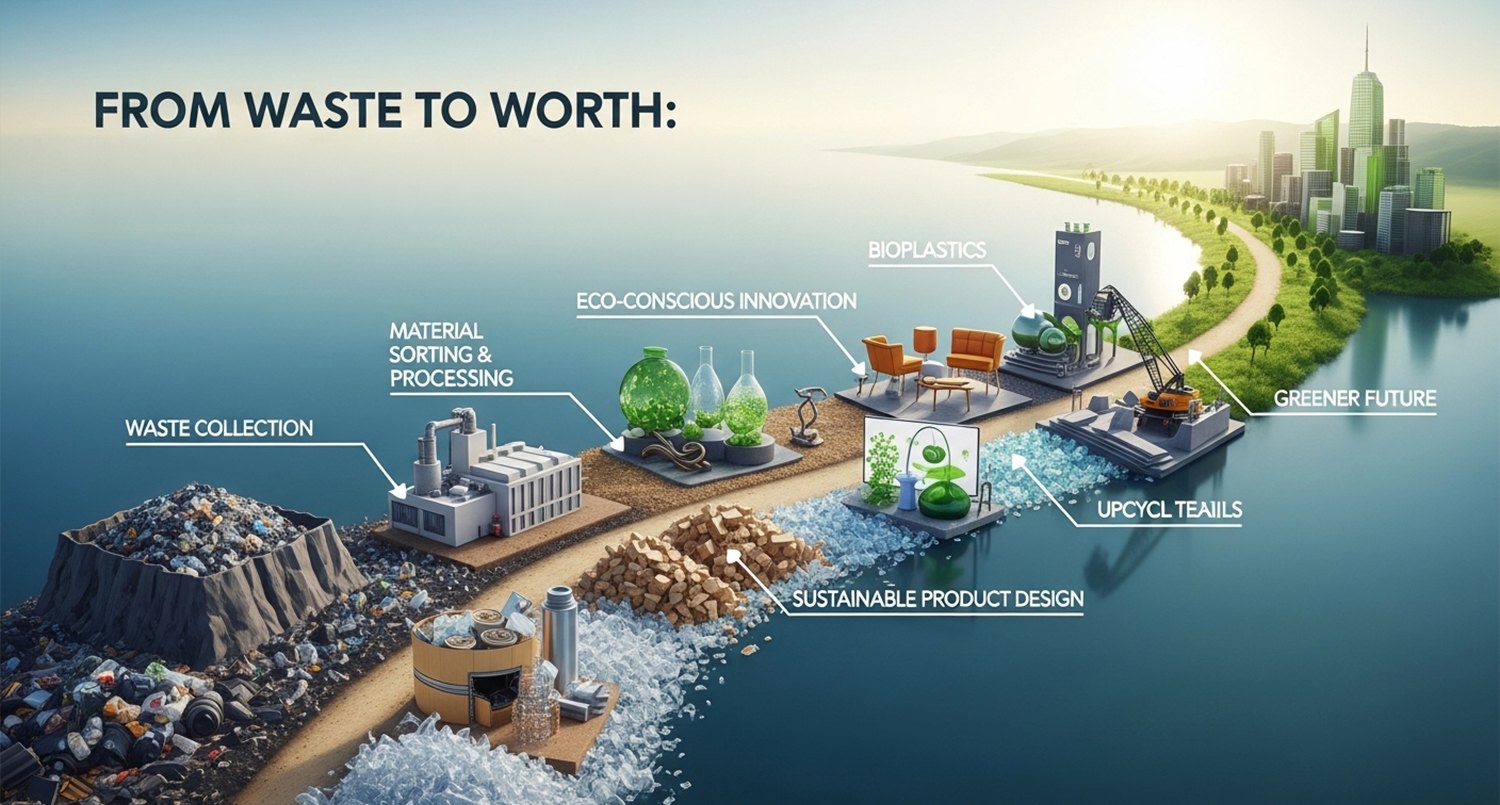
In an era where environmental challenges are becoming increasingly urgent, the way industries manage waste is undergoing a significant transformation. What was once considered useless or disposable is now being reimagined as a valuable resource. The concept of turning waste into worth is gaining traction across sectors, driven by the need for sustainable development and responsible production practices. Eco-conscious material innovations are at the heart of this shift, enabling businesses to reduce waste while creating high-quality, sustainable products.

Traditionally, industrial growth has relied heavily on materials that generate significant waste and environmental harm. From excessive packaging to single-use plastics, the impact has been long-lasting and widespread. However, with rising awareness and stricter environmental regulations, companies are now seeking smarter solutions. Eco-conscious materials are designed to minimize environmental impact, promote resource efficiency, and support sustainable manufacturing processes. These materials are redefining how products are designed, produced, and disposed of.

One of the most important aspects of eco-conscious material innovation is the ability to repurpose waste into usable raw materials. Instead of discarding by-products, industries are now investing in technologies that convert waste into valuable inputs for production. This approach not only reduces landfill waste but also decreases the demand for virgin resources. By closing the loop in material usage, businesses can significantly lower their environmental footprint while maintaining productivity.

The packaging industry is one of the biggest beneficiaries of this transformation. With increasing pressure to reduce plastic waste, companies are adopting eco-friendly alternatives that deliver both performance and sustainability. Eco-conscious materials provide strength, flexibility, and durability, making them ideal for packaging applications. They also help brands meet consumer expectations for environmentally responsible products. As a result, businesses can align their operations with both regulatory standards and market demands.

In addition to packaging, eco-conscious materials are making a strong impact in manufacturing, construction, agriculture, and consumer goods. These materials are versatile and can be tailored to meet specific industry requirements. Whether it’s creating lightweight components for automotive use or developing sustainable solutions for everyday products, eco-conscious innovations are driving efficiency and environmental responsibility at the same time.

Another key advantage of these materials is their role in promoting a circular economy. Unlike the traditional linear model of “take, make, dispose,” a circular approach focuses on reusing, recycling, and regenerating resources. Eco-conscious material innovations make it easier for businesses to adopt this model by providing sustainable alternatives that can be reintegrated into the production cycle. This reduces waste generation and ensures that resources are utilized more effectively.

Cost efficiency is also an important factor driving the adoption of eco-conscious materials. While some businesses may initially perceive sustainable materials as expensive, the long-term benefits often outweigh the costs. Reduced waste management expenses, improved energy efficiency, and compliance with environmental regulations contribute to overall savings. Moreover, companies that embrace sustainability are better positioned to attract environmentally conscious customers and investors.

Innovation and technology play a crucial role in advancing eco-conscious material solutions. Continuous research is leading to the development of new materials that combine performance with sustainability. Companies like Deltora Biopolymers Private Limited are contributing significantly to this progress by offering innovative solutions that help industries transition toward greener practices. Their commitment to quality and sustainability ensures that businesses can adopt eco-friendly materials without compromising on performance or reliability.

Consumer awareness is another driving force behind the shift toward eco-conscious materials. Today’s consumers are more informed and concerned about the environmental impact of their choices. They prefer brands that demonstrate a commitment to sustainability and responsible sourcing. By incorporating eco-conscious materials into their products, companies can build trust, enhance brand reputation, and gain a competitive edge in the market.

Furthermore, eco-conscious material innovations play a vital role in reducing carbon emissions. Traditional manufacturing processes often involve high energy consumption and significant greenhouse gas emissions. By using sustainable materials and optimizing production techniques, businesses can reduce their carbon footprint and contribute to global climate goals. This not only benefits the environment but also helps organizations align with international sustainability standards.

Deltora Biopolymers Private Limited stands out as a key player in promoting eco-conscious innovation. By focusing on advanced material solutions, the company supports industries in transforming waste into valuable resources. Their approach reflects a strong commitment to sustainability, helping businesses move toward greener and more responsible operations.

In conclusion, the journey from waste to worth is reshaping the future of industries worldwide. Eco-conscious material innovations are enabling businesses to reduce waste, conserve resources, and create sustainable products that meet modern demands. By embracing these solutions, companies can play a crucial role in building a greener future while achieving long-term growth and success. The shift toward sustainability is not just a trend—it is a necessary step toward preserving our planet for future generations.
Eco-Friendly Polymers A Smarter Approach to Sustainable Packaging and Production

In today’s rapidly evolving industrial landscape, sustainability is no longer just an option—it has become a necessity. Businesses across the globe are actively seeking alternatives to traditional plastic materials that harm the environment and contribute to long-term ecological damage. This shift has led to the growing popularity of eco-friendly polymers, which are transforming the way packaging and production processes operate. By adopting these innovative materials, industries can reduce their environmental footprint while maintaining efficiency and product quality.

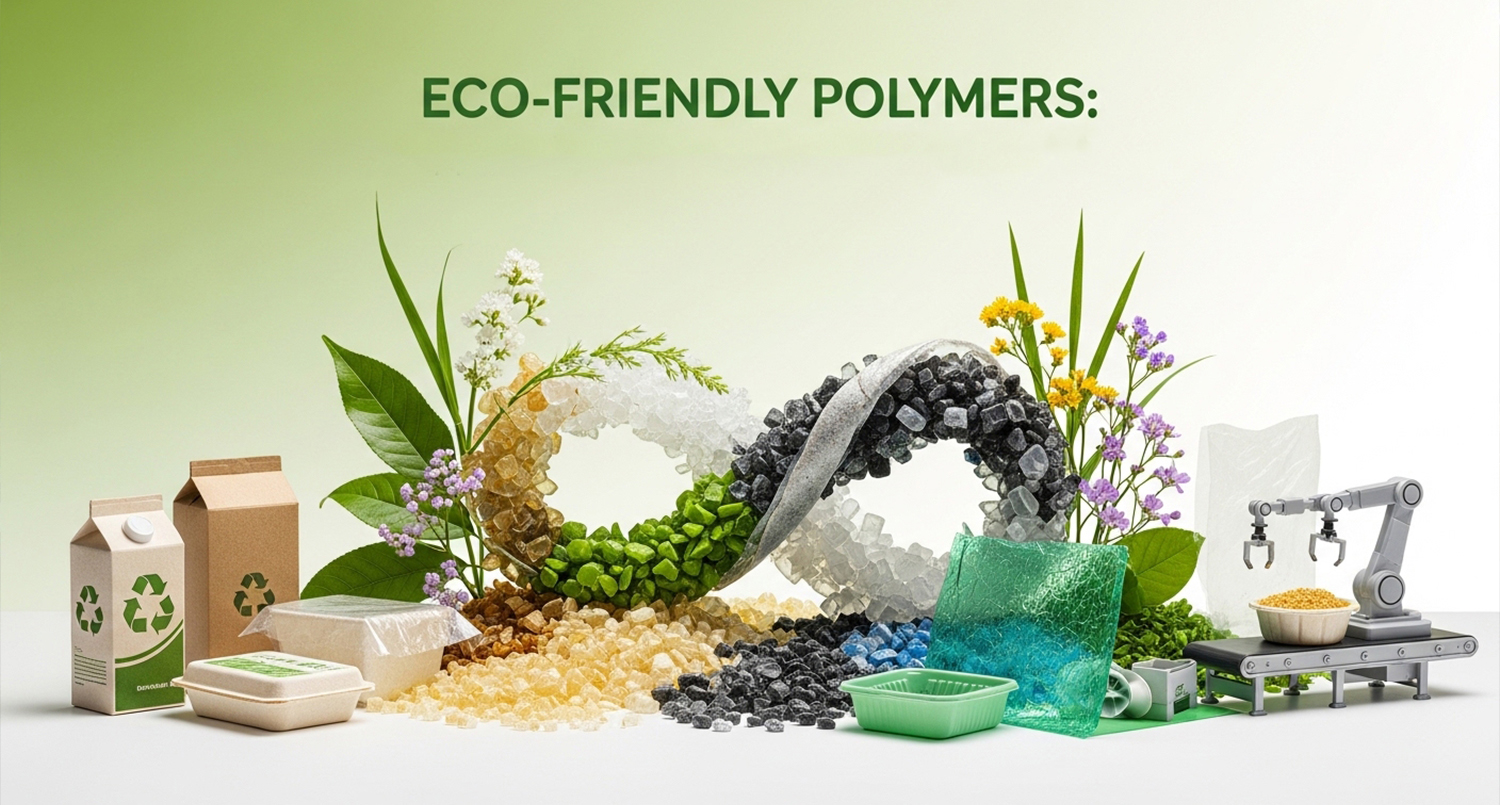
Eco-friendly polymers are advanced materials designed to offer similar performance to conventional plastics while minimizing negative environmental impact. Unlike traditional plastics derived from fossil fuels, these polymers are developed using greener processes and renewable resources. They are engineered to support sustainability goals, reduce carbon emissions, and promote responsible consumption patterns. As environmental awareness continues to grow, companies are recognizing the importance of integrating such materials into their operations.

One of the key advantages of eco-friendly polymers is their versatility. They can be used across a wide range of industries, including packaging, agriculture, healthcare, automotive, and consumer goods. In the packaging sector, these polymers are particularly valuable as they provide durability, flexibility, and protection for products without relying on harmful materials. Businesses can create high-quality packaging solutions that meet both functional and environmental requirements, making them a smart choice for forward-thinking brands.

Another major benefit is the reduction of waste and pollution. Traditional plastic waste takes hundreds of years to decompose, leading to severe environmental consequences such as ocean pollution and landfill overflow. Eco-friendly polymers, on the other hand, are designed with sustainability in mind. They help reduce dependency on single-use plastics and encourage the use of recyclable and reusable materials. This not only benefits the environment but also enhances a company’s reputation among environmentally conscious consumers.

In addition to environmental benefits, eco-friendly polymers also support cost efficiency in the long run. While the initial investment may seem higher compared to conventional plastics, businesses often experience savings through reduced waste management costs, improved energy efficiency, and compliance with environmental regulations. Governments and regulatory bodies are increasingly promoting sustainable practices, making it essential for companies to adapt and stay ahead of evolving policies.

Innovation plays a crucial role in the development of eco-friendly polymers. Continuous research and technological advancements are enabling manufacturers to create materials that meet high-performance standards while remaining environmentally responsible. Companies like Deltora Biopolymers Private Limited are at the forefront of this transformation, offering cutting-edge solutions that align with global sustainability goals. Their commitment to innovation and quality ensures that businesses have access to reliable and eco-conscious materials for various applications.

The shift toward sustainable packaging is also being driven by consumer demand. Modern consumers are more informed and environmentally aware than ever before. They prefer brands that prioritize sustainability and demonstrate a genuine commitment to reducing environmental impact. By using eco-friendly polymers, companies can strengthen their brand image and build trust with their target audience. This not only leads to increased customer loyalty but also opens new market opportunities.

Furthermore, eco-friendly polymers contribute to the concept of a circular economy. This approach focuses on reducing waste, reusing materials, and recycling resources to create a closed-loop system. By integrating eco-friendly polymers into production processes, businesses can move closer to achieving this goal. It allows for more efficient resource utilization and minimizes the environmental impact of industrial activities.

Another important aspect is the role of eco-friendly polymers in reducing carbon footprints. Traditional plastic production involves significant greenhouse gas emissions, contributing to climate change. In contrast, greener polymer alternatives are designed to lower emissions throughout their lifecycle. From raw material sourcing to manufacturing and disposal, these materials support a more sustainable and environmentally responsible approach.

Deltora Biopolymers Private Limited is playing a significant role in promoting sustainable solutions within the industry. By focusing on eco-friendly innovations, the company is helping businesses transition away from harmful materials and adopt greener alternatives. Their expertise and dedication make them a trusted partner for organizations looking to embrace sustainable packaging and production practices.

In conclusion, eco-friendly polymers represent a smarter and more sustainable approach to modern packaging and production. They offer numerous benefits, including reduced environmental impact, improved efficiency, and enhanced brand value. As industries continue to evolve, the adoption of these materials will play a crucial role in shaping a greener future. Companies that invest in eco-friendly solutions today are not only contributing to environmental protection but also positioning themselves for long-term success in a competitive market.

Plastic-Free Future Innovative Green Solutions Transforming Modern Manufacturing

The global manufacturing sector is undergoing a powerful transformation as industries move toward a plastic-free future. With increasing environmental concerns and stricter regulations, traditional plastic materials are no longer seen as sustainable for long-term use. Manufacturers are now embracing innovative green solutions that reduce dependency on plastics while maintaining efficiency, quality, and performance. This shift is not just a trend but a necessary evolution toward more responsible and eco-conscious production practices.

For decades, plastics have played a vital role in manufacturing due to their affordability, durability, and versatility. However, their negative environmental impact—ranging from pollution to excessive waste—has forced industries to rethink their material choices. The accumulation of plastic waste in landfills and oceans has highlighted the urgent need for alternatives that support environmental sustainability without compromising industrial output.

Innovative green solutions are emerging as a viable replacement for traditional plastics. These solutions are designed to align with sustainable practices by reducing waste, lowering emissions, and promoting resource efficiency. Manufacturers are now exploring advanced materials that are eco-friendly, high-performing, and adaptable to various applications. These alternatives are enabling industries to meet production demands while contributing to environmental conservation.

One of the key drivers of this transformation is the growing demand for sustainable manufacturing. Consumers, investors, and regulatory bodies are increasingly prioritizing environmental responsibility. Businesses that fail to adapt risk losing market relevance and facing compliance challenges. By adopting green solutions, manufacturers can align with global sustainability goals and strengthen their position in the competitive market.

The role of innovation in achieving a plastic-free future cannot be overstated. Continuous research and technological advancements are leading to the development of materials that replicate the properties of traditional plastics while offering environmental benefits. These materials provide durability, flexibility, and strength, making them suitable for diverse industrial applications. From packaging and automotive components to electronics and consumer goods, green materials are transforming every aspect of manufacturing.

Another significant advantage of these solutions is their ability to reduce waste generation. Traditional plastic production often results in excess material that is difficult to manage and dispose of. Green alternatives, on the other hand, are designed to support efficient material usage and minimize waste. This not only helps protect the environment but also improves operational efficiency for manufacturers.

Cost efficiency is also a crucial factor driving the adoption of innovative green solutions. While the initial transition may require investment, the long-term benefits are substantial. Reduced waste management costs, improved energy efficiency, and compliance with environmental regulations contribute to overall savings. Additionally, businesses that adopt sustainable practices often gain a competitive edge by attracting environmentally conscious customers and partners.

The concept of a circular economy is closely linked to the idea of a plastic-free future. Instead of following the traditional “use and dispose” model, a circular approach focuses on reusing, recycling, and optimizing resources. Green solutions play a vital role in enabling this transition by providing materials that can be reintegrated into the production cycle. This reduces resource consumption and supports long-term sustainability.

Companies like Deltora Biopolymers Private Limited are leading the way in transforming modern manufacturing through innovative green solutions. By offering advanced materials and sustainable alternatives, they help industries reduce their reliance on traditional plastics. Their commitment to quality and environmental responsibility ensures that businesses can adopt eco-friendly practices without compromising on performance. Deltora Biopolymers Private Limited continues to play a significant role in driving the shift toward a plastic-free future.

Consumer awareness is another important factor influencing this transformation. Today’s consumers are more informed about the environmental impact of their choices and prefer products that align with sustainable values. Manufacturers that adopt green solutions can build stronger connections with their audience, enhance brand reputation, and increase customer loyalty. This growing demand for sustainable products is accelerating the shift away from plastics.

In addition to environmental and economic benefits, green solutions also contribute to reducing carbon emissions. Traditional plastic production involves significant energy consumption and greenhouse gas emissions. By adopting eco-friendly materials and processes, manufacturers can lower their carbon footprint and support global efforts to combat climate change. This not only benefits the planet but also helps businesses meet international sustainability standards.

Deltora Biopolymers Private Limited stands out as a trusted partner for industries looking to embrace sustainable manufacturing. Their innovative approach and focus on eco-conscious materials enable businesses to transition smoothly toward greener practices. By providing reliable and high-quality solutions, they are helping shape a future where manufacturing is both efficient and environmentally responsible.

In conclusion, the journey toward a plastic-free future is reshaping the manufacturing landscape. Innovative green solutions are empowering industries to reduce environmental impact, improve efficiency, and meet evolving market demands. As sustainability becomes a core priority, businesses that invest in eco-friendly alternatives will lead the way in building a cleaner, greener, and more sustainable world.

Green Materials Revolution How Eco-Friendly Alternatives Are Replacing Traditional Plastics

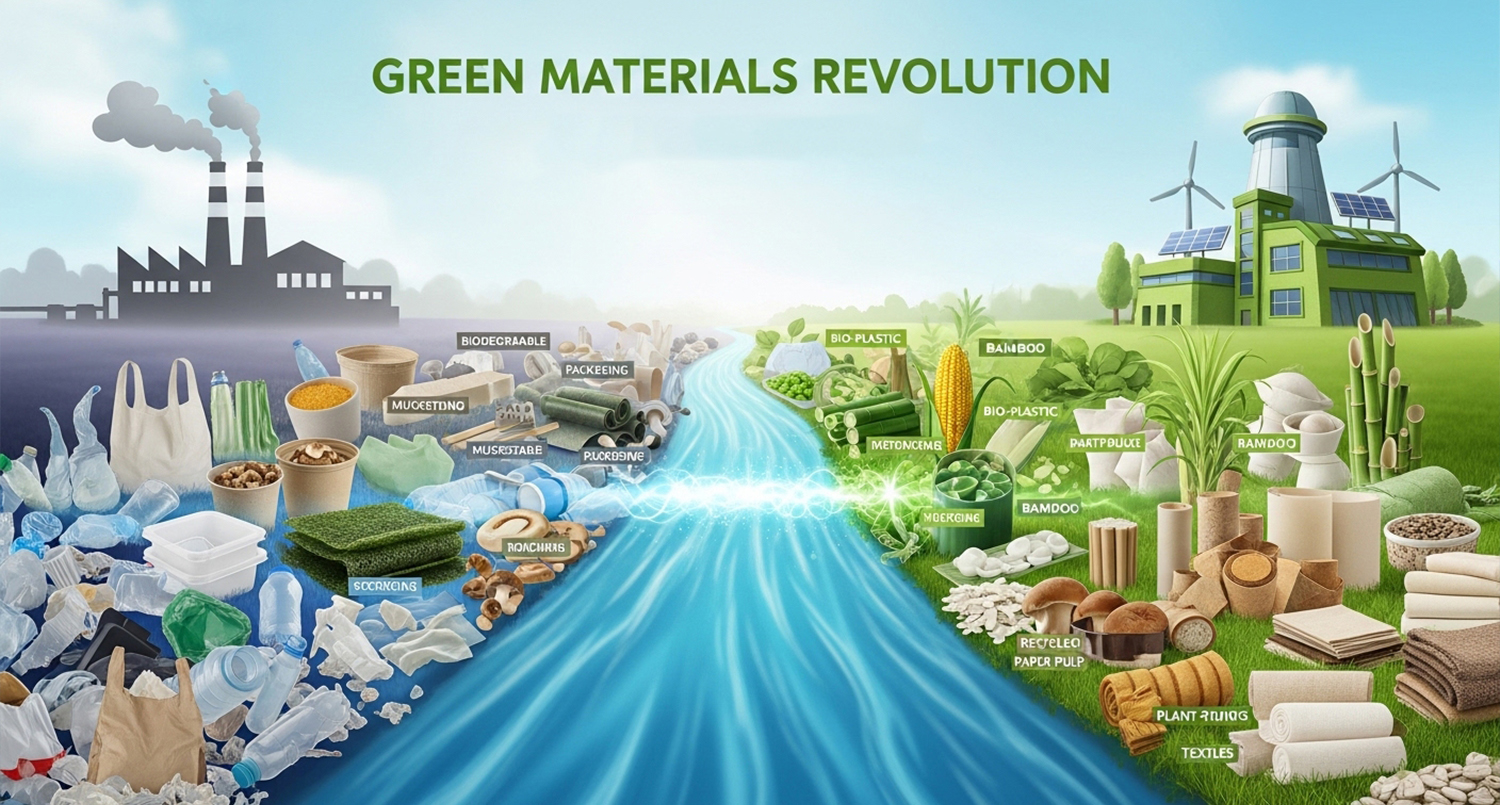
The global conversation around sustainability has intensified in recent years, pushing industries to rethink their dependence on conventional plastics. Once considered indispensable, traditional plastics are now widely recognized for their long-term environmental impact, including pollution, resource depletion, and harm to ecosystems. This growing awareness has sparked a green materials revolution, where eco-friendly alternatives are steadily replacing traditional plastics across various sectors. Businesses that embrace this transformation are not only contributing to environmental protection but also positioning themselves for long-term success.

Traditional plastics have been a cornerstone of industrial development due to their durability, flexibility, and low cost. However, their non-sustainable nature has led to serious environmental challenges. From overflowing landfills to marine pollution, the consequences of excessive plastic use are evident worldwide. As a result, governments, organizations, and consumers are demanding more responsible solutions. This has accelerated the adoption of green materials that offer similar functionality while reducing environmental harm.

Eco-friendly materials are designed to minimize the negative impact associated with conventional plastics. These alternatives are developed using sustainable processes and often incorporate renewable or recycled resources. They are engineered to deliver performance, durability, and adaptability, making them suitable for a wide range of applications. From packaging and manufacturing to healthcare and agriculture, green materials are transforming how industries operate.

One of the most significant areas of change is the packaging industry. Packaging plays a critical role in protecting products, but it has also been a major contributor to plastic waste. Eco-friendly alternatives are helping businesses create packaging solutions that are both effective and environmentally responsible. These materials provide strength and flexibility while reducing reliance on traditional plastics. Companies can now offer sustainable packaging options without compromising product safety or quality.

Another important advantage of green materials is their ability to support waste reduction initiatives. Traditional plastics often end up in landfills or natural environments, where they persist for decades. In contrast, eco-friendly alternatives are designed to align with sustainable waste management practices. They encourage recycling, reuse, and efficient disposal, helping industries reduce their environmental footprint. This shift is essential for creating cleaner and healthier ecosystems.

Cost considerations are also influencing the transition toward eco-friendly materials. While the initial cost of adopting green alternatives may be higher, the long-term benefits are substantial. Businesses can reduce expenses related to waste management, regulatory compliance, and energy consumption. Additionally, sustainable practices often attract environmentally conscious customers, leading to increased brand loyalty and market growth. Investing in green materials is not just an environmental decision—it is a strategic business move.

Innovation is a driving force behind the green materials revolution. Advances in technology and research are enabling the development of materials that meet high-performance standards while remaining environmentally responsible. Companies like Deltora Biopolymers Private Limited are playing a key role in this transformation by providing innovative solutions that help industries transition away from traditional plastics. Their expertise and commitment to sustainability ensure that businesses have access to reliable and efficient eco-friendly materials.

Consumer behavior is also shaping the future of materials. Modern consumers are more aware of environmental issues and prefer products that reflect their values. Brands that adopt eco-friendly alternatives can strengthen their reputation and build trust with their audience. This shift in consumer preference is encouraging companies to rethink their material choices and invest in sustainable solutions.

Furthermore, green materials contribute to the development of a circular economy. This approach focuses on reducing waste, reusing resources, and maintaining materials within the production cycle for as long as possible. By replacing traditional plastics with eco-friendly alternatives, businesses can support this model and create more sustainable production systems. This not only benefits the environment but also enhances operational efficiency.

Reducing carbon emissions is another critical benefit of eco-friendly materials. Traditional plastic production involves significant energy consumption and greenhouse gas emissions. In contrast, green alternatives are designed to lower emissions throughout their lifecycle. By adopting these materials, companies can contribute to climate change mitigation and align with global sustainability goals.

Deltora Biopolymers Private Limited is at the forefront of the green materials revolution, helping businesses adopt sustainable practices through advanced material solutions. Their focus on innovation and environmental responsibility makes them a trusted partner for companies seeking to replace traditional plastics with eco-friendly alternatives. By offering high-quality materials, they enable industries to achieve both performance and sustainability.

In conclusion, the shift from traditional plastics to eco-friendly alternatives marks a significant step toward a more sustainable future. The green materials revolution is transforming industries by reducing environmental impact, improving efficiency, and meeting evolving consumer expectations. Businesses that embrace this change are not only protecting the planet but also gaining a competitive advantage in a rapidly changing market. As innovation continues to drive progress, eco-friendly materials will play a crucial role in shaping a cleaner, greener, and more responsible world.