In today’s rapidly evolving industrial landscape, sustainability is no longer just an option—it has become a necessity. Businesses across the globe are actively seeking alternatives to traditional plastic materials that harm the environment and contribute to long-term ecological damage. This shift has led to the growing popularity of eco-friendly polymers, which are transforming the way packaging and production processes operate. By adopting these innovative materials, industries can reduce their environmental footprint while maintaining efficiency and product quality.
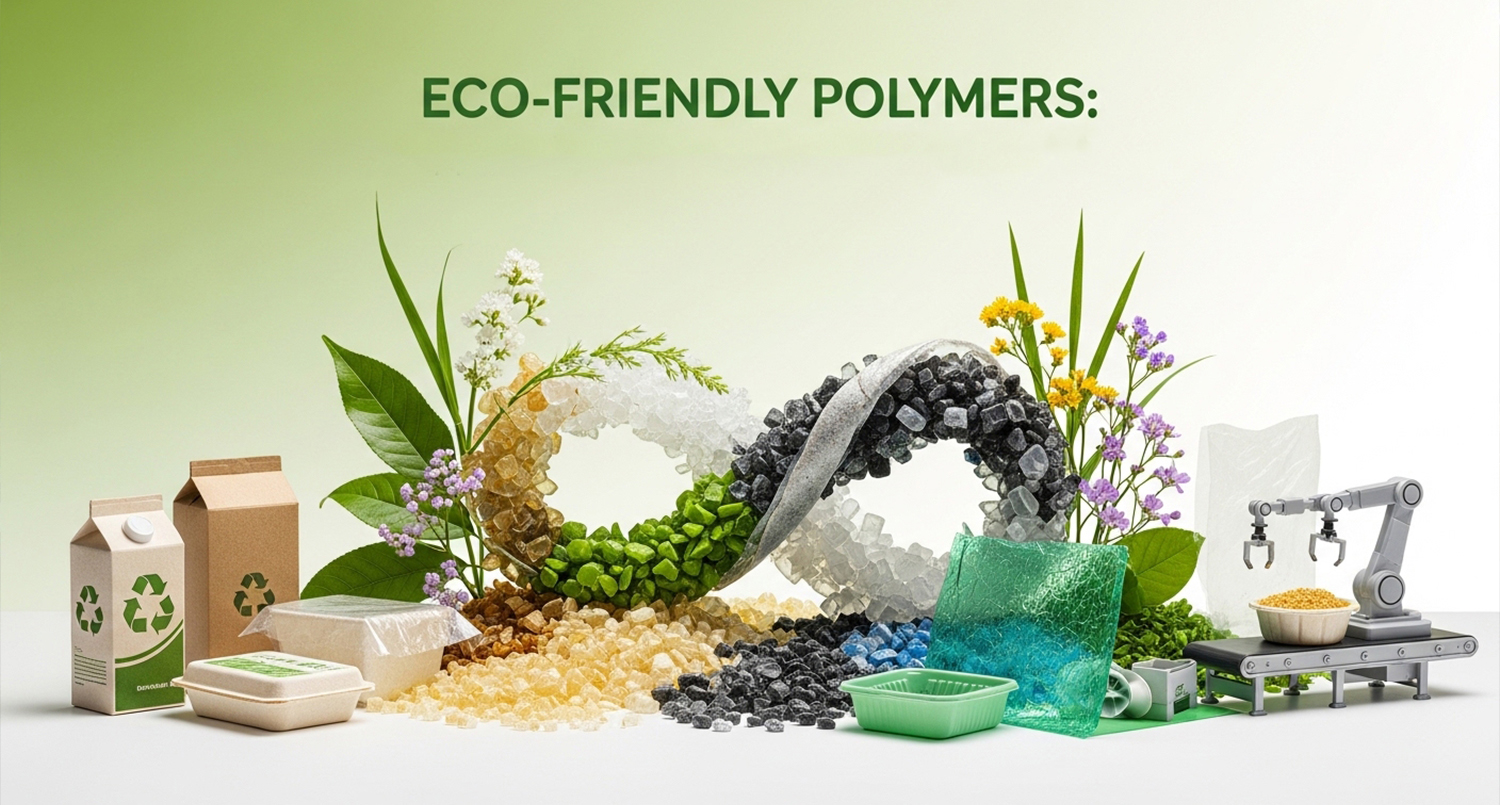
Eco-friendly polymers are advanced materials designed to offer similar performance to conventional plastics while minimizing negative environmental impact. Unlike traditional plastics derived from fossil fuels, these polymers are developed using greener processes and renewable resources. They are engineered to support sustainability goals, reduce carbon emissions, and promote responsible consumption patterns. As environmental awareness continues to grow, companies are recognizing the importance of integrating such materials into their operations.
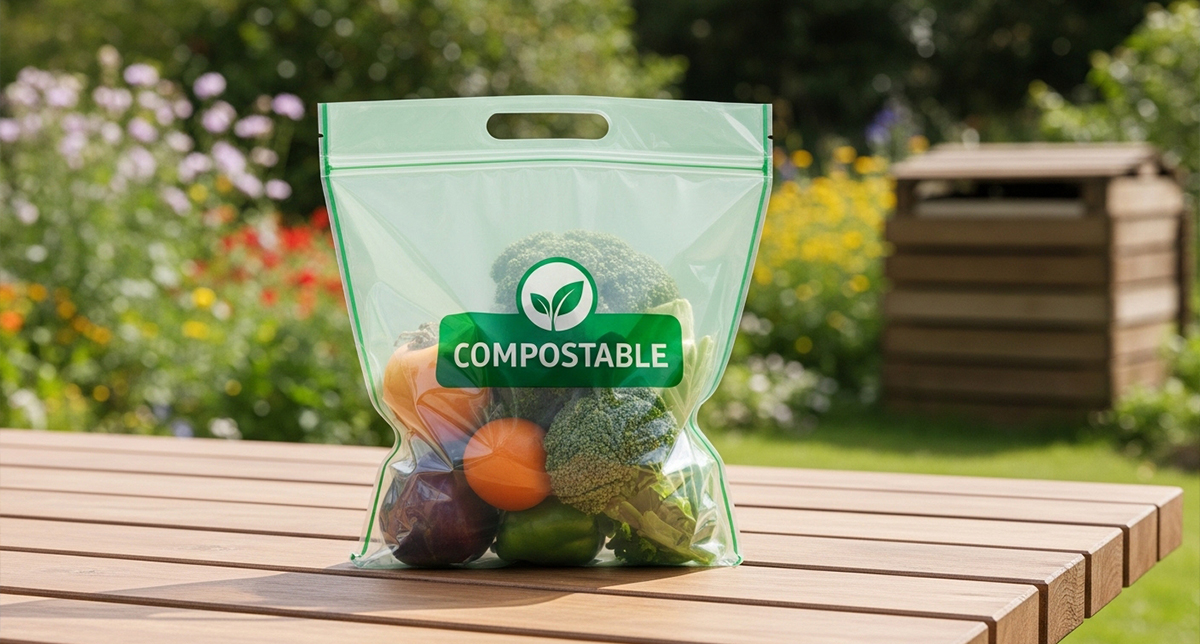
One of the key advantages of eco-friendly polymers is their versatility. They can be used across a wide range of industries, including packaging, agriculture, healthcare, automotive, and consumer goods. In the packaging sector, these polymers are particularly valuable as they provide durability, flexibility, and protection for products without relying on harmful materials. Businesses can create high-quality packaging solutions that meet both functional and environmental requirements, making them a smart choice for forward-thinking brands.
Another major benefit is the reduction of waste and pollution. Traditional plastic waste takes hundreds of years to decompose, leading to severe environmental consequences such as ocean pollution and landfill overflow. Eco-friendly polymers, on the other hand, are designed with sustainability in mind. They help reduce dependency on single-use plastics and encourage the use of recyclable and reusable materials. This not only benefits the environment but also enhances a company’s reputation among environmentally conscious consumers.
In addition to environmental benefits, eco-friendly polymers also support cost efficiency in the long run. While the initial investment may seem higher compared to conventional plastics, businesses often experience savings through reduced waste management costs, improved energy efficiency, and compliance with environmental regulations. Governments and regulatory bodies are increasingly promoting sustainable practices, making it essential for companies to adapt and stay ahead of evolving policies.
Innovation plays a crucial role in the development of eco-friendly polymers. Continuous research and technological advancements are enabling manufacturers to create materials that meet high-performance standards while remaining environmentally responsible. Companies like Deltora Biopolymers Private Limited are at the forefront of this transformation, offering cutting-edge solutions that align with global sustainability goals. Their commitment to innovation and quality ensures that businesses have access to reliable and eco-conscious materials for various applications.
The shift toward sustainable packaging is also being driven by consumer demand. Modern consumers are more informed and environmentally aware than ever before. They prefer brands that prioritize sustainability and demonstrate a genuine commitment to reducing environmental impact. By using eco-friendly polymers, companies can strengthen their brand image and build trust with their target audience. This not only leads to increased customer loyalty but also opens new market opportunities.
Furthermore, eco-friendly polymers contribute to the concept of a circular economy. This approach focuses on reducing waste, reusing materials, and recycling resources to create a closed-loop system. By integrating eco-friendly polymers into production processes, businesses can move closer to achieving this goal. It allows for more efficient resource utilization and minimizes the environmental impact of industrial activities.
Another important aspect is the role of eco-friendly polymers in reducing carbon footprints. Traditional plastic production involves significant greenhouse gas emissions, contributing to climate change. In contrast, greener polymer alternatives are designed to lower emissions throughout their lifecycle. From raw material sourcing to manufacturing and disposal, these materials support a more sustainable and environmentally responsible approach.
Deltora Biopolymers Private Limited is playing a significant role in promoting sustainable solutions within the industry. By focusing on eco-friendly innovations, the company is helping businesses transition away from harmful materials and adopt greener alternatives. Their expertise and dedication make them a trusted partner for organizations looking to embrace sustainable packaging and production practices.
In conclusion, eco-friendly polymers represent a smarter and more sustainable approach to modern packaging and production. They offer numerous benefits, including reduced environmental impact, improved efficiency, and enhanced brand value. As industries continue to evolve, the adoption of these materials will play a crucial role in shaping a greener future. Companies that invest in eco-friendly solutions today are not only contributing to environmental protection but also positioning themselves for long-term success in a competitive market.