
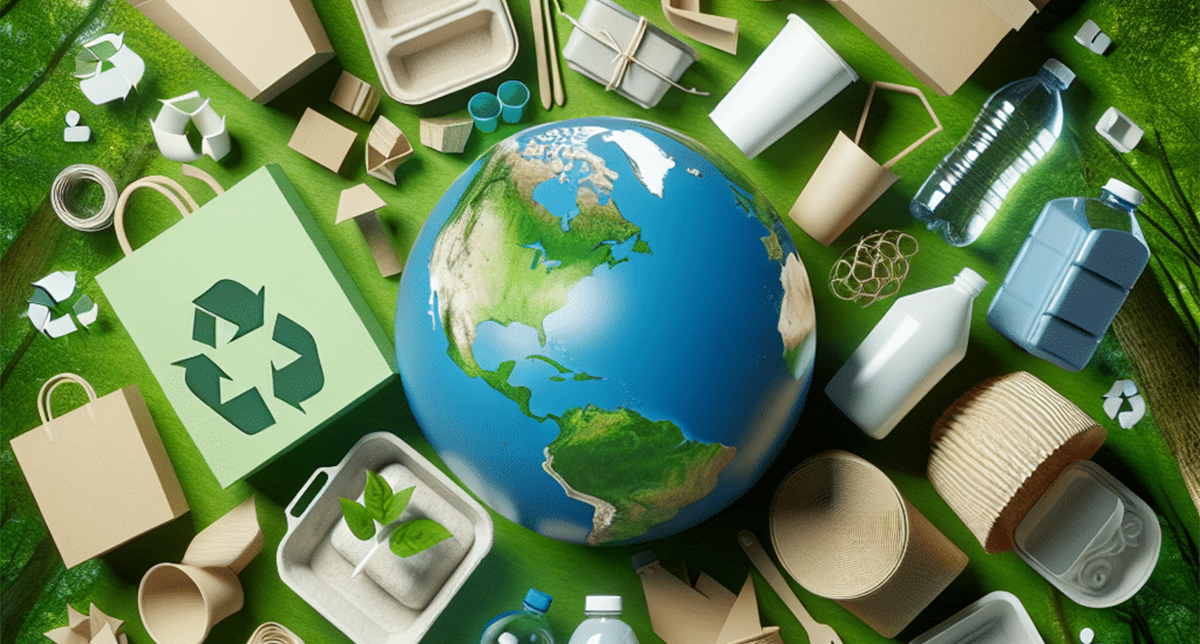
How Indian Innovators Are Transforming Sustainability with Bioplastics

India, a country known for its innovation, resourcefulness, and adaptability, is emerging as a major player in the global shift toward sustainable alternatives. As environmental concerns over plastic pollution mount, Indian innovators and companies are increasingly turning to bioplastics to create eco-friendly solutions. These bio-based alternatives are reshaping the packaging, manufacturing, and consumer goods industries while reducing the nation’s environmental footprint.

Among the pioneers leading this green revolution is Deltora Biopolymers Private Limited, a company committed to building a plastic-free future with sustainable, compostable materials.

The Rising Demand for Bioplastics

The worldwide demand for bioplastics is being driven by two primary forces—environmental necessity and consumer awareness. Traditional plastic production, which relies heavily on fossil fuels, contributes significantly to greenhouse gas emissions and waste that persists in the environment for centuries. In contrast, bioplastics are derived from renewable resources such as corn starch, sugarcane, or cassava, and many are compostable or biodegradable.

In India, this transition has gained momentum due to government regulations aimed at banning single-use plastics, increasing waste management challenges, and a growing population that is more conscious of environmental impacts. As a result, industries are now seeking biodegradable and compostable alternatives to meet both legal requirements and consumer expectations.

What Are Bioplastics?

Bioplastics are a diverse family of materials that include both bio-based and biodegradable plastics. Some bioplastics, like PLA (Polylactic Acid), are derived entirely from renewable biomass, while others are only partially bio-based but designed to degrade more safely than petroleum-based plastics.

The major types of bioplastics used in India include:

  • PLA (Polylactic Acid) – Made from fermented plant starch.
  • PHA (Polyhydroxyalkanoates) – Produced by microbial fermentation.
  • Starch-based Plastics – Blends of corn or potato starch with biodegradable polyesters.

These materials are used in applications such as food packaging, shopping bags, disposable cutlery, agricultural films, and even medical devices.

India’s Role in the Global Bioplastic Movement

India’s contribution to the bioplastics movement is significant due to its abundance of agricultural resources, skilled workforce, and innovation-driven startups. Several Indian firms have recognized the need for sustainable change and are actively developing bioplastics that cater to local and international markets.

One such innovator is Deltora Biopolymers Private Limited, which has been at the forefront of creating compostable and biodegradable alternatives to single-use plastic. The company’s vision aligns with both environmental goals and industrial scalability, offering bioplastic solutions that are affordable, reliable, and compliant with global sustainability standards.

How Indian Innovators Are Making a Difference

1. Affordable Innovation for the Masses

Indian innovators understand the importance of affordability, especially in a country with a price-sensitive market. By leveraging indigenous raw materials and optimizing manufacturing processes, they are able to produce bioplastics at competitive prices. This makes sustainable choices accessible to a broader audience and encourages adoption on a larger scale.

2. Focus on Industrial Scalability

Developing a product is only half the challenge; scaling it to meet industrial demands is where innovation truly shines. Indian companies are working with advanced research labs, universities, and global partners to ensure that their bioplastic solutions can be mass-produced without compromising on quality or performance.

3. Customized Solutions for Local Needs

Bioplastic innovators in India are creating solutions tailored to the country’s unique climate, waste management infrastructure, and consumer behavior. For instance, materials are engineered to break down in both industrial composting facilities and home compost bins. Packaging solutions are also designed to be compatible with existing logistics and distribution systems.

4. Collaboration with Agriculture and Waste Sectors

A large portion of bioplastic materials in India are derived from agricultural by-products. Innovators are collaborating with farmers and rural industries to source materials like corn starch, sugarcane waste, and tapioca. This not only supports local economies but also creates a circular supply chain that adds value at every stage.

Challenges Ahead

Despite the progress, the bioplastics industry in India faces a few hurdles. These include:

  • Limited public awareness about the proper disposal of bioplastics.
  • Lack of large-scale composting infrastructure.
  • Regulatory ambiguity around certifications and labeling of biodegradable products.

However, with ongoing government support, rising environmental activism, and a robust startup ecosystem, these challenges are being addressed steadily.

The Future Looks Green

As the global demand for sustainable alternatives increases, India is poised to become a key supplier and innovator in the bioplastics domain. Startups and established firms alike are committed to reducing plastic pollution and offering scalable, eco-friendly alternatives.

With companies like Deltora Biopolymers Private Limited leading the charge, the vision of a sustainable India—free from the clutches of plastic pollution—is gradually becoming a reality. Their commitment to producing compostable bags, packaging, and raw materials is setting new standards in green manufacturing and inspiring a new generation of environmental entrepreneurs.

Final Thoughts

The transformation of sustainability through bioplastics in India is not just an industrial shift—it’s a cultural one. It reflects a growing consciousness among businesses and consumers to take responsibility for the planet’s future. Indian innovators are not just following global trends; they are setting them—by creating local solutions that can have a worldwide impact.

As the industry matures, bioplastics will play an increasingly vital role in redefining how India consumes, disposes, and lives in harmony with nature.
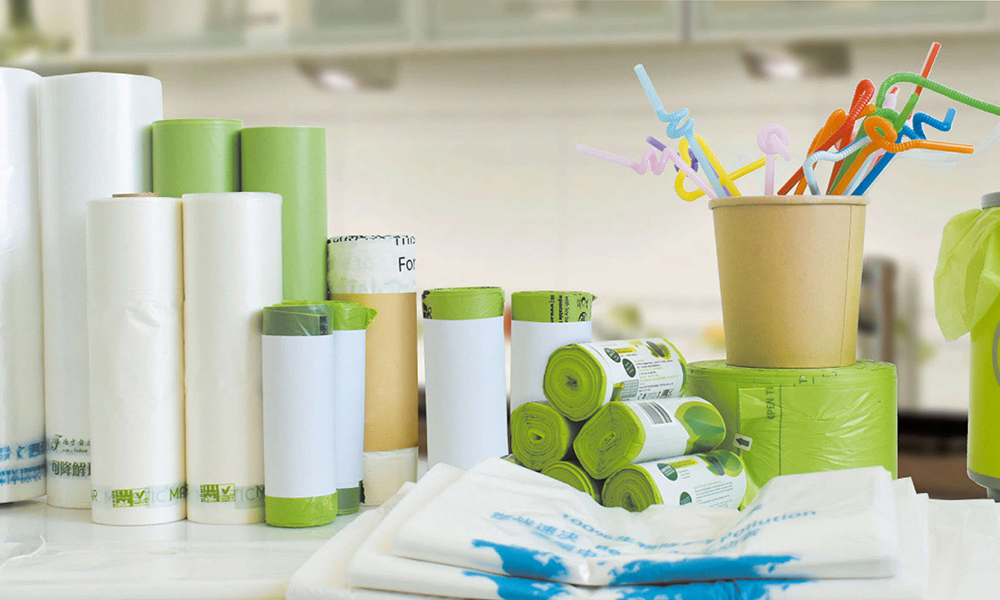
Eco-Focused Innovation: How India is Powering Sustainable Material Trends

India is undergoing a powerful transformation in its approach to sustainability. With climate change, environmental degradation, and plastic pollution becoming global concerns, Indian companies and innovators are stepping up to pioneer eco-focused solutions. From biodegradable packaging to renewable material alternatives, India is now at the forefront of the sustainable materials movement, setting examples for both developing and developed nations.

This shift is being led by cutting-edge enterprises like Deltora Biopolymers Private Limited, which is revolutionizing how materials are produced, used, and disposed of—without harming the environment.

The Urgent Need for Sustainable Materials

The need for sustainable material solutions has never been more critical. Global dependence on non-renewable resources like petroleum-based plastics, metals, and synthetic textiles is pushing the planet toward irreversible damage. Every year, millions of tons of plastic waste pollute oceans and landscapes, taking centuries to decompose and leaching harmful toxins into ecosystems.

As environmental awareness rises and consumer demand shifts toward greener alternatives, the material sciences industry is being compelled to innovate. In this context, India is becoming a hotspot for the development of sustainable material trends that are affordable, scalable, and eco-friendly.

India’s Growing Green Innovation Ecosystem

India’s innovation ecosystem is thriving, particularly in the sustainability sector. A combination of government regulations, academic research, and private-sector investment is driving breakthroughs in material science. The Indian government’s push to ban single-use plastics, encourage waste segregation, and promote sustainable business practices has opened new opportunities for green entrepreneurs.

Startups and companies across India are developing compostable polymers, bio-based packaging, recyclable alternatives to Styrofoam, and even plant-based leather. These innovations aren’t just theoretical—they’re being deployed in everyday applications, from food delivery to retail packaging and agriculture.

Spotlight on Biopolymers and Compostable Packaging

One of the most promising areas of eco-focused innovation is biopolymer technology. Biopolymers are natural, renewable polymers derived from biological sources like corn starch, sugarcane, tapioca, and even algae. They serve as environmentally friendly alternatives to conventional plastic and are often compostable or biodegradable.

Deltora Biopolymers Private Limited is among the leading Indian firms focused on the development and supply of such materials. Their range of compostable raw materials and packaging solutions is designed to meet the rising demand for eco-packaging across multiple industries. Their commitment to innovation, compliance with global standards, and large-scale manufacturing capacity make them a cornerstone in India’s sustainability movement.

Key Sustainable Material Trends Driven by Indian Innovation

1. Compostable and Biodegradable Packaging

India has become a key player in compostable packaging, with companies producing bags, films, containers, and wrappers made from plant-based bioplastics. These materials decompose naturally in industrial or home composting systems, leaving no toxic residue behind.

2. Agro-Waste Upcycling

Innovators are now turning agricultural waste such as rice husks, sugarcane bagasse, and wheat straw into valuable materials. These by-products are being used to create biodegradable tableware, insulation materials, and eco-friendly construction products.

3. Plant-Based Textiles and Leather Alternatives

Sustainable fashion is also gaining traction, with Indian startups developing leather alternatives from coconut waste, banana fibers, and even mushrooms. These plant-based materials provide cruelty-free and biodegradable options for shoes, bags, and garments.

4. Natural Fiber Composites

Natural fibers such as jute, coir, and hemp are being integrated with biodegradable polymers to create sustainable composite materials. These are being used in the automotive, packaging, and construction industries, replacing synthetic and non-renewable counterparts.

5. Water-Soluble and Edible Films

Food-grade, water-soluble films made from natural polymers are emerging as alternatives to plastic wraps. These edible films are particularly useful for packaging single-use products such as spices, sauces, and single-serve foods.

The Role of Indian Startups and Manufacturers

What sets India apart in the global sustainability race is its ability to combine affordability with innovation. Indian manufacturers are capable of producing eco-materials at lower costs, making green solutions more accessible to a wider population.

Many of these efforts are driven by deep collaboration among academia, research institutions, and industry. Educational institutions are helping to fuel innovation through dedicated programs in sustainable material engineering, while public and private funds are being invested in green startups.

Overcoming the Challenges

Despite the progress, the path to sustainable material adoption in India is not without challenges:

  • Lack of large-scale composting facilities
  • Low consumer awareness about disposal methods
  • Initial production costs of bioplastics
  • Limited policy clarity on certification and labeling

Nevertheless, the industry is optimistic. Continued innovation, combined with supportive policies and increased consumer education, will help overcome these barriers in the coming years.

The Road Ahead: A Greener India

The future of sustainable material production in India looks promising. With rising environmental consciousness and regulatory support, Indian innovators are not only keeping pace with global sustainability standards but are setting new benchmarks.

Companies like Deltora Biopolymers Private Limited are proof that Indian manufacturers can lead the way in green innovation. By creating scalable, compostable solutions tailored for Indian and global markets, they are helping transition the industry from plastic dependency to a more circular, regenerative model.

Conclusion

Eco-focused innovation in India is not just a trend—it’s a necessity driven by vision, science, and responsibility. From compostable bioplastics to natural fiber composites, Indian companies are proving that sustainable materials can be effective, affordable, and scalable.

As the world continues its journey toward greener alternatives, India’s contribution—both in technology and mindset—will play a pivotal role. With a commitment to sustainability and a strong base of innovators and manufacturers, India is powering a future where economic growth and environmental preservation go hand in hand.

Sustainable Biopolymer Innovations Building a Greener Future for Packaging and Beyond

In the face of growing environmental challenges, the world is undergoing a profound transformation in how products are made, consumed, and disposed of. Among the many technological strides being taken to reduce our dependence on fossil fuels and non-degradable plastics, sustainable biopolymer innovations have emerged as a powerful solution. These breakthroughs are helping shape not only the future of packaging but also broader applications across various industries, from agriculture to healthcare.

At the heart of this transformation is the commitment to reducing carbon emissions, curbing plastic pollution, and promoting circular economies. Biopolymers—polymers derived from renewable biological sources—are now being developed to meet industrial demands while aligning with global sustainability goals. They represent a fusion of science, environmental stewardship, and innovation.

What Are Sustainable Biopolymers?

Sustainable biopolymers are materials derived from renewable resources such as corn starch, sugarcane, potato starch, cellulose, and even algae. Unlike traditional petroleum-based plastics, biopolymers can decompose under composting conditions, making them environmentally friendly at both the production and disposal stages.

What makes them “sustainable” is not just their biodegradability, but also their renewable origin and reduced impact on ecosystems throughout their lifecycle. Many biopolymers also require less energy to produce, generate fewer greenhouse gases, and avoid releasing harmful microplastics into the environment.

The Growing Need for Eco-Friendly Packaging

Packaging is one of the largest contributors to global plastic waste. Billions of single-use plastic bags, wrappers, and containers end up in landfills and oceans each year, causing long-term environmental harm. In response, governments, brands, and consumers are demanding packaging solutions that are recyclable, compostable, or reusable.

This is where biopolymers stand out. With comparable strength, flexibility, and shelf-life to conventional plastic, they are becoming the preferred material for packaging that not only performs well but also leaves a smaller ecological footprint.

Key Innovations in Biopolymer Development

Recent innovations are expanding the potential of biopolymers beyond traditional use cases. Here are some notable developments:

1. High-Performance Compostable Films

Modern biopolymer films are being engineered to match the durability and clarity of plastic films while being 100% compostable. These are widely used in food packaging, agriculture, and retail sectors.

2. Biopolymer Coatings for Paper Products

New solutions are being developed to coat paper cups, plates, and containers with compostable layers, replacing traditional plastic linings that make these items non-recyclable.

3. Injection Molding Biopolymers

Biopolymer granules are now used in injection molding processes to create rigid, heat-resistant products like cutlery, trays, and containers.

4. Water-Soluble Biopolymers

Innovators are working on water-soluble biopolymers for applications like detergent pods, single-use hygiene products, and agricultural seed coatings.

5. Biopolymer Blends for Industrial Strength

Custom blends are being created for use in electronics, medical devices, and automotive interiors—showing that the applications of sustainable biopolymers extend far beyond packaging.

Benefits Driving Adoption

The widespread adoption of sustainable biopolymer innovations is being driven by numerous factors:

  • Environmental Protection: Biopolymers reduce reliance on fossil fuels and help prevent plastic pollution.
  • Regulatory Support: Many countries are enacting bans on single-use plastics, encouraging manufacturers to switch to compostable materials.
  • Consumer Awareness: Eco-conscious buyers are willing to pay more for products with sustainable packaging.
  • Corporate Responsibility: Brands are increasingly focused on their environmental footprint and are choosing green alternatives to align with ESG (Environmental, Social, and Governance) goals.

Deltora Biopolymers Private Limited – Innovating for Impact

One of the companies leading this sustainability shift is Deltora Biopolymers Private Limited, a forward-thinking enterprise committed to developing and supplying high-performance biopolymer materials. Through consistent research, innovation, and collaboration with manufacturers, Deltora is helping reshape the packaging landscape in India and beyond.

Their products include a wide range of compostable raw materials that meet global certification standards for biodegradability and compostability. By focusing on both material quality and environmental impact, Deltora Biopolymers Private Limited supports businesses that want to innovate without compromising on sustainability.

Beyond Packaging – Expanding Horizons for Biopolymers

While packaging remains the most visible application, sustainable biopolymers are making inroads into other sectors:

  • Agriculture: Compostable mulch films and seedling trays help improve soil health and eliminate farm waste.
  • Healthcare: Biopolymer-based medical devices and packaging offer sterile, disposable options that are safe for patients and the planet.
  • Textiles: Biopolymers are being used to create biodegradable fibers for eco-conscious clothing and accessories.
  • Electronics: Flexible biopolymer films are being explored in circuit boards and other components.

The versatility of biopolymers means they will play a significant role in multiple industries striving to reduce their environmental footprint.

Challenges and the Way Forward

Despite their many benefits, biopolymers are not without challenges:

  • Higher Costs: Sustainable materials often come at a higher price point than traditional plastics, especially in small-scale production.
  • Limited Composting Infrastructure: In many countries, industrial composting facilities are still underdeveloped.
  • Consumer Education: Many users still don’t understand how to properly dispose of compostable materials, which can undermine their benefits.

However, as demand rises and technology advances, costs are expected to fall and infrastructure is likely to expand. Educational campaigns and clear labeling will also play a vital role in bridging the knowledge gap.

Final Thoughts

The path to a sustainable future is paved with innovation, and sustainable biopolymer innovations are leading the way. These materials offer a practical and planet-friendly solution to the world’s plastic crisis. From reducing carbon emissions to enabling responsible product design, biopolymers are reshaping what’s possible in packaging and beyond.

With committed companies like Deltora Biopolymers Private Limited at the forefront, the future of materials science is not just promising—it’s green. By embracing biopolymers, industries can meet today’s sustainability challenges while laying the foundation for a cleaner, healthier tomorrow.