
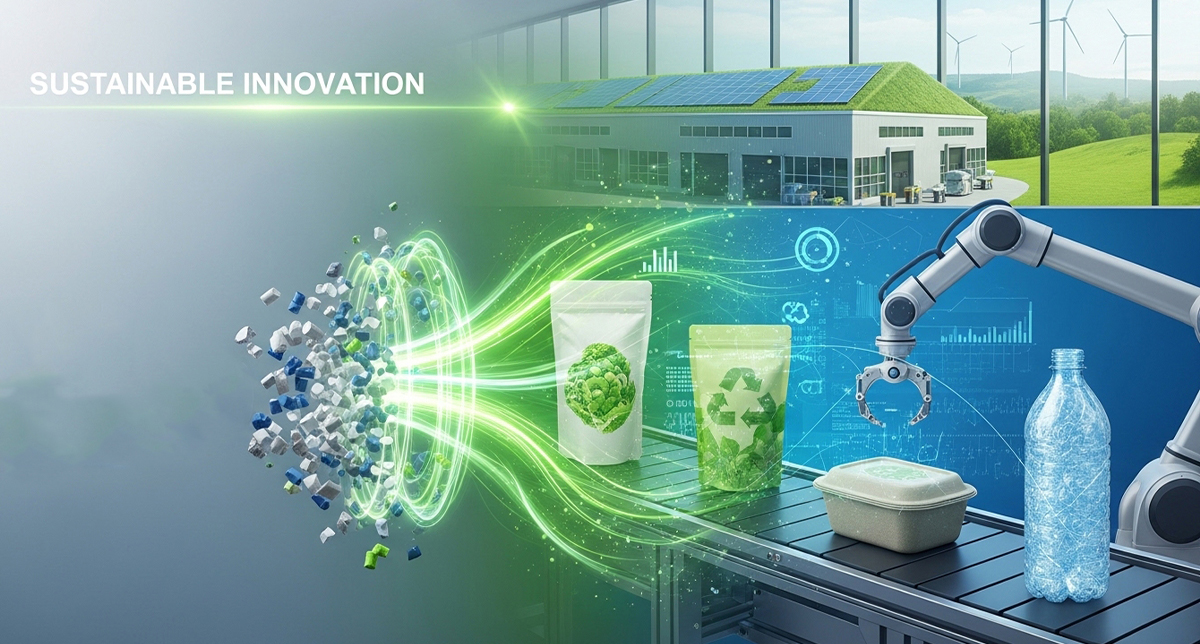
The global packaging industry is undergoing a major transformation as sustainability becomes a central focus for businesses, governments, and consumers. Traditional packaging materials, especially single-use plastics, have contributed significantly to environmental pollution, leading to increased demand for eco-friendly alternatives. Sustainable materials are now reshaping how products are packaged, transported, and consumed, creating new opportunities for innovation while reducing environmental impact.
One of the key reasons behind this transformation is the growing awareness of environmental challenges such as plastic waste, carbon emissions, and resource depletion. Consumers are becoming more conscious of their environmental footprint and are actively choosing brands that demonstrate responsible practices. As a result, companies are rethinking their packaging strategies and investing in sustainable materials that align with environmental goals while maintaining product safety and quality.
Sustainable materials include biodegradable polymers, compostable films, recyclable paper-based solutions, plant-based plastics, and reusable packaging systems. These materials are designed to minimize environmental harm by reducing waste, lowering carbon emissions, and promoting circular economy principles. Unlike conventional plastics, many sustainable materials break down naturally or can be reused and recycled efficiently, making them more environmentally responsible choices for modern packaging needs.
The food and beverage industry is one of the largest adopters of sustainable packaging solutions. With increasing regulations on plastic usage and growing consumer demand for eco-friendly products, businesses are transitioning toward biodegradable containers, compostable wraps, and recyclable packaging formats. Sustainable materials help preserve food quality while reducing environmental impact, making them a practical and responsible choice for manufacturers and retailers alike.
E-commerce is another sector experiencing rapid growth in sustainable packaging adoption. The rise of online shopping has significantly increased packaging waste due to shipping materials, protective layers, and single-use plastics. Companies are now exploring alternatives such as recyclable mailers, compostable packaging films, and minimalistic packaging designs to reduce waste. Sustainable packaging not only supports environmental responsibility but also enhances brand image, as customers increasingly appreciate companies that prioritize sustainability.
Technological advancements are playing a crucial role in accelerating the adoption of sustainable materials. Innovations in material science have led to the development of high-performance biopolymers that match or even exceed the durability and functionality of traditional plastics. These advanced materials are suitable for a wide range of applications, including flexible packaging, rigid containers, and industrial packaging solutions. Manufacturers such as Deltora Biopolymers Private Limitedare contributing to this shift by developing innovative eco-friendly materials that meet both environmental and industry standards.
Another significant impact of sustainable materials is the move toward a circular economy. Instead of a linear model where products are used and discarded, sustainable packaging promotes reuse, recycling, and composting. This approach reduces resource consumption and waste generation while creating long-term environmental benefits. Companies that adopt circular packaging solutions often achieve cost savings over time through improved resource efficiency and reduced waste management expenses.
Sustainable packaging also offers strong branding advantages. Modern consumers are more likely to support brands that demonstrate environmental responsibility. Packaging made from eco-friendly materials communicates a company’s commitment to sustainability, helping build trust and loyalty among customers. Businesses that incorporate sustainable packaging into their strategies can differentiate themselves in competitive markets while meeting evolving consumer expectations.
The healthcare and pharmaceutical industries are also exploring sustainable packaging solutions. While safety and hygiene remain top priorities, advancements in sustainable materials are enabling manufacturers to reduce plastic usage without compromising product integrity. Compostable and recyclable packaging options are being tested and implemented to create environmentally responsible solutions in this highly regulated sector.
Despite the numerous benefits, challenges such as higher production costs, limited infrastructure for composting, and lack of awareness still exist. However, ongoing research, government support, and increasing demand are gradually addressing these issues. As production scales increase, costs are expected to decline, making sustainable packaging more accessible to businesses of all sizes. Companies like Deltora Biopolymers Private Limited are helping bridge this gap by providing innovative and cost-effective solutions for modern packaging requirements.
Looking ahead, the future of packaging will be driven by sustainability, innovation, and regulatory compliance. Businesses that adopt sustainable materials early will gain a competitive advantage while contributing to environmental protection. Governments worldwide are likely to introduce stricter regulations on plastic usage, further accelerating the shift toward eco-friendly packaging solutions.
In conclusion, sustainable materials are transforming modern packaging industries by reducing environmental impact, improving resource efficiency, and meeting evolving consumer expectations. As technology advances and awareness grows, sustainable packaging will become the new standard across industries. Companies that invest in eco-friendly innovation today will not only support environmental sustainability but also position themselves for long-term growth and success in the rapidly evolving global market.