
Plastic pollution has emerged as one of the most serious environmental threats facing the planet today. Every year, enormous quantities of plastic waste accumulate in landfills, rivers, oceans, and natural habitats, creating long-lasting damage to ecosystems and biodiversity. Conventional plastics, derived primarily from fossil fuels, are highly durable and resistant to natural decomposition, which means they can remain in the environment for centuries. This growing concern has encouraged industries and researchers to seek alternative materials that are both functional and environmentally responsible. Among the most promising solutions are biopolymers, which are rapidly gaining attention for their potential to reduce plastic pollution while supporting sustainable economic growth.
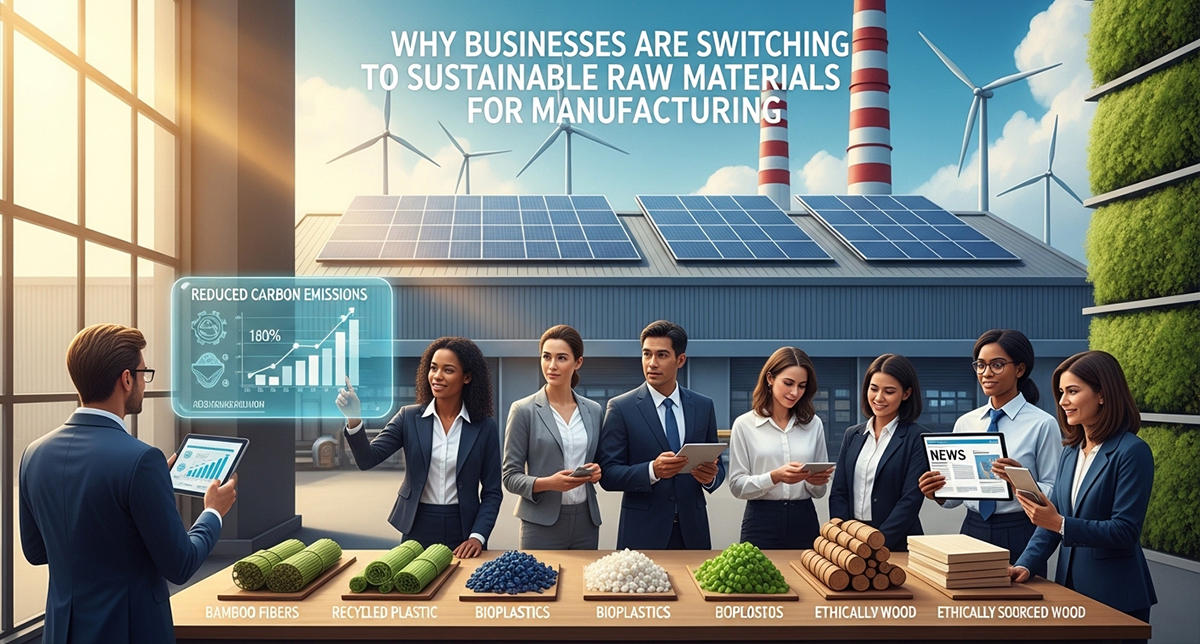
Biopolymers are produced from renewable biological resources such as corn starch, sugarcane, cellulose, and other plant-based materials. Unlike petroleum-based plastics, many biopolymers are designed to biodegrade or compost under appropriate environmental conditions. This characteristic allows them to break down into natural elements without leaving harmful residues behind. As a result, they offer a more sustainable lifecycle compared to traditional plastics, helping to minimize waste accumulation and environmental contamination. With growing awareness about sustainability, industries across the world are adopting biopolymers in applications ranging from packaging and agriculture to healthcare and consumer products.
The packaging sector represents one of the most important areas where biopolymers are making a meaningful difference. Single-use packaging materials contribute significantly to global plastic waste, especially in food delivery, retail, and e-commerce industries. By transitioning to biopolymer-based packaging solutions, companies can reduce their dependence on conventional plastics while meeting environmental regulations and consumer expectations. Compostable carry bags, biodegradable films, and plant-based containers are becoming increasingly popular as businesses aim to adopt greener practices. Organizations such as Deltora Biopolymers Private Limited are actively supporting this shift by developing advanced eco-friendly materials that serve as effective alternatives to traditional plastic products.
Biopolymers also contribute to the development of a circular economy, which focuses on reducing waste through reuse, recycling, and resource recovery. Instead of following the traditional linear model of production and disposal, biopolymer-based products can be integrated into composting systems, where they break down alongside organic waste. The resulting compost can then be used to enrich soil and support agricultural productivity, creating a sustainable loop of resource utilization. This approach not only reduces landfill pressure but also supports environmentally responsible waste management practices.
Another important benefit of biopolymers is their ability to lower greenhouse gas emissions. Since they are derived from renewable plant sources, the raw materials used in biopolymer production absorb carbon dioxide during growth. This natural carbon absorption partially offsets emissions generated during manufacturing, resulting in a lower overall carbon footprint compared to fossil-based plastics. By adopting biopolymers, industries can contribute to climate change mitigation efforts while addressing plastic pollution challenges simultaneously.
Agriculture is another sector where biopolymers are proving highly beneficial. Traditional plastic mulch films and agricultural coverings often remain in soil long after use, causing contamination and disposal difficulties. Biodegradable alternatives made from biopolymers eliminate these concerns because they naturally decompose over time. Farmers can improve crop productivity while reducing environmental impact, making sustainable agriculture more achievable. Companies like Deltora Biopolymers Private Limited are playing an important role in providing innovative solutions that support both agricultural efficiency and environmental conservation.
The healthcare sector is also exploring opportunities for biopolymer adoption. Hospitals and medical facilities generate significant plastic waste through disposable packaging, protective equipment, and single-use medical supplies. Biodegradable materials offer a practical way to reduce this environmental burden without compromising hygiene or safety standards. As research continues, more medical-grade biopolymer applications are expected to emerge, contributing to greener healthcare practices.
Despite their advantages, biopolymers still face certain challenges. Production costs can be higher than traditional plastics, and composting infrastructure is not yet widely available in all regions. Additionally, consumer awareness regarding proper disposal methods remains limited, which can reduce the effectiveness of biodegradable products. However, ongoing technological advancements, government policies supporting sustainability, and increased industry investment are gradually overcoming these barriers. As production volumes increase, costs are expected to decrease, making biopolymers more accessible for widespread use.
Innovation remains the driving force behind the growth of the biopolymer industry. Researchers are continuously developing materials with enhanced durability, flexibility, and performance characteristics to meet diverse industrial needs. These advancements are expanding the potential applications of biopolymers beyond packaging into sectors such as automotive, textiles, electronics, and construction. The future of sustainable materials is closely linked to continued research and collaboration between manufacturers, policymakers, and environmental organizations.
In conclusion, biopolymers are playing a transformative role in addressing the global plastic pollution crisis by offering renewable, biodegradable, and environmentally responsible alternatives to conventional plastics. Their ability to support circular economy practices, reduce carbon emissions, and minimize long-term waste makes them an essential component of sustainable development. As industries and consumers increasingly prioritize environmental responsibility, the adoption of biopolymers will continue to grow, paving the way for a cleaner and more sustainable future for generations to come.