Certified Compostable Materials in India Trusted Solutions for Eco-Friendly Manufacturing

As the global economy increasingly shifts toward sustainability, businesses across industries are rethinking their material choices. From packaging to consumer goods, the push for eco-friendly alternatives has never been stronger. In this transformative era, certified compostable materials in India are emerging as a game-changer, enabling manufacturers to align environmental responsibility with product innovation.

These materials are designed to break down naturally in composting environments, leaving no toxic residue behind. More importantly, certification ensures that these products meet stringent environmental and safety standards. India, with its rapidly growing focus on sustainability and circular economy models, is witnessing an impressive rise in demand for such certified alternatives.

What Are Certified Compostable Materials?

Certified compostable materials are biodegradable substances that decompose completely into natural elements like carbon dioxide, water, and biomass within a specific period under composting conditions. The key difference between “biodegradable” and “certified compostable” is that certification validates performance under standardized conditions. These certifications—such as those provided by BIS, TUV Austria, or OK Compost—ensure the material meets global environmental standards.

In the Indian context, the Central Pollution Control Board (CPCB) and the Bureau of Indian Standards (BIS) regulate these certifications. A certified compostable product in India must meet the IS/ISO 17088 standards for compostability and biodegradability.

Why Manufacturers Are Switching to Compostable Materials

  1. Regulatory Compliance
    With rising environmental concerns, India has implemented strict regulations against single-use plastic and non-recyclable materials. Manufacturers are now required to adopt alternatives that comply with environmental laws. Certified compostable materials provide a legally sound and forward-looking solution.
  2. Brand Image and Market Demand
    Modern consumers are increasingly conscious about what they purchase. Brands that align with sustainability trends attract more loyalty and visibility. Using compostable materials not only reduces environmental harm but also strengthens a company’s brand image.
  3. Better End-of-Life Management
    Unlike conventional plastics, certified compostable materials do not pollute soil or water. They offer better end-of-life value by contributing to compost systems and circular economies.
  4. Versatility and Innovation
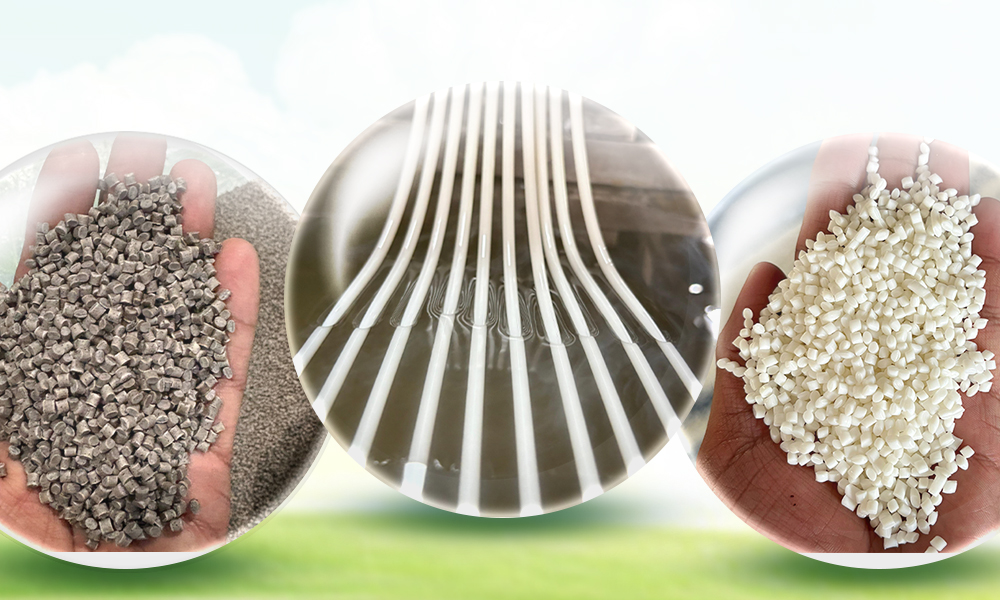
    Compostable materials are now available in various forms—films, sheets, pellets, molded products, and more—making them suitable for industries such as food packaging, retail, agriculture, and personal care.

Key Sectors Benefiting from Certified Compostable Materials

  • Food Packaging: Compostable trays, containers, and wraps offer safe and eco-friendly alternatives for takeaways and deliveries.
  • Retail & E-commerce: Compostable courier bags, shopping bags, and garment packaging are becoming popular among fashion and lifestyle brands.
  • Agriculture: Mulch films and seed trays made of compostable material reduce microplastic contamination in soil.
  • Medical Supplies: Compostable gloves, syringes, and packaging for pharmaceuticals are making inroads in hospitals and healthcare units.

Deltora Biopolymers Private Limited – A Trusted Name in Compostable Innovation

One of the companies at the forefront of this green revolution is Deltora Biopolymers Private Limited. With a mission to replace harmful plastics with nature-based alternatives, Deltora specializes in high-quality certified compostable materials that meet international benchmarks.

The company offers a wide range of compostable solutions for food packaging, industrial use, agriculture, and retail. What sets Deltora apart is their commitment to product integrity, certified quality, and environmental sustainability. Their research-backed approach ensures that manufacturers get access to materials that perform reliably without compromising on eco-compliance.

Deltora Biopolymers Private Limited has also invested in educating manufacturers about sustainable practices, making it a valued partner for companies transitioning toward eco-friendly operations.

The Importance of Certification in Compostable Materials

Using compostable material is one step, but using certified compostable material is what truly matters. Certification ensures:

  • The product breaks down within a defined timeline.
  • No harmful substances are released during decomposition.
  • It’s safe for composting environments and human health.

Manufacturers using certified materials not only avoid regulatory risks but also gain consumer trust. In many sectors, especially exports and government tenders, certification is a mandatory requirement.

Challenges and the Way Forward

While the transition to compostable materials is accelerating, it does come with certain challenges:

  • Cost: Certified compostable materials may be slightly more expensive than conventional plastics.
  • Composting Infrastructure: India still lacks large-scale composting facilities in many cities.
  • Awareness: Both consumers and businesses need more awareness about composting benefits and correct disposal methods.

However, as government policies support sustainable development and the private sector embraces green technologies, these challenges are steadily being addressed.

How to Choose the Right Compostable Material Supplier

For manufacturers planning to go green, selecting the right supplier is critical. Here’s what to consider:

  • Look for suppliers with recognized certifications.
  • Evaluate product range and customization options.
  • Ensure the supplier offers support in documentation and regulatory compliance.
  • Ask for product test reports and samples.
  • Consider long-term supply capabilities and scalability.

Companies like Deltora Biopolymers have built their reputation on these very parameters, making them a preferred choice among forward-thinking manufacturers.

Final Thoughts

As the demand for sustainable manufacturing practices grows, certified compostable materials in India are paving the way for a cleaner, greener industrial ecosystem. Businesses that adopt these solutions today not only meet compliance standards but also secure long-term value through brand trust, customer preference, and environmental contribution.

With companies like Deltora Biopolymers Private Limited leading the charge, the path toward eco-friendly manufacturing in India is clearer than ever. By choosing certified compostable alternatives, manufacturers are not just reducing plastic pollution—they’re investing in a future that’s good for the planet and great for business.

How Sustainable Compostable Raw Material Suppliers Are Powering the Future of Eco-Packaging

The global shift towards sustainability has sparked a remarkable transformation in the packaging industry. With environmental regulations tightening and consumer awareness at an all-time high, traditional plastic packaging is rapidly being replaced by greener, more responsible alternatives. At the core of this movement are sustainable compostable raw material suppliers, who are enabling a new generation of eco-packaging solutions that are not only biodegradable but also high-performing and scalable.

As packaging remains one of the largest contributors to plastic waste worldwide, the transition to compostable alternatives is no longer a choice—it’s a necessity. From food packaging to e-commerce deliveries, sustainable packaging materials are being adopted across multiple sectors. But for this transformation to be effective and truly sustainable, it must begin at the source: the raw materials.

Understanding Sustainable Compostable Raw Materials

Sustainable compostable raw materials are materials derived from renewable, natural sources like corn starch, sugarcane, cassava, or cellulose. These materials are designed to decompose under composting conditions, leaving behind no harmful residues. Unlike conventional plastic, which can take hundreds of years to degrade, compostable materials break down within weeks or months when exposed to the right microbial, moisture, and temperature conditions.

However, not all biodegradable materials are compostable, and not all compostable materials are sustainable. The best solutions lie at the intersection of these three pillars: compostability, renewability, and responsible sourcing.

This is where sustainable compostable raw material suppliers play a vital role. They ensure the base materials used in eco-packaging are environmentally safe, meet global certification standards, and are derived from sources that don’t cause ecological harm or food chain disruption.

The Role of Raw Material Suppliers in the Packaging Revolution

Packaging companies and product manufacturers heavily rely on material suppliers for consistency, compliance, and innovation. In the realm of compostable packaging, raw material suppliers must provide more than just base ingredients—they must offer assurance, traceability, and performance reliability.

Here’s how these suppliers are helping drive the future of sustainable packaging:

1. Material Innovation

Suppliers are constantly researching and developing new blends of plant-based polymers to meet industry-specific needs. Whether it’s flexible films for snack packaging or rigid trays for food storage, innovation in raw materials is helping expand the application of compostable solutions.

2. Certifications and Compliance

Top suppliers ensure their materials comply with global standards like EN 13432, ASTM D6400, and ISO 17088. These certifications assure downstream brands that the packaging will decompose safely and meet regulatory requirements in domestic and international markets.

3. Cost-Effective Scalability

Raw material suppliers are investing in scalable production techniques, making compostable solutions more accessible and price-competitive. This is crucial for industries looking to make an affordable yet impactful switch from plastic to compostable packaging.

4. Supply Chain Transparency

Eco-conscious brands today want to know where their materials come from. Suppliers who offer traceable, ethically sourced materials help build trust and strengthen brand reputation.

Deltora Biopolymers Private Limited: Leading with Responsibility

One standout name in this emerging space is Deltora Biopolymers Private Limited, a company committed to providing high-quality compostable materials sourced from renewable resources. Their mission is rooted in creating sustainable alternatives that not only perform well but also reduce the environmental footprint of packaging.

With a strong focus on research and certifications, Deltora Biopolymers offers a comprehensive range of raw materials suitable for flexible and rigid packaging formats. Their consistent quality, scalable supply, and industry-ready technical support make them a reliable partner for eco-conscious packaging manufacturers across India and beyond.

By aligning with such visionary suppliers, businesses are not just adopting green practices—they’re joining a growing movement that champions the planet without compromising on product performance.

Key Industries Benefiting from Compostable Raw Materials

The impact of sustainable compostable raw materials spans several industries:

  • Food & Beverage: Compostable films, trays, cups, and cutlery reduce landfill waste and align with hygiene and safety standards.
  • Retail & E-commerce: Compostable courier bags, clothing wraps, and labels allow online businesses to ship responsibly.
  • Healthcare: Sustainable blister packs, containers, and hygiene products minimize plastic usage in sensitive environments.
  • Agriculture: Compostable mulch films and seedling trays improve soil health and reduce farm waste.

As demand continues to grow, suppliers who can deliver on quality, innovation, and environmental integrity will define the future of eco-packaging.

The Future Outlook: Challenges and Opportunities

While the progress is encouraging, the journey towards full-scale adoption of compostable packaging faces challenges:

  • Composting Infrastructure: India still lacks widespread industrial composting units to process all compostable waste effectively.
  • Consumer Awareness: Many users still don’t know how to dispose of compostable packaging properly.
  • Initial Cost: Though dropping, compostable materials can still be more expensive than conventional plastic, especially for small businesses.

Despite these challenges, the opportunities are vast. Government policies supporting green materials, international trade incentives, and rising consumer preference for sustainable products are all setting the stage for rapid industry expansion.

Final Thoughts

The shift toward eco-friendly packaging isn’t just a trend—it’s a defining movement of our generation. At the heart of this movement are sustainable compostable raw material suppliers, whose commitment to responsible innovation is enabling a new era of packaging solutions. From reducing plastic dependency to supporting circular economies, these suppliers are making it possible for businesses to adopt sustainability without sacrificing performance or reliability.

Companies like Deltora Biopolymers Private Limited are demonstrating that when raw materials are chosen with care, the impact ripples across the entire value chain—from manufacturers to consumers to the environment.

In a world increasingly defined by climate responsibility, the future of packaging depends on sustainable beginnings. And it all starts with choosing the right raw materials.

Leading Compostable Bags and Packaging Manufacturers Revolutionizing Green Alternatives

The global packaging industry is undergoing a major shift. With increasing pressure to reduce plastic waste and embrace sustainability, businesses and consumers alike are turning toward biodegradable and eco-conscious alternatives. Among these, compostable bags and packaging manufacturers are playing a vital role in redefining the future of packaging. Their efforts are not only helping reduce the environmental footprint of everyday packaging but are also providing industries with efficient, high-performing, and planet-friendly options.

Compostable packaging offers a sustainable solution to a long-standing problem: plastic pollution. As governments introduce strict regulations against single-use plastics and as eco-conscious customers demand greener alternatives, businesses need to adapt. Compostable materials—especially in the form of bags, pouches, wraps, and containers—present an answer that is both practical and planet-positive.

What Are Compostable Bags and Packaging?

Compostable bags and packaging are made from plant-based materials such as corn starch, sugarcane, cellulose, or other renewable sources. These materials break down naturally in composting conditions and return to the earth without leaving harmful residues. Unlike conventional plastic, which can take centuries to degrade, compostable packaging typically decomposes within weeks or months in commercial composting environments.

It’s important to differentiate compostable from just biodegradable. While all compostable materials are biodegradable, not all biodegradable items are truly compostable. True compostability means the material meets specific standards, such as IS/ISO 17088 in India or EN 13432 in Europe, ensuring complete breakdown and non-toxic results.

Why Compostable Packaging Is the Future

  1. Environmental Impact
    Compostable bags significantly reduce plastic waste in landfills and oceans. When disposed of correctly, these bags decompose into natural elements, reducing long-term environmental damage.
  2. Government Regulations
    Many countries, including India, are implementing bans and restrictions on single-use plastics. These regulatory changes are accelerating the shift toward compostable packaging alternatives.
  3. Consumer Preferences
    Eco-conscious consumers now prefer products with minimal environmental impact. Brands using sustainable packaging often enjoy a stronger reputation and increased customer loyalty.
  4. Brand Responsibility
    Today’s businesses are expected to take active steps toward sustainability. By using compostable materials, companies demonstrate social and environmental responsibility, which is essential for long-term credibility.

Innovations by Compostable Bags and Packaging Manufacturers

The industry is evolving quickly, thanks to continuous innovation by compostable bags and packaging manufacturers. From packaging films and carry bags to customized retail and e-commerce solutions, compostable alternatives are being engineered to suit a wide variety of applications.

Key innovations include:

  • Multi-layer compostable films that offer durability, printability, and moisture resistance.
  • Compostable courier and mailing bags tailored for the booming e-commerce sector.
  • Customized compostable shopping bags for grocery, apparel, and daily retail needs.
  • Compostable pouches and wraps used in food and personal care packaging.

The success of these innovations lies not just in material science but in meeting real business demands—durability, performance, and compliance with global environmental standards.

Deltora Biopolymers Private Limited – A Trusted Innovator

Among the leading contributors in this space, Deltora Biopolymers Private Limited stands out as a trusted and forward-thinking manufacturer. With a firm commitment to environmental stewardship, the company offers a comprehensive range of compostable bags and packaging products that are fully certified and made from renewable resources.

Their solutions cater to industries such as food delivery, fashion retail, agriculture, and healthcare. What makes Deltora’s products reliable is their consistent quality, traceability, and adherence to international compostability standards. The company also supports clients with educational guidance on usage, disposal, and composting best practices, ensuring a complete sustainability loop from production to end-of-life.

By combining innovation, integrity, and impact, Deltora Biopolymers Private Limited is helping businesses transition away from harmful plastics and toward responsible alternatives.

Sectors Driving the Demand for Compostable Packaging

  1. Food & Beverage
    With increasing demand for takeaway and delivery, compostable containers, wraps, and cutlery are being adopted widely by restaurants and cafes.
  2. Retail & Fashion
    Brands are replacing plastic shopping bags with compostable carry bags that match their sustainability goals and aesthetics.
  3. E-commerce
    As online shopping grows, compostable courier bags are becoming essential to reduce plastic waste in packaging.
  4. Healthcare & Hygiene
    Compostable pouches, gloves, and sanitary wrappers are being explored as replacements for traditional non-biodegradable options.
  5. Agriculture
    Compostable mulch films, nursery bags, and seedling trays improve soil health and reduce farming waste.

Challenges and Opportunities in the Industry

While the growth in compostable packaging is promising, challenges still exist:

  • Limited Composting Infrastructure: Industrial composting facilities are not yet widespread in India.
  • Higher Initial Costs: Compostable materials may currently cost more than traditional plastic.
  • Awareness and Misuse: Improper disposal and confusion between biodegradable and compostable materials can hinder effectiveness.

However, these challenges are being addressed by policy improvements, technological advancements, and awareness campaigns. With greater demand and economies of scale, prices are gradually coming down, and infrastructure is catching up.

Final Thoughts

As the world shifts toward sustainable practices, the importance of responsible packaging cannot be overstated. Compostable bags and packaging manufacturers are not only reducing our reliance on plastics but are actively shaping a circular economy where waste becomes a resource.

Manufacturers like Deltora Biopolymers Private Limited are leading this green revolution, offering reliable, high-quality, and certified compostable alternatives to meet modern business needs. Their work is not only a contribution to environmental well-being but also a model for innovation and ethical responsibility in industrial practices.

For businesses aiming to align with sustainable values and meet the expectations of today’s eco-aware consumers, compostable packaging is not just an option—it’s the future.

Sustainable Biopolymer Innovations Building a Greener Future for Packaging and Beyond

In the face of growing environmental challenges, the world is undergoing a profound transformation in how products are made, consumed, and disposed of. Among the many technological strides being taken to reduce our dependence on fossil fuels and non-degradable plastics, sustainable biopolymer innovations have emerged as a powerful solution. These breakthroughs are helping shape not only the future of packaging but also broader applications across various industries, from agriculture to healthcare.

At the heart of this transformation is the commitment to reducing carbon emissions, curbing plastic pollution, and promoting circular economies. Biopolymers—polymers derived from renewable biological sources—are now being developed to meet industrial demands while aligning with global sustainability goals. They represent a fusion of science, environmental stewardship, and innovation.

What Are Sustainable Biopolymers?

Sustainable biopolymers are materials derived from renewable resources such as corn starch, sugarcane, potato starch, cellulose, and even algae. Unlike traditional petroleum-based plastics, biopolymers can decompose under composting conditions, making them environmentally friendly at both the production and disposal stages.

What makes them “sustainable” is not just their biodegradability, but also their renewable origin and reduced impact on ecosystems throughout their lifecycle. Many biopolymers also require less energy to produce, generate fewer greenhouse gases, and avoid releasing harmful microplastics into the environment.

The Growing Need for Eco-Friendly Packaging

Packaging is one of the largest contributors to global plastic waste. Billions of single-use plastic bags, wrappers, and containers end up in landfills and oceans each year, causing long-term environmental harm. In response, governments, brands, and consumers are demanding packaging solutions that are recyclable, compostable, or reusable.

This is where biopolymers stand out. With comparable strength, flexibility, and shelf-life to conventional plastic, they are becoming the preferred material for packaging that not only performs well but also leaves a smaller ecological footprint.

Key Innovations in Biopolymer Development

Recent innovations are expanding the potential of biopolymers beyond traditional use cases. Here are some notable developments:

1. High-Performance Compostable Films

Modern biopolymer films are being engineered to match the durability and clarity of plastic films while being 100% compostable. These are widely used in food packaging, agriculture, and retail sectors.

2. Biopolymer Coatings for Paper Products

New solutions are being developed to coat paper cups, plates, and containers with compostable layers, replacing traditional plastic linings that make these items non-recyclable.

3. Injection Molding Biopolymers

Biopolymer granules are now used in injection molding processes to create rigid, heat-resistant products like cutlery, trays, and containers.

4. Water-Soluble Biopolymers

Innovators are working on water-soluble biopolymers for applications like detergent pods, single-use hygiene products, and agricultural seed coatings.

5. Biopolymer Blends for Industrial Strength

Custom blends are being created for use in electronics, medical devices, and automotive interiors—showing that the applications of sustainable biopolymers extend far beyond packaging.

Benefits Driving Adoption

The widespread adoption of sustainable biopolymer innovations is being driven by numerous factors:

  • Environmental Protection: Biopolymers reduce reliance on fossil fuels and help prevent plastic pollution.
  • Regulatory Support: Many countries are enacting bans on single-use plastics, encouraging manufacturers to switch to compostable materials.
  • Consumer Awareness: Eco-conscious buyers are willing to pay more for products with sustainable packaging.
  • Corporate Responsibility: Brands are increasingly focused on their environmental footprint and are choosing green alternatives to align with ESG (Environmental, Social, and Governance) goals.

Deltora Biopolymers Private Limited – Innovating for Impact

One of the companies leading this sustainability shift is Deltora Biopolymers Private Limited, a forward-thinking enterprise committed to developing and supplying high-performance biopolymer materials. Through consistent research, innovation, and collaboration with manufacturers, Deltora is helping reshape the packaging landscape in India and beyond.

Their products include a wide range of compostable raw materials that meet global certification standards for biodegradability and compostability. By focusing on both material quality and environmental impact, Deltora Biopolymers Private Limited supports businesses that want to innovate without compromising on sustainability.

Beyond Packaging – Expanding Horizons for Biopolymers

While packaging remains the most visible application, sustainable biopolymers are making inroads into other sectors:

  • Agriculture: Compostable mulch films and seedling trays help improve soil health and eliminate farm waste.
  • Healthcare: Biopolymer-based medical devices and packaging offer sterile, disposable options that are safe for patients and the planet.
  • Textiles: Biopolymers are being used to create biodegradable fibers for eco-conscious clothing and accessories.
  • Electronics: Flexible biopolymer films are being explored in circuit boards and other components.

The versatility of biopolymers means they will play a significant role in multiple industries striving to reduce their environmental footprint.

Challenges and the Way Forward

Despite their many benefits, biopolymers are not without challenges:

  • Higher Costs: Sustainable materials often come at a higher price point than traditional plastics, especially in small-scale production.
  • Limited Composting Infrastructure: In many countries, industrial composting facilities are still underdeveloped.
  • Consumer Education: Many users still don’t understand how to properly dispose of compostable materials, which can undermine their benefits.

However, as demand rises and technology advances, costs are expected to fall and infrastructure is likely to expand. Educational campaigns and clear labeling will also play a vital role in bridging the knowledge gap.

Final Thoughts

The path to a sustainable future is paved with innovation, and sustainable biopolymer innovations are leading the way. These materials offer a practical and planet-friendly solution to the world’s plastic crisis. From reducing carbon emissions to enabling responsible product design, biopolymers are reshaping what’s possible in packaging and beyond.

With committed companies like Deltora Biopolymers Private Limited at the forefront, the future of materials science is not just promising—it’s green. By embracing biopolymers, industries can meet today’s sustainability challenges while laying the foundation for a cleaner, healthier tomorrow.

The Rise of Compostable Materials India’s Contribution to a Waste-Free Future

The escalating environmental crisis driven by plastic pollution has spurred global innovation toward sustainable alternatives. Among the most promising solutions is the rise of compostable materials, which decompose naturally without leaving behind toxic residues. These materials are reshaping the way industries function, encouraging eco-conscious production, and enabling consumers to adopt greener habits. At the forefront of this revolution is India, a country rapidly gaining prominence for its commitment to sustainability and innovation in green materials.

With a growing number of businesses shifting toward environmentally friendly practices, Indian manufacturers of compostable raw materials have emerged as global leaders in producing versatile, biodegradable, and compostable solutions. Their work is transforming packaging, agriculture, food service, and even textiles, steering the nation—and the planet—towards a waste-free future.

Understanding Compostable Materials: A Natural Solution to Pollution

Compostable materials are derived from renewable resources like corn starch, sugarcane bagasse, wheat bran, bamboo, and other agricultural by-products. Unlike traditional plastics that linger in landfills and oceans for hundreds of years, compostable materials break down within weeks or months in industrial or home composting systems, returning nutrients to the soil.

Their growing popularity stems from a combination of environmental, legislative, and economic factors. Governments around the world, including India, are implementing stricter regulations on plastic use. At the same time, consumers are becoming more informed and vocal about their preference for sustainable packaging and products.

This perfect storm of pressure and opportunity has sparked unprecedented growth in India’s green manufacturing sector.

India’s Green Manufacturing Boom

India has always had a deep-rooted cultural reverence for nature and resource conservation. In recent years, this philosophy has intersected with technology and entrepreneurship to give rise to a new era of eco-innovation. Several Indian startups, SMEs, and large-scale manufacturers are now producing compostable raw materials that serve as viable substitutes for conventional plastic components.

The country’s vast agricultural landscape offers a steady supply of raw organic materials—corn husks, rice straw, banana fibers, and coconut shells, to name a few—which are now being re-engineered into compostable alternatives.

This resource abundance, combined with affordable labor and advanced research capabilities, gives India a significant competitive edge on the global stage. As a result, Indian manufacturers of compostable raw materials are not only catering to domestic demands but are also becoming key exporters to countries seeking sustainable alternatives for packaging, food containers, cutlery, and more.

Sectors Driving the Demand for Compostable Materials

  1. Packaging Industry: As e-commerce, retail, and FMCG sectors grow, there is a pressing need for sustainable packaging solutions. Compostable films, mailer bags, bubble wraps, and pouches made in India are now replacing single-use plastics across various supply chains.
  2. Food and Beverage: Restaurants, cafés, and delivery services are transitioning to compostable plates, bowls, cups, and cutlery. Indian manufacturers are responding to this demand with plant-based disposables that are durable, heat-resistant, and home-compostable.
  3. Agriculture: Compostable mulch films, seedling trays, and plant pots are transforming sustainable farming. These products naturally degrade into the soil, reducing labor costs and plastic waste in the fields.
  4. Healthcare and Hygiene: India is now seeing compostable sanitary napkins, diapers, and medical packaging solutions being developed for sensitive-use sectors. These innovations significantly reduce landfill load and support public health.
  5. Retail and Textiles: Compostable garment bags, retail carry bags, and product tags are replacing plastic counterparts, allowing fashion and textile brands to align with their sustainability goals.

Government Initiatives Supporting Compostable Alternatives

The Indian government has played an instrumental role in supporting the rise of compostable materials. With nationwide bans on single-use plastics and growing incentives for green startups, the ecosystem is conducive to sustainable innovation.

Agencies like the Bureau of Indian Standards (BIS) and the Central Pollution Control Board (CPCB) have introduced clear guidelines and certification systems for compostable products, ensuring trust and quality assurance in the market.

Furthermore, India’s focus on circular economy principles—emphasizing reuse, recycling, and regeneration—perfectly aligns with the ethos of compostable materials. Programs under the Ministry of Environment, Forest and Climate Change (MoEFCC) continue to push public-private partnerships that boost eco-conscious manufacturing.

Challenges and the Way Forward

Despite remarkable progress, compostable materials face several challenges. Limited industrial composting infrastructure and consumer awareness often hinder proper disposal. If not composted correctly, these materials can end up in landfills where they may not decompose efficiently.

Another challenge lies in the cost factor. Compostable materials, although decreasing in price with scale, are still often more expensive than their plastic alternatives. However, as technology improves and economies of scale are achieved, affordability is expected to increase significantly.

To overcome these hurdles, collaborative efforts are essential. Public education campaigns, stronger waste segregation systems, and expanded composting facilities must be prioritized.

Global Recognition and Export Potential

India’s momentum in the compostable material space has not gone unnoticed. Many international companies are sourcing sustainable materials from India to meet their corporate responsibility targets. From compostable grocery bags shipped to Europe to biodegradable packaging used by global fashion houses, Indian innovations are making a global impact.

By aligning with international environmental standards and offering high-quality, scalable products, Indian manufacturers of compostable raw materials are poised to lead the world toward a more sustainable, plastic-free future.

Final Thoughts

The rise of compostable materials marks a significant turning point in humanity’s quest for environmental sustainability. India’s contribution to this movement—through resourceful innovation, sustainable manufacturing, and cultural mindfulness—is both impressive and inspiring.

As more industries and consumers recognize the urgency of eco-conscious choices, the role of Indian manufacturers of compostable raw materials will become increasingly vital. Their dedication to creating biodegradable, planet-friendly alternatives is not just helping reduce plastic pollution—it’s building the foundation for a cleaner, greener, and waste-free world.

Bioplastics and the Future How Indian Companies Are Driving Sustainable Change

The future of sustainable living hinges on innovation, and one of the most transformative materials driving that change is bioplastics. As the world grapples with the consequences of excessive plastic usage—from marine pollution to overflowing landfills—bioplastics offer a compelling alternative: materials that serve the same purpose as conventional plastic, but with a far smaller environmental footprint.

Among the nations pioneering this shift, India stands out as a rising force. Fueled by its vast agricultural resources, growing environmental awareness, and increasing demand for eco-friendly alternatives, Indian companies are emerging as key players in the global green economy. At the heart of this revolution are sustainable bioplastics suppliers in India, who are playing a pivotal role in shaping the future of materials, production, and consumer habits.

Understanding Bioplastics: A Green Innovation

Bioplastics are derived from renewable biomass sources such as corn starch, sugarcane, cassava, and even algae. Unlike traditional plastics made from fossil fuels, bioplastics are designed to be biodegradable or compostable, reducing their long-term impact on the environment.

These materials can be engineered to match the strength, flexibility, and functionality of petroleum-based plastics, making them a viable substitute across multiple industries—from packaging and textiles to agriculture and electronics.

But the real game-changer is not just the switch from one material to another—it’s the commitment to an entirely new approach to production, consumption, and disposal. This is where India’s sustainability-driven manufacturing sector comes in.

India’s Commitment to Bioplastic Innovation

India has witnessed a surge in green startups and established manufacturers investing in research and development of bioplastics. The government’s nationwide ban on single-use plastics, combined with a rising eco-conscious consumer base, has created fertile ground for innovation.

Indian manufacturers are no longer just meeting local demand—they’re exporting eco-friendly materials and finished bioplastic products to markets across Europe, the US, and Southeast Asia. This success is driven by a powerful combination of cost-effective production, resource availability, and technological expertise.

Sustainable bioplastics suppliers in India are tapping into the country’s abundance of agricultural waste to produce raw materials for bioplastics. Corn, sugarcane bagasse, and rice husks are being turned into biodegradable packaging, disposable tableware, agricultural films, and more. These innovations not only reduce plastic dependency but also create value from agricultural by-products that would otherwise go to waste.

Key Sectors Benefiting from Bioplastic Adoption

India’s bioplastics boom is benefiting multiple industries:

  • Packaging Industry: With e-commerce and retail expanding rapidly, the demand for eco-friendly packaging is at an all-time high. Indian companies are now producing bioplastic wraps, pouches, and containers that are durable, printable, and compostable.
  • Food & Beverage: Restaurants and food brands are replacing polystyrene trays and PET containers with plant-based alternatives. This not only meets customer expectations for sustainability but also helps brands comply with food safety and plastic ban regulations.
  • Agriculture: Biodegradable mulch films and plant pots made from bioplastics are gaining traction in Indian agriculture. These products enrich the soil as they decompose, eliminating the need for plastic cleanup and improving land health.
  • Healthcare: Bioplastic syringes, gloves, and packaging are being tested and introduced in medical settings where hygiene is crucial but sustainability is often neglected.

Challenges on the Road Ahead

Despite the progress, the journey is not without obstacles. Bioplastics remain more expensive to produce than traditional plastics, limiting accessibility for smaller businesses. Infrastructure for composting or industrial degradation is still lacking in many parts of the country, leading to improper disposal.

Education and awareness are also critical. Consumers often confuse “biodegradable” with “safe to litter,” which can result in misplaced waste. Indian manufacturers, along with policymakers, are working to bridge these gaps through certification standards, clear labeling, and awareness campaigns.

India’s Competitive Edge in the Global Market

One of India’s strongest advantages in the bioplastics space is its low-cost manufacturing ecosystem combined with a high level of customization and innovation. Unlike other countries where bioplastic production might be limited to niche products, Indian manufacturers are offering scalable, affordable, and diverse solutions.

Moreover, international interest is growing rapidly. Countries with stringent plastic bans are turning to India for sourcing high-quality, sustainable alternatives. In this export-oriented model, Indian suppliers not only help global businesses meet their environmental goals but also boost the domestic economy through green growth.

Leading sustainable bioplastics suppliers in India are partnering with global corporations, research institutions, and NGOs to expand their capabilities and improve their technology. With continued investment and policy support, India is poised to become a global hub for bioplastic innovation in the coming decade.

The Path Forward: Circular and Sustainable

As the bioplastics industry evolves, the next step is to create a fully circular system—where materials are designed to return safely to the earth without polluting ecosystems. Indian companies are already exploring this through closed-loop manufacturing, smart packaging solutions, and integration with composting infrastructure.

In tandem with these efforts, startups and SMEs are contributing to the democratization of bioplastic usage by offering affordable, accessible products for rural and urban markets alike. This grassroots engagement ensures that sustainability isn’t just a luxury for elite consumers, but a shared responsibility across society.

Final Thoughts

The future of bioplastics is not only bright—it’s necessary. As the world pushes towards sustainable development goals, countries like India are proving that large-scale change is possible with the right blend of innovation, policy, and purpose.

By embracing agricultural by-products, investing in clean technology, and fostering global partnerships, Indian companies are leading the charge toward a plastic-free future. Thanks to the dedication of sustainable bioplastics suppliers in India, the dream of a greener, cleaner tomorrow is no longer a distant vision—it’s happening now.

How Tailor-Made Compostable Products Are Reshaping Eco-Conscious Industries

In an era marked by environmental urgency and heightened consumer awareness, sustainability is no longer a buzzword—it’s a business imperative. From packaging and food service to fashion and eCommerce, industries around the world are rethinking their use of materials, seeking alternatives that minimize ecological damage. At the forefront of this transformation are tailor-made compostable products—customized, biodegradable solutions designed to serve both functional and environmental needs.

As industries adapt to eco-conscious trends, the demand for personalized, environmentally friendly solutions is growing rapidly. Businesses are no longer settling for one-size-fits-all options. Instead, they are turning to custom compostable product manufacturers in India, who offer innovation, quality, and customization in one sustainable package.

The Need for Custom Compostable Products

Generic compostable products often fall short in meeting specific business needs—be it durability, design, size, or branding. This has led to an increasing need for customized compostable alternatives that align perfectly with the operational requirements and sustainability goals of companies.

Tailor-made compostable products are manufactured to meet precise specifications—whether it’s a certain thickness for compostable bags, custom-molded trays for packaging, or biodegradable cutlery designed to withstand high temperatures. These innovations help businesses maintain performance standards while reducing their environmental footprint.

A Shift in Industry Mindset

Industries across sectors are now recognizing that sustainability and customization can coexist. Previously, eco-friendly solutions were viewed as limited or less effective than their conventional counterparts. However, advancements in material science and manufacturing technology have changed that perception.

The shift is also being driven by legislation. Many governments are imposing stricter regulations on plastic use, pushing companies to find alternatives that are not only green but also adaptable. This has sparked a surge in demand for tailor-made compostable solutions that cater to industry-specific requirements.

For example:

  • Food and Beverage: Restaurants and cafes need compostable containers that retain heat and resist leakage. Custom compostable packaging addresses these concerns without compromising sustainability.
  • Retail and E-commerce: Businesses now demand branded, custom-sized compostable bags that support their environmental mission while enhancing customer experience.
  • Healthcare: Even in medical settings, where hygiene is paramount, tailor-made biodegradable products are finding applications in packaging and disposable supplies.

India’s Pioneering Role in Compostable Innovation

India is quickly becoming a hub for sustainable product manufacturing, particularly in the compostable segment. The country boasts a wealth of agricultural by-products like cornstarch, sugarcane bagasse, and wheat bran—raw materials that are ideal for creating biodegradable solutions. Combined with skilled labor, advanced technologies, and supportive government policies, this has laid a strong foundation for growth.

Custom compostable product manufacturers in India are leading the way in delivering innovative, tailored solutions to meet global demand. These companies are going beyond standard product lines and offering personalized designs, colors, branding options, and performance specifications. From compostable shopping bags and pouches to trays, wraps, and utensils, these manufacturers are helping industries transition smoothly to sustainable practices.

Moreover, many Indian manufacturers comply with international certifications such as ASTM D6400, EN 13432, and ISO standards, ensuring that their products meet global compostability benchmarks.

Innovation in Material Design and Manufacturing

What makes tailor-made compostable products unique is the combination of eco-friendly materials with design innovation. By working closely with clients, manufacturers can identify key pain points and develop solutions that don’t just “fit,” but also perform.

For instance:

  • Compostable food containers can be engineered to resist grease and moisture, providing the same reliability as plastic, but with zero environmental guilt.
  • Customized mailing envelopes can include printed branding using soy-based inks and water-resistant coatings that are still fully compostable.
  • Compostable tableware can be molded into intricate shapes, offering aesthetic value without sacrificing sustainability.

The result is a win-win situation: businesses get high-performing, branded, and tailored solutions, while consumers receive eco-friendly products that support a cleaner planet.

Overcoming Challenges in Adoption

Despite the numerous benefits, the adoption of custom compostable products is not without challenges. Higher initial costs, limited public awareness, and logistical complexities often deter businesses, especially small and medium enterprises. However, as demand increases and production scales up, costs are gradually coming down.

Government incentives, subsidies, and eco-certification programs are also playing a vital role in accelerating the shift. Education campaigns are helping businesses and consumers understand the long-term benefits of compostable solutions—from reducing landfill waste to lowering carbon emissions.

Forward-thinking companies now view sustainability not as a cost, but as an investment. They recognize that eco-conscious consumers are more likely to support brands that align with their values.

The Future of Tailor-Made Compostable Solutions

Looking ahead, the role of custom compostable products in shaping eco-conscious industries will only grow stronger. As innovation continues and consumer expectations evolve, businesses will need solutions that are flexible, functional, and sustainable.

India will remain a key player in this global movement. With its expanding ecosystem of compostable material suppliers, R&D capabilities, and sustainable business models, the country is well-positioned to become a global leader in tailor-made green solutions.

In this evolution, custom compostable product manufacturers in India will continue to act as crucial enablers—offering customized, high-quality, and scalable solutions for industries seeking a greener path.

Final Thoughts

Tailor-made compostable products represent a powerful intersection of innovation, customization, and environmental responsibility. They are helping industries meet unique needs without compromising the planet’s future. From food packaging to retail solutions, these products are reshaping how businesses think about sustainability.

As more companies look for ways to align with eco-conscious practices, custom compostable solutions will become the gold standard. And with India’s growing expertise and commitment to green manufacturing, it will remain at the heart of this global transformation.

Innovative Solutions for a Greener Tomorrow Exploring India’s Role in Sustainable Material Production

As the world faces mounting environmental challenges, the demand for sustainable alternatives has surged across industries. From packaging and textiles to agriculture and consumer goods, companies are seeking eco-friendly innovations that reduce their carbon footprint and promote a cleaner, greener planet. India, with its dynamic manufacturing landscape and growing commitment to sustainability, is emerging as a major player in this transformation. This article explores India’s contribution to sustainable material production and the innovative strides being made to support global green goals.

The Global Push Toward Sustainability

Climate change, plastic pollution, and the depletion of natural resources have pushed businesses and governments worldwide to rethink their reliance on traditional, non-renewable materials. Sustainable material production—especially in the form of biodegradable, compostable, and renewable alternatives—has become essential. Consumers are more aware than ever and actively choose brands that align with environmentally responsible values.

This shift in consciousness has created a booming demand for alternatives like bioplastics, biodegradable polymers, compostable packaging, and plant-based materials. Meeting this demand requires innovation, scale, and policy support—an area where India is rapidly gaining prominence.

Why India Is Emerging as a Sustainability Powerhouse

India’s manufacturing sector has long been known for its cost-effectiveness and technical versatility. Today, it is becoming equally recognized for sustainability and innovation. The country has the raw materials, technical knowledge, and entrepreneurial ecosystem needed to drive eco-friendly manufacturing solutions.

Several factors contribute to India’s rise in this space:

  • Abundance of Agricultural By-products: India generates a large volume of agricultural waste, which is being creatively repurposed into biodegradable materials.
  • Start-up Ecosystem: A growing number of green-tech and cleantech start-ups are developing cutting-edge biodegradable products.
  • Government Support: Policies and programs encouraging single-use plastic bans, sustainable packaging, and biodegradable solutions are accelerating change.
  • Global Demand: As international companies look to diversify their supply chains, India offers a reliable and innovative source for sustainable materials.

Indian companies are pioneering a wide range of innovative products that aim to replace traditional plastic and synthetic materials. From bioplastic films and compostable cutlery to eco-friendly carry bags and packaging solutions, the innovation pipeline is strong and growing.

For instance, materials made from starch, bagasse (sugarcane residue), bamboo, and coconut coir are being transformed into high-performance alternatives. These not only decompose naturally but also meet the functional needs of various industries. Companies are also investing in R&D to enhance the strength, durability, and shelf-life of biodegradable alternatives, making them viable for mass-market adoption.

Many eco-friendly biodegradable material manufacturers in India are setting new benchmarks by combining traditional materials with modern technology. Through sustainable sourcing, minimal energy use, and recyclable designs, these companies are not only reducing waste but also adding value to the circular economy.

Leading Industries Benefiting from Sustainable Materials

Multiple industries are actively adopting sustainable materials as part of their green transformation strategies. Some of the key sectors benefiting from India’s biodegradable material innovations include:

  • Packaging Industry: Biodegradable packaging is replacing plastic wrappers, containers, and boxes across FMCG and eCommerce.
  • Food & Beverage Sector: Compostable plates, straws, and cups are now being widely adopted by cafes, restaurants, and delivery services.
  • Retail and Apparel: Eco-friendly shopping bags and garment packaging are becoming standard practice.
  • Agriculture: Biodegradable mulching films and seedling trays are helping farmers adopt sustainable practices.

Each of these sectors relies heavily on the efforts of eco-friendly biodegradable material manufacturers in India, who are not only producing high-quality alternatives but also offering them at scalable and cost-effective rates.

Challenges in Scaling and How India Is Addressing Them

While the growth of sustainable material manufacturing in India is impressive, it’s not without challenges. Limited awareness, higher initial costs, and infrastructural constraints can slow down adoption. However, government incentives, public awareness campaigns, and international collaborations are helping address these hurdles.

Additionally, large brands are now partnering with Indian manufacturers to co-develop sustainable products tailored to global standards. These collaborations bring in the much-needed capital, technical expertise, and marketing push to take Indian innovations to the world stage.

The Future of Sustainable Material Production in India

Looking ahead, the future is bright for India’s sustainable material production ecosystem. As technology advances and market awareness grows, eco-friendly products will become more competitive in price and performance.

India’s role is expected to expand from being a regional supplier to becoming a global hub for sustainable materials. With increasing investment in research, better policy frameworks, and an unwavering focus on quality, India is well-positioned to lead the way toward a greener planet.

Final Thoughts

India’s transition from traditional manufacturing to sustainable material production marks a significant milestone in the global fight against environmental degradation. Through innovation, policy support, and entrepreneurial energy, India is contributing meaningfully to eco-friendly alternatives across sectors.

As more brands and industries recognize the importance of environmental responsibility, they will look toward regions that can provide innovative, cost-effective, and scalable solutions. In that quest, eco-friendly biodegradable material manufacturers in India are not just participants—they are trailblazers guiding the world toward a more sustainable future.

Why Bioplastics Are the Future Exploring Eco-Friendly Alternatives to Traditional Plastics

In a world grappling with environmental degradation, plastic pollution stands out as one of the most urgent challenges. Traditional plastics, derived from fossil fuels, take hundreds of years to decompose and leave lasting impacts on ecosystems. As awareness grows and sustainable solutions are prioritized, bioplastics are emerging as the future of material innovation.

Bioplastics offer an eco-friendly alternative to conventional plastics, presenting hope for a cleaner, greener planet. This article explores what bioplastics are, their advantages, their environmental significance, and why they are seen as a cornerstone of future sustainability.

What Are Bioplastics?

Bioplastics are materials that are either bio-based (derived from renewable sources like corn starch, sugarcane, or cellulose) or biodegradable (capable of decomposing naturally under the right conditions). Unlike traditional plastics made from petroleum, bioplastics can often break down more quickly and have a reduced carbon footprint.

There are two main types of bioplastics:

  • Bio-based plastics: Made from renewable biological resources. Some may or may not be biodegradable.
  • Biodegradable plastics: Designed to break down via natural processes, regardless of the raw materials.

Common types of bioplastics include PLA (Polylactic Acid), PHA (Polyhydroxyalkanoates), and starch blends, each serving different industrial and commercial applications.


Benefits of Choosing Bioplastics

Bioplastics bring numerous environmental, economic, and societal advantages:

1. Reduced Carbon Emissions

Producing bioplastics typically results in significantly fewer greenhouse gas emissions compared to fossil-fuel-based plastics. As they are made from renewable resources, they help close the carbon cycle naturally.

2. Decreased Dependency on Fossil Fuels

The production of traditional plastics heavily relies on finite fossil resources. Bioplastics reduce this dependence, promoting the use of sustainably sourced materials.

3. Biodegradability and Compostability

Certain bioplastics can decompose under industrial composting conditions within months, unlike conventional plastics that persist for centuries. This makes them ideal for single-use products, food packaging, and agricultural applications.

4. Innovation and Versatility

Bioplastics can be engineered for a wide range of applications — from food containers and medical devices to electronics and automotive parts. Their versatility rivals that of traditional plastics, opening doors for eco-friendly innovation across industries.

5. Positive Public Perception

Companies adopting bioplastics demonstrate environmental responsibility, which resonates with increasingly eco-conscious consumers and investors. This shift can enhance brand image and marketability.


Why Are Bioplastics Important for the Environment?

The environmental crisis posed by traditional plastics is catastrophic — choking marine life, filling landfills, and contributing to toxic waste. Bioplastics represent an essential pivot toward mitigating these effects:

  • Reducing Plastic Pollution: Biodegradable options minimize the volume of persistent waste accumulating in oceans and landscapes.
  • Conserving Resources: By using agricultural waste or renewable crops, bioplastics help conserve finite resources for future generations.
  • Supporting Circular Economy: Bioplastics fit seamlessly into a circular economy model, where materials are reused, recycled, and returned to nature without harm.

However, it’s important to note that not all bioplastics are inherently eco-friendly; conditions for biodegradation must be correctly managed, and production practices should remain sustainable. That said, the overall shift toward bioplastics is a necessary and highly positive step.

The Role of the Industry: Future Outlook

Today, countless companies worldwide are heavily investing in bioplastic technologies, pushing research boundaries to make materials stronger, cheaper, and even more sustainable. Many brands have also committed to replacing all conventional plastic packaging with biodegradable alternatives within the next decade.

Among these innovators, the Top Bioplastic Company in India is playing a significant role in setting benchmarks for sustainable plastic manufacturing. By focusing on high-quality bio-based and compostable products, they contribute directly to reducing environmental impacts on a large scale.

Furthermore, growing government regulations, public demand, and international agreements are accelerating the adoption of eco-friendly materials across industries like packaging, agriculture, healthcare, and electronics.

In this transformation journey, another Top Bioplastic Company in India is investing in R&D, ensuring that products meet both functionality standards and environmental goals. Their dedication to sustainability acts as an inspiration for businesses globally to rethink their material choices.

Conclusion

Bioplastics are not just a trend; they are the foundation for a sustainable future. By replacing harmful traditional plastics with renewable, biodegradable alternatives, we can tackle some of the most pressing environmental challenges of our time. Governments, businesses, and consumers must collaborate to make bioplastics the norm rather than the exception.

As the world moves towards responsible consumption and production, choosing bioplastics becomes not only a smart environmental decision but also a moral imperative. Supporting innovative companies working in this field can drive real, lasting change for generations to come.


FAQs

Q1. What are bioplastics made from?
Bioplastics are made from renewable biological sources like corn starch, sugarcane, vegetable fats, and even agricultural waste.

Q2. Are all bioplastics biodegradable?
No, not all bioplastics are biodegradable. Some are simply bio-based but behave like conventional plastics unless processed in special conditions.

Q3. Why are bioplastics considered eco-friendly?
Bioplastics reduce carbon emissions, are made from renewable sources, and can decompose naturally, making them more environmentally friendly than petroleum-based plastics.

Q4. Can bioplastics replace all traditional plastics?
While bioplastics are suitable for many applications, some specialized plastic uses still require traditional materials. However, ongoing research aims to close these gaps.

Q5. What is the future of bioplastics?
The future is bright, with increasing demand, technological advancements, and government policies promoting the widespread adoption of bioplastics across industries.


Top Biodegradable Materials Manufacturers in India Leading the Green Revolution

In a world struggling with the harmful impacts of plastic waste, the demand for eco-friendly alternatives has never been greater. Traditional plastics, though cheap and versatile, have catastrophic effects on the environment. Fortunately, biodegradable materials have emerged as a sustainable and promising solution. In India, a country that generates over 3.4 million tonnes of plastic waste annually, several manufacturers are leading a quiet yet powerful revolution by offering biodegradable alternatives.

This article explores why biodegradable materials are crucial for our future and highlights the Top Biodegradable Materials Manufacturers in India who are making a difference.

What Are Biodegradable Materials?

Biodegradable materials are substances that can naturally break down into non-toxic components through the action of microorganisms like bacteria and fungi. Unlike conventional plastics that can take hundreds of years to decompose, biodegradable materials disintegrate within months under the right conditions. They leave behind water, carbon dioxide, and biomass, causing no harm to the environment.

Examples include products made from cornstarch, bagasse (sugarcane fiber), PLA (Polylactic Acid), and plant-based polymers. Biodegradable materials are widely used to create bags, packaging, cutlery, plates, and even textiles, offering a viable alternative to petroleum-based plastics.

Why Are Biodegradable Materials Important?

The importance of biodegradable materials goes far beyond replacing plastics. Here’s why:

  • Environmental Protection: Biodegradable materials reduce pollution in oceans, soil, and air. They help preserve ecosystems and protect wildlife from plastic ingestion.
  • Lower Carbon Footprint: Their production typically uses renewable resources and emits fewer greenhouse gases compared to traditional plastic manufacturing.
  • Resource Conservation: Switching to biodegradable products helps reduce dependency on finite fossil fuels.
  • Health Benefits: Bioplastics and biodegradable materials are non-toxic and safe, eliminating the health hazards associated with plastic toxins.
  • Regulatory Compliance: Governments worldwide are pushing for stricter regulations against single-use plastics. Using biodegradable alternatives ensures compliance with evolving laws.

Benefits of Choosing Biodegradable Materials

Choosing biodegradable materials offers multiple advantages:

  • Quick Decomposition: Products made from biodegradable materials decompose naturally within a short time, contributing to a cleaner planet.
  • Renewable Raw Materials: Most biodegradable products are made from agricultural waste or renewable plant-based sources, promoting circular economies.
  • Reduction in Landfills: Their quick breakdown helps reduce the volume of waste sitting in landfills.
  • Positive Brand Image: For businesses, using biodegradable materials boosts brand reputation by aligning with eco-conscious consumer values.
  • Support for Sustainable Innovation: Supporting biodegradable manufacturers encourages research and development in green technologies.

Top Biodegradable Materials Manufacturers in India

Several companies in India are leading the sustainable revolution with innovative biodegradable solutions. Here’s a list of the Top Biodegradable Materials Manufacturers in India:

1. Deltora Biopolymers Private Limited

  • Description: A pioneer in the field of biodegradable plastics, Deltora Biopolymers specializes in compostable bags, cutlery, and packaging materials.
  • Key Offerings: Compostable carry bags, garbage bags, agricultural mulch films
  • Website: deltorabiopolymers.com
  • Address: Gujarat, India

2. Earthsoul India

  • Description: Earthsoul focuses on 100% compostable and biodegradable products for everyday use.
  • Key Offerings: Compostable bags, tableware, and agricultural films
  • Website: earthsoulindia.com
  • Address: Hyderabad, Telangana

3. Biogreen Biotech Private Limited

  • Description: Known for offering affordable, sustainable packaging solutions.
  • Key Offerings: Biodegradable bags, straws, and packaging
  • Website: biogreenbags.com
  • Address: Bengaluru, Karnataka

4. Truegreen

  • Description: Truegreen manufactures fully compostable and eco-friendly products certified by global standards.
  • Key Offerings: Compostable garbage bags, courier bags, and shopping bags
  • Website: truegreen.in
  • Address: Mumbai, Maharashtra

5. NatureMates

  • Description: A trusted name for eco-friendly products made from natural raw materials.
  • Key Offerings: Biodegradable bags, tableware, and containers
  • Website: naturemates.in
  • Address: Kolkata, West Bengal

6. Envigreen Biotech India

  • Description: Specializes in plastic-free, biodegradable solutions that decompose within 180 days.
  • Key Offerings: Biodegradable grocery bags and bin liners
  • Website: envigreen.in
  • Address: Bengaluru, Karnataka

7. Ecolastic Products Private Limited

  • Description: Innovators in the field of green plastics with a focus on everyday products.
  • Key Offerings: Compostable shopping bags, garbage bags
  • Website: ecolastic.com
  • Address: Hyderabad, Telangana

8. GreenTech Environ Management

  • Description: Provides biodegradable alternatives for industrial and domestic usage.
  • Key Offerings: Compostable garbage bags, packaging films
  • Website: greentechenviron.com
  • Address: Lucknow, Uttar Pradesh

9. BioBag India

  • Description: A global brand with a presence in India offering certified compostable products.
  • Key Offerings: Compostable bags, waste collection bags
  • Website: biobagworld.com
  • Address: Chennai, Tamil Nadu

10. NaturTrust

  • Description: A leader in compostable packaging solutions for industries and consumers.
  • Key Offerings: Compostable carry bags, courier bags, shopping bags
  • Website: naturtrust.com
  • Address: Gurugram, Haryana

By supporting these companies, businesses and individuals alike contribute to a sustainable future. It’s exciting to see how the Top Biodegradable Materials Manufacturers in India are pioneering eco-friendly innovations and setting examples globally.

FAQs

Q1. What are biodegradable materials made from?
Biodegradable materials are made from natural resources like corn starch, sugarcane bagasse, vegetable oils, and plant fibers.

Q2. Are biodegradable materials more expensive than plastic?
Initially, biodegradable products can be slightly more expensive due to higher production costs, but their long-term environmental benefits outweigh the price.

Q3. How long does it take for biodegradable products to decompose?
Depending on the material and environmental conditions, most biodegradable products decompose within 90 to 180 days.

Q4. Can businesses benefit from using biodegradable packaging?
Yes, using biodegradable packaging improves brand reputation, complies with regulations, and appeals to eco-conscious consumers.

Q5. Are biodegradable materials safe for food packaging?
Absolutely. Most biodegradable materials are certified food-safe and are ideal for packaging edible products.