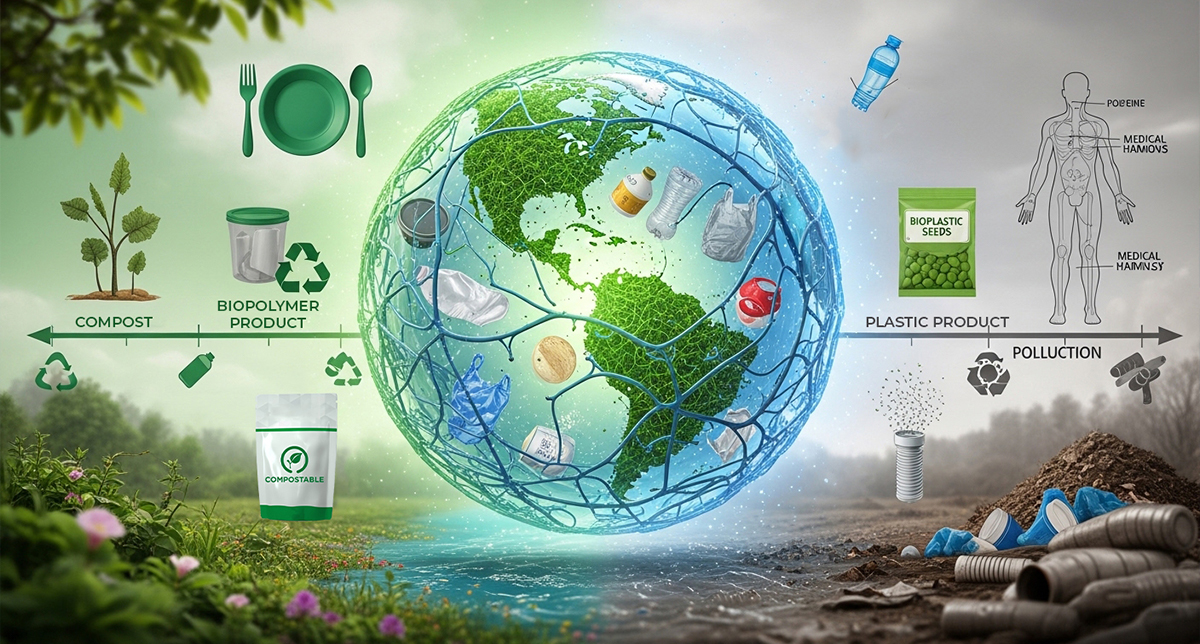
From Waste to Worth Earth-Friendly Materials Leading the Change

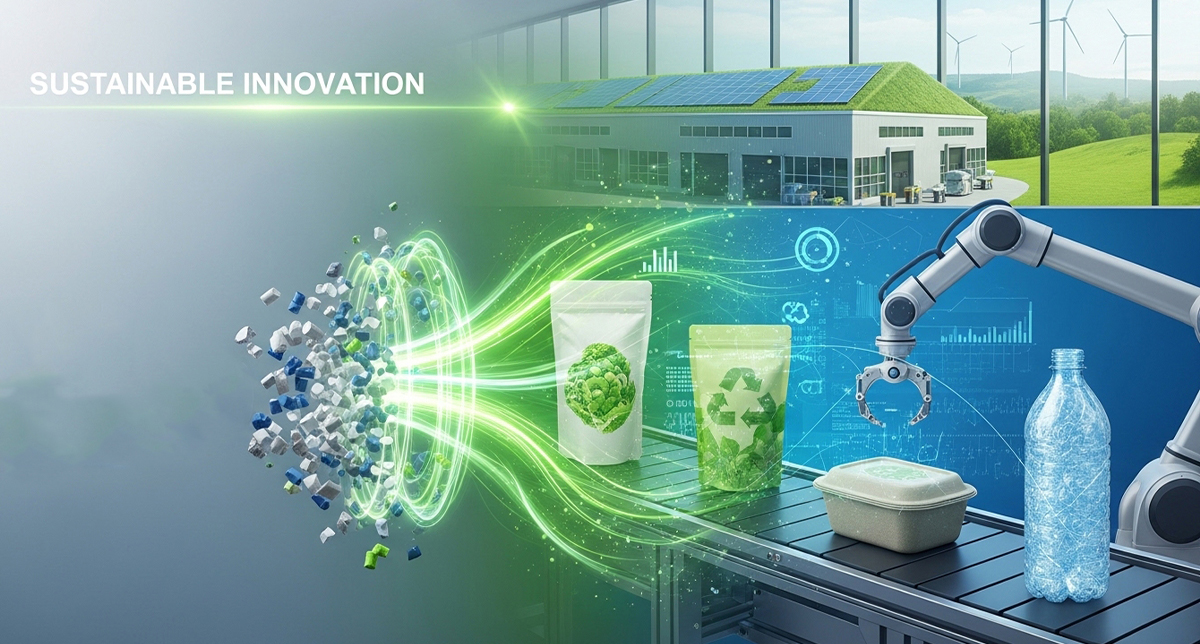
The world is facing a growing waste crisis. Landfills are overflowing, oceans are polluted with plastic, and natural resources are being depleted faster than they can recover. For decades, waste was seen as an unavoidable byproduct of progress. Today, that mindset is changing. Earth-friendly materials are transforming waste into valuable resources, proving that sustainability and innovation can go hand in hand.

This shift from waste to worth is redefining how industries manufacture products, how businesses design packaging, and how consumers think about everyday materials.

The Problem with Traditional Materials

Conventional materials, especially petroleum-based plastics, were designed for durability and low cost, not environmental responsibility. While they serve short-term needs, they create long-term damage. Most traditional plastics do not biodegrade and can persist in the environment for hundreds of years. This leads to soil degradation, water pollution, harm to wildlife, and the spread of microplastics in the food chain.

In addition, producing these materials relies heavily on non-renewable fossil fuels, contributing to carbon emissions and accelerating climate change. The result is a linear system: extract, produce, use, and discard—an approach that is no longer sustainable.

What Are Earth-Friendly Materials?

Earth-friendly materials are designed to minimize environmental impact throughout their lifecycle. They often originate from renewable or recycled sources and are engineered to be biodegradable, compostable, recyclable, or reusable. Examples include bio-based plastics, compostable polymers, recycled fibers, and plant-derived materials.

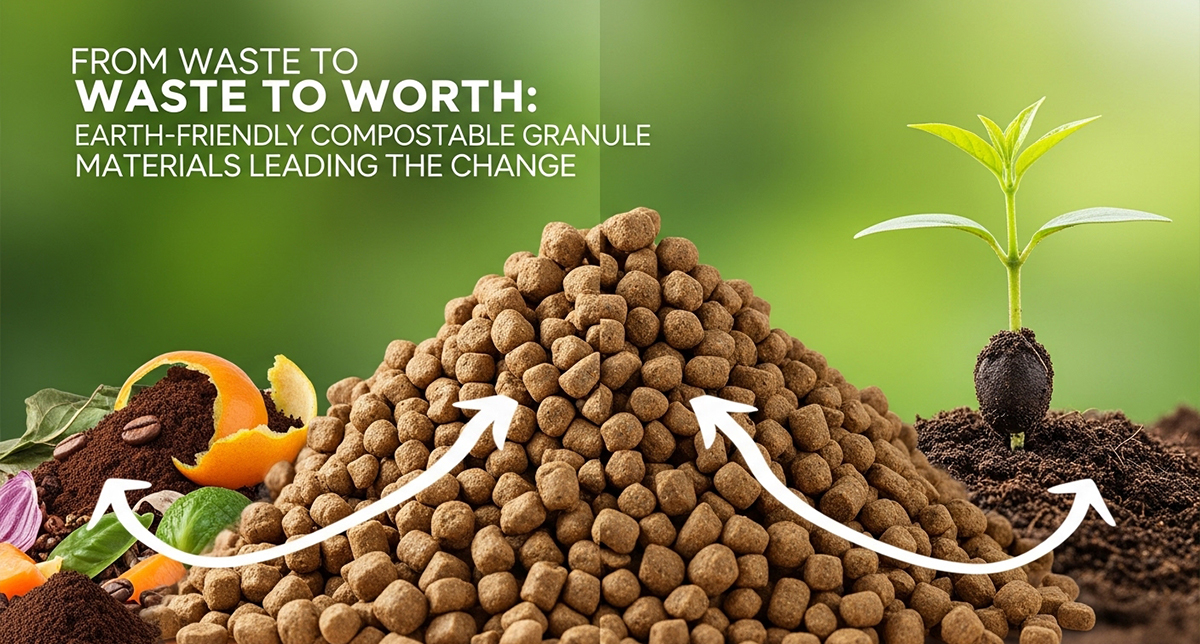
These materials turn agricultural waste, food byproducts, and other renewable inputs into functional alternatives for conventional plastics. Instead of becoming landfill waste, these resources are repurposed into valuable products that support sustainability goals.

Turning Waste into a Valuable Resource

One of the most powerful aspects of earth-friendly materials is their ability to convert waste into worth. Agricultural residues, food waste, and industrial byproducts can be processed into raw materials for eco-friendly manufacturing. This reduces the need for virgin resources while preventing waste from accumulating in landfills.

By using waste as a resource, industries reduce disposal costs, lower environmental impact, and create new economic opportunities. This approach supports a circular economy, where materials are continuously reused rather than discarded after a single use.

Reducing Environmental Pollution

Earth-friendly materials play a crucial role in reducing pollution. Biodegradable and compostable materials break down naturally under appropriate conditions, preventing long-term accumulation in soil and water bodies. This significantly lowers the risk of wildlife ingestion, marine pollution, and microplastic contamination.

Moreover, eco-friendly materials often require fewer toxic chemicals during production, reducing air and water pollution. Cleaner manufacturing processes mean healthier ecosystems and safer working environments.

Conserving Natural Resources

Resource conservation is at the heart of sustainable material innovation. By relying on renewable inputs such as plant-based feedstocks or recycled materials, earth-friendly alternatives reduce pressure on finite natural resources like oil, gas, and minerals.

These materials also tend to consume less energy and water during production compared to traditional plastics. Over time, this leads to significant savings in natural resources and supports long-term environmental balance.

Supporting Climate Action

Climate change is closely linked to material production. Conventional manufacturing processes generate high levels of greenhouse gas emissions. Earth-friendly materials help reduce this impact by lowering energy consumption and carbon output.

Some bio-based materials even capture carbon dioxide during the growth of their raw materials, helping offset emissions. As adoption increases, sustainable materials can contribute meaningfully to global climate action efforts.

Driving Innovation Across Industries

The demand for sustainable solutions has sparked innovation across packaging, automotive, construction, agriculture, and consumer goods industries. Businesses are now investing in research to develop materials that match or exceed the performance of traditional plastics while being environmentally responsible.

Companies such as Deltora Biopolymers Private Limited are actively contributing to this transformation by developing advanced biopolymer solutions that combine strength, usability, and sustainability. Such innovations help industries transition smoothly toward greener practices.

Empowering Businesses and Consumers

Earth-friendly materials empower businesses to meet sustainability goals while building trust with environmentally conscious consumers. Eco-friendly packaging and products enhance brand reputation and demonstrate social responsibility.

For consumers, choosing products made from sustainable materials allows them to participate directly in environmental protection. This shared responsibility strengthens the movement toward a cleaner and more resilient planet.

Organizations like Deltora Biopolymers Private Limitedsupport this shift by providing practical material alternatives that help businesses reduce their environmental footprint without sacrificing quality.

Final Note

The journey from waste to worth represents a fundamental change in how society views materials and resources. Earth-friendly materials are proving that waste can be transformed into value, pollution can be reduced, and economic growth can coexist with environmental responsibility.

By embracing sustainable materials, industries and consumers alike can protect natural resources, reduce environmental damage, and build a future where innovation supports both progress and the planet.

Compostable Packaging Explained in Simple Words

Plastic packaging is everywhere—food containers, shopping bags, delivery boxes, and product wraps. While packaging protects products and makes life convenient, most plastic packaging creates serious environmental problems. It stays in landfills for years, pollutes oceans, and harms animals. Compostable packaging offers a simple and eco-friendly solution to this growing issue.

In simple words, compostable packaging is packaging that can break down naturally and safely, returning to the earth without leaving harmful waste behind.

What Is Compostable Packaging?

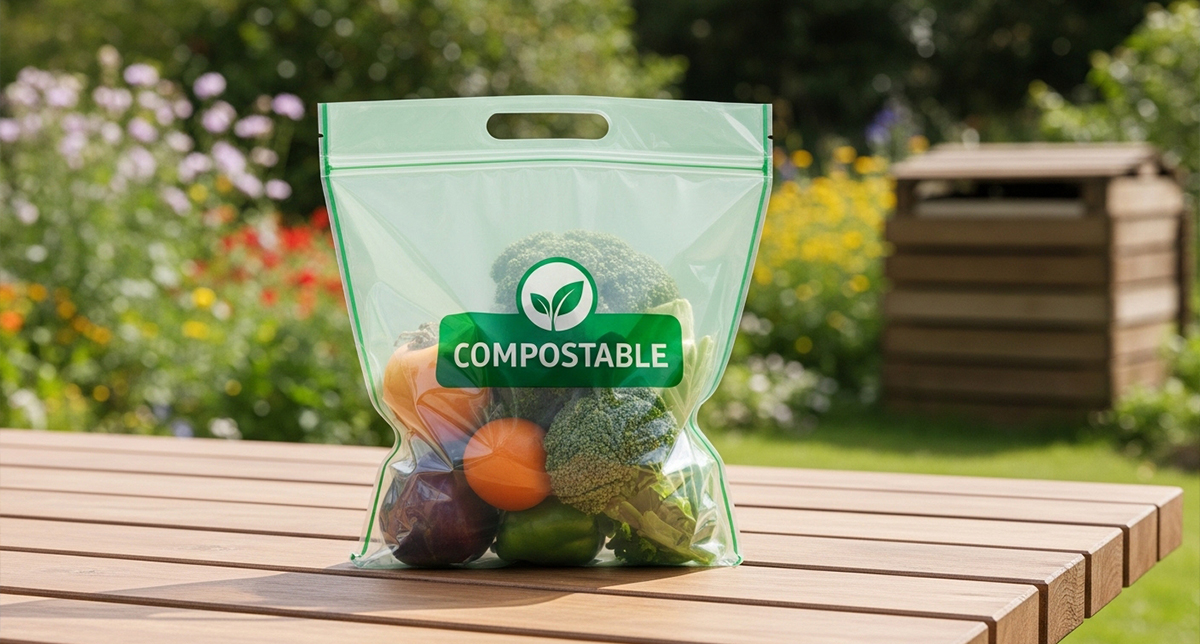
Compostable packaging is made from natural, plant-based materials such as corn starch, sugarcane, cellulose, or other organic resources. Unlike regular plastic, it is designed to decompose under composting conditions into natural elements like water, carbon dioxide, and organic matter.

When composted properly, this type of packaging turns into nutrient-rich material that supports soil health instead of polluting the environment. That’s why compostable packaging is considered a cleaner and safer option for the planet.

How Is It Different from Regular Plastic?

Regular plastic is made from petroleum and does not break down easily. It can remain in the environment for hundreds of years, slowly breaking into microplastics that contaminate soil, water, and food.

Compostable packaging behaves very differently. It is created to decompose within a shorter time when exposed to heat, moisture, and microorganisms in composting environments. Instead of leaving toxic residues, it completes a natural cycle by becoming part of the earth again.

Compostable vs Biodegradable: Simple Difference

Many people confuse compostable and biodegradable packaging, but they are not the same.

Biodegradable materials can break down over time, but they may leave behind small plastic particles or take many years to decompose. Compostable packaging, however, breaks down fully and safely within a defined period under composting conditions, without leaving harmful residues.

This makes compostable packaging a more reliable and environmentally friendly choice.

Why Compostable Packaging Is Good for the Environment

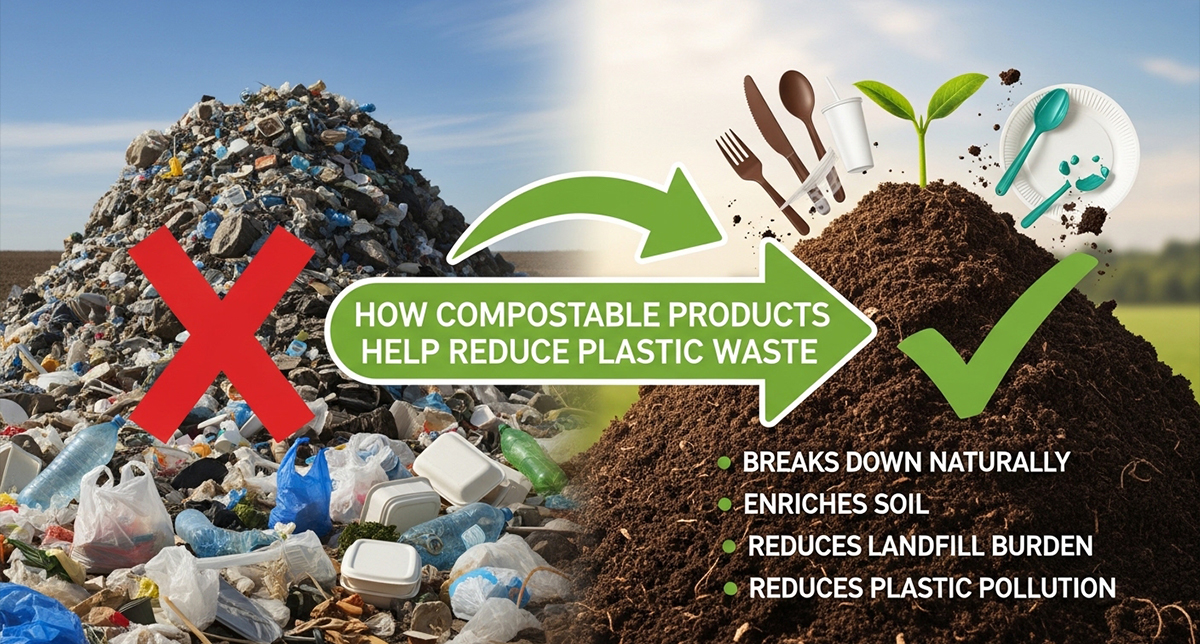
One of the biggest advantages of compostable packaging is reduced pollution. Since it breaks down naturally, it does not contribute to long-term waste in landfills or oceans. This helps protect wildlife and prevents plastic from entering the food chain.

Compostable materials are often made from renewable resources, which means they reduce dependence on fossil fuels. Using plant-based materials also helps lower carbon emissions compared to traditional plastic production.

How Compostable Packaging Supports Waste Management

Compostable packaging supports better waste management systems. Instead of sending all waste to landfills, compostable items can be processed with organic waste like food scraps. This reduces landfill pressure and helps create useful compost.

Organic compost improves soil quality, supports plant growth, and reduces the need for chemical fertilizers. This turns waste into a valuable resource rather than an environmental burden.

Where Compostable Packaging Is Commonly Used

Compostable packaging is widely used in food and beverage packaging, including takeaway containers, cups, plates, cutlery, and grocery bags. It is also used in agricultural films, courier packaging, and protective product wrapping.

As awareness grows, more industries are adopting compostable packaging to meet sustainability goals and comply with environmental regulations.

Role of Innovation in Compostable Packaging

Advancements in material science have made compostable packaging stronger, safer, and more practical than ever before. Modern compostable materials offer good durability, heat resistance, and performance while remaining eco-friendly.

Companies such as Deltora Biopolymers Private Limited are working on innovative compostable material solutions that help businesses replace traditional plastic without compromising quality or functionality.

Benefits for Businesses and Consumers

For businesses, compostable packaging enhances brand image and demonstrates environmental responsibility. It also helps companies meet sustainability standards and respond to the growing demand for eco-friendly products.

Consumers benefit by making choices that reduce environmental harm. Using compostable packaging allows individuals to contribute to a cleaner planet through everyday actions.

Organizations like Deltora Biopolymers Private Limited help bridge the gap between sustainability and practicality by offering advanced compostable solutions for modern packaging needs.

Final Thoughts

Compostable packaging is a simple yet powerful step toward a cleaner environment. By breaking down naturally and supporting healthy soil, it offers a responsible alternative to traditional plastic packaging.

As more businesses and consumers choose compostable options, we move closer to reducing pollution, conserving resources, and protecting the planet for future generations. In simple words, compostable packaging helps nature clean up after us—and that makes a big difference.

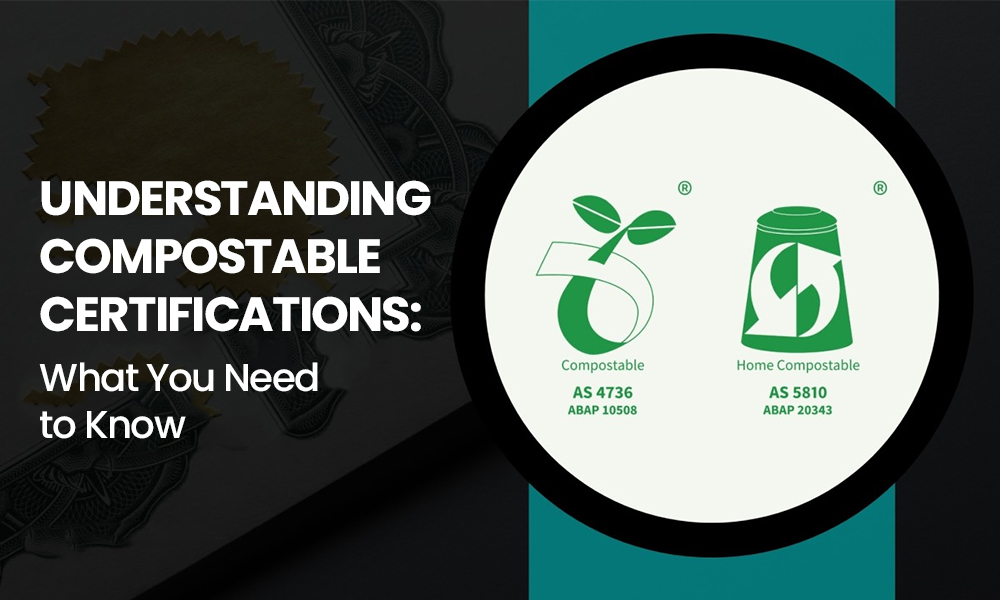
Understanding Compostable Certifications What You Need to Know

As sustainability becomes a core focus for businesses, especially in the food and packaging industry, compostable products are gaining widespread adoption. However, not all products labeled as “compostable” are created equal. To ensure environmental credibility, products must adhere to compostable certifications issued by recognized authorities. Companies like Deltora Biopolymers Private Limited offer certified compostable products, helping businesses maintain authenticity and compliance while promoting eco-friendly practices.

What Are Compostable Certifications?

Compostable certifications are formal validations that a product can break down in a composting environment without leaving harmful residues. These certifications are issued by regulatory or independent organizations after rigorous testing of the product’s biodegradability, disintegration, and environmental safety.

Certified compostable products must meet strict standards to ensure that they decompose fully within a set timeframe, typically 90–180 days, under industrial composting conditions. This guarantees that businesses and consumers are using truly eco-friendly solutions rather than misleading alternatives.

Key Compostable Certification Standards

Several international and regional standards govern compostable certifications:

  1. ASTM D6400 (United States)
    This standard applies to plastics designed to be composted in municipal and industrial facilities. Products must break down into carbon dioxide, water, and biomass without leaving toxic residues.
  2. EN 13432 (Europe)
    One of the most widely recognized standards for compostable packaging. It evaluates biodegradability, disintegration, and ecotoxicity of packaging materials in industrial composting conditions.
  3. ISO 17088
    An international standard focusing on the compostability of plastics and other materials. It ensures consistency and reliability across different countries and industries.
  4. BPI Certification (Biodegradable Products Institute)
    BPI verifies that products meet ASTM D6400 or D6868 standards. Products with BPI logos assure consumers and businesses of verified compostability.
  5. CPCB Approval (India)
    In India, the Central Pollution Control Board (CPCB) certifies products as compostable based on national guidelines, ensuring they align with local environmental regulations.

Why Compostable Certifications Matter

  1. Consumer Trust
    Consumers are increasingly eco-conscious and prefer brands that adopt verifiable sustainable practices. Certified compostable products provide transparency and credibility.
  2. Regulatory Compliance
    Many countries enforce bans on non-compostable plastics. Certifications help businesses meet these regulations and avoid penalties.
  3. Environmental Responsibility
    Certified products ensure that packaging truly decomposes, contributing to reduced landfill waste and lower carbon footprint.
  4. Market Differentiation
    Companies that use certified compostable products can position themselves as environmentally responsible leaders, enhancing brand reputation and customer loyalty.

How Businesses Can Adopt Certified Compostable Products

Businesses need to carefully select products that have been tested and certified by recognized authorities. Companies like Deltora Biopolymers Private Limited provide a wide range of certified compostable packaging solutions, including bags, films, cups, and containers. These products not only meet international standards but also ensure consistent quality and performance for commercial applications.

It is also essential to educate employees and customers about proper disposal practices. Compostable materials require appropriate industrial composting facilities or, in some cases, home composting methods to achieve full decomposition. Mismanagement can result in the product not breaking down as intended, reducing the environmental benefits.

Challenges in the Adoption of Compostable Certifications

While certifications provide assurance, there are challenges to consider:

  • Infrastructure Limitations: Industrial composting facilities may not be widely available in all regions.
  • Consumer Awareness: Lack of understanding about proper disposal can hinder effective composting.
  • Cost Considerations: Certified compostable products may have higher upfront costs compared to conventional plastics.

Despite these challenges, adopting certified compostable products is a crucial step toward sustainable operations and environmental stewardship.

The Future of Compostable Certifications

As the demand for sustainable packaging grows, compostable certifications will play a pivotal role in guiding businesses and consumers toward reliable eco-friendly products. Companies like Deltora Biopolymers Private Limited are committed to supporting this transition by offering certified solutions that meet international standards, helping industries worldwide reduce their environmental impact and comply with evolving regulations.


FAQs About Compostable Certifications

1. What is a compostable certification?
A compostable certification is an official validation that a product can break down in a composting environment without leaving harmful residues, confirming its eco-friendly nature.

2. Why are compostable certifications important for businesses?
Certifications help businesses build consumer trust, comply with regulations, differentiate their brand, and ensure that their products are truly environmentally responsible.

3. What are the common international compostable standards?
Common standards include ASTM D6400 (USA), EN 13432 (Europe), ISO 17088 (International), and BPI certification, each ensuring biodegradability, disintegration, and safety.

4. Can all compostable products be disposed of at home?
Not all products are suitable for home composting. Some require industrial composting facilities to break down completely. Businesses should provide guidance on proper disposal methods.

5. How can companies source certified compostable products?
Businesses can partner with trusted suppliers like Deltora Biopolymers Private Limited, who provide certified, high-quality biopolymer solutions for food packaging, retail, and other applications.

Reducing Plastic Waste How Biopolymers Make a Difference

Plastic pollution has become one of the most pressing environmental challenges of the 21st century. With millions of tons of plastic waste ending up in landfills and oceans every year, there is an urgent need for sustainable alternatives. Biopolymers, a type of biodegradable and renewable material, are emerging as a powerful solution to reduce plastic waste. Companies like Deltora Biopolymers Private Limited are at the forefront of developing innovative biopolymer products that help businesses and consumers minimize their environmental footprint.

What Are Biopolymers?

Biopolymers are materials derived from natural sources such as corn starch, sugarcane, cellulose, and other plant-based resources. Unlike traditional plastics made from petroleum, biopolymers are renewable, biodegradable, and often compostable. They can be used to manufacture a variety of products, including packaging, bags, disposable cutlery, and even textiles.

By breaking down naturally under composting or controlled environmental conditions, biopolymers prevent the accumulation of non-degradable plastic waste in landfills and oceans. This characteristic makes them an ideal choice for companies looking to adopt sustainable practices.

The Environmental Impact of Traditional Plastics

Conventional plastics can take hundreds of years to decompose. During this time, they release harmful chemicals and break into microplastics that contaminate soil and water. This pollution not only affects ecosystems but also poses health risks to humans through the food chain.

The food and retail sectors, in particular, are major contributors to plastic waste. Single-use plastic packaging, shopping bags, and disposable utensils dominate these industries, making it crucial to adopt alternatives that can reduce environmental damage.

How Biopolymers Help Reduce Plastic Waste

  1. Biodegradability
    Biopolymers decompose naturally over time, reducing the burden on landfills and oceans. This helps minimize the long-term environmental impact of plastic waste.
  2. Renewable Resources
    Unlike petroleum-based plastics, biopolymers are derived from plants and agricultural waste. This reduces dependency on fossil fuels and promotes sustainable resource management.
  3. Versatile Applications
    Biopolymers can replace conventional plastics in multiple applications, including packaging, disposable cutlery, containers, and films. Their adaptability ensures a smooth transition for businesses aiming to reduce plastic use.
  4. Compliance with Regulations
    Governments worldwide are implementing strict bans and restrictions on single-use plastics. Switching to biopolymer-based products helps companies comply with these regulations and avoid penalties.
  5. Enhanced Brand Image
    Consumers increasingly prefer brands that prioritize sustainability. By using biopolymer products, businesses can strengthen their reputation and build loyalty among eco-conscious customers.

Applications of Biopolymers Across Industries

Biopolymers are not limited to a single sector. They are widely used in food packaging, healthcare, agriculture, and retail industries. Restaurants and food delivery services use biopolymer-based containers, cutlery, and bags. Retailers adopt biopolymer shopping bags and wrapping films, while healthcare facilities utilize biodegradable medical packaging.

Deltora Biopolymers Private Limited provides a range of biopolymer solutions that are tailored for diverse industry requirements. Their products are certified for quality, food safety, and compostability, ensuring businesses can integrate eco-friendly alternatives without compromising performance.

Challenges and Considerations

While biopolymers are a promising alternative, certain challenges need to be addressed. Proper disposal and composting infrastructure are essential to achieve effective biodegradation. Without these facilities, some biopolymers may not decompose as intended.

Additionally, businesses must choose certified biopolymer products. Certifications such as ASTM D6400 and EN 13432 ensure the material meets international standards for biodegradability and compostability. Educating consumers and employees about proper disposal is also critical to maximize environmental benefits.

The Future of Biopolymers

The shift towards biopolymers is more than a trend—it is a global movement towards sustainable living. Continuous innovation in biopolymer technology is making these materials stronger, more versatile, and cost-effective. By adopting biopolymers, businesses can significantly reduce plastic waste, comply with regulations, and meet the growing demand for eco-friendly products.

Deltora Biopolymers Private Limited continues to innovate, offering solutions that help industries reduce their reliance on traditional plastics while maintaining high performance and quality standards. As awareness of plastic pollution grows, biopolymers will play an increasingly important role in shaping a sustainable future.


FAQs About Biopolymers and Plastic Waste Reduction

1. What are biopolymers?
Biopolymers are materials made from renewable natural sources such as cornstarch, sugarcane, and cellulose. They are biodegradable and, in many cases, compostable, making them an eco-friendly alternative to traditional plastics.

2. How do biopolymers reduce plastic waste?
Biopolymers decompose naturally over time, reducing landfill and ocean accumulation. They replace conventional plastics in packaging, cutlery, bags, and other single-use products.

3. Are biopolymers safe for food packaging?
Yes, certified biopolymer products are food-safe, non-toxic, and suitable for both hot and cold food items. Companies like Deltora Biopolymers Private Limited ensure their products meet industry standards.

4. Can biopolymers be recycled?
Some biopolymers can be composted, but they may not always be suitable for traditional recycling streams. Proper industrial or home composting is recommended for effective biodegradation.

5. What industries can benefit from biopolymers?
Biopolymers are versatile and widely used in food packaging, healthcare, agriculture, retail, and even textiles. Any industry seeking to reduce plastic waste can benefit from their adoption.

How Compostable Products Are Revolutionizing the Food Industry

In recent years, the food industry has faced immense pressure to adopt sustainable practices. One of the most significant shifts has been the adoption of compostable products, which are gradually replacing traditional plastic packaging. Compostable materials are designed to break down naturally in controlled environments, leaving behind nutrient-rich organic matter instead of harmful microplastics. Companies like Deltora Biopolymers Private Limited are leading the charge in providing innovative compostable solutions tailored for the food sector.

The Growing Need for Compostable Products in Food Packaging

The food industry is one of the largest contributors to plastic waste, with single-use packaging dominating the market. From takeaway containers and cutlery to cups and wrapping films, most of these items end up in landfills or oceans, causing environmental damage. Consumers are increasingly aware of this impact and are demanding eco-friendly alternatives.

Compostable products offer a viable solution, as they are made from natural materials like cornstarch, sugarcane bagasse, and PLA (polylactic acid). These materials can decompose fully under industrial composting conditions, returning valuable nutrients to the soil. By adopting compostable packaging, food businesses not only reduce their ecological footprint but also demonstrate a commitment to sustainability, which resonates well with modern consumers.

How Compostable Packaging Benefits the Food Industry

  1. Environmental Impact Reduction
    Compostable products significantly reduce plastic waste. Unlike conventional plastics, they do not contribute to long-term pollution, and their biodegradability ensures minimal environmental disruption.
  2. Consumer Appeal
    Eco-conscious consumers are more likely to choose brands that prioritize sustainability. Compostable packaging conveys a message of responsibility, improving brand loyalty and customer perception.
  3. Regulatory Compliance
    Governments worldwide are implementing stricter regulations on single-use plastics. By switching to compostable products, food businesses can stay ahead of compliance requirements and avoid potential fines.
  4. Versatility and Safety
    Modern compostable materials are designed to withstand various temperatures, making them suitable for hot and cold foods. Additionally, they are food-safe, non-toxic, and free from harmful chemicals often found in conventional plastics.
  5. Cost Efficiency in the Long Run
    While initial costs may be slightly higher, investing in compostable products can lead to savings in waste management and potential incentives for environmentally responsible practices.

Real-World Applications in the Food Industry

Compostable packaging is making its way into multiple sectors of the food industry. Restaurants, cafes, and fast-food chains are replacing traditional plastics with compostable plates, cups, straws, and cutlery. Retailers are using compostable bags and wrapping materials for groceries and ready-to-eat meals.

Companies like Deltora Biopolymers Private Limited are at the forefront, supplying high-quality compostable films, bags, and containers that meet both industrial standards and consumer expectations. These products not only maintain the quality and safety of food items but also ensure that packaging waste contributes positively to environmental sustainability.

Challenges and Considerations

Despite the many benefits, adopting compostable products comes with challenges. Proper composting infrastructure is essential for these materials to break down effectively. Without access to industrial composting facilities, some compostable products may not decompose as intended. Educating consumers and staff on correct disposal practices is equally important to maximize environmental benefits.

Additionally, companies need to carefully select certified compostable products. Certifications such as ASTM D6400 or EN 13432 ensure that the product meets international standards for compostability, providing assurance to both businesses and consumers.

The Future of Compostable Products in Food

The shift towards compostable products is not just a trend but a long-term transformation in the food industry. With continuous innovations in biopolymers, packaging can now be stronger, more durable, and versatile without harming the environment. Businesses that embrace these solutions early will benefit from enhanced brand value, regulatory compliance, and customer trust.

Deltora Biopolymers Private Limited continues to innovate in this space, offering a wide range of certified compostable products designed to meet the evolving needs of the food sector. Their commitment to sustainability helps food businesses integrate eco-friendly solutions without compromising quality or performance.


FAQs About Compostable Products in the Food Industry

1. What are compostable products?
Compostable products are materials that can break down naturally in industrial or home composting conditions, leaving no toxic residues behind. They are typically made from renewable resources like cornstarch, sugarcane bagasse, or PLA.

2. How do compostable products benefit restaurants and cafes?
These products reduce plastic waste, appeal to eco-conscious customers, and help businesses comply with regulations on single-use plastics. They are also safe for food contact and versatile for both hot and cold items.

3. Are compostable products more expensive than regular plastics?
The initial cost may be slightly higher, but they offer long-term savings through reduced waste management costs and enhanced brand reputation. Many businesses also gain incentives for adopting eco-friendly practices.

4. How should compostable products be disposed of?
Compostable products should ideally be disposed of in industrial composting facilities. If unavailable, educating staff and consumers on home composting options can help ensure effective decomposition.

5. Can all food packaging be made compostable?
While most single-use packaging can be replaced with compostable alternatives, certain applications requiring extreme durability or long shelf life may still need specialized solutions. Companies like Deltora Biopolymers Private Limitedprovide tailored options to meet different food industry requirements.

The Future of Packaging Why Biopolymers Are the Sustainable Choice

The packaging industry is undergoing a major transformation. With growing concerns about plastic pollution and environmental sustainability, businesses are seeking alternatives to conventional plastics. Biopolymers, derived from renewable natural sources, are emerging as a leading solution for sustainable packaging. Companies like Deltora Biopolymers Private Limited are pioneering the development of high-quality biopolymer products that are eco-friendly, durable, and versatile, offering businesses a sustainable path forward.

Understanding Biopolymers

Biopolymers are materials created from biological sources such as cornstarch, sugarcane bagasse, cellulose, and other plant-based compounds. Unlike traditional petroleum-based plastics, biopolymers are renewable and biodegradable. Some biopolymers are also compostable, meaning they can naturally break down into non-toxic substances under industrial composting conditions.

This unique property allows biopolymers to provide the functionality of conventional plastics while minimizing environmental harm. They can be used to create packaging films, bags, containers, cups, cutlery, and other single-use products.

Why the Packaging Industry Needs Sustainable Solutions

Plastic packaging has long been a staple of the food, retail, and e-commerce sectors. However, it has a severe environmental cost. Single-use plastics take hundreds of years to degrade, contaminating soil and water with microplastics that harm wildlife and human health.

Consumers are increasingly demanding sustainable packaging solutions, and governments worldwide are implementing strict regulations to limit the use of single-use plastics. This shift is pushing companies to explore alternatives that are both environmentally responsible and economically feasible.

Benefits of Using Biopolymers in Packaging

  1. Reduced Environmental Impact
    Biopolymers break down naturally, reducing the accumulation of non-degradable waste in landfills and oceans. This contributes to cleaner ecosystems and lower pollution levels.
  2. Renewable Resources
    Unlike petroleum-based plastics, biopolymers are sourced from plants, reducing reliance on fossil fuels and supporting sustainable agriculture.
  3. Versatility in Applications
    Biopolymers are suitable for a wide range of packaging applications, including food containers, shopping bags, wrapping films, and disposable cutlery. Their flexibility allows businesses to replace plastics without sacrificing functionality.
  4. Consumer Trust and Brand Value
    Eco-conscious consumers are more likely to support brands that adopt sustainable practices. Using biopolymer packaging demonstrates environmental responsibility, enhancing brand reputation and customer loyalty.
  5. Regulatory Compliance
    Many countries have started enforcing bans and restrictions on single-use plastics. Biopolymers allow businesses to comply with regulations while continuing to meet packaging needs effectively.

Innovations Driving the Biopolymer Packaging Industry

The biopolymer packaging industry has witnessed significant innovation in recent years. Companies are developing materials that are stronger, more heat-resistant, and adaptable for different food and retail applications.

Deltora Biopolymers Private Limited offers an extensive range of certified biopolymer products, including compostable films, bags, containers, and cutlery. These products meet international standards for food safety and compostability, ensuring that businesses can adopt sustainable packaging solutions without compromising on quality.

Challenges in Transitioning to Biopolymer Packaging

While biopolymers offer numerous benefits, their adoption comes with certain challenges. Proper disposal and composting infrastructure are necessary to achieve effective biodegradation. Without industrial composting facilities, some biopolymer products may not decompose efficiently.

Businesses also need to select certified products with recognized standards such as ASTM D6400 or EN 13432 to ensure quality and compliance. Educating consumers and staff about proper disposal practices is essential to maximize the environmental impact of biopolymer packaging.

The Future Outlook

The future of packaging is undoubtedly moving toward sustainability, with biopolymers playing a central role. As technology improves, biopolymers are becoming more affordable, versatile, and widely available. Early adoption of biopolymer packaging not only helps reduce environmental impact but also positions businesses as leaders in sustainable innovation.

Deltora Biopolymers Private Limited continues to support companies in this transition by providing high-quality, eco-friendly packaging solutions that align with global sustainability goals. With growing awareness and advancements in biopolymer technology, the packaging industry is poised for a greener, more responsible future.


FAQs About Biopolymers in Sustainable Packaging

1. What are biopolymers?
Biopolymers are materials made from renewable natural sources like cornstarch, sugarcane, and cellulose. They are biodegradable and, in some cases, compostable, making them a sustainable alternative to conventional plastics.

2. Why are biopolymers important for the packaging industry?
Biopolymers reduce plastic waste, support sustainability, comply with regulations, and improve brand reputation by meeting the demand for eco-friendly packaging solutions.

3. Are biopolymers safe for food packaging?
Yes, certified biopolymer products are food-safe, non-toxic, and suitable for both hot and cold items. Companies like Deltora Biopolymers Private Limited ensure their products meet all safety and quality standards.

4. Can biopolymers replace all types of plastic packaging?
Biopolymers are versatile and can replace most single-use plastic packaging, including bags, containers, films, and cutlery. However, specialized applications may require specific biopolymer formulations.

5. How should businesses dispose of biopolymer packaging?
Biopolymer products should ideally be disposed of in industrial composting facilities. Educating staff and consumers on proper disposal ensures effective biodegradation and maximizes environmental benefits.

How Green Material Engineering Is Solving Long-Standing Challenges in Plastic Alternatives

For decades, the world has relied heavily on petroleum-based plastic due to its durability, versatility, and affordability. But as environmental concerns rise and waste management systems struggle to keep up, it has become clear that traditional plastics are no longer sustainable. While many alternatives have been introduced, they often fall short in areas like durability, cost-efficiency, heat resistance, and large-scale manufacturability. This is where green material engineering is stepping in to create a real transformation.

Green material engineering blends scientific innovation with environmental responsibility. It focuses on developing materials derived from natural or low-impact sources while enhancing their functional performance to match or exceed conventional plastics. This approach is solving long-standing limitations and enabling industries to adopt truly viable plastic alternatives.

What Green Material Engineering Brings to the Table

The shortcomings of early plastic alternatives—poor strength, inconsistent performance, limited shelf life, and high costs—prevented widespread adoption. Green material engineering directly addresses these issues through:

1. Smarter Material Formulation

Modern researchers are able to modify and enhance plant-based polymers, natural fibers, and eco-friendly compounds at the molecular level. These improvements make them stronger, more flexible, and more temperature-resistant than their earlier versions.

2. Combining Natural Materials With Advanced Engineering

Green material engineering doesn’t rely solely on raw natural materials. Instead, it combines engineered binders, natural reinforcements, and innovative processing techniques to develop materials that behave like high-performance plastics—without environmental drawbacks.

3. Consistent Quality for Mass Production

A major challenge with early plastic alternatives was inconsistency. Today, advanced engineering techniques ensure uniformity across each batch, making large-scale manufacturing practical and reliable.

4. Lower Environmental Impact Throughout Lifecycle

Green-engineered materials emphasize sustainability from production to end-of-life. They are commonly made from renewable resources, require less energy to produce, and support circular economy systems.

The Key Innovations Driving Plastic Alternative Evolution

Green material engineering is shaping a new generation of sustainable materials with enhanced capabilities. Some of the most impactful innovations include:

1. Reinforced Plant-Based Polymers

By strengthening plant-derived polymers using natural fiber reinforcements, these materials now deliver remarkable durability and flexibility. They can be used for packaging films, containers, consumer goods, and agricultural applications.

2. High-Performance Bio-Composites

Bio-composites integrate natural fibers like hemp, rice husk, bamboo, or sugarcane bagasse with engineered natural resins. The resulting materials can be used in construction, automotive interiors, electronic casings, and industrial applications—where strength and stability are essential.

3. Heat and Moisture-Resistant Natural Materials

Green material engineering has enabled the creation of eco-friendly materials that can withstand heat, humidity, and moisture—areas where earlier natural materials often failed. This makes them suitable for food packaging, daily-use products, and storage applications.

4. Advanced Material Processing Techniques

Extrusion, molding, blending, and coating technologies have been upgraded to accommodate eco-friendly materials. These advancements allow industries to adopt sustainable materials without overhauling their entire manufacturing systems.

How Green Engineering Solves the Biggest Problems in Plastic Alternatives

1. Strength and Durability

Older alternatives often cracked, deformed, or degraded too quickly. With engineered reinforcement and advanced polymer blending, new green materials now offer strength comparable to traditional plastics.

2. Consistency Across Different Environments

Temperature changes, humidity, and handling conditions once caused plastic alternatives to behave unpredictably. Today’s green-engineered materials remain stable, reliable, and consistent across diverse environments.

3. Scalability and Commercial Viability

Sustainable materials used to be expensive and difficult to scale. Green material engineering has made production processes more efficient, reducing costs and enabling mass manufacturing for global industries.

4. Improved Aesthetic and Structural Qualities

Modern eco-materials can be molded, colored, printed, textured, and shaped just like traditional plastics. This allows brands to maintain aesthetics while delivering sustainable products.

Industries Benefiting From Green Material Engineering

Green-engineered materials are now becoming mainstream across multiple sectors, including:

  • Food and Beverage Packaging – safer, stronger, and moisture-resistant alternatives
  • Retail and E-Commerce – lightweight yet durable packaging solutions
  • Automotive – bio-composite interiors that reduce vehicle weight and emissions
  • Agriculture – natural-film solutions, mulch sheets, and protective coverings
  • Consumer Goods – greener versions of daily-use items like cutlery, containers, and homeware

This cross-industry adoption reflects growing confidence in the performance and reliability of engineered sustainable materials.

Leading the Charge in Material Innovation

Organizations like Deltora Biopolymers Private Limited are contributing significantly to this evolution by developing advanced eco-friendly materials tailored to India’s diverse industrial needs. Their research-driven approach demonstrates how scientific engineering can unlock the full potential of sustainable polymers.

By bridging the gap between natural resources and high-performance applications, companies such as Deltora Biopolymers Private Limited are helping industries transition away from petroleum-based plastics without compromising on quality or efficiency.

Conclusion: The Future Belongs to Engineered Green Materials

Green material engineering is reshaping the entire landscape of plastic alternatives. It is overcoming limitations that once made sustainable materials impractical and transforming them into high-performance, commercially viable solutions. As industries move toward eco-conscious manufacturing and stronger environmental commitments, engineered sustainable materials are becoming essential—not optional.

The future of plastic alternatives lies in innovation, engineering excellence, and nature-inspired design. With continued research, rising awareness, and advanced material science, green materials will play a defining role in building a cleaner, smarter, and more sustainable world.

Why Plant-Based Polymers Are Becoming the Top Choice for Conscious Brands in India

India is witnessing a powerful shift in how brands think about materials, packaging, and sustainability. As environmental awareness increases and consumers demand cleaner, more responsible products, companies across the country are re-examining their reliance on traditional plastics. Among the many emerging alternatives, plant-based polymers have quickly risen to prominence—becoming the preferred choice for conscious, forward-thinking brands.

Plant-based polymers, also known as bio-based polymers, are derived from renewable plant sources such as starch, sugarcane, bamboo, corn, cellulose, and other agricultural resources. They combine the advantages of natural origin with the engineering performance required in commercial use. As market trends evolve, these innovative polymers are reshaping how businesses operate and how products reach consumers.

The Rise of Conscious Consumerism in India

Over the last decade, consumer behaviour in India has undergone a remarkable transformation. Today’s buyers are not simply looking for affordable or convenient products—they are actively seeking ethical brands that align with their environmental values. Social media awareness, growing media coverage on pollution, and government policy changes have all contributed to a new generation of conscious consumers.

These consumers prefer products that are responsibly made, sustainably packaged, and planet-friendly. This growing demand has encouraged brands to explore eco-driven material choices—and plant-based polymers stand out as one of the most promising solutions.

What Makes Plant-Based Polymers So Popular?

The reasons behind the rise of plant-based polymers are numerous, and their benefits extend well beyond sustainability. Here are the key factors driving their adoption:

1. They Reduce Dependence on Fossil Fuels

Conventional plastic is petroleum-based, making it unsustainable in the long term. Plant-based polymers, in contrast, are derived from renewable plant resources. This shift not only reduces reliance on limited fossil fuels but also supports farming ecosystems, rural industries, and agricultural economies.

2. They Support Cleaner Production Processes

The production of plant-based polymers generally emits fewer greenhouse gases compared to traditional plastic manufacturing. Many of these polymers are created using low-energy processes or from agricultural waste that would otherwise be discarded. This makes them ideal for brands committed to reducing their carbon footprint.

3. They Offer Versatility Across Industries

Plant-based polymers are surprisingly versatile—they can be engineered to create flexible films, sturdy containers, packaging sheets, industrial components, and even textile applications. Their adaptability makes them suitable for food packaging, beauty products, retail goods, e-commerce packaging, and more.

4. They Strengthen Brand Image

Sustainability has become a strong selling point. When a company uses plant-based materials, it signals responsibility, transparency, and environmental commitment. This enhances brand loyalty and differentiates the company in a competitive market. For many brands, shifting to plant-based polymers becomes a powerful marketing advantage.

5. They Align With Government Policies

India is tightening regulations on plastics, including restrictions on single-use items. Plant-based polymers help brands stay compliant with evolving laws while future-proofing their product lines. As regulations expand further, these eco-friendly materials will play a critical role in long-term strategy.

Industries Leading the Transition in India

A range of sectors are turning to plant-based polymers as practical and scalable alternatives. Some of the fastest adopters include:

1. Food & Beverage Packaging

Restaurants, cloud kitchens, FMCG companies, and organic product brands are moving toward bio-based containers, cups, films, and wrappers. These solutions maintain hygiene and quality while reflecting the brand’s environmental values.

2. E-Commerce & Retail

With the booming e-commerce industry, packaging waste has become a major concern. Many online brands are switching to plant-derived packing materials to reduce plastic usage and improve sustainability ratings.

3. Beauty & Personal Care

Cosmetics and skincare brands are using plant-based polymer containers and packaging to appeal to eco-conscious buyers. This trend aligns well with the industry’s clean, natural, and toxin-free narratives.

4. Consumer Goods

From cutlery to home essentials, everyday products made from plant-based polymers are increasingly replacing conventional plastics in conscious households.

Innovation Driving This Material Revolution

Advanced material research has made plant-based polymers stronger, more flexible, and more customizable than ever before. Innovations include:

  • Starch and cellulose-based films with high transparency
  • Fiber-reinforced composites for industrial use
  • Bio-based resins engineered for durability
  • Water-resistant natural coatings for safer packaging
  • Plant-derived blends suitable for mass production

These developments demonstrate that plant-based polymers are not simply eco-friendly—they are technologically advanced and commercially viable.

Leading companies, such as Deltora Biopolymers Private Limited, are playing a major role in accelerating this shift by developing high-performance plant-based solutions suitable for Indian market needs. Their work shows how sustainability and innovation can co-exist without compromising product quality.

Why Conscious Brands Are Making the Switch Now

Conscious brands understand that sustainability is more than a trend—it is a necessity. The shift to plant-based polymers allows them to:

  • Build trust with environmentally aware customers
  • Reduce their ecological footprint
  • Strengthen long-term brand reputation
  • Future-proof their business against regulatory changes
  • Show leadership in sustainable innovation

Companies like Deltora Biopolymers Private Limited demonstrate that adopting cleaner materials is not just good for the environment, but also a strong business decision.

Conclusion: A Future Built on Responsible Materials

Plant-based polymers are transforming how India thinks about packaging, manufacturing, and sustainability. As businesses look for alternatives to traditional plastics, these natural, innovative materials are emerging as the top choice for brands that care about the planet and their customers.

The shift toward plant-based polymers reflects a deeper movement—one where brands take responsibility for the footprints they leave behind. With increasing innovations and rising consumer demand, India is poised to become a leader in the next material revolution.

From Nature to Packaging The Unexpected Innovations Driving the Next Material Revolution

The world is undergoing a major transformation in how it views packaging, sustainability, and material science. Increasing environmental awareness and the urgent need to reduce pollution have fueled a global shift toward nature-inspired, eco-friendly packaging solutions. Today, innovation is no longer limited to manufacturing efficiency or cost reduction—industries are now rethinking the very materials they use. This movement has unlocked a new era often called the material revolution, where nature and technology come together to create groundbreaking alternatives with real-world impact.

A New Era of Nature-Inspired Material Solutions

Modern packaging is evolving beyond traditional plastic and paper. Scientists, engineers, and sustainability-driven companies are exploring natural resources, plant fibers, agricultural waste, and bio-compounds to build high-performance materials that are both durable and environmentally responsible. These next-generation packaging solutions combine the strength of engineering with the wisdom of nature.

Brands and researchers worldwide are proving that innovation doesn’t always come from synthetic chemicals—it can rise directly from organic sources that have been overlooked for decades. As industries embrace these developments, the way products are designed, transported, and consumed is being redefined.

Why Nature-Based Packaging Is Gaining Momentum

Nature-based packaging offers advantages well beyond eco-friendly branding. It provides measurable benefits that make it appealing to industries across sectors.

1. Cleaner Production Processes

Traditional petroleum-based plastics contribute significantly to greenhouse gas emissions. In contrast, plant-derived packaging solutions often require less energy during production. Many of these materials use upcycled agricultural waste, reducing environmental load and promoting circular economy models.

2. Strong Consumer Demand for Sustainable Products

Today’s consumers are more aware of environmental issues, and many actively seek products that align with their values. Packaging plays a major role in shaping brand perception. When companies use natural or eco-focused materials, they stand out in a crowded marketplace looking for conscious choices.

3. Regulatory Push Toward Green Alternatives

Governments across the world are implementing stricter rules on the usage of conventional plastics. This has increased demand for nature-based materials that comply with emerging regulations and help industries stay ahead of upcoming restrictions.

4. Impressive Functional Properties

The biggest surprise of this revolution is the performance of nature-inspired materials. Natural fibers, starch-based polymers, and bio-composites show excellent strength, flexibility, printability, and durability—often competing with or surpassing synthetic alternatives. This new generation of packaging proves that sustainability does not require sacrifice.

Breakthrough Innovations Changing the Packaging Landscape

The shift toward nature-driven materials is backed by multiple scientific and technological advancements. Some innovations leading the change include:

1. Plant Fiber–Based Packaging

Agricultural fibers like sugarcane bagasse, wheat straw, bamboo, and rice husk are being repurposed to create sturdy packaging solutions. These fibers are lightweight, strong, and heat-resistant, making them ideal for food trays, cups, containers, and protective packing materials.

2. Starch and Protein-Based Polymers

Materials made from corn starch, potato starch, and various plant proteins are paving the way for flexible films, bags, and packaging inserts. These materials provide visual quality and functional performance similar to conventional products while being derived from renewable sources.

3. Advanced Bio-Composites

Bio-composites integrate natural fibers with eco-friendly binders to create strong structural materials. These composites are finding applications in electronics packaging, industrial goods, and high-end retail products where durability and sustainability must coexist.

4. Mushroom and Mycelium Technology

One of the most unexpected breakthroughs is the use of mycelium—the root structure of mushrooms—to grow packaging. This material can be molded into protective forms, making it ideal for electronics, cosmetics, and fragile goods. It is lightweight, shock-absorbent, and produced with minimal energy.

5. Seaweed and Algae-Based Innovations

Seaweed-based films and coatings are entering the market as edible packaging wrappers, water-soluble sachets, and biodegradable film alternatives. Algae polymers have the potential to revolutionize everything from labels to flexible bags.

How Industries Are Embracing the Material Revolution

Multiple sectors are integrating natural packaging solutions to strengthen sustainability and reduce their ecological footprint.

Food & Beverage

Restaurants, food delivery services, and FMCG brands are adopting plant-fiber containers, eco-films, and compostable wraps. These materials help maintain food freshness while reducing waste.

E-Commerce

Online brands use cushioning, mailers, and boxes made from natural fiber composites to ensure safe shipping without relying on plastic fillers.

Beauty & Personal Care

Cosmetic brands are exploring mushroom packaging, bamboo containers, and seaweed-based films to create eco-friendly product experiences.

Retail & Fashion

Clothing brands are transitioning toward natural packaging options that match their sustainability messaging and reduce landfill waste.

Looking Ahead: The Future of Packaging Innovation

The material revolution is just beginning. Rapid innovation, investment in research, and rising global demand for eco-conscious solutions will continue to push nature-inspired packaging to the forefront. These materials are becoming mainstream, providing scalable and commercially viable choices for businesses worldwide.

This transformation is supported by organizations dedicated to developing advanced, sustainable solutions—companies such as Deltora Biopolymers Private Limited, which contribute to shaping the next era of packaging technology. Their efforts demonstrate how science, engineering, and environmental responsibility can work together to create packaging that supports both people and the planet.

Conclusion

From farm waste to seaweed, from fibers to fungi—the future of packaging is being shaped by unexpected innovations rooted in nature. As industries shift away from traditional plastics, nature-based materials are emerging as the leading force of sustainable change. This revolution is reshaping how products are delivered, how brands are perceived, and how businesses interact with the environment.

The next material revolution has already begun—and its foundation lies in the remarkable ability of nature to inspire solutions that are both practical and planet-friendly.

The Future of Eco-Polymers How Sustainable Solutions Are Reshaping Today’s Industries

In recent years, the global push toward sustainability has accelerated faster than ever before. Businesses, manufacturers, and brands across sectors are seeking alternatives that not only reduce environmental impact but also support long-term operational efficiency. This shift has placed eco-polymers at the centre of innovation. These advanced, plant-based, and environmentally responsible polymer solutions are quietly transforming how industries operate—bringing a future that prioritizes performance without harming the planet.

Understanding the Rise of Eco-Polymers

Eco-polymers are engineered from renewable sources such as starch, agricultural waste, and plant-derived compounds. Unlike traditional plastic, which is dependent on fossil fuels, eco-polymers offer a sustainable foundation for packaging, product design, and industrial applications. Their growing relevance is not simply due to the demand for eco-friendly solutions; it is also driven by advances in chemistry and engineering that allow these polymers to compete with, and often outperform, conventional plastic.

Companies like Deltora Biopolymers Private Limited have become major contributors to this shift by developing eco-polymer technologies tailored for real-world, high-performance use cases. As industries recognize the importance of reducing carbon footprints, eco-polymers are emerging as a key driver of change.

Why Eco-Polymers Are Becoming Industry Favorites

Across sectors—from e-commerce packaging to agriculture and consumer goods—organizations are adopting eco-polymers to meet sustainability goals and regulatory standards. Several factors make these solutions highly attractive:

1. Reduced Environmental Impact

Eco-polymers minimize dependence on petroleum-based raw materials. Their production process often requires less energy and generates fewer greenhouse gas emissions. This makes them ideal for organizations committed to circular economy practices and climate-conscious operations.

2. Growing Regulatory Pressure

Governments worldwide are tightening their policies on plastic waste. Many countries are enforcing bans or restrictions on single-use plastics and demanding the adoption of eco-friendly alternatives. Eco-polymers offer a compliant, future-proof solution that aligns with regulatory expectations.

3. Better Brand Reputation

Consumers today prefer brands that prioritize sustainability. Using eco-polymers in packaging or products strengthens brand value and enhances customer trust. For businesses looking to modernize their identity, adopting sustainable polymer solutions is a strategic decision.

4. Strong Functional Performance

One of the biggest myths is that eco-friendly solutions lack strength or durability. However, modern eco-polymers are engineered to match or exceed the functional requirements of traditional plastics. They can be designed with various characteristics such as flexibility, tensile strength, moisture resistance, and temperature stability—making them suitable for diverse applications.

Industries Leading the Eco-Polymer Revolution

Many industries are rapidly integrating eco-polymers into their manufacturing and product strategies. Some of the most notable sectors include:

1. Packaging and E-Commerce

As the demand for sustainable packaging grows, eco-polymers are becoming the preferred choice for bags, wrappers, food containers, and cushioning materials. E-commerce companies, in particular, are adopting eco-polymers to align with global sustainability standards and reduce plastic waste.

2. Agriculture

Agriculture is experiencing a transformation with the use of eco-polymer-based films, coverings, and mulching sheets. These solutions support better crop growth while offering eco-friendly disposal options—replacing conventional plastic that harms soil health.

3. Consumer Goods

From disposable cutlery to household products, eco-polymers are becoming a standard choice for businesses that want to appeal to environmentally aware customers. Their versatility makes them suitable for everything from rigid items to flexible products.

4. Medical and Healthcare

Eco-polymers are also finding applications in medical packaging, diagnostic tools, and temporary-use products where sustainability and safety must go hand in hand.

Innovation and the Future of Eco-Polymers

The evolution of eco-polymers is just beginning. Continued research and development are leading to stronger, more adaptable, and more cost-efficient solutions. As technology advances, we can expect eco-polymers to play an even bigger role in product innovation, design engineering, and manufacturing processes.

Industry leaders like Deltora Biopolymers Private Limited are investing in next-generation polymer science to bridge the gap between environmental responsibility and industrial performance. Their work shows how sustainable materials can reduce waste, promote cleaner ecosystems, and support global climate goals.

Final Thoughts: A Sustainable Path Forward

Eco-polymers represent more than an emerging trend—they reflect a global movement toward conscious production and responsible consumption. As industries evolve, the need for sustainable alternatives becomes essential rather than optional. The future belongs to companies that embrace innovation, reduce dependency on harmful materials, and adopt environmentally responsible solutions.

With continuous advancements and growing market demand, eco-polymers are set to become the backbone of tomorrow’s industries. Their impact goes far beyond environmental benefits—they are reshaping industrial strategy, product design, and consumer expectations. The shift to eco-polymers marks a crucial step toward a cleaner, healthier, and more sustainable future for all.