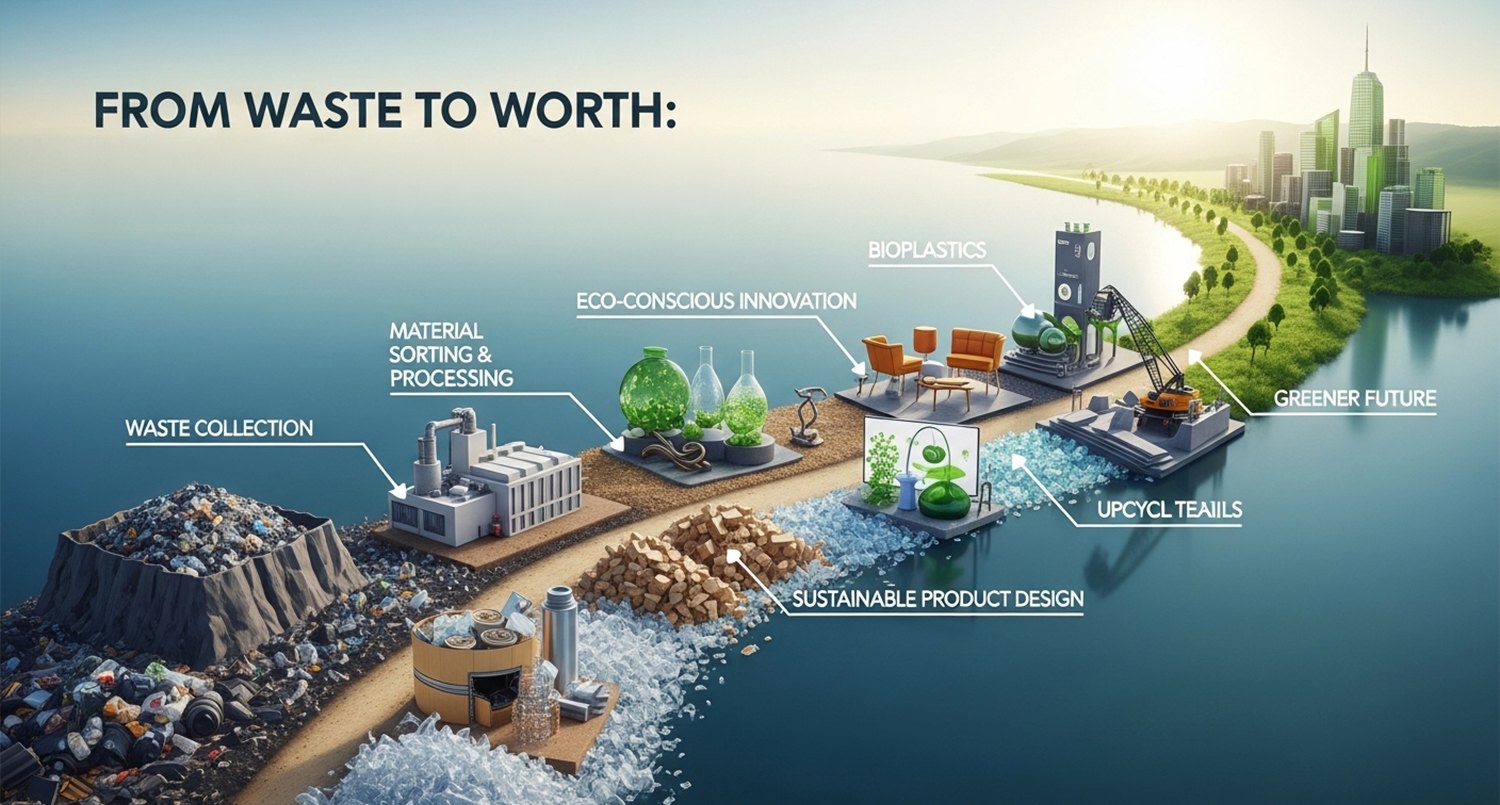
From Waste to Worth Building a Greener Future with Eco-Conscious Material Innovations

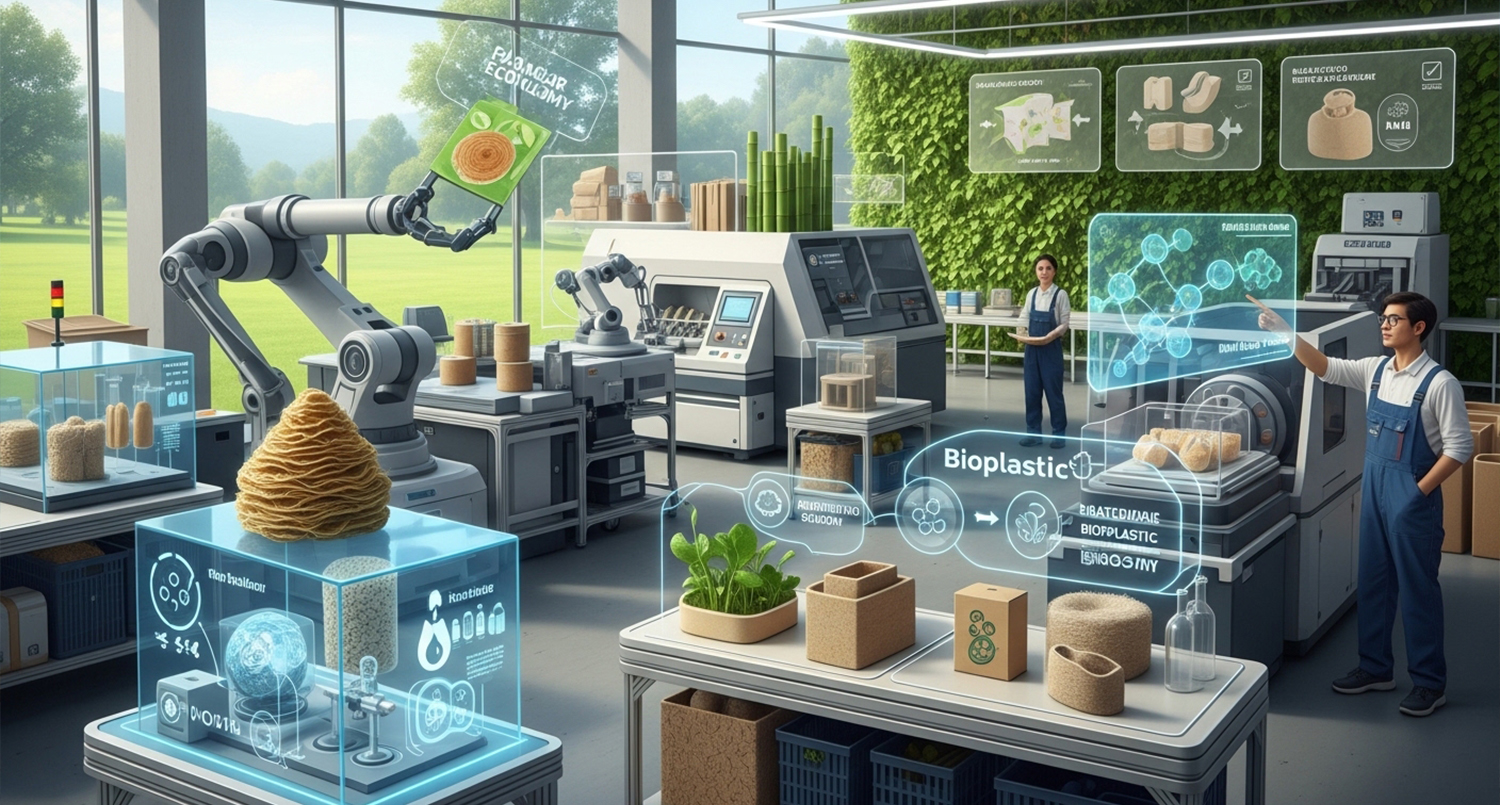
In an era where environmental challenges are becoming increasingly urgent, the way industries manage waste is undergoing a significant transformation. What was once considered useless or disposable is now being reimagined as a valuable resource. The concept of turning waste into worth is gaining traction across sectors, driven by the need for sustainable development and responsible production practices. Eco-conscious material innovations are at the heart of this shift, enabling businesses to reduce waste while creating high-quality, sustainable products.

Traditionally, industrial growth has relied heavily on materials that generate significant waste and environmental harm. From excessive packaging to single-use plastics, the impact has been long-lasting and widespread. However, with rising awareness and stricter environmental regulations, companies are now seeking smarter solutions. Eco-conscious materials are designed to minimize environmental impact, promote resource efficiency, and support sustainable manufacturing processes. These materials are redefining how products are designed, produced, and disposed of.

One of the most important aspects of eco-conscious material innovation is the ability to repurpose waste into usable raw materials. Instead of discarding by-products, industries are now investing in technologies that convert waste into valuable inputs for production. This approach not only reduces landfill waste but also decreases the demand for virgin resources. By closing the loop in material usage, businesses can significantly lower their environmental footprint while maintaining productivity.

The packaging industry is one of the biggest beneficiaries of this transformation. With increasing pressure to reduce plastic waste, companies are adopting eco-friendly alternatives that deliver both performance and sustainability. Eco-conscious materials provide strength, flexibility, and durability, making them ideal for packaging applications. They also help brands meet consumer expectations for environmentally responsible products. As a result, businesses can align their operations with both regulatory standards and market demands.

In addition to packaging, eco-conscious materials are making a strong impact in manufacturing, construction, agriculture, and consumer goods. These materials are versatile and can be tailored to meet specific industry requirements. Whether it’s creating lightweight components for automotive use or developing sustainable solutions for everyday products, eco-conscious innovations are driving efficiency and environmental responsibility at the same time.

Another key advantage of these materials is their role in promoting a circular economy. Unlike the traditional linear model of “take, make, dispose,” a circular approach focuses on reusing, recycling, and regenerating resources. Eco-conscious material innovations make it easier for businesses to adopt this model by providing sustainable alternatives that can be reintegrated into the production cycle. This reduces waste generation and ensures that resources are utilized more effectively.

Cost efficiency is also an important factor driving the adoption of eco-conscious materials. While some businesses may initially perceive sustainable materials as expensive, the long-term benefits often outweigh the costs. Reduced waste management expenses, improved energy efficiency, and compliance with environmental regulations contribute to overall savings. Moreover, companies that embrace sustainability are better positioned to attract environmentally conscious customers and investors.

Innovation and technology play a crucial role in advancing eco-conscious material solutions. Continuous research is leading to the development of new materials that combine performance with sustainability. Companies like Deltora Biopolymers Private Limited are contributing significantly to this progress by offering innovative solutions that help industries transition toward greener practices. Their commitment to quality and sustainability ensures that businesses can adopt eco-friendly materials without compromising on performance or reliability.

Consumer awareness is another driving force behind the shift toward eco-conscious materials. Today’s consumers are more informed and concerned about the environmental impact of their choices. They prefer brands that demonstrate a commitment to sustainability and responsible sourcing. By incorporating eco-conscious materials into their products, companies can build trust, enhance brand reputation, and gain a competitive edge in the market.

Furthermore, eco-conscious material innovations play a vital role in reducing carbon emissions. Traditional manufacturing processes often involve high energy consumption and significant greenhouse gas emissions. By using sustainable materials and optimizing production techniques, businesses can reduce their carbon footprint and contribute to global climate goals. This not only benefits the environment but also helps organizations align with international sustainability standards.

Deltora Biopolymers Private Limited stands out as a key player in promoting eco-conscious innovation. By focusing on advanced material solutions, the company supports industries in transforming waste into valuable resources. Their approach reflects a strong commitment to sustainability, helping businesses move toward greener and more responsible operations.

In conclusion, the journey from waste to worth is reshaping the future of industries worldwide. Eco-conscious material innovations are enabling businesses to reduce waste, conserve resources, and create sustainable products that meet modern demands. By embracing these solutions, companies can play a crucial role in building a greener future while achieving long-term growth and success. The shift toward sustainability is not just a trend—it is a necessary step toward preserving our planet for future generations.

Eco-Friendly Polymers A Smarter Approach to Sustainable Packaging and Production

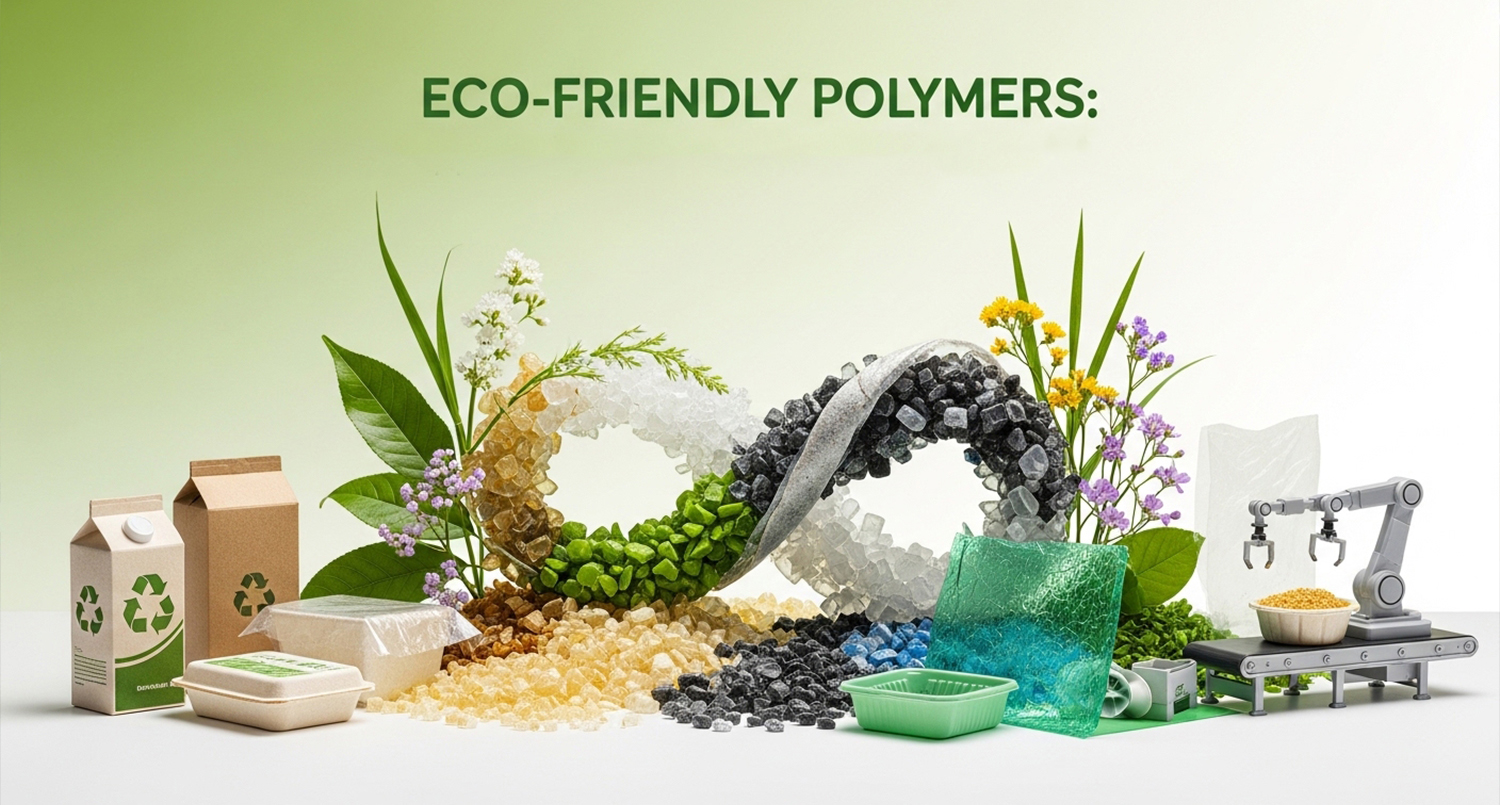
In today’s rapidly evolving industrial landscape, sustainability is no longer just an option—it has become a necessity. Businesses across the globe are actively seeking alternatives to traditional plastic materials that harm the environment and contribute to long-term ecological damage. This shift has led to the growing popularity of eco-friendly polymers, which are transforming the way packaging and production processes operate. By adopting these innovative materials, industries can reduce their environmental footprint while maintaining efficiency and product quality.

Eco-friendly polymers are advanced materials designed to offer similar performance to conventional plastics while minimizing negative environmental impact. Unlike traditional plastics derived from fossil fuels, these polymers are developed using greener processes and renewable resources. They are engineered to support sustainability goals, reduce carbon emissions, and promote responsible consumption patterns. As environmental awareness continues to grow, companies are recognizing the importance of integrating such materials into their operations.

One of the key advantages of eco-friendly polymers is their versatility. They can be used across a wide range of industries, including packaging, agriculture, healthcare, automotive, and consumer goods. In the packaging sector, these polymers are particularly valuable as they provide durability, flexibility, and protection for products without relying on harmful materials. Businesses can create high-quality packaging solutions that meet both functional and environmental requirements, making them a smart choice for forward-thinking brands.

Another major benefit is the reduction of waste and pollution. Traditional plastic waste takes hundreds of years to decompose, leading to severe environmental consequences such as ocean pollution and landfill overflow. Eco-friendly polymers, on the other hand, are designed with sustainability in mind. They help reduce dependency on single-use plastics and encourage the use of recyclable and reusable materials. This not only benefits the environment but also enhances a company’s reputation among environmentally conscious consumers.

In addition to environmental benefits, eco-friendly polymers also support cost efficiency in the long run. While the initial investment may seem higher compared to conventional plastics, businesses often experience savings through reduced waste management costs, improved energy efficiency, and compliance with environmental regulations. Governments and regulatory bodies are increasingly promoting sustainable practices, making it essential for companies to adapt and stay ahead of evolving policies.

Innovation plays a crucial role in the development of eco-friendly polymers. Continuous research and technological advancements are enabling manufacturers to create materials that meet high-performance standards while remaining environmentally responsible. Companies like Deltora Biopolymers Private Limited are at the forefront of this transformation, offering cutting-edge solutions that align with global sustainability goals. Their commitment to innovation and quality ensures that businesses have access to reliable and eco-conscious materials for various applications.

The shift toward sustainable packaging is also being driven by consumer demand. Modern consumers are more informed and environmentally aware than ever before. They prefer brands that prioritize sustainability and demonstrate a genuine commitment to reducing environmental impact. By using eco-friendly polymers, companies can strengthen their brand image and build trust with their target audience. This not only leads to increased customer loyalty but also opens new market opportunities.

Furthermore, eco-friendly polymers contribute to the concept of a circular economy. This approach focuses on reducing waste, reusing materials, and recycling resources to create a closed-loop system. By integrating eco-friendly polymers into production processes, businesses can move closer to achieving this goal. It allows for more efficient resource utilization and minimizes the environmental impact of industrial activities.

Another important aspect is the role of eco-friendly polymers in reducing carbon footprints. Traditional plastic production involves significant greenhouse gas emissions, contributing to climate change. In contrast, greener polymer alternatives are designed to lower emissions throughout their lifecycle. From raw material sourcing to manufacturing and disposal, these materials support a more sustainable and environmentally responsible approach.

Deltora Biopolymers Private Limited is playing a significant role in promoting sustainable solutions within the industry. By focusing on eco-friendly innovations, the company is helping businesses transition away from harmful materials and adopt greener alternatives. Their expertise and dedication make them a trusted partner for organizations looking to embrace sustainable packaging and production practices.

In conclusion, eco-friendly polymers represent a smarter and more sustainable approach to modern packaging and production. They offer numerous benefits, including reduced environmental impact, improved efficiency, and enhanced brand value. As industries continue to evolve, the adoption of these materials will play a crucial role in shaping a greener future. Companies that invest in eco-friendly solutions today are not only contributing to environmental protection but also positioning themselves for long-term success in a competitive market.

Plastic-Free Future Innovative Green Solutions Transforming Modern Manufacturing

The global manufacturing sector is undergoing a powerful transformation as industries move toward a plastic-free future. With increasing environmental concerns and stricter regulations, traditional plastic materials are no longer seen as sustainable for long-term use. Manufacturers are now embracing innovative green solutions that reduce dependency on plastics while maintaining efficiency, quality, and performance. This shift is not just a trend but a necessary evolution toward more responsible and eco-conscious production practices.

For decades, plastics have played a vital role in manufacturing due to their affordability, durability, and versatility. However, their negative environmental impact—ranging from pollution to excessive waste—has forced industries to rethink their material choices. The accumulation of plastic waste in landfills and oceans has highlighted the urgent need for alternatives that support environmental sustainability without compromising industrial output.

Innovative green solutions are emerging as a viable replacement for traditional plastics. These solutions are designed to align with sustainable practices by reducing waste, lowering emissions, and promoting resource efficiency. Manufacturers are now exploring advanced materials that are eco-friendly, high-performing, and adaptable to various applications. These alternatives are enabling industries to meet production demands while contributing to environmental conservation.

One of the key drivers of this transformation is the growing demand for sustainable manufacturing. Consumers, investors, and regulatory bodies are increasingly prioritizing environmental responsibility. Businesses that fail to adapt risk losing market relevance and facing compliance challenges. By adopting green solutions, manufacturers can align with global sustainability goals and strengthen their position in the competitive market.

The role of innovation in achieving a plastic-free future cannot be overstated. Continuous research and technological advancements are leading to the development of materials that replicate the properties of traditional plastics while offering environmental benefits. These materials provide durability, flexibility, and strength, making them suitable for diverse industrial applications. From packaging and automotive components to electronics and consumer goods, green materials are transforming every aspect of manufacturing.

Another significant advantage of these solutions is their ability to reduce waste generation. Traditional plastic production often results in excess material that is difficult to manage and dispose of. Green alternatives, on the other hand, are designed to support efficient material usage and minimize waste. This not only helps protect the environment but also improves operational efficiency for manufacturers.

Cost efficiency is also a crucial factor driving the adoption of innovative green solutions. While the initial transition may require investment, the long-term benefits are substantial. Reduced waste management costs, improved energy efficiency, and compliance with environmental regulations contribute to overall savings. Additionally, businesses that adopt sustainable practices often gain a competitive edge by attracting environmentally conscious customers and partners.

The concept of a circular economy is closely linked to the idea of a plastic-free future. Instead of following the traditional “use and dispose” model, a circular approach focuses on reusing, recycling, and optimizing resources. Green solutions play a vital role in enabling this transition by providing materials that can be reintegrated into the production cycle. This reduces resource consumption and supports long-term sustainability.

Companies like Deltora Biopolymers Private Limited are leading the way in transforming modern manufacturing through innovative green solutions. By offering advanced materials and sustainable alternatives, they help industries reduce their reliance on traditional plastics. Their commitment to quality and environmental responsibility ensures that businesses can adopt eco-friendly practices without compromising on performance. Deltora Biopolymers Private Limited continues to play a significant role in driving the shift toward a plastic-free future.

Consumer awareness is another important factor influencing this transformation. Today’s consumers are more informed about the environmental impact of their choices and prefer products that align with sustainable values. Manufacturers that adopt green solutions can build stronger connections with their audience, enhance brand reputation, and increase customer loyalty. This growing demand for sustainable products is accelerating the shift away from plastics.

In addition to environmental and economic benefits, green solutions also contribute to reducing carbon emissions. Traditional plastic production involves significant energy consumption and greenhouse gas emissions. By adopting eco-friendly materials and processes, manufacturers can lower their carbon footprint and support global efforts to combat climate change. This not only benefits the planet but also helps businesses meet international sustainability standards.

Deltora Biopolymers Private Limited stands out as a trusted partner for industries looking to embrace sustainable manufacturing. Their innovative approach and focus on eco-conscious materials enable businesses to transition smoothly toward greener practices. By providing reliable and high-quality solutions, they are helping shape a future where manufacturing is both efficient and environmentally responsible.

In conclusion, the journey toward a plastic-free future is reshaping the manufacturing landscape. Innovative green solutions are empowering industries to reduce environmental impact, improve efficiency, and meet evolving market demands. As sustainability becomes a core priority, businesses that invest in eco-friendly alternatives will lead the way in building a cleaner, greener, and more sustainable world.

Green Materials Revolution How Eco-Friendly Alternatives Are Replacing Traditional Plastics

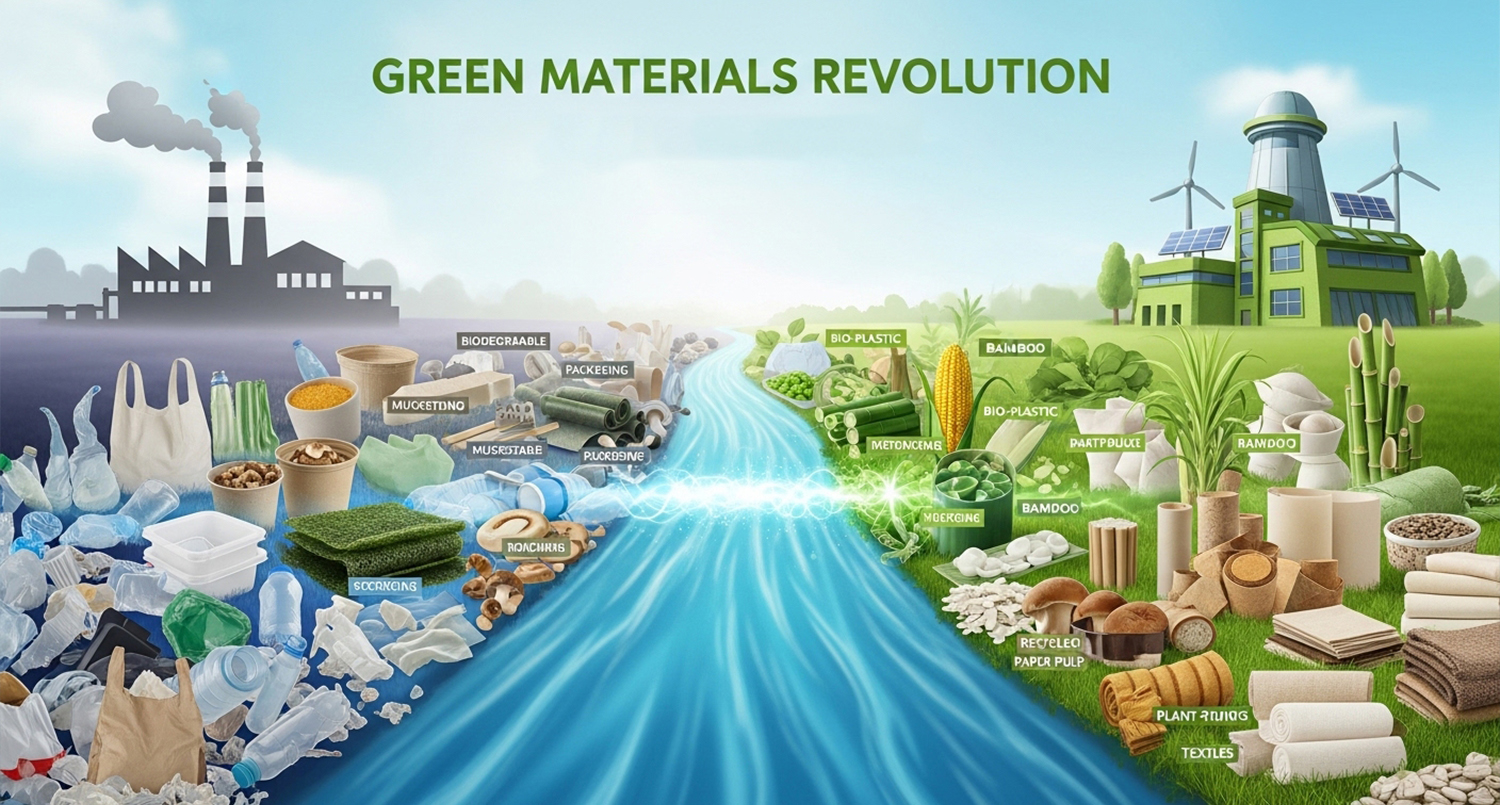
The global conversation around sustainability has intensified in recent years, pushing industries to rethink their dependence on conventional plastics. Once considered indispensable, traditional plastics are now widely recognized for their long-term environmental impact, including pollution, resource depletion, and harm to ecosystems. This growing awareness has sparked a green materials revolution, where eco-friendly alternatives are steadily replacing traditional plastics across various sectors. Businesses that embrace this transformation are not only contributing to environmental protection but also positioning themselves for long-term success.

Traditional plastics have been a cornerstone of industrial development due to their durability, flexibility, and low cost. However, their non-sustainable nature has led to serious environmental challenges. From overflowing landfills to marine pollution, the consequences of excessive plastic use are evident worldwide. As a result, governments, organizations, and consumers are demanding more responsible solutions. This has accelerated the adoption of green materials that offer similar functionality while reducing environmental harm.

Eco-friendly materials are designed to minimize the negative impact associated with conventional plastics. These alternatives are developed using sustainable processes and often incorporate renewable or recycled resources. They are engineered to deliver performance, durability, and adaptability, making them suitable for a wide range of applications. From packaging and manufacturing to healthcare and agriculture, green materials are transforming how industries operate.

One of the most significant areas of change is the packaging industry. Packaging plays a critical role in protecting products, but it has also been a major contributor to plastic waste. Eco-friendly alternatives are helping businesses create packaging solutions that are both effective and environmentally responsible. These materials provide strength and flexibility while reducing reliance on traditional plastics. Companies can now offer sustainable packaging options without compromising product safety or quality.

Another important advantage of green materials is their ability to support waste reduction initiatives. Traditional plastics often end up in landfills or natural environments, where they persist for decades. In contrast, eco-friendly alternatives are designed to align with sustainable waste management practices. They encourage recycling, reuse, and efficient disposal, helping industries reduce their environmental footprint. This shift is essential for creating cleaner and healthier ecosystems.

Cost considerations are also influencing the transition toward eco-friendly materials. While the initial cost of adopting green alternatives may be higher, the long-term benefits are substantial. Businesses can reduce expenses related to waste management, regulatory compliance, and energy consumption. Additionally, sustainable practices often attract environmentally conscious customers, leading to increased brand loyalty and market growth. Investing in green materials is not just an environmental decision—it is a strategic business move.

Innovation is a driving force behind the green materials revolution. Advances in technology and research are enabling the development of materials that meet high-performance standards while remaining environmentally responsible. Companies like Deltora Biopolymers Private Limited are playing a key role in this transformation by providing innovative solutions that help industries transition away from traditional plastics. Their expertise and commitment to sustainability ensure that businesses have access to reliable and efficient eco-friendly materials.

Consumer behavior is also shaping the future of materials. Modern consumers are more aware of environmental issues and prefer products that reflect their values. Brands that adopt eco-friendly alternatives can strengthen their reputation and build trust with their audience. This shift in consumer preference is encouraging companies to rethink their material choices and invest in sustainable solutions.

Furthermore, green materials contribute to the development of a circular economy. This approach focuses on reducing waste, reusing resources, and maintaining materials within the production cycle for as long as possible. By replacing traditional plastics with eco-friendly alternatives, businesses can support this model and create more sustainable production systems. This not only benefits the environment but also enhances operational efficiency.

Reducing carbon emissions is another critical benefit of eco-friendly materials. Traditional plastic production involves significant energy consumption and greenhouse gas emissions. In contrast, green alternatives are designed to lower emissions throughout their lifecycle. By adopting these materials, companies can contribute to climate change mitigation and align with global sustainability goals.

Deltora Biopolymers Private Limited is at the forefront of the green materials revolution, helping businesses adopt sustainable practices through advanced material solutions. Their focus on innovation and environmental responsibility makes them a trusted partner for companies seeking to replace traditional plastics with eco-friendly alternatives. By offering high-quality materials, they enable industries to achieve both performance and sustainability.

In conclusion, the shift from traditional plastics to eco-friendly alternatives marks a significant step toward a more sustainable future. The green materials revolution is transforming industries by reducing environmental impact, improving efficiency, and meeting evolving consumer expectations. Businesses that embrace this change are not only protecting the planet but also gaining a competitive advantage in a rapidly changing market. As innovation continues to drive progress, eco-friendly materials will play a crucial role in shaping a cleaner, greener, and more responsible world.

Emerging Opportunities in India’s Eco-Friendly Products Market

India is witnessing a significant shift toward sustainability as consumers, businesses, and policymakers increasingly prioritize environmentally responsible choices. The eco-friendly products market is expanding rapidly due to rising environmental awareness, government regulations on single-use plastics, and growing demand for sustainable alternatives across industries. From biodegradable packaging to plant-based raw materials and compostable consumer goods, the opportunities in this sector are both diverse and promising.

One of the primary drivers of growth in India’s eco-friendly market is changing consumer behavior. Modern consumers are becoming more conscious about the environmental impact of their purchasing decisions. They prefer products that are recyclable, biodegradable, or made from renewable resources. This shift is particularly visible among urban populations, where sustainability has become a lifestyle choice rather than just a trend. Businesses that adopt eco-friendly practices not only contribute to environmental protection but also gain a competitive advantage by building stronger brand trust and customer loyalty.

Government initiatives have also played a crucial role in accelerating market growth. Policies aimed at reducing plastic waste and promoting sustainable manufacturing are encouraging industries to explore green alternatives. Regulations banning certain types of plastic products have created new opportunities for manufacturers of compostable and biodegradable materials. As compliance becomes mandatory, industries such as retail, food packaging, agriculture, and e-commerce are actively seeking eco-friendly solutions to meet regulatory standards.

Another major opportunity lies in the packaging sector. With the boom in online shopping and food delivery services, packaging waste has increased dramatically. This has created demand for sustainable packaging materials such as compostable carry bags, biodegradable films, and plant-based containers. Companies that innovate in this space are likely to experience strong growth, as businesses aim to reduce their carbon footprint while maintaining product quality and safety. Sustainable packaging not only benefits the environment but also enhances brand reputation in the eyes of environmentally conscious consumers.

Agriculture is another sector where eco-friendly products are gaining momentum. Biodegradable mulch films, compostable plant protection materials, and sustainable agricultural inputs are helping farmers improve productivity while minimizing environmental harm. These solutions reduce soil contamination and support long-term agricultural sustainability. As awareness grows among farmers about the benefits of environmentally friendly agricultural products, demand in this segment is expected to increase significantly.

The raw materials industry is also evolving rapidly with the introduction of biopolymers and plant-based alternatives. These materials are designed to replace conventional plastics while maintaining performance and durability. Research and development in this area are opening new possibilities for applications across multiple industries, including automotive, healthcare, textiles, and consumer goods. Companies like Deltora Biopolymers Private Limited are contributing to this transformation by focusing on innovative sustainable materials that align with global environmental goals.

Small and medium enterprises (SMEs) also have significant opportunities in this market. With relatively lower entry barriers in certain eco-friendly product categories, startups and regional manufacturers can develop niche solutions tailored to local needs. For example, eco-friendly tableware, reusable bags, compostable packaging, and sustainable household products have strong potential in both domestic and export markets. Entrepreneurs who invest in quality and certification standards can establish successful businesses in this growing sector.

Export potential is another important aspect of India’s eco-friendly products market. Many countries are implementing strict environmental regulations, creating demand for sustainable products globally. India, with its strong manufacturing capabilities and cost advantages, is well positioned to become a major exporter of eco-friendly goods. Manufacturers that meet international quality standards and certifications can tap into lucrative global markets, further boosting industry growth.

Technological innovation is expected to shape the future of the eco-friendly products industry. Advanced material science, improved production techniques, and scalable manufacturing processes will help reduce costs and increase accessibility. As sustainable products become more affordable, adoption rates will increase across industries and consumer segments. Organizations such as

Deltora Biopolymers Private Limited are playing an important role by investing in research and development to create next-generation eco-friendly solutions.

Despite the strong growth potential, challenges such as higher initial costs, limited awareness in rural markets, and lack of infrastructure for composting and recycling still exist. However, these challenges also present opportunities for innovation, education, and collaboration between government bodies, businesses, and environmental organizations. With the right strategies, these barriers can be overcome to accelerate adoption.

In conclusion, India’s eco-friendly products market is entering a dynamic growth phase driven by consumer awareness, regulatory support, technological advancements, and global sustainability trends. Businesses that embrace innovation, quality, and environmental responsibility will be well positioned to succeed in this evolving landscape. As sustainability continues to shape the future of industries worldwide, the opportunities in India’s eco-friendly market are not only emerging but expanding at an unprecedented pace.

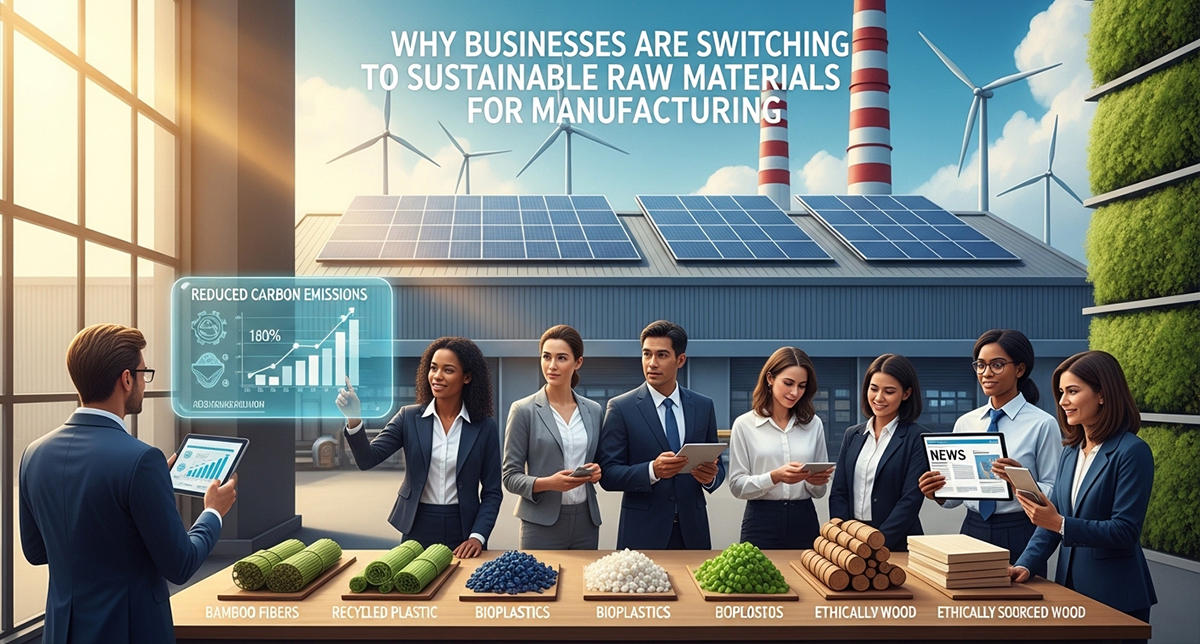
Why Businesses Are Switching to Sustainable Raw Materials for Manufacturing

Plastic pollution has emerged as one of the most serious environmental threats facing the planet today. Every year, enormous quantities of plastic waste accumulate in landfills, rivers, oceans, and natural habitats, creating long-lasting damage to ecosystems and biodiversity. Conventional plastics, derived primarily from fossil fuels, are highly durable and resistant to natural decomposition, which means they can remain in the environment for centuries. This growing concern has encouraged industries and researchers to seek alternative materials that are both functional and environmentally responsible. Among the most promising solutions are biopolymers, which are rapidly gaining attention for their potential to reduce plastic pollution while supporting sustainable economic growth.

Biopolymers are produced from renewable biological resources such as corn starch, sugarcane, cellulose, and other plant-based materials. Unlike petroleum-based plastics, many biopolymers are designed to biodegrade or compost under appropriate environmental conditions. This characteristic allows them to break down into natural elements without leaving harmful residues behind. As a result, they offer a more sustainable lifecycle compared to traditional plastics, helping to minimize waste accumulation and environmental contamination. With growing awareness about sustainability, industries across the world are adopting biopolymers in applications ranging from packaging and agriculture to healthcare and consumer products.

The packaging sector represents one of the most important areas where biopolymers are making a meaningful difference. Single-use packaging materials contribute significantly to global plastic waste, especially in food delivery, retail, and e-commerce industries. By transitioning to biopolymer-based packaging solutions, companies can reduce their dependence on conventional plastics while meeting environmental regulations and consumer expectations. Compostable carry bags, biodegradable films, and plant-based containers are becoming increasingly popular as businesses aim to adopt greener practices. Organizations such as Deltora Biopolymers Private Limited are actively supporting this shift by developing advanced eco-friendly materials that serve as effective alternatives to traditional plastic products.

Biopolymers also contribute to the development of a circular economy, which focuses on reducing waste through reuse, recycling, and resource recovery. Instead of following the traditional linear model of production and disposal, biopolymer-based products can be integrated into composting systems, where they break down alongside organic waste. The resulting compost can then be used to enrich soil and support agricultural productivity, creating a sustainable loop of resource utilization. This approach not only reduces landfill pressure but also supports environmentally responsible waste management practices.

Another important benefit of biopolymers is their ability to lower greenhouse gas emissions. Since they are derived from renewable plant sources, the raw materials used in biopolymer production absorb carbon dioxide during growth. This natural carbon absorption partially offsets emissions generated during manufacturing, resulting in a lower overall carbon footprint compared to fossil-based plastics. By adopting biopolymers, industries can contribute to climate change mitigation efforts while addressing plastic pollution challenges simultaneously.

Agriculture is another sector where biopolymers are proving highly beneficial. Traditional plastic mulch films and agricultural coverings often remain in soil long after use, causing contamination and disposal difficulties. Biodegradable alternatives made from biopolymers eliminate these concerns because they naturally decompose over time. Farmers can improve crop productivity while reducing environmental impact, making sustainable agriculture more achievable. Companies like Deltora Biopolymers Private Limited are playing an important role in providing innovative solutions that support both agricultural efficiency and environmental conservation.

The healthcare sector is also exploring opportunities for biopolymer adoption. Hospitals and medical facilities generate significant plastic waste through disposable packaging, protective equipment, and single-use medical supplies. Biodegradable materials offer a practical way to reduce this environmental burden without compromising hygiene or safety standards. As research continues, more medical-grade biopolymer applications are expected to emerge, contributing to greener healthcare practices.

Despite their advantages, biopolymers still face certain challenges. Production costs can be higher than traditional plastics, and composting infrastructure is not yet widely available in all regions. Additionally, consumer awareness regarding proper disposal methods remains limited, which can reduce the effectiveness of biodegradable products. However, ongoing technological advancements, government policies supporting sustainability, and increased industry investment are gradually overcoming these barriers. As production volumes increase, costs are expected to decrease, making biopolymers more accessible for widespread use.

Innovation remains the driving force behind the growth of the biopolymer industry. Researchers are continuously developing materials with enhanced durability, flexibility, and performance characteristics to meet diverse industrial needs. These advancements are expanding the potential applications of biopolymers beyond packaging into sectors such as automotive, textiles, electronics, and construction. The future of sustainable materials is closely linked to continued research and collaboration between manufacturers, policymakers, and environmental organizations.

In conclusion, biopolymers are playing a transformative role in addressing the global plastic pollution crisis by offering renewable, biodegradable, and environmentally responsible alternatives to conventional plastics. Their ability to support circular economy practices, reduce carbon emissions, and minimize long-term waste makes them an essential component of sustainable development. As industries and consumers increasingly prioritize environmental responsibility, the adoption of biopolymers will continue to grow, paving the way for a cleaner and more sustainable future for generations to come.

The Role of Biopolymers in Reducing Global Plastic Pollution

Plastic pollution has become one of the most pressing environmental challenges worldwide. Millions of tons of plastic waste enter landfills, oceans, and natural ecosystems every year, causing long-term damage to wildlife, soil health, and human well-being. Traditional plastics, made from fossil fuels, take hundreds of years to decompose, leading to severe environmental consequences. In response to this growing crisis, biopolymers have emerged as a promising solution that can significantly reduce global plastic pollution while supporting sustainable development.

Biopolymers are materials derived from renewable biological sources such as plant starch, corn, sugarcane, cellulose, and other natural resources. Unlike conventional plastics, many biopolymers are biodegradable or compostable, meaning they can break down naturally under the right environmental conditions. This ability to decompose reduces long-term waste accumulation and helps minimize pollution in landfills and oceans. As industries seek environmentally responsible alternatives, biopolymers are gaining popularity across multiple sectors, including packaging, agriculture, healthcare, and consumer goods.

One of the most impactful applications of biopolymers is in the packaging industry. Packaging accounts for a large portion of global plastic consumption, particularly single-use items such as bags, wrappers, and containers. By replacing traditional plastics with biopolymer-based materials, companies can significantly reduce their environmental footprint. Compostable packaging made from biopolymers not only performs well but also aligns with sustainability goals and regulatory requirements. Manufacturers such as Deltora Biopolymers Private Limited are actively contributing to this transition by developing eco-friendly material solutions designed to replace conventional plastic products.

Biopolymers also play a crucial role in supporting the circular economy. Instead of following a linear model of production, use, and disposal, biopolymer-based products can be integrated into systems that promote recycling, composting, and resource recovery. For example, compostable biopolymer packaging can be processed along with organic waste, converting it into nutrient-rich compost that benefits agriculture. This approach reduces landfill waste and supports sustainable waste management practices, creating a positive environmental cycle.

Another significant advantage of biopolymers is their potential to reduce carbon emissions. Since many biopolymers are produced from renewable resources, their overall carbon footprint is often lower compared to petroleum-based plastics. Plants used to produce biopolymers absorb carbon dioxide during their growth, partially offsetting emissions generated during manufacturing. This characteristic makes biopolymers an important tool in combating climate change while addressing plastic pollution simultaneously.

Agriculture is another sector benefiting from biopolymer innovation. Biodegradable mulch films, plant protection materials, and controlled-release agricultural products are helping farmers improve productivity while reducing environmental impact. Traditional plastic-based agricultural materials often remain in soil for years, causing contamination and disposal challenges. Biopolymer alternatives break down naturally, eliminating the need for removal and reducing soil pollution. Companies like Deltora Biopolymers Private Limited are working toward sustainable agricultural solutions that balance productivity with environmental responsibility.

The healthcare and medical industries are also exploring biopolymer applications. Biodegradable medical packaging, disposable healthcare products, and specialized materials are being developed to reduce plastic waste generated by hospitals and medical facilities. Since hygiene and safety are critical in healthcare environments, biopolymers offer a valuable solution by providing functionality while maintaining environmental sustainability.

Despite the many benefits, challenges remain in the widespread adoption of biopolymers. Production costs are often higher compared to conventional plastics, and infrastructure for composting and recycling biopolymer products is still developing in many regions. Additionally, consumer awareness about proper disposal methods is limited, which can reduce the effectiveness of biodegradable materials. However, ongoing research, technological advancements, and government support are gradually addressing these barriers, making biopolymers more accessible and affordable.

Innovation continues to drive the growth of the biopolymer industry. Scientists and manufacturers are developing new materials with improved strength, flexibility, and durability to meet the demands of various applications. As technology advances and production scales increase, the cost gap between biopolymers and traditional plastics is expected to narrow, encouraging broader adoption across industries.

In conclusion, biopolymers are playing a transformative role in reducing global plastic pollution by offering sustainable alternatives to conventional plastics. Their ability to biodegrade, support circular economy practices, and reduce carbon emissions makes them a powerful solution for environmental challenges. As industries, governments, and consumers increasingly prioritize sustainability, biopolymers will become an essential part of the global effort to protect ecosystems and promote responsible resource use. With continued innovation and collaboration, the transition toward biopolymer-based materials has the potential to create a cleaner, healthier, and more sustainable future for generations to come.

How Sustainable Materials Are Transforming Modern Packaging Industries

The global packaging industry is undergoing a major transformation as sustainability becomes a central focus for businesses, governments, and consumers. Traditional packaging materials, especially single-use plastics, have contributed significantly to environmental pollution, leading to increased demand for eco-friendly alternatives. Sustainable materials are now reshaping how products are packaged, transported, and consumed, creating new opportunities for innovation while reducing environmental impact.

One of the key reasons behind this transformation is the growing awareness of environmental challenges such as plastic waste, carbon emissions, and resource depletion. Consumers are becoming more conscious of their environmental footprint and are actively choosing brands that demonstrate responsible practices. As a result, companies are rethinking their packaging strategies and investing in sustainable materials that align with environmental goals while maintaining product safety and quality.

Sustainable materials include biodegradable polymers, compostable films, recyclable paper-based solutions, plant-based plastics, and reusable packaging systems. These materials are designed to minimize environmental harm by reducing waste, lowering carbon emissions, and promoting circular economy principles. Unlike conventional plastics, many sustainable materials break down naturally or can be reused and recycled efficiently, making them more environmentally responsible choices for modern packaging needs.

The food and beverage industry is one of the largest adopters of sustainable packaging solutions. With increasing regulations on plastic usage and growing consumer demand for eco-friendly products, businesses are transitioning toward biodegradable containers, compostable wraps, and recyclable packaging formats. Sustainable materials help preserve food quality while reducing environmental impact, making them a practical and responsible choice for manufacturers and retailers alike.

E-commerce is another sector experiencing rapid growth in sustainable packaging adoption. The rise of online shopping has significantly increased packaging waste due to shipping materials, protective layers, and single-use plastics. Companies are now exploring alternatives such as recyclable mailers, compostable packaging films, and minimalistic packaging designs to reduce waste. Sustainable packaging not only supports environmental responsibility but also enhances brand image, as customers increasingly appreciate companies that prioritize sustainability.

Technological advancements are playing a crucial role in accelerating the adoption of sustainable materials. Innovations in material science have led to the development of high-performance biopolymers that match or even exceed the durability and functionality of traditional plastics. These advanced materials are suitable for a wide range of applications, including flexible packaging, rigid containers, and industrial packaging solutions. Manufacturers such as Deltora Biopolymers Private Limitedare contributing to this shift by developing innovative eco-friendly materials that meet both environmental and industry standards.

Another significant impact of sustainable materials is the move toward a circular economy. Instead of a linear model where products are used and discarded, sustainable packaging promotes reuse, recycling, and composting. This approach reduces resource consumption and waste generation while creating long-term environmental benefits. Companies that adopt circular packaging solutions often achieve cost savings over time through improved resource efficiency and reduced waste management expenses.

Sustainable packaging also offers strong branding advantages. Modern consumers are more likely to support brands that demonstrate environmental responsibility. Packaging made from eco-friendly materials communicates a company’s commitment to sustainability, helping build trust and loyalty among customers. Businesses that incorporate sustainable packaging into their strategies can differentiate themselves in competitive markets while meeting evolving consumer expectations.

The healthcare and pharmaceutical industries are also exploring sustainable packaging solutions. While safety and hygiene remain top priorities, advancements in sustainable materials are enabling manufacturers to reduce plastic usage without compromising product integrity. Compostable and recyclable packaging options are being tested and implemented to create environmentally responsible solutions in this highly regulated sector.

Despite the numerous benefits, challenges such as higher production costs, limited infrastructure for composting, and lack of awareness still exist. However, ongoing research, government support, and increasing demand are gradually addressing these issues. As production scales increase, costs are expected to decline, making sustainable packaging more accessible to businesses of all sizes. Companies like Deltora Biopolymers Private Limited are helping bridge this gap by providing innovative and cost-effective solutions for modern packaging requirements.

Looking ahead, the future of packaging will be driven by sustainability, innovation, and regulatory compliance. Businesses that adopt sustainable materials early will gain a competitive advantage while contributing to environmental protection. Governments worldwide are likely to introduce stricter regulations on plastic usage, further accelerating the shift toward eco-friendly packaging solutions.

In conclusion, sustainable materials are transforming modern packaging industries by reducing environmental impact, improving resource efficiency, and meeting evolving consumer expectations. As technology advances and awareness grows, sustainable packaging will become the new standard across industries. Companies that invest in eco-friendly innovation today will not only support environmental sustainability but also position themselves for long-term growth and success in the rapidly evolving global market.

How Green Plastic Alternatives Can Protect Earth’s Resources

Plastic has become a part of our daily lives—from packaging and household items to industrial use. While traditional plastic is convenient and affordable, its long-term impact on the planet is severe. Made from fossil fuels, conventional plastics consume non-renewable resources and take hundreds of years to decompose. As environmental concerns grow worldwide, green plastic alternatives are emerging as a powerful solution to protect Earth’s natural resources and create a more sustainable future.

Understanding Green Plastic Alternatives

Green plastic alternatives are materials designed to replace traditional petroleum-based plastics while reducing environmental harm. These alternatives are often made from renewable resources such as plant starch, sugarcane, corn, cellulose, or other bio-based materials. Some are biodegradable, some are compostable, and others are recyclable with a much lower environmental footprint.

Unlike conventional plastic, green plastics focus on reducing dependency on fossil fuels, minimizing waste, and lowering greenhouse gas emissions throughout their lifecycle—from raw material extraction to disposal.

Reducing Dependence on Fossil Fuels

One of the biggest benefits of green plastic alternatives is their ability to reduce reliance on fossil fuels. Traditional plastic production consumes massive amounts of oil and natural gas, which are finite resources. Over-extraction of these resources leads to environmental degradation, habitat loss, and increased carbon emissions.

Green plastics, on the other hand, are often derived from renewable sources that can be replenished over time. By shifting toward bio-based materials, industries can conserve limited fossil fuel reserves and reduce the environmental cost of plastic manufacturing. This transition plays a crucial role in protecting Earth’s resources for future generations.

Lowering Carbon Footprint

The production of conventional plastics releases significant amounts of carbon dioxide and other greenhouse gases into the atmosphere. These emissions contribute directly to climate change and global warming. Green plastic alternatives generally require less energy to produce and generate fewer emissions during manufacturing.

Many bio-based plastics absorb carbon dioxide during the growth phase of their raw materials, such as plants. This natural carbon absorption helps balance emissions, making green plastics a more climate-friendly option. Over time, widespread adoption of these materials can significantly reduce the overall carbon footprint of plastic usage.

Preventing Long-Term Environmental Pollution

Plastic pollution is one of the most visible environmental problems today. Oceans, rivers, soil, and wildlife are heavily affected by plastic waste that does not break down naturally. Microplastics have even entered the food chain, posing risks to both ecosystems and human health.

Green plastic alternatives, especially biodegradable and compostable options, are designed to break down more quickly under the right conditions. This reduces long-term pollution and prevents plastic waste from accumulating in landfills and natural habitats. While proper waste management is still essential, green plastics provide a far safer end-of-life option compared to conventional plastic.

Supporting Circular Economy Practices

A circular economy focuses on reducing waste, reusing materials, and recycling resources as much as possible. Green plastic alternatives align perfectly with this concept. Many eco-friendly plastics are designed for recyclability or compostability, allowing materials to return safely to nature or re-enter the production cycle.

By encouraging circular practices, businesses can reduce raw material consumption and lower waste generation. This approach not only conserves resources but also creates a more responsible and sustainable production system across industries.

Conserving Water and Energy Resources

Traditional plastic manufacturing requires large amounts of water and energy, adding pressure to already strained natural resources. Green plastic production methods are often more efficient, using less water and lower processing temperatures.

As industries adopt greener materials, the overall demand for water and energy decreases. This conservation is particularly important in regions facing water scarcity and rising energy costs, making green plastic alternatives both environmentally and economically beneficial.

Encouraging Sustainable Innovation

The rise of green plastic alternatives has driven innovation across materials science, manufacturing, and packaging industries. Companies are investing in research to develop stronger, safer, and more versatile eco-friendly materials that meet modern performance standards.

Organizations such as Deltora Biopolymers Private Limited are contributing to this innovation by focusing on advanced biopolymer solutions that balance functionality with sustainability. These efforts are helping industries transition away from harmful plastics without compromising quality or usability.

Empowering Responsible Consumer Choices

As awareness grows, consumers are becoming more conscious of the environmental impact of their purchases. Green plastic alternatives empower people to make responsible choices that align with sustainability goals. When businesses offer eco-friendly packaging and products, it creates a positive feedback loop—demand increases, production scales, and costs gradually decrease.

Companies like Deltora Biopolymers Private Limited play an important role by providing sustainable material options that support businesses and consumers in reducing their environmental footprint.

Final Note

Green plastic alternatives are more than just a trend—they are a necessary step toward protecting Earth’s valuable resources. By reducing fossil fuel dependency, lowering carbon emissions, preventing pollution, and supporting circular economies, these materials offer a practical and impactful solution to the global plastic crisis.

As industries, governments, and consumers continue to embrace sustainable materials, green plastics will help preserve natural resources, protect ecosystems, and build a cleaner, healthier planet for generations to come.

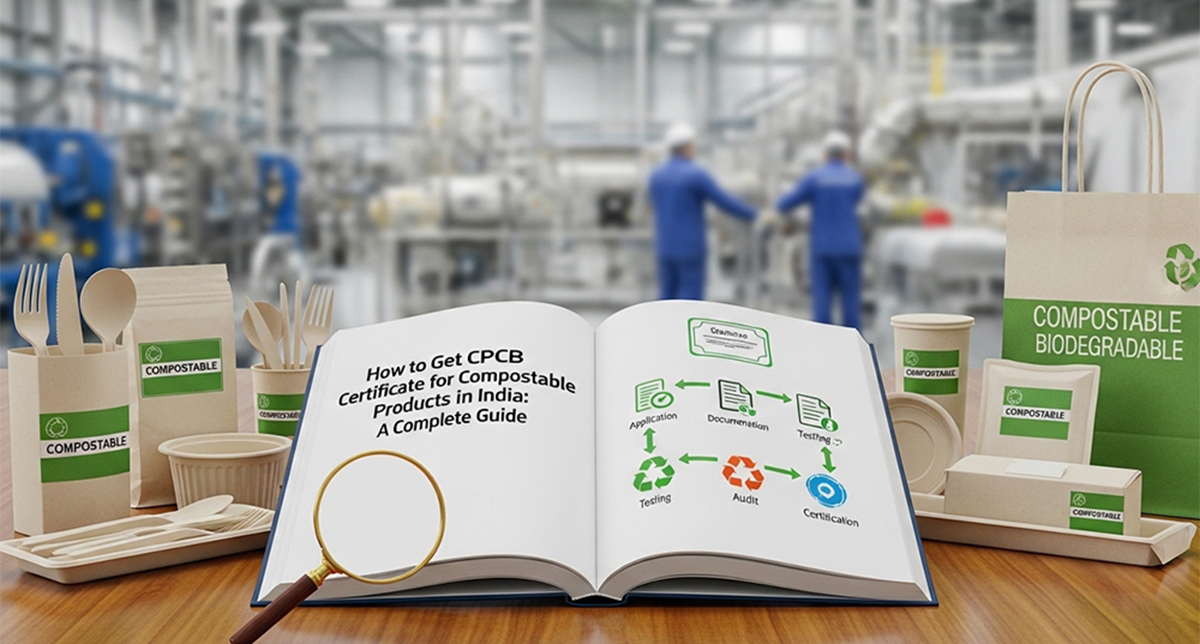
How Compostable Products Help Reduce Plastic Waste

Plastic waste has become one of the most serious environmental challenges of our time. From overflowing landfills to polluted oceans and harmed wildlife, the long-term impact of conventional plastic is visible everywhere. Single-use plastic items such as packaging, bags, cutlery, and containers are designed for convenience, yet they take hundreds of years to decompose. This growing crisis has pushed consumers, businesses, and governments to search for sustainable alternatives. One of the most promising solutions is the use of compostable products.

Understanding Compostable Products

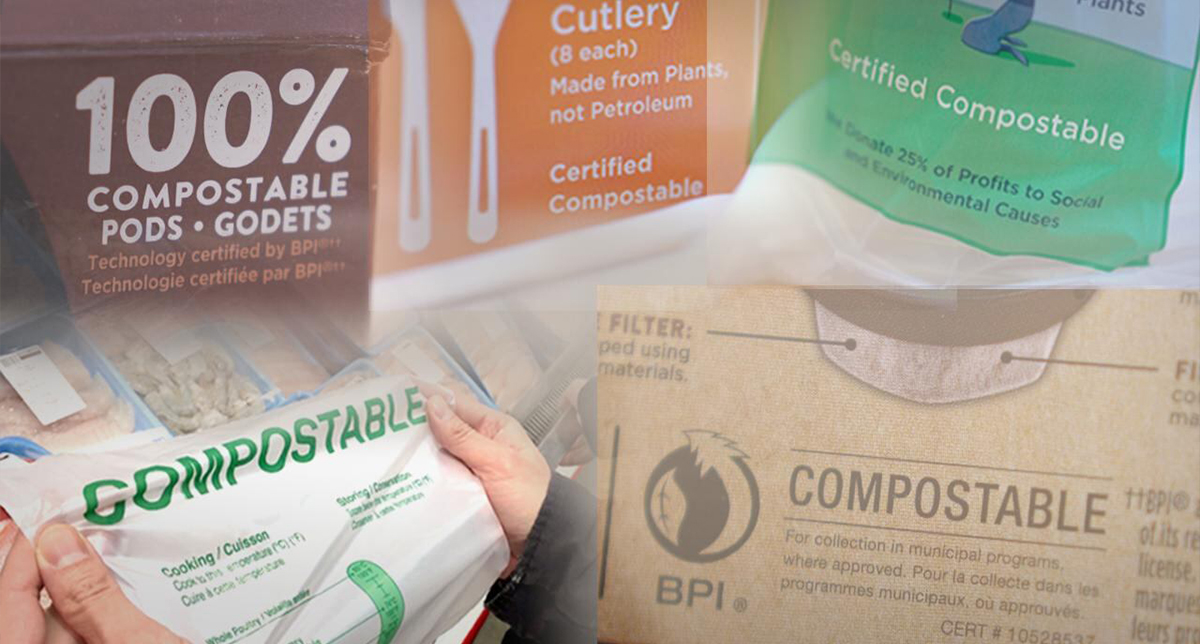
Compostable products are materials designed to break down naturally into non-toxic components under composting conditions. Unlike traditional plastic, which fragments into harmful microplastics, compostable items decompose into organic matter, water, and carbon dioxide. This process typically occurs within a few months when placed in industrial or home composting environments, depending on the material and conditions.

Compostable materials are often derived from renewable resources such as corn starch, sugarcane, cellulose, or plant-based polymers. Because these materials come from natural sources, they can return safely to the earth without leaving behind harmful residues.

The Growing Problem of Plastic Waste

Plastic waste accumulates rapidly because of its durability and low recycling rates. Many plastic products are used only once and then discarded. Even when recycling options exist, contamination, lack of infrastructure, and consumer awareness limit recycling effectiveness. As a result, a large percentage of plastic waste ends up in landfills, rivers, and oceans.

Once plastic enters the environment, it does not truly disappear. Instead, it breaks down into smaller pieces known as microplastics, which contaminate soil, water, and even food chains. This creates long-term environmental and health risks that are difficult to reverse.

How Compostable Products Reduce Plastic Pollution

Compostable products play a crucial role in reducing plastic waste by offering a safer and more sustainable end-of-life option. When disposed of correctly, these products break down naturally and enrich the soil rather than polluting it. This significantly reduces the volume of waste that would otherwise remain in landfills for decades.

By replacing traditional plastic items with compostable alternatives, businesses and consumers can reduce their dependence on fossil fuel-based materials. This shift not only decreases plastic pollution but also supports a circular economy where resources are reused and returned to nature.

Lower Environmental Impact

One of the major advantages of compostable products is their lower environmental footprint. Since they are made from renewable materials, they reduce reliance on petroleum-based plastics. The manufacturing process for compostable materials often produces fewer greenhouse gas emissions compared to conventional plastics.

Additionally, compostable products do not release toxic chemicals as they break down. This makes them safer for soil quality, groundwater, and surrounding ecosystems. Over time, widespread adoption of compostable materials can contribute to cleaner cities, healthier oceans, and improved biodiversity.

Supporting Waste Management Systems

Compostable products help improve waste management by offering clear separation between organic waste and plastic waste. When compostable packaging and products are disposed of alongside food waste, they can be processed together in composting facilities. This reduces contamination in recycling streams and enhances overall waste efficiency.

In urban areas where landfill space is limited, composting provides an effective alternative. Organic compost generated from compostable products can be used in agriculture, landscaping, and soil restoration, creating value from what would otherwise be waste.

Role of Businesses in Adopting Compostable Solutions

Businesses play a vital role in reducing plastic waste by switching to compostable alternatives. Restaurants, food packaging companies, retailers, and manufacturers can significantly reduce their environmental impact by choosing compostable packaging, containers, and disposable items.

Companies like Deltora Biopolymers Private Limited are contributing to this transition by promoting innovative compostable materials that align with sustainability goals. By integrating eco-friendly materials into everyday operations, businesses can meet regulatory requirements, attract environmentally conscious customers, and build a responsible brand image.

Consumer Awareness and Responsible Usage

While compostable products offer clear environmental benefits, proper usage and disposal are essential. Compostable items should be disposed of in composting systems rather than regular trash whenever possible. Educating consumers about correct labeling and disposal methods ensures these products achieve their intended environmental impact.

As awareness grows, consumers are increasingly choosing brands that prioritize sustainability. This demand encourages more companies, including Deltora Biopolymers Private Limited, to invest in research, development, and production of compostable solutions.

The Future of Compostable Products

The future of waste reduction lies in sustainable innovation and collective responsibility. Compostable products are not a complete solution on their own, but they are a powerful step toward reducing plastic waste when combined with responsible consumption and effective waste management systems.

As technology advances and composting infrastructure expands, compostable materials will become more accessible and affordable. With continued support from businesses, governments, and consumers, compostable products can help create a cleaner, healthier, and more sustainable planet for future generations.